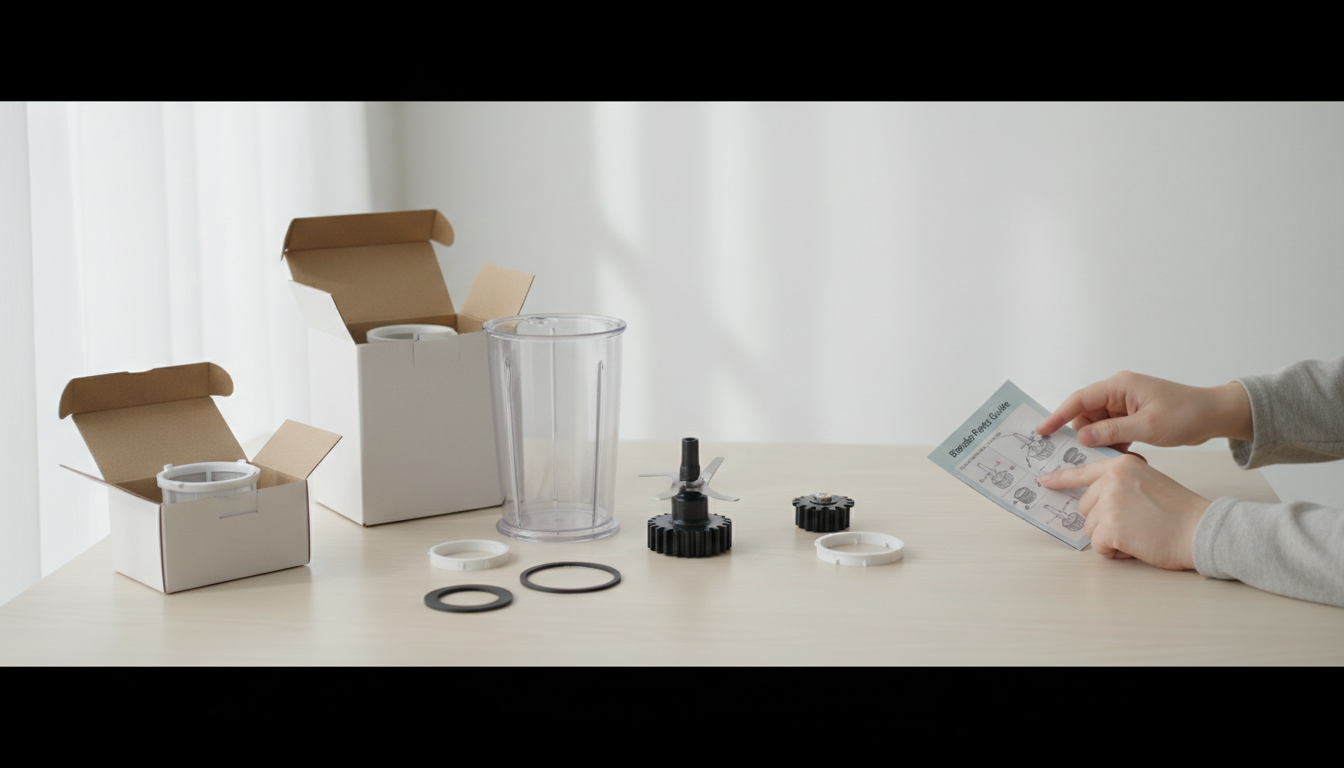
Blender Sound Enclosures: How to Choose the Best for Quieter Blending
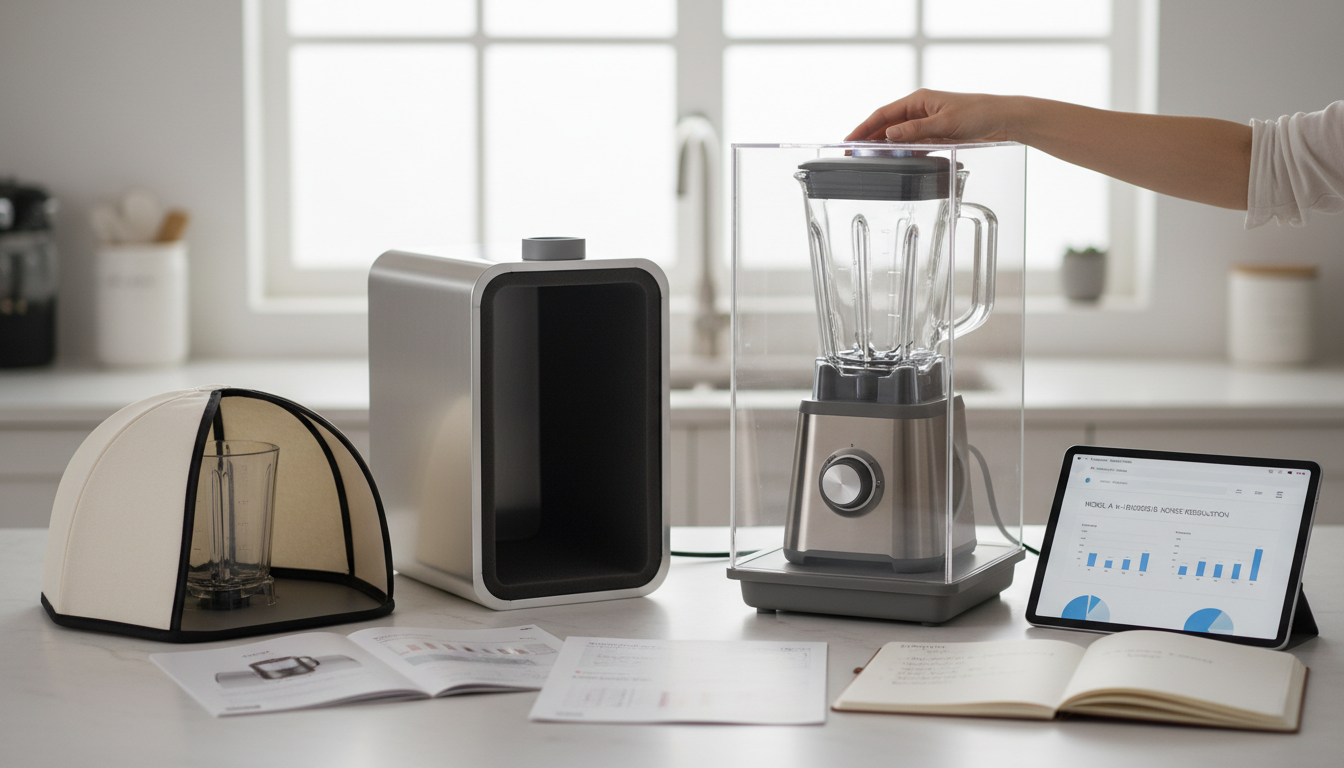
Taming the Roar: Why Blender Sound Enclosures Are Your Kitchen's New Best Friend
The sudden, high-decibel roar of a blender can be a significant disruption, whether it's a quiet morning at home or a bustling small business. This pervasive noise often exceeds comfortable listening levels, impacting conversations, disturbing others, or even affecting customer experience in commercial settings. The quest for quieter blending is a common challenge for many users.
Blender sound enclosures provide a direct and effective solution to this widespread problem. These specialized housings are engineered to encapsulate the blender during operation, significantly reducing the amount of noise that escapes into the surrounding environment. Unlike general noise reduction tips, an enclosure offers a dedicated barrier designed specifically to dampen the powerful sounds generated by high-speed motors and pulverizing ingredients.
This article will guide you through the essential considerations for selecting a blender sound enclosure. We'll explore the critical features that contribute to effective noise reduction, discuss compatibility factors to ensure a proper fit for your blender and space, and outline potential trade-offs to help you make an informed decision for a quieter blending experience.
Beyond the Buzz: How Blender Sound Enclosures Muffle the Noise
Blender sound enclosures operate on fundamental principles of acoustics to reduce noise pollution. Sound travels as waves, and an effective enclosure works by interrupting, absorbing, and containing these waves before they reach your ears. This multi-pronged approach is distinct from blenders engineered to be quiet from their core design.
The primary mechanisms at play within a sound enclosure include:
- Sound Dampening: This involves reducing the intensity or amplitude of sound waves. Materials within the enclosure are chosen to dissipate the energy of the sound, preventing it from resonating or amplifying.
- Sound Absorption: Porous, soft materials, often in the form of sound-dampening mats or specialized foam, are used to convert sound energy into other forms, such as heat. When sound waves penetrate these materials, their energy is largely trapped and diminished.
- Sound Reflection: Hard, dense surfaces reflect sound waves. While excessive reflection can create reverberation, within an enclosure, controlled reflection can direct sound towards absorbent materials, effectively trapping it within the unit.
Key materials contribute to these principles. Many enclosures utilize thick, impact-modified acrylic for their main structure. This material offers durability and transparency, allowing visibility of the blender while providing a dense barrier that reflects and contains a significant portion of the noise. Internally, these enclosures are often lined with sound-dampening mats or contour-cut foam. These linings are crucial for absorbing the reflected sound waves, preventing them from escaping through gaps or the material itself.
The design of the enclosure is critical for its effectiveness. A well-designed unit creates a sealed or tightly fitting chamber around the blender. This physical barrier prevents sound waves from directly propagating into the surrounding environment. As the blender operates, sound waves hit the internal surfaces of the enclosure. The dense acrylic reflects some sound, while the absorbent linings capture and dissipate the rest. This continuous process of reflection and absorption within the confined space significantly reduces the overall sound level that escapes, leading to a quieter blending experience.
It's important to distinguish a sound enclosure from an inherently quiet blender. An inherently quiet blender is engineered from the ground up with noise reduction in mind, often featuring specialized motor designs, blade acoustics, and internal dampening to produce less noise at its source. Conversely, a sound enclosure is an external accessory designed to contain the noise produced by an existing blender. It doesn't alter the blender's internal operation but rather acts as a barrier to block the propagation of sound waves, making it a practical solution for users seeking to reduce noise from their current appliance.
Choosing Your Quiet Zone: Essential Features for Blender Sound Enclosures
Selecting an effective blender sound enclosure requires evaluating several key features beyond simply its appearance. These elements collectively determine both the enclosure's noise reduction capability and its practical integration into your kitchen or business space. Prioritizing these criteria helps ensure your investment delivers the desired quieter blending experience.
- Material Quality and Construction: The primary barrier against noise is the enclosure's shell. Look for materials that offer both durability and effective sound containment. Impact-modified acrylic, particularly with a thickness approaching a quarter-inch, is a common choice due to its robustness, transparency, and acoustic properties. Transparent materials are crucial for monitoring the blending process without opening the enclosure.
- Internal Sound Dampening: While the outer shell blocks some noise, internal sound-dampening linings or mats significantly enhance performance. These materials, often foam or specialized composites, absorb sound waves that penetrate the outer layer, preventing reverberation and further reducing noise transmission. Their presence and density are strong indicators of an enclosure's effectiveness.
- Compatibility and Fit: This is a critical consideration to avoid purchasing an enclosure that doesn't accommodate your specific blender model or space.
- Blender Dimensions: Measure your blender's exact height, width, and depth, including any lid or handle protrusions, to ensure it fits comfortably within the enclosure's internal space.
- Under-Cabinet Clearance: For home users, verify the enclosure's overall height, especially if planning to place it under standard kitchen cabinets. Lower cabinets or decorative trim can limit available vertical space, making precise measurements essential. Some enclosures are specifically designed for under-cabinet placement, while others are taller for full-height blenders.
- Design for Ease of Use and Access: A well-designed enclosure integrates seamlessly into your routine. Features such as hinged lids or front panels allow for easy placement and removal of the blender jar. Clear visibility through the enclosure's material is important for monitoring blending progress. Effective power cord management, often through a designated cutout or channel, prevents cord pinching and ensures safe operation.
- Durability and Ease of Cleaning: The enclosure should withstand regular use in a kitchen environment. Materials that are easy to wipe clean are beneficial for maintaining hygiene, especially in food preparation areas. Resistant to scratches and impacts contributes to its longevity and appearance.
- Ventilation Considerations: Blenders, especially high-powered models, generate heat during operation. An effective sound enclosure must incorporate adequate ventilation to prevent the blender from overheating. This might involve strategically placed vents or a design that allows for passive airflow without compromising significant noise reduction. Overheating can reduce blender lifespan and pose a safety risk.
The Quiet Compromise: Understanding Limitations and Trade-offs of Sound Enclosures
While blender sound enclosures offer a compelling solution for noise reduction, it's crucial for buyers to approach their selection with realistic expectations. These devices come with inherent limitations and trade-offs that can influence their effectiveness and suitability for different users and kitchen environments. Understanding these aspects beforehand helps in making an informed decision and avoiding potential disappointment.
Consider the following practical challenges and compromises:
- Fit and Spatial Constraints: A primary concern is ensuring the enclosure physically accommodates your specific blender model and fits within your kitchen space. Enclosures can be bulky, and issues often arise with blenders being too tall or wide for the internal dimensions of the enclosure, or the entire setup not fitting under standard kitchen cabinets. Measuring your blender's exact dimensions and the available counter space and cabinet clearance is essential before purchase. Some enclosures, designed for specific large blenders, might be too tall for typical under-cabinet placement.
- Variability in Noise Reduction: Not all sound enclosures deliver the same level of noise reduction. Effectiveness can vary significantly based on the materials used, their thickness, and the overall design. While some enclosures, often constructed from thick, impact-modified acrylic and lined with sound-dampening mats, can offer substantial noise reduction, they will not achieve absolute silence. Expect a significant dampening of the blender's roar, often bringing it down to a more tolerable level, rather than complete elimination of sound.
- Bulkiness and Storage: Sound enclosures, by their nature, add considerable volume to your blending setup. Their size can pose storage challenges, particularly in smaller kitchens where counter space and cabinet storage are at a premium. You'll need to consider where the enclosure will reside when not in use, as it's typically not a compact item.
- Airflow and Blender Longevity: Blenders generate heat during operation, especially during prolonged or intensive tasks. An enclosure, while trapping sound, can also trap heat. A well-designed sound enclosure will incorporate ventilation or allow for adequate airflow to prevent the blender from overheating, which could otherwise impact its performance or lifespan. Buyers should look for designs that acknowledge and address this need.
- Cost Versus Benefit: Sound enclosures represent an additional investment beyond the blender itself. For infrequent users or those with less severe noise concerns, the cost might outweigh the perceived benefit. However, for frequent users, small businesses, or households where blender noise is a significant disturbance, the investment in a quality enclosure can be well justified by the improved comfort and environment.
Finding Your Perfect Fit: Matching an Enclosure to Your Blending Habits
Selecting the right blender sound enclosure requires a practical assessment of your current blending setup and lifestyle. The ideal enclosure effectively reduces noise while seamlessly integrating into your kitchen and usage patterns. This involves considering your blender's physical attributes, the space you have available, and how often you blend.
To make an informed choice, consider the following:
-
Blender Type and Dimensions: Not all enclosures fit all blenders.
- Personal blenders are generally smaller, often fitting into more compact enclosures.
- Full-size countertop blenders (e.g., high-speed models) require larger enclosures, which must accommodate their height, width, and depth, especially with the lid on.
- Specific models may have unique shapes or controls that could interfere with a universal enclosure's design. Always verify the enclosure's internal dimensions against your blender's exact measurements.
-
Kitchen Space and Storage: Evaluate where the enclosure will live.
- Countertop footprint: An enclosure adds to your blender's overall footprint. Measure the available counter space.
- Height clearance: If placing under cabinets, measure the distance from the countertop to the cabinet bottom. Some enclosures are tall, with examples exceeding 17 inches, which might not fit under standard cabinetry if decorative trim is present.
- Storage: If you plan to store the enclosure when not in use, consider its bulk. Some designs are more cumbersome than others.
-
Frequency of Use and Accessibility: Your blending habits dictate the importance of ease of access.
- Daily users might prioritize enclosures with simple lift-off designs or hinged doors for quick blender access and operation.
- Occasional users might tolerate a slightly more involved setup if the noise reduction benefits are substantial for specific tasks.
- Consider how easily you can place the blender inside, operate its controls, and remove the jar for cleaning.
-
Specific Noise Pain Points: Identify when blender noise is most problematic for you.
- Early morning smoothies or late-night snacks often necessitate maximum noise reduction to avoid disturbing others. This might warrant an enclosure made from thicker, more robust materials like nearly quarter-inch impact-modified acrylic, possibly lined with sound-dampening mats, for superior sound isolation.
- If the goal is moderate noise reduction during less sensitive times, a simpler enclosure might suffice.
-
Budget and Material Quality: Cost often correlates with construction and features.
- Enclosures vary in material thickness, transparency, and the inclusion of sound-absorbing liners. Higher-quality materials and integrated dampening features generally offer better noise reduction but come at a higher price point.
- Consider the long-term durability of the materials, especially if the enclosure will be frequently handled or exposed to kitchen elements.
Your Quieter Blending Questions Answered
Understanding the nuances of blender sound enclosures can clarify expectations and guide your purchase decision. Here, we address common inquiries to help you confidently navigate the options for reducing blender noise.
-
Are blender sound enclosures truly effective at reducing noise? Yes, sound enclosures can be effective at reducing blender noise. They are designed to encapsulate the blender, using principles of sound dampening and absorption to contain the loud operational sounds. Materials like thick, impact-modified acrylic and internal sound-dampening mats work to prevent noise from escaping into the surrounding environment, leading to a noticeable reduction in perceived volume.
-
Can I build my own effective sound enclosure? While it's possible to construct a DIY enclosure, achieving professional-level noise reduction can be challenging. Effective enclosures require specific materials and construction techniques to properly dampen and absorb sound waves. Manufactured enclosures often use specialized, dense materials and precise designs (e.g., nearly quarter-inch thick acrylic, sound-dampening mats) that are difficult to replicate for optimal performance and safety in a homemade solution.
-
Do these enclosures work for all blender brands and models? No, not all enclosures work for all blender brands and models. Compatibility is a critical factor. Many commercial sound enclosures are designed to fit a range of popular blender brands, such as Vitamix, Blendtec, Hamilton Beach, and Ninja. However, the internal dimensions and access points (like power cords) must align with your specific blender. Always verify the enclosure's listed compatibility with your blender's make and model before purchasing.
-
What's the main difference between a sound enclosure and buying a 'quiet blender'? The fundamental difference lies in their approach to noise reduction. A sound enclosure is an add-on accessory that aims to muffle the noise of an existing blender. It acts as an external barrier. A 'quiet blender,' conversely, is engineered from its core design to produce less noise, often incorporating features like specialized motor housings, quieter blade designs, or built-in noise-reducing covers. Quiet blenders may also have design trade-offs, such as smaller capacities in some single-serve models, to achieve lower noise levels.
-
How much noise reduction can I realistically expect? While specific decibel reductions can vary based on the enclosure's design, materials, and the original loudness of your blender, you can generally expect a substantial and noticeable decrease in noise. Buyers often report a significant improvement, transforming a disruptive blending experience into a more tolerable one. However, it's important to set realistic expectations; an enclosure will reduce noise, but it may not render a very loud blender completely silent.
Embrace the Silence: Making an Informed Choice for a Quieter Kitchen
The disruptive roar of a blender doesn't have to be a permanent fixture in your kitchen. By investing in a sound enclosure, you can significantly reduce noise levels, fostering a more peaceful home environment or a calmer commercial space. This practical solution allows for more pleasant meal preparation and undisturbed conversations.
To ensure an effective purchase, focus on these critical factors:
- Blender Compatibility: Verify the enclosure's dimensions match your specific blender model.
- Space Fit: Measure your available counter or cabinet space to avoid obstruction.
- Material Construction: Prioritize durable, thick acrylic, ideally with integrated or add-on sound-dampening liners for optimal noise absorption.
- Noise Reduction Effectiveness: Research user experiences regarding actual decibel reduction.
By carefully evaluating these aspects against your specific needs, you can confidently select a blender sound enclosure that delivers on its promise, transforming your blending experience into a much quieter affair.