Oster Blender Replacement Parts: Keeping Your Blender Running Smoothly
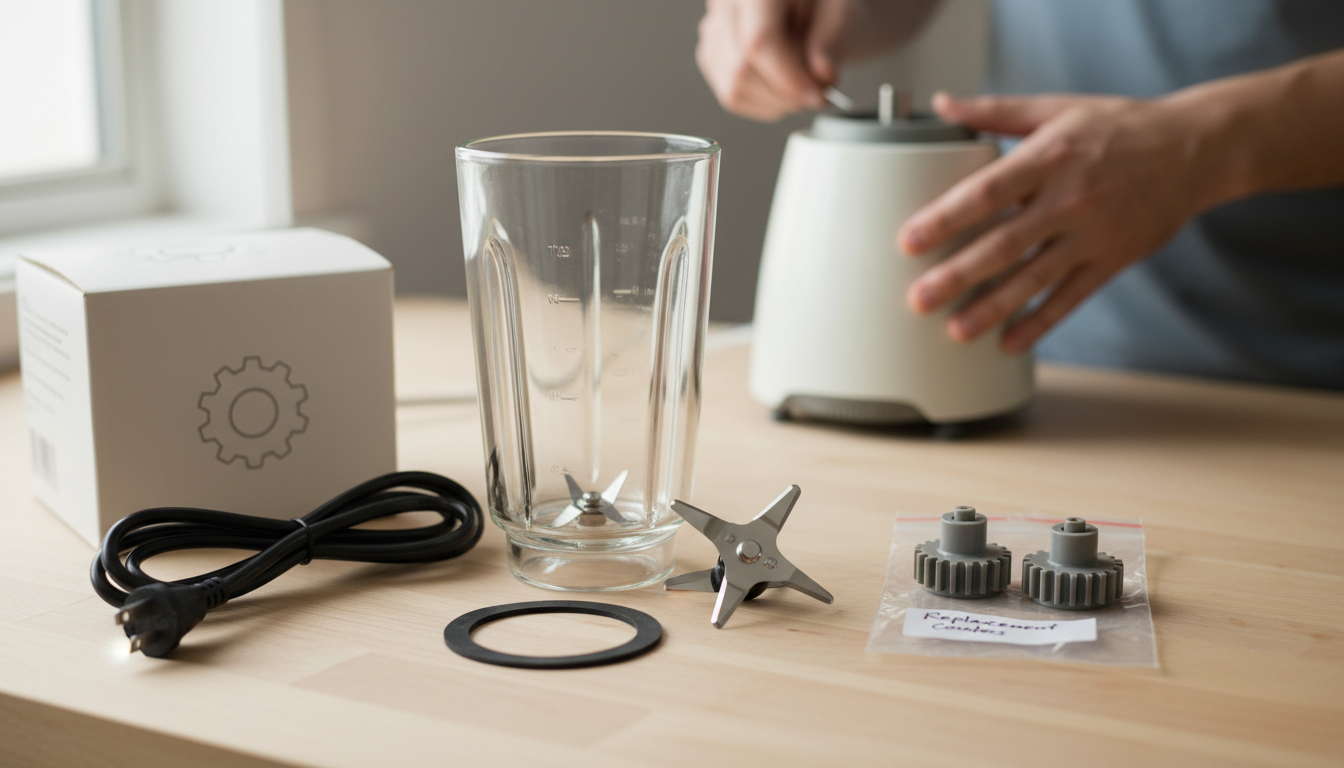
This brand angle is particularly suited for buyers who already own an Oster blender and are looking to address specific performance issues or component failures. It aligns with a preference for repairability and a cost-effective approach to appliance maintenance, focusing on restoring functionality without the expense of a new purchase.
Consider evaluating Oster replacement parts if you fit the following criteria:
- Current Oster Blender Owner: Your primary goal is to restore the performance of an existing Oster blender, addressing issues like dull blades, worn gears, or damaged seals.
- Value Appliance Longevity: You prioritize extending the lifespan of your current appliance rather than opting for a new purchase at the first sign of wear.
- Seeking Cost-Effective Solutions: Repairing a specific component is a more budget-friendly option compared to investing in an entirely new blender.
- Prioritize Established Brand Support: You appreciate the potential for direct support and a consistent supply chain for parts from a long-standing brand.
- Experiencing Specific Performance Declines: Your blender is otherwise functional, but issues like reduced blending efficiency or leaks indicate a need for targeted part replacement.
Blender-Replacement Evidence evidence checklist
Evaluating replacement parts for Oster blenders involves discerning verifiable facts from general claims to make informed decisions. This checklist highlights specific proof points, outlines known specification limits, and clarifies considerations regarding return policies based on available information.
-
Proof Points for Availability and Functionality:
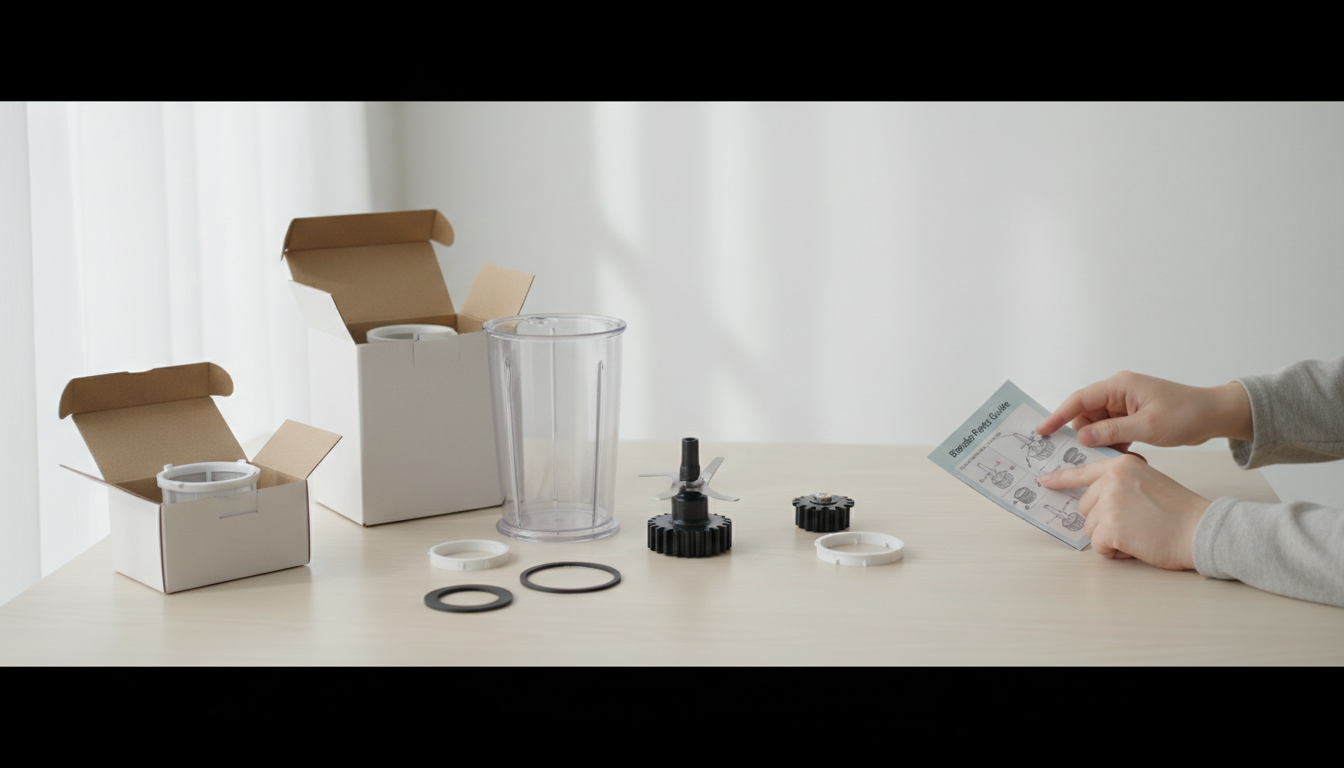
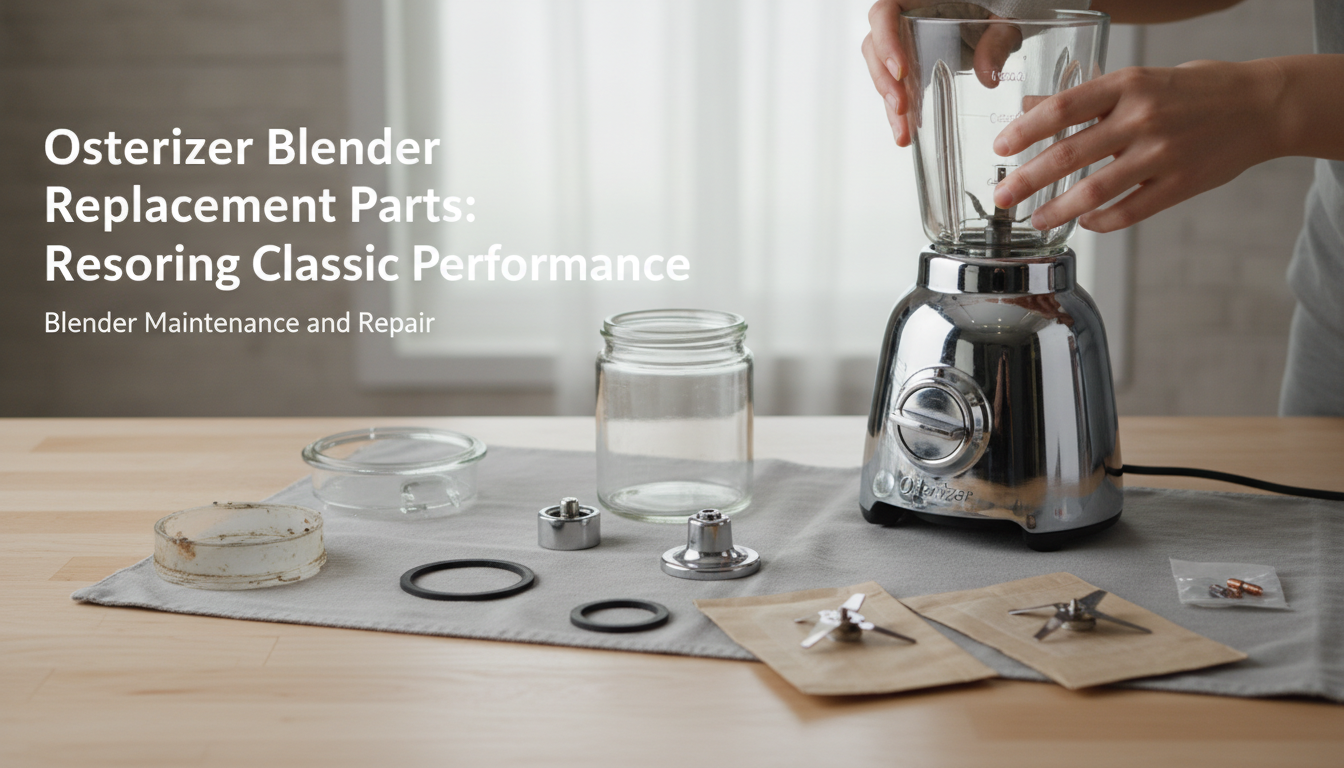
- Common Wear Items: Evidence suggests that replacement parts address common Oster blender issues such as worn blades and gears. Replacing these components can restore blender performance.
- Performance Restoration: Dull blades are a known cause of reduced blending efficiency; their replacement is indicated to restore optimal function.
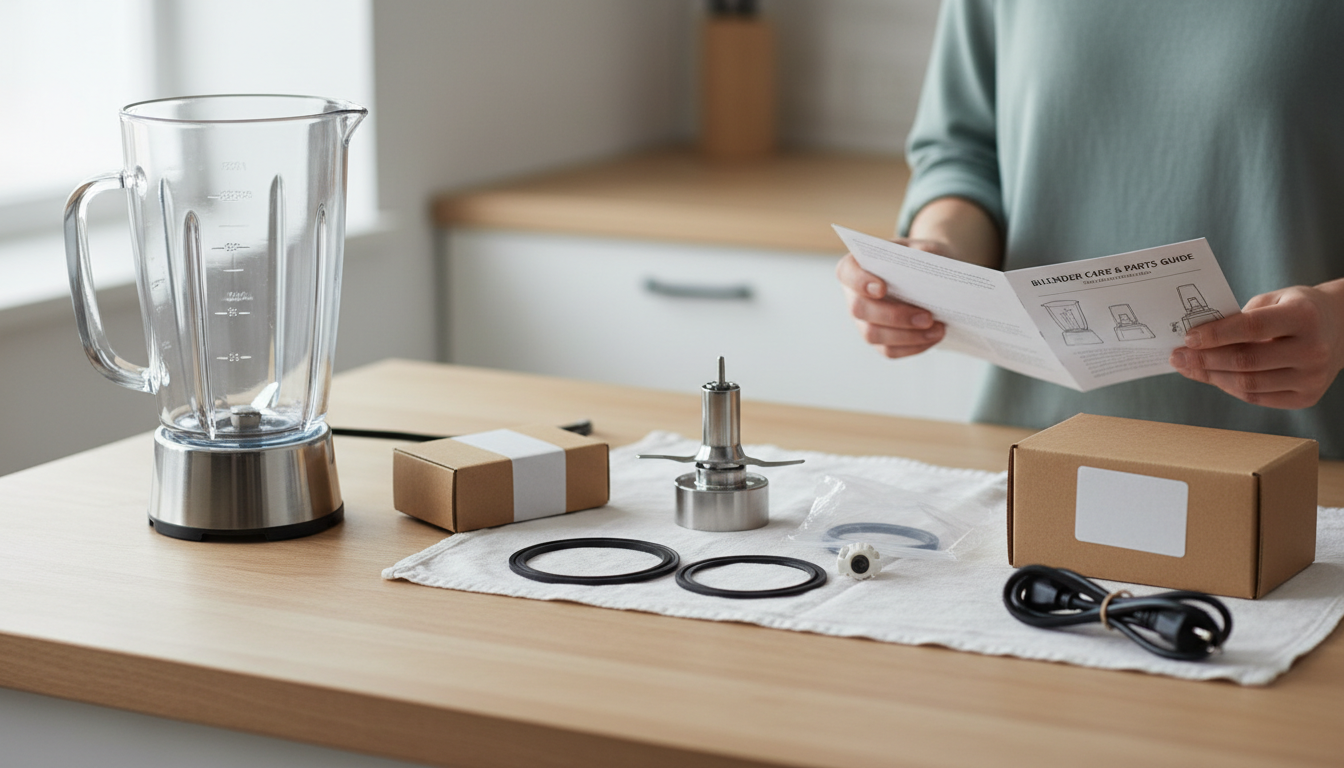
- Specific Components: Replacement kits frequently include essential parts like 4-point blades, blender jar bases, and seal gaskets, indicating their common need and availability.
- Third-Party Options: Beyond official channels, third-party manufacturers (e.g., Aulix) offer replacement parts kits compatible with Oster blenders.
-
Specification Limits and Compatibility:
- Model Specificity: Compatibility is a critical factor. Replacement parts are designed to fit specific Oster and Osterizer blender models.
- Physical Dimensions: For components such as blades and jar bases, compatibility often hinges on physical measurements, such as the outside diameter of the fitting. Buyers must verify these dimensions against their specific blender model.
- Part Type: While many parts are interchangeable across similar Oster models, variations exist (e.g., blade point count, material). Matching the exact part type to the original is crucial for proper fit and function.
-
Return Policy Considerations:
- Vendor-Specific: The return policy for Oster blender replacement parts is typically dictated by the specific vendor from whom the purchase is made. This could be Oster directly, a third-party retailer, or an online marketplace.
- Verification at Purchase: Buyers should confirm the return window, conditions (e.g., unused, original packaging), and any associated fees directly with the seller before finalizing a purchase.
- Customer Support: For direct inquiries regarding Oster appliances and parts, customer service contact numbers are available (e.g., 1-800-334-0759 for Oster Appliances), which can provide guidance on official part returns or warranty claims if applicable.
Blender-Replacement Use Case Ownership Experience
Maintaining an Oster blender through replacement parts directly influences its day-to-day utility and overall ownership satisfaction. Rather than viewing replacement parts solely as a fix for a broken appliance, consider them integral to a sustained, reliable blending experience. This perspective shifts the focus from repair to proactive upkeep, impacting daily use, operational comfort, and long-term maintenance.
-
Daily Use and Performance: A blender's core function relies on the integrity of its components. Dull blades, for instance, significantly reduce blending efficiency, leading to chunky smoothies or uneven purees. Replacing these worn parts, such as a blade assembly or a jar base, restores the blender's original performance. This means less time spent blending, smoother results, and consistent outcomes for routine tasks like morning shakes or meal prep. The availability of compatible parts ensures that a minor component failure doesn't render the entire appliance unusable, preserving its role in your daily kitchen routine.
-
Operational Comfort: Beyond pure functionality, the condition of a blender's parts contributes to the user's comfort. A worn-out gasket can lead to leaks, creating mess and frustration. A damaged jar base might cause instability or excessive noise during operation. Replacing these elements not only prevents such issues but also ensures a quieter, cleaner, and more stable blending process. The comfort stems from knowing your appliance will perform as expected without unexpected spills or jarring noises, making the blending experience more pleasant.
-
Proactive Maintenance and Longevity: Incorporating replacement parts into a regular maintenance schedule can significantly extend the lifespan of an Oster blender. Instead of waiting for a complete breakdown, periodically inspecting key components allows for timely intervention.
- Blades: Check for dullness, rust, or physical damage. Dull blades are a primary reason for reduced efficiency.
- Gaskets/Seals: Look for cracks, tears, or signs of wear that could lead to leaks.
- Jar Bases: Inspect for cracks or damage that might affect the blade assembly's fit or stability. Replacing these elements when they show signs of wear is a cost-effective alternative to purchasing a new blender. This approach minimizes waste and maximizes the investment in your existing appliance, reflecting a practical ownership strategy.
When considering Oster blender replacement parts, buyers often weigh their options against alternatives that range from generic components to entirely new appliances. This decision involves assessing cost, compatibility, long-term value, and specific usage needs. Understanding these trade-offs helps in determining whether investing in Oster-branded replacement parts is the most suitable path.
One primary alternative involves sourcing aftermarket or generic replacement parts designed to be compatible with Oster blenders. These options are frequently more budget-friendly than official brand parts. However, the trade-off often lies in variable quality and fit. While some third-party components may perform adequately, others might not meet the exact specifications of Oster's original design, potentially leading to suboptimal performance, increased wear on other components, or even premature failure. Compatibility can also be a challenge, as specific models and manufacturing years can have subtle differences not always accounted for by generic parts.
Another significant alternative is to replace the entire blender. This decision typically arises when multiple components are failing, the existing blender model is very old, or there's a desire for updated features and technology not available in the current unit. While a new blender represents a higher upfront cost, it eliminates the uncertainty of part compatibility and often comes with a new warranty. For an Oster blender with widespread issues beyond a single blade or gasket, a full replacement might offer a more reliable and satisfying long-term solution.
Consider Oster-specific replacement parts for these better-fit scenarios:
- Precise Compatibility: When maintaining the exact fit and performance of the original appliance is crucial, reducing the risk of leaks or inefficient blending.
- Targeted Repair: For addressing single, identifiable issues like a dull blade or a worn-out sealing gasket, where the rest of the blender remains in good condition.
- Warranty Considerations: To ensure continued adherence to any remaining manufacturer's warranty, as using non-official parts might void it.
- Known Model Reliability: If the existing Oster blender model has a proven track record and only requires minor component refreshment to extend its life.
However, certain factors can act as deal breakers for choosing Oster replacement parts:
- Excessive Repair Cost: When the cumulative cost of multiple replacement parts approaches or exceeds the price of a new, comparable blender.
- Obsolete Model Support: If the Oster blender model is so old that official replacement parts are difficult to find or have been discontinued.
- Desire for Upgrade: A need for enhanced features, increased power, or a different design that cannot be achieved by simply replacing parts on the current unit.
- Multiple System Failures: When the motor, housing, or other major components are compromised alongside minor parts, making a full replacement more practical.
Blender Replacement Parts Oster FAQ
Buyers evaluating Oster replacement parts often have specific questions regarding their value, available alternatives, and potential pitfalls. Addressing these common concerns can help clarify whether investing in specific components is the right decision for their appliance.
-
Is investing in Oster blender replacement parts a cost-effective choice? Yes, for many common issues, replacing specific components can be a cost-effective way to extend your Oster blender's lifespan. Parts like dull blades, worn gaskets, or damaged jar bases are typically less expensive than purchasing a new blender. Replacing these components can restore blending efficiency and prevent leaks, ensuring the appliance performs as intended without the higher investment of a full unit replacement.
-
What are the alternatives to purchasing official Oster replacement parts? When considering replacement parts for an Oster blender, buyers generally have two main alternatives:
- Third-Party or Aftermarket Parts: Several manufacturers produce compatible parts designed for Oster blenders. These can sometimes offer a lower price point but require careful verification of compatibility and quality. Some kits, such as those from Aulix, are marketed as compatible, but performance and durability may vary compared to original specifications.
- Purchasing a New Blender: If multiple critical components are failing, or the combined cost of replacement parts approaches that of a new entry-level blender, replacing the entire appliance might be a more practical decision. This option provides a new warranty and potentially updated features.
-
What common mistakes should I avoid when buying Oster blender replacement parts? To ensure a successful replacement and avoid frustration, consider these common pitfalls:
- Incorrect Model Identification: Oster produces various blender models, and parts are not universally interchangeable. Always verify your specific blender's model number and compare it against the part's compatibility list. Key components like blades and jar bases often have specific dimensions (e.g., outside diameter) that must match.
- Ignoring Signs of Underlying Wear: Before replacing a single part, inspect the entire assembly. For example, if a blade is dull, also check for rust or damage to the blade assembly itself, or wear on the drive components, as these can indicate broader issues.
- Compromising on Quality Without Due Diligence: While aftermarket parts can be appealing due to price, selecting them solely on cost without checking reviews or material specifications can lead to poor fit, reduced performance, or premature failure. Ensure the replacement part's specifications, such as the number of blade points or gasket dimensions, align with your original part.
Oster-Blender-Parts-Pick buy-or-skip verdict
For existing owners of Oster blenders, investing in replacement parts generally presents a practical "buy" scenario. The brand's established presence and the availability of components like blades, gaskets, and jar bases support a repair-oriented approach. This decision is particularly sound when specific wear-and-tear issues, such as dull blades reducing blending efficiency or worn gears impacting motor function, are identified. Replacing these targeted parts can effectively restore performance and extend the appliance's useful life without the higher cost of a complete unit replacement.
However, a "skip" or re-evaluation is warranted under certain conditions. If the primary motor unit of your Oster blender is failing, or if the cumulative cost of multiple necessary replacement parts approaches or exceeds the price of a new entry-level blender, a full replacement might be a more economically sensible choice. Similarly, if your blender is an older or less common model for which parts are scarce or significantly marked up, the effort and expense of sourcing components may not justify the repair.
To make an informed decision:
- Confirm Compatibility: Always verify the specific model number of your Oster blender to ensure precise part compatibility.
- Assess Damage Extent: Determine if the issue is isolated to a few replaceable components or indicative of broader internal failure.
- Compare Costs: Price out the necessary replacement parts and weigh that against the cost of a new blender with comparable features.
If you decide to proceed, your next action should be to identify the exact part numbers required and then explore reputable sources for purchase. This typically includes the official Oster website for direct support, or established online retailers that offer both genuine and compatible third-party options.