Braun Blender Replacement Parts: Ensuring Long-Term Performance and Reliability
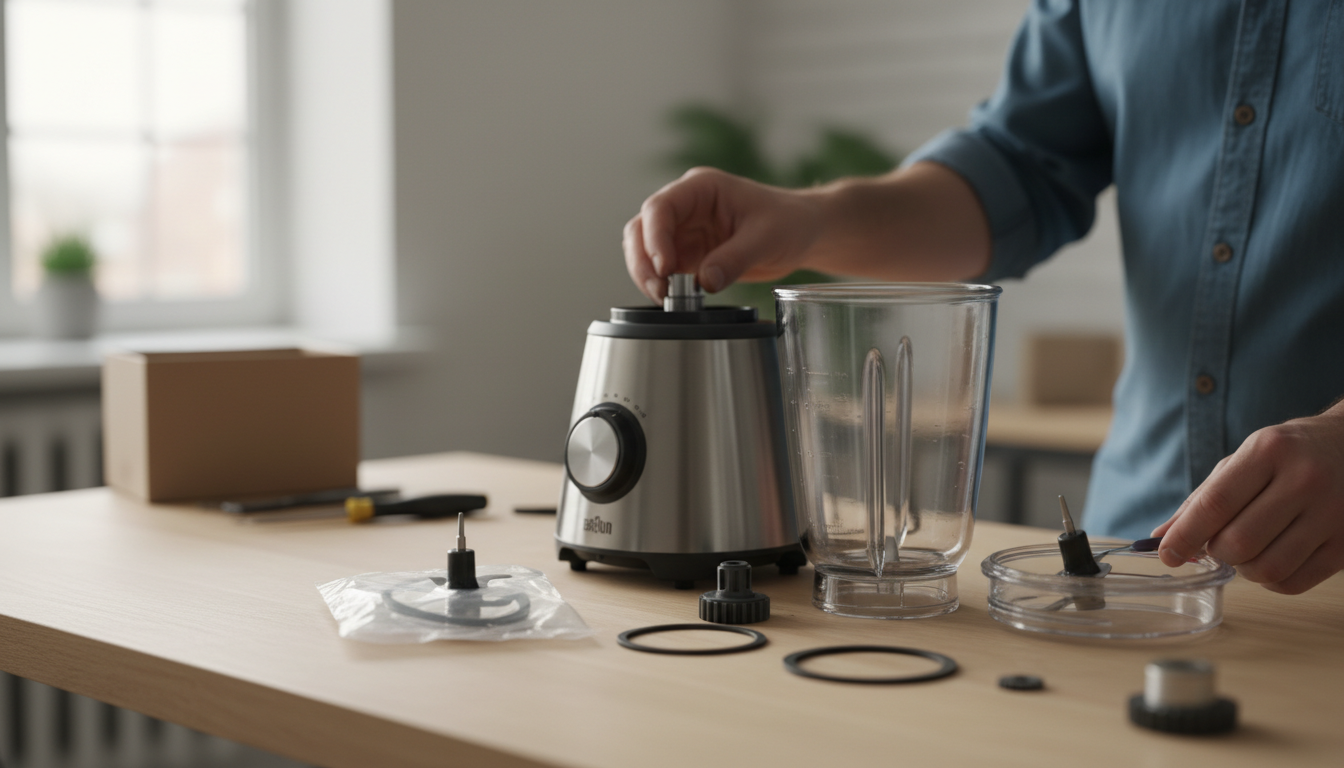
Revitalizing Your Braun Blender: A Guide to Replacement Parts
Extending the life of your Braun blender through strategic part replacement offers a cost-effective and environmentally conscious alternative to purchasing a new appliance. Rather than discarding a perfectly functional motor base due to a single worn component, replacing specific parts can restore your blender's performance. Common issues like dull blades, cracked jars, or worn gaskets often diminish blending efficiency, but are readily solvable with the right replacement.
This guide empowers Braun blender owners to confidently identify, locate, and purchase the correct replacement parts. We will cover essential criteria for ensuring compatibility, evaluating durability, and navigating various sourcing options, including official channels and third-party vendors. Understanding these aspects helps mitigate common challenges, such as finding the exact fit for your model and assessing the quality of available components, ultimately supporting an informed decision to extend your appliance's lifespan.
Pinpointing Your Model: How to Identify the Right Braun Blender Part
Accurately identifying your Braun blender's model number is the foundational step in securing the correct replacement part. Without this crucial information, the risk of purchasing an incompatible component significantly increases, potentially leading to wasted time, money, and frustration. Even minor model variations can result in parts that do not fit, function improperly, or compromise the blender's safety and performance.
To ensure a precise match, begin by locating your blender's model number. This alphanumeric code is typically found in several key locations:
- Appliance Base: Turn your blender over and look for a sticker or engraved label on the underside of the motor base. This is the most common location for model information.
- User Manual: If you still have the original instruction manual, the model number will be prominently displayed on the cover or within the specifications section.
- Original Packaging: Should you retain the box, the model number is usually printed on one of the panels.
Once you have the model number, clearly define the specific component requiring replacement. Braun blenders utilize various parts, each designed for a particular function and often unique to certain models or series. Common replacement parts include:
- Blade Assembly: The cutting unit, which can dull or break over time.
- Blender Jar/Pitcher: The main container, prone to cracking or wear.
- Gasket/Seal: Rubber or silicone rings that prevent leaks, often found at the base of the blade or lid.
- Coupling Pin/Gear: The drive mechanism that connects the motor base to the blade assembly, susceptible to wear.
- Lid: Can crack or lose its sealing ability.
Matching both the exact model number and the specific part type is paramount. For example, a blade assembly for a Braun Multiquick 5 series blender may not fit a Multiquick 7 series, even if they appear similar. Relying solely on visual approximation without confirming the model number can lead to an incorrect purchase, rendering the replacement part unusable and requiring further effort to return or reorder.
Common Braun Blender Replacement Parts and Their Functions
Once your Braun blender's model is identified, understanding which components are most prone to wear and their specific roles can guide your replacement efforts. Certain parts experience more stress or interaction during blending, making their eventual replacement a key factor in maintaining performance and extending the appliance's lifespan.
-
Blades and Blade Assemblies: These are central to the blender's function, responsible for chopping, crushing, and emulsifying ingredients.
- Types: Braun blenders often feature various blade configurations, from multi-level stainless steel designs for general blending to specialized attachments for specific tasks. Hand blenders, for instance, typically have an immersion blending shaft with integrated blades.
- Wear Signs: Over time, blades can become dull, develop nicks, or show signs of rust. The bearing mechanism within the blade assembly might also wear, leading to increased noise, vibration, or difficulty in rotation.
- Impact on Blending: Worn blades result in inefficient processing, leaving behind larger chunks, requiring longer blending times, and potentially straining the motor.
- When to Replace: Consider replacement when blending results are consistently unsatisfactory, or if the blade assembly exhibits visible damage or excessive play.
-
Blender Jars/Pitchers: The container holds ingredients during blending and endures significant physical stress.
- Common Damage: Cracks, chips, cloudiness from repeated use and cleaning, or even breakage from impacts are common. Handles can also detach or crack. Leaks are a clear indicator of damage.
- Material Considerations: Braun offers jars in various materials, typically plastic (like Tritan) or glass. Plastic offers durability and lighter weight, while glass provides scratch resistance and does not absorb odors, though it is more susceptible to breakage from drops or thermal shock.
- When to Replace: Any visible damage that compromises structural integrity, causes leaks, or raises concerns about hygiene or food safety warrants replacement.
-
Gaskets and Seals: These small but critical components ensure a leak-proof operation.
- Importance: Gaskets, often made of rubber or silicone, create a tight seal between the blade assembly and the jar, or within the lid, preventing liquids from escaping during blending.
- Signs of Wear: Over time, gaskets can harden, crack, stretch, or become discolored, losing their elasticity and sealing capability.
- When to Replace: Immediate replacement is necessary at the first sign of leakage or visible degradation of the material to prevent messes and potential damage to the motor base.
-
Other Accessories (e.g., Whisks, Coupling Pins): Many Braun blenders, particularly hand blenders and multi-functional sets, include specialized attachments.
- Whisks: Often found with Braun hand blenders (e.g., HM3000, HM4644, HM5100, HM1010), whisks are used for aerating, beating, and stirring. Wear signs include bent or detached wires, or difficulty connecting securely to the motor unit.
- Coupling Pins: These small pins, sometimes referred to as drive shafts or gears, connect accessories like choppers or whisks to the motor unit, transferring power. Models like the MQ7945X hand blender may rely on robust coupling mechanisms. Wear can manifest as stripping, breakage, or an inability to properly engage with the accessory, leading to a loss of function.
- Specific Uses: These parts extend the versatility of your blender, allowing it to perform tasks beyond basic blending.
- When to Replace: If an accessory no longer attaches securely, fails to operate as intended, or shows visible signs of damage, replacement is advisable to restore full functionality to your appliance.
Where to Find Authentic and Compatible Braun Blender Replacement Parts
Once you've identified the specific part and model number, the next step is to locate a reliable source for your Braun blender replacement. The choice of vendor can significantly impact part authenticity, price, shipping speed, and customer support. Each channel presents distinct advantages and considerations, requiring careful evaluation to ensure you acquire the correct and durable component.
-
Official Braun/De'Longhi Parts Website: Purchasing directly from the manufacturer's official parts website offers the highest assurance of authenticity and precise compatibility. These parts are designed to meet Braun's specifications, often come with direct support, and are less likely to be counterfeit. However, official channels may have higher prices, and availability for older or less common models can be limited. Customer service experiences can also vary, so reviewing their FAQ or contact options before purchase is advisable.
-
Major Online Retailers (e.g., Amazon): Platforms like Amazon host a vast selection of Braun blender replacement parts, including both genuine and third-party compatible options. These sites often provide competitive pricing, diverse shipping choices, and customer reviews that can offer insights into product quality and seller reliability. When browsing, pay close attention to "compatible with" listings and verify the seller's reputation. The sheer volume of options necessitates diligent cross-referencing with your blender's model number to avoid purchasing an incorrect item.
-
Online Marketplaces (e.g., eBay, AliExpress): For discontinued or harder-to-find Braun blender parts, online marketplaces can be valuable resources. These platforms often feature individual sellers offering new, used, or refurbished components, sometimes at lower prices. While they can be a source for rare items, the risk of encountering counterfeit products, varying quality, and less robust return policies is higher. Always scrutinize seller ratings, product descriptions, and images carefully. Be prepared for potentially longer shipping times, especially from international vendors.
Regardless of the source, always consider the total cost, including shipping fees, which can fluctuate significantly between platforms and sellers. Additionally, thoroughly review the seller's return policy before finalizing a purchase. Understanding these factors will help you make an informed decision and confidently acquire the right replacement part for your Braun blender.
Making Informed Choices: Key Criteria, Durability, and Customer Support for Braun Parts
Once you have precisely identified your Braun blender model and the specific part needed, the next step involves evaluating the replacement options. This critical stage requires careful consideration of several factors to ensure your purchase not only fits but also offers reliable performance and value, especially given potential challenges with part durability and customer support.
Here are key criteria to guide your decision:
- Reconfirm Compatibility: Even with your model number, always cross-reference the part's description with your blender's specifications. Small variations in model series (e.g., MQ5000 vs. MQ7000) can mean parts are not interchangeable, leading to a non-functional fit.
- Material Quality and Construction: The longevity of a replacement part often hinges on its materials. For components like whisks or blades, look for descriptions specifying durable materials such as stainless steel, which resists corrosion and wear better than lesser alternatives. For plastic components, consider the density and finish, as these can indicate resilience.
- Authenticity vs. Third-Party:
- Authentic Braun Parts: These are manufactured by or for Braun, ensuring exact fit and adherence to original specifications. The trade-off is often a higher price point.
- Third-Party 'Compatible' Parts: These are produced by other manufacturers designed to fit Braun models. They can be more affordable but may vary in material quality, precise fit, and overall durability. Performance might not perfectly match original parts, and their use could potentially void any remaining warranty on your blender's motor base.
- Customer Reviews and Ratings: Before purchasing, consult user reviews specific to the replacement part. These offer practical insights into a part's actual fit, durability, and common issues. Look for consistent feedback regarding ease of installation, material quality, and how long the part lasted for other users.
- Cost Versus Remaining Lifespan: Evaluate the price of the replacement part against the overall condition and expected remaining lifespan of your blender. If multiple components are failing or the motor shows signs of wear, investing significantly in one part might not be the most economical choice.
Navigating Durability and Support Challenges
Some Braun blender owners have reported durability issues with certain accessories. For instance, problems with accessories for the Braun MQ7945X blender have been noted within two years of purchase, suggesting that even original parts can sometimes exhibit wear sooner than expected. This makes the evaluation of material quality and reading reviews even more crucial.
Furthermore, some users have encountered challenges with Braun's customer service when seeking replacement parts, including a lack of response to inquiries. This can complicate the process of obtaining authentic parts or resolving issues with a purchase.
To mitigate these risks:
- Vet the Seller: When purchasing from third-party retailers or online marketplaces, prioritize sellers with high ratings and a history of positive customer feedback.
- Understand Return Policies: Always confirm the seller's return policy before buying. A clear and reasonable return process is essential in case the part doesn't fit or is defective.
- Consider Alternative Sourcing: Beyond official channels, reputable online marketplaces (such as Amazon, eBay, or AliExpress) often carry a range of compatible and sometimes authentic Braun parts. Exercise due diligence by checking seller reputation and product reviews on these platforms.
Extending the Lifespan: Care and Maintenance Tips for Your Braun Blender and Its Parts
Proper care and routine maintenance are crucial for maximizing the longevity of your Braun blender and its individual components, including any newly acquired replacement parts. Proactive measures can prevent premature wear, maintain blending efficiency, and delay the need for future replacements, ensuring your appliance remains reliable for years.
-
Thorough Cleaning Practices
- Jars: Immediately after use, rinse the jar with warm water. For more thorough cleaning, fill the jar halfway with warm water, add a drop of dish soap, and run the blender on a low setting for 10-20 seconds. Rinse thoroughly and air dry to prevent water spots and odors. Check your model's manual for dishwasher compatibility, as high heat can sometimes degrade plastics over time.
- Blades: Handle blade assemblies with caution due to their sharpness. Detach the blade unit from the jar if your model allows, and rinse it under running water immediately after use. Use a small brush (like a bottle brush or old toothbrush) to clean around the blades and crevices, ensuring no food particles remain trapped. Ensure the blade assembly is completely dry before storage to prevent rust or mineral buildup.
- Gaskets: Remove gaskets from the blade assembly or lid after each use. Wash them separately with warm, soapy water to remove any food residue or oils. Inspect them for stickiness or discoloration. Allow gaskets to air dry completely before reassembling to prevent mold growth and maintain their elasticity.
-
Avoiding Common Usage Errors
- Do not overload: Respect the maximum fill lines indicated on your blender jar. Overfilling can strain the motor and blade assembly, leading to overheating and premature wear.
- Add liquids first: When blending solids, especially frozen ingredients or ice, always add sufficient liquid to facilitate smooth blending and reduce stress on the blades.
- Avoid running dry: Operating the blender without any contents or with insufficient liquid can cause the motor to overheat and the blades to wear down rapidly.
- Vent hot liquids: If blending hot ingredients, ensure the lid has a removable cap or vent to allow steam to escape. Blending hot liquids in a sealed container can create pressure buildup, potentially dislodging the lid and causing spills or damage.
-
Optimal Storage Recommendations
- Clean and dry: Always store your blender and its parts clean and completely dry. This prevents bacterial growth, odors, and potential corrosion of metal components.
- Proper assembly: Store the jar with the blade assembly and gasket either loosely assembled or completely disassembled to allow air circulation and prevent gaskets from compressing or sticking over time.
- Protect from impacts: Store the blender in a stable location where it is unlikely to be knocked over or have heavy objects fall on it, which could crack the jar or damage other components.
-
Regular Inspection for Wear
- Blades: Periodically examine the blades for signs of dullness, nicks, cracks, or looseness. Dull blades will struggle to blend efficiently, while cracks can compromise safety and performance.
- Jars: Check the jar for any hairline cracks, cloudiness, or excessive scratching, especially near the base where it connects to the blade assembly. These can indicate material fatigue or weakness.
- Gaskets: Inspect gaskets for tears, cracks, stiffness, or a loss of elasticity. A compromised gasket can lead to leaks or an improper seal, affecting blending performance and potentially damaging the motor base.
- Coupling/Drive Gear: Examine the plastic or rubber coupling on the motor base and the corresponding gear on the blade assembly for signs of wear, such as stripped teeth or excessive friction marks. Addressing these early can prevent more significant motor damage.
Frequently Asked Questions About Braun Blender Replacement Parts
Navigating the world of replacement parts can raise several questions for Braun blender owners. Understanding these common queries can help clarify the process and ensure a more confident purchase.
-
How do I find my Braun blender model number? The model number is crucial for ensuring compatibility. It is typically located on the underside of the blender's motor base, often printed on a sticker or engraved directly into the plastic. You may also find it in your appliance's original user manual or on its packaging. Look for an alphanumeric code, often starting with "MQ" for Multiquick series or other specific series identifiers.
-
Are third-party replacement parts as good as original Braun parts? The quality of third-party replacement parts can vary significantly. While original Braun parts are designed to meet specific manufacturing standards and ensure a precise fit, third-party alternatives are often more affordable. Some third-party parts may perform comparably, but others might have differences in material quality, durability, or exact fit, potentially affecting performance or longevity. It's essential to evaluate seller reputation and read reviews when considering non-original components.
-
What are the most common parts that need replacing? Over time, certain Braun blender components experience more wear and tear due to regular use. The most frequently replaced parts include:
- Blades/Blade Assemblies: These can become dull, bent, or damaged, impacting blending efficiency.
- Jars/Pitchers: Cracks, cloudiness, or leaks often necessitate replacing the main blending container.
- Gaskets and Seals: These rubber or silicone components can degrade, leading to leaks or improper sealing.
- Coupling Gears/Drive Sockets: The small plastic or metal gears that connect the motor to the blade assembly can wear down or strip.
-
Where can I get help if I can't find a specific part? If you're struggling to locate a particular Braun blender part, several avenues can provide assistance:
- Official Braun Support: Check the official Braun Household website for a dedicated parts section or contact their customer service directly. They can often guide you to authorized distributors or service centers.
- Authorized Service Centers: Braun typically partners with authorized repair centers that stock genuine parts.
- Online Marketplaces: Websites like eBay, Amazon, and AliExpress feature numerous sellers offering both original and third-party Braun blender parts. Use your exact model number when searching.
- Appliance Parts Retailers: Specialized online and brick-and-mortar stores that focus on appliance parts may have access to a wider inventory.
-
What should I do if my Braun blender part breaks shortly after replacement? If a newly replaced part fails prematurely, take the following steps:
- Review Purchase Documentation: Check the return or warranty policy from where you purchased the part. Most reputable sellers offer a short-term guarantee.
- Contact the Seller: Reach out to the vendor or manufacturer with your purchase details, including the order number, date of purchase, and a description of the issue. Provide photos or videos if possible.
- Document the Failure: Keep records of all communication and any evidence of the part's failure.
- Check for Installation Errors: Briefly review the installation process to ensure the part was fitted correctly, as improper installation can sometimes lead to early failure.
Making an Informed Decision for a Fully Functional Braun Blender
Ultimately, the longevity of your Braun blender hinges on two critical steps: precise model identification and diligent sourcing of replacement parts. By understanding your specific blender model and carefully evaluating potential suppliers, you mitigate risks associated with compatibility and part quality. This informed approach ensures that any replacement component you choose will integrate seamlessly and perform reliably.
Armed with this knowledge, you are now equipped to confidently select and purchase the necessary components to restore your Braun blender's full functionality. Investing in the right replacement parts not only brings your appliance back to peak performance but also underscores a commitment to sustainable ownership. This proactive maintenance extends your blender's lifespan, offering continued utility and value for years to come.
More in Blender Replacement Parts
View All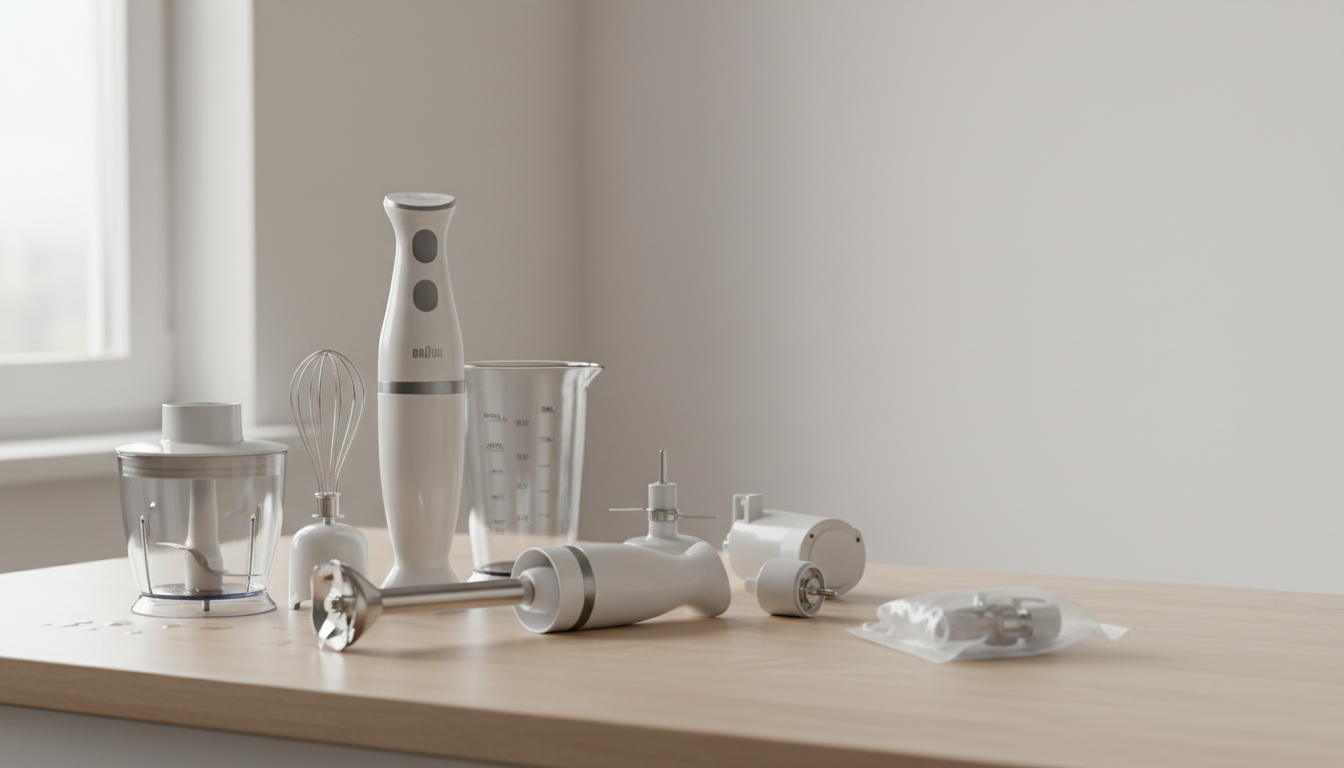
Braun Hand Blender Replacement Parts: Essential for Immersion Blending Tasks
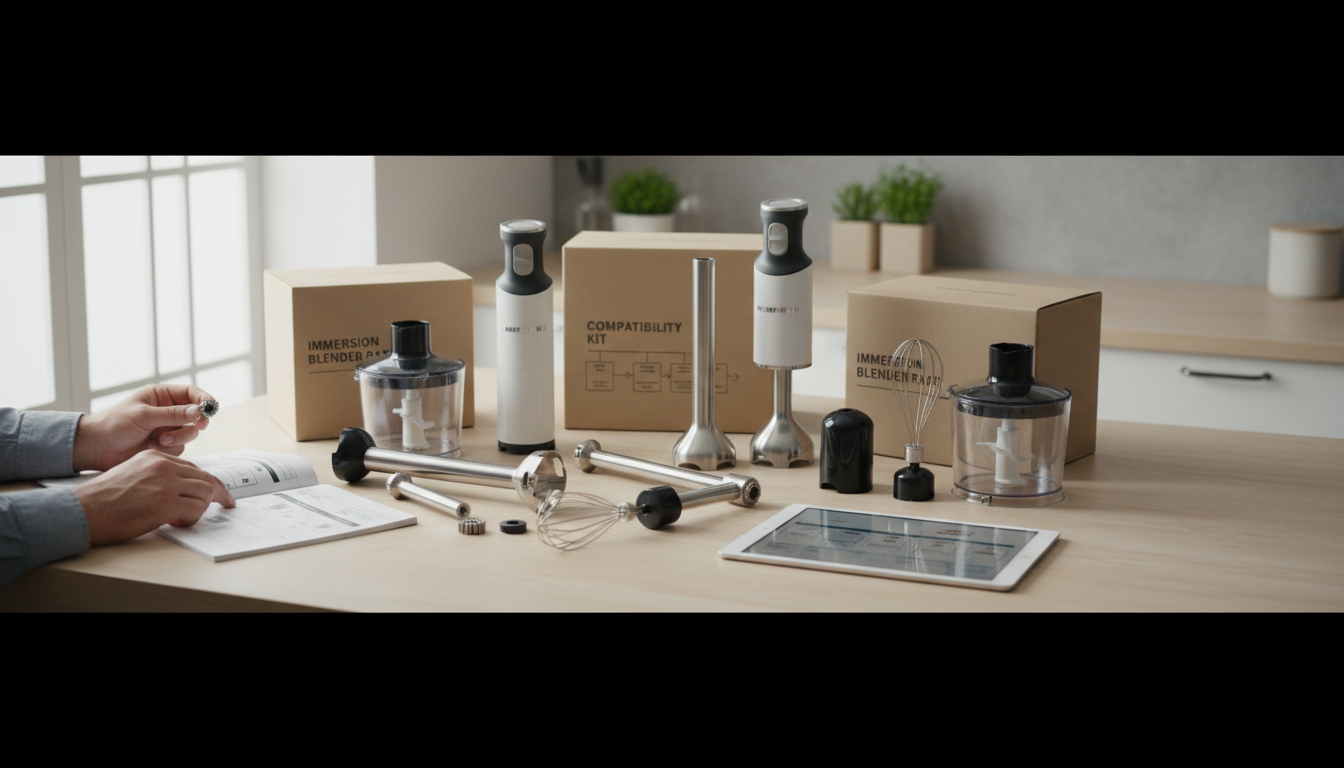
Finding the Right Immersion Blender Replacement Parts: A Compatibility Guide