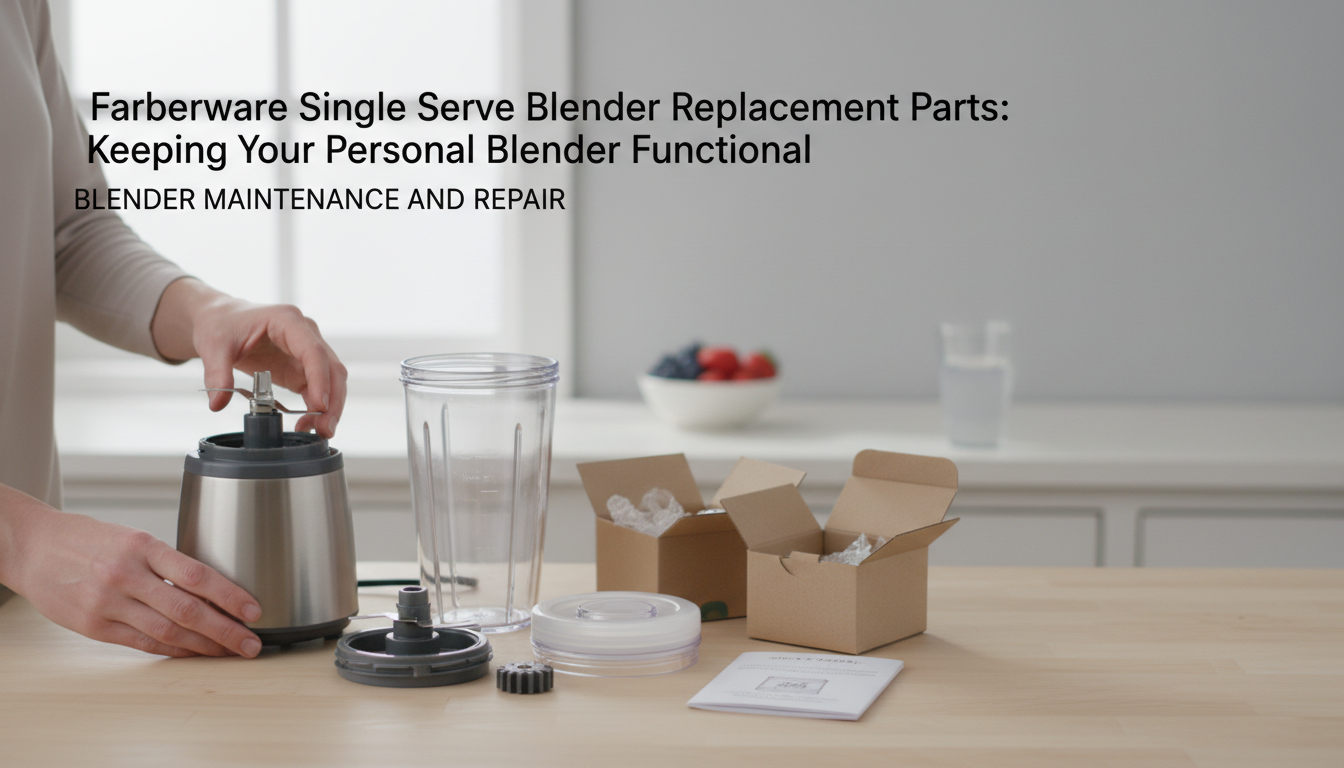
Ninja Bullet Blender Replacement Parts: Restoring Your Compact Blender's Performance
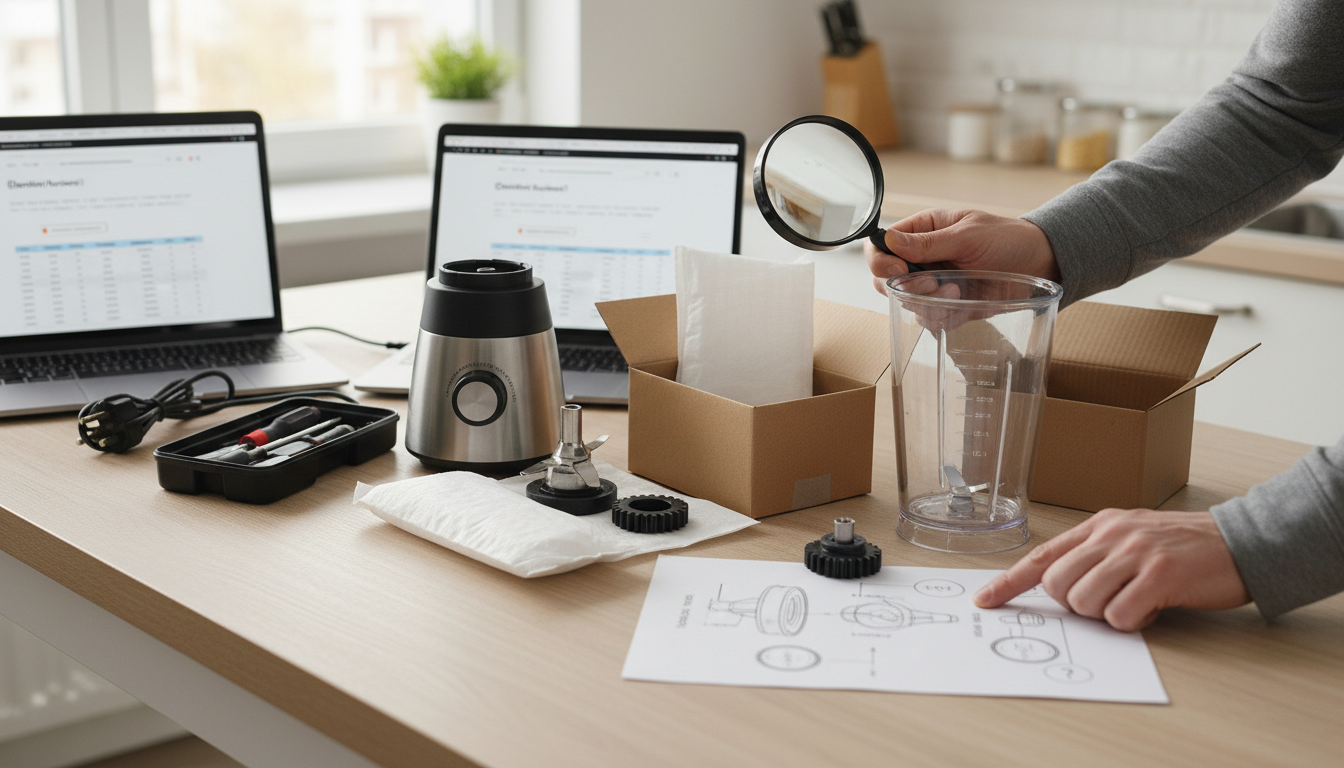
Revitalize Your Blend: A Guide to Ninja Bullet Blender Replacement Parts
The Ninja Bullet blender, celebrated for its compact footprint and powerful single-serve blending capabilities, has become a kitchen essential for many. Its design prioritizes convenience, making daily smoothies, sauces, and purees quick and accessible. However, consistent use can lead to wear and tear on components, gradually impacting performance. Rather than replacing a beloved appliance, strategic part replacement offers a practical path to renewed functionality and extended lifespan.
Common issues that can diminish your Ninja Bullet's efficiency often stem from:
- Dull or damaged blades: Reducing blending power and leaving chunky results.
- Leaky gaskets or seals: Leading to messy spills and potential motor strain.
- Cracked or cloudy blending cups: Compromising safety and visual clarity.
- Worn drive gears: Preventing proper engagement between the base and blade assembly.
This guide aims to empower Ninja Bullet owners by providing clear, evidence-oriented information. We will help you confidently identify the correct replacement parts for your specific model, understand crucial buying criteria like compatibility and quality, navigate purchasing options, and avoid common pitfalls to successfully repair your blender and restore its optimal performance.
Identifying the Right Replacement: Key Ninja Bullet Components
Restoring your Ninja Bullet blender's performance begins with accurately identifying the specific part that requires replacement. Each component plays a vital role in the blending process, and recognizing signs of wear or damage is crucial for effective diagnosis. Before sourcing any part, locating your Ninja Bullet blender's exact model number is paramount, as compatibility is often model-specific. This number is typically found on the bottom of the motor base and ensures you purchase a part designed to fit and function correctly with your appliance.
Understanding the common components and their unique characteristics will guide your selection:
-
Extractor Blades
- Function: These are the primary cutting and pulverizing mechanisms. They are designed to break down ingredients by rapidly spinning at high speeds, creating the vortex necessary for smooth blends.
- Signs of Wear/Damage: Reduced blending efficiency (chunky results), dull or visibly damaged blade fins, unusual grinding noises from the blade assembly, or leaks from the blade's base during operation. A compromised gasket within the blade assembly can also lead to leaks.
- Visual Identification: Pay close attention to the number of fins on the blade (e.g., 6-fin or 7-fin designs are common) and their orientation. Also, observe the type of threading or connection mechanism that attaches the blade to the motor base. These details are critical for compatibility.
-
Blending Cups/Jars
- Function: These containers hold your ingredients during blending and often serve as portable drinking cups. They are designed to withstand the forces of blending while providing a secure seal.
- Signs of Wear/Damage: Visible cracks, cloudiness or discoloration that won't wash away, persistent odors, or a compromised seal that leads to leaks when attached to the blade assembly or motor base.
- Visual Identification: Note the cup's capacity (e.g., 16 oz, 24 oz, 32 oz, or larger) and the specific design of the lip and threading that connects to the extractor blade assembly. Different Ninja Bullet models may use varying cup designs and sizes.
-
Lid Assemblies
- Function: Lids provide a secure seal for the blending cup, preventing spills during blending and allowing for convenient storage or on-the-go consumption.
- Signs of Wear/Damage: A loose or insecure fit, broken or missing tabs, a compromised rubber gasket that leads to leaks, or difficulty in opening and closing the spout if it's a sip-and-seal design.
- Visual Identification: Lids are often specific to the design and size of the blending cup. Confirm the type of lid (e.g., storage lid, sip-and-seal lid) and ensure its diameter and attachment mechanism match your existing cup.
Compatibility is Key: Matching Parts to Your Ninja Bullet Model
For any Ninja Bullet blender repair, ensuring exact compatibility is the foundational step for both safety and performance. These blenders are engineered with precise tolerances; even a slight mismatch in a replacement part can lead to significant operational issues or even damage. Prioritizing compatibility helps maintain the integrity of your appliance and ensures a safe blending experience.
The risks associated with using incompatible parts are substantial and can include:
- Blender Damage: Incorrectly fitting blades can strip the drive gear on the motor base or cause excessive strain, leading to premature motor failure.
- Leaks and Spills: Gaskets or cups that don't seal properly will result in messy leaks, potentially damaging the motor or creating an electrical hazard.
- Poor Blending Performance: Blades with the wrong fin count or design may not create the necessary vortex, leading to inefficient blending and chunky results.
- Safety Hazards: Parts that aren't securely attached can detach during operation, posing a risk of injury from spinning blades or flying components.
To confidently verify compatibility for your Ninja Bullet model, follow these steps:
- Locate Your Blender's Model Number: This is the most crucial piece of information. The model number (e.g., BL480, BL642, CT680) is typically found on a sticker on the bottom of your Ninja Bullet motor base. "Ninja Bullet" refers to a product line, not a singular model, so the specific alphanumeric code is essential.
- Identify the Specific Part Needed: Determine precisely which component requires replacement—whether it's an extractor blade, a blending cup, a lid, or a gasket. Note any distinguishing features, such as the number of fins on the blade assembly (e.g., 6-fin, 7-fin) or the capacity of the cup (e.g., 16 oz, 24 oz, 32 oz).
- Cross-Reference with Product Descriptions: When viewing replacement parts online or in stores, carefully read the "compatible with" or "fits models" section of the product description. This list should explicitly include your Ninja Bullet's model number. Do not assume compatibility based on visual similarity alone.
- Check Part Numbers (If Available): Some official replacement parts may have a specific manufacturer part number. If you have the original part, look for this number and try to match it with the replacement part's description.
- Visual Inspection: Once you've narrowed down options by model number, compare images of the replacement part with your existing component. Pay close attention to details like threading, gasket placement, and overall shape to catch any subtle differences.
When sourcing replacement parts, you'll generally encounter two categories: Original Equipment Manufacturer (OEM) parts and third-party compatible parts.
- OEM Parts: These are manufactured by Ninja (or their authorized suppliers) and are identical to the components originally included with your blender. They offer the highest assurance of a perfect fit, material quality, and intended performance. However, they can be more expensive and may have limited availability for older models.
- Third-Party Compatible Parts: These are produced by other manufacturers designed to fit Ninja Bullet blenders. They are often more affordable and widely available. The quality of third-party parts can vary significantly; some may perform comparably to OEM, while others might have differences in material durability, fit precision, or blending efficiency. When considering third-party options, research the seller's reputation and look for reviews specifically mentioning compatibility and longevity with your exact Ninja Bullet model.
Evaluating Quality and Durability: What Makes a Good Replacement Part?
When selecting replacement parts for your Ninja Bullet blender, assessing quality and durability is paramount to ensure your repair lasts and performs optimally. The market offers a range of options, and understanding the indicators of a well-made component can help you navigate mixed reviews and make an informed choice. Poor-quality parts can lead to premature failure, inefficient blending, and even potential damage to your blender's motor base.
Key aspects to consider for various components include:
-
Material Composition:
- Blades: High-grade stainless steel is essential for extractor blades. This material resists corrosion and maintains sharpness over time. Ensure the blade assembly's base is robust, as this connects to the motor.
- Cups: Look for cups made from durable, BPA-free plastic. This ensures food safety and resistance to cracking, clouding, or absorbing odors. The plastic should feel substantial, not flimsy.
- Gaskets and Seals: These critical components should be made from food-grade rubber or silicone. Their flexibility and resilience are vital for creating a leak-proof seal between the cup and the blade assembly, and between the blade assembly and the motor base.
-
Blade Assembly Integrity:
- Sharpness and Construction: While all new blades appear sharp, examine the overall construction. The individual fins should be securely attached, and the entire assembly should feel solid. The number of fins (e.g., 6-fin, 7-fin) should match your original part for optimal performance.
- Bearing Quality: The bearing within the blade assembly allows the blades to spin smoothly. A quality bearing will rotate freely without grinding or excessive wobble. A compromised bearing can lead to increased friction, noise, and eventual motor strain.
-
Cup Durability and Fit:
- Crack Resistance: Beyond material, consider the cup's wall thickness. Thicker walls generally offer better resistance to impact and thermal shock from blending various ingredients.
- Threading Quality: The threading on the cup must be precise and clean to ensure a secure, leak-free connection with the blade assembly. Poorly molded threads can cross-thread or fail to create a tight seal, leading to spills.
-
Gasket and Seal Effectiveness:
- Robustness: Gaskets and seals are often overlooked but are crucial for preventing leaks. A good seal will be pliable yet firm, fitting snugly into its designated groove without stretching or deforming easily. Check for any visible imperfections or tears before installation.
-
Leveraging Product Information and User Experiences:
- Product Descriptions: Pay close attention to explicit claims about materials (e.g., "food-grade," "BPA-free," "high-carbon stainless steel"). Vague descriptions may indicate lower quality.
- User Reviews: While reviews can be mixed, look for patterns. Recurring complaints about specific issues like "leaks after a few uses," "blade dulls quickly," or "cup cracked easily" are strong indicators of potential durability problems. Conversely, consistent positive feedback regarding longevity and performance can signal a reliable product. Focus on reviews from users with similar Ninja Bullet models to yours.
Where to Purchase Reliable Ninja Bullet Replacement Parts
Once you've accurately identified the specific Ninja Bullet replacement part needed, the next critical step is to source it from a reliable vendor. The origin of your replacement part directly impacts its quality, compatibility, and ultimately, the restored performance and longevity of your blender. Navigating the various purchasing channels requires understanding their distinct advantages and potential drawbacks to ensure you invest in a genuine, functional component.
Consider these primary avenues when seeking Ninja Bullet replacement parts:
-
Official Brand Channels (Ninja/SharkNinja)
- Benefits: Purchasing directly from the manufacturer's website or their official support channels guarantees authenticity and precise compatibility with your Ninja Bullet model. These parts are typically Original Equipment Manufacturer (OEM) components, designed to meet the brand's specifications. They often come with direct warranty support, providing peace of mind.
- Considerations: Prices may be higher than third-party options, and stock for older or less common Ninja Bullet models might be limited. Shipping times can vary.
-
Authorized Online and Brick-and-Mortar Retailers
- Benefits: Retailers officially sanctioned by Ninja (such as major electronics stores or department stores) offer a balance of reliability and accessibility. They typically stock genuine parts, have established customer service, and may offer competitive pricing or faster local pickup options.
- Considerations: Their inventory might be less comprehensive than the official brand site, focusing on the most popular replacement parts. Availability can fluctuate.
-
Major Online Marketplaces (e.g., Amazon, eBay, Walmart)
- Benefits: These platforms provide the widest selection, including both OEM parts sold by authorized resellers and numerous third-party or aftermarket alternatives. Competition often leads to diverse price points, and user reviews can offer insights into product quality and seller reliability.
- Considerations: The primary risk here is encountering counterfeit or low-quality generic parts that may not fit correctly, perform poorly, or even pose a safety hazard. Careful vetting of the seller and product details is essential.
-
Specialized Appliance Parts Suppliers
- Benefits: Online and sometimes local specialized parts stores often carry a deep inventory of components for various appliance brands, including Ninja. They can be a good resource for hard-to-find parts, and their staff may possess specific product knowledge.
- Considerations: Prices and shipping costs can vary, and the focus might be more on functional compatibility than brand-specific aesthetics.
When purchasing from any channel, especially online marketplaces, diligence in vetting the seller is crucial. Look for high seller ratings, a significant number of positive reviews, and clear, detailed product descriptions that explicitly state compatibility with your specific Ninja Bullet model number. Avoid listings with vague descriptions, poor-quality images, or unusually low prices that might indicate a counterfeit.
Finally, always review the seller's return policy and understand their customer service options before completing a purchase. A clear return policy is vital in case the part is incompatible, defective, or not as described. Knowing you can easily return or exchange a part minimizes the risk of being stuck with an unusable component and ensures a smoother repair process for your Ninja Bullet blender.
Troubleshooting Common Issues with New Replacement Parts
Even after carefully selecting and installing new Ninja Bullet blender replacement parts, you might encounter unexpected issues. Understanding common post-installation problems and their solutions can help you quickly resolve them, ensuring your blender returns to optimal performance without unnecessary frustration. These steps focus on diagnosing and rectifying issues that may arise with recently replaced components.
- Leaking from the Blade Assembly or Cup Base
- Cause: The most frequent cause of leaks is an improperly seated gasket or a damaged seal. Even new gaskets can be creased during installation or have a manufacturing defect. A loose blade assembly can also allow liquid to escape.
- Solution:
- Re-seat Gasket: Remove the blade assembly, carefully inspect the rubber gasket for any twists, tears, or debris, and firmly re-seat it into its groove. Ensure it lies flat and evenly.
- Tighten Assembly: Confirm the blade assembly is securely screwed onto the blending cup. It should feel tight but avoid over-tightening, which can strip threads.
- Inspect for Defects: Examine the new gasket and the rim of the blending cup for any visible imperfections, cracks, or chips that could compromise the seal.
- Unusual Noises or Vibrations
- Cause: New noises often indicate a misalignment or improper fit of the blade assembly, or an issue with the drive gear if it was also replaced. A foreign object accidentally left in the cup can also cause grinding.
- Solution:
- Check Blade Alignment: Ensure the blade assembly is correctly aligned with the motor base's drive gear and locks into place without excessive force.
- Inspect Drive Gear: If you replaced the drive gear, verify it's securely attached and not wobbling. If only the blade was replaced, check the motor base's drive gear for wear that might be exacerbated by a new, stiffer blade.
- Clear Debris: Before blending, always visually inspect the cup and blade for any small objects.
- Poor Blending Results (e.g., Chunky Smoothies)
- Cause: While a new blade should improve performance, poor results might stem from an incorrect blade type for your model, a rare manufacturing defect in the blade, or an underlying motor issue not related to the new part.
- Solution:
- Verify Blade Type: Double-check that the number of fins and the overall design of the new blade match your original Ninja Bullet blade and your specific model's requirements.
- Ensure Proper Assembly: Confirm the cup and blade are fully engaged with the motor base, allowing the blade to spin freely and at full speed.
- Ingredient Loading: Ensure you're not overfilling the cup or using ingredients that are too large or dense for the blender's capacity, which can strain even new blades.
- Replacement Part Does Not Fit
- Cause: The most common reason for a part not fitting is incorrect model identification. Even slight variations between Ninja Bullet models can lead to incompatibility.
- Solution:
- Re-confirm Model Number: Carefully re-check the model number on the bottom of your Ninja Bullet motor base. Compare this directly with the compatibility information provided for the replacement part.
- Visual Comparison: Hold the new part next to the old, original part (if available) to visually compare dimensions, fin count (for blades), and connection points. Slight differences can prevent a proper fit.
When to Consider a Part Faulty
If, after thorough troubleshooting, an issue persists, and you've verified correct installation and model compatibility, the new replacement part itself may be faulty. Visible defects such as cracks, bent fins, or improperly molded plastic on the new part are clear indicators. In such cases, contact the seller for a return or exchange, providing details of the issue and your troubleshooting steps.
Importance of Proper Installation and Maintenance
The longevity and performance of any new replacement part are significantly influenced by correct installation and ongoing maintenance. Always refer to any installation instructions provided with the part or your Ninja Bullet blender's user manual. After installation, regular cleaning of the blade assembly and cups, ensuring gaskets are free of food residue, and avoiding abrasive cleaning methods will help preserve the integrity of your new components.
Frequently Asked Questions About Ninja Bullet Replacement Parts
Understanding the nuances of replacement parts can help you make informed decisions and extend the life of your Ninja Bullet blender. Here are answers to common questions that arise during the repair process.
Can I use replacement parts from other blender brands with my Ninja Bullet?
Generally, no. Ninja Bullet blenders are designed with specific dimensions and proprietary mechanisms. Parts from other brands, such as NutriBullet or Magic Bullet, are highly unlikely to fit correctly or function safely with your Ninja Bullet model. Attempting to force incompatible parts can lead to damage to your blender's motor, leaks, or even pose a safety hazard due to improper sealing or blade engagement. Always verify that replacement parts are explicitly stated as compatible with your specific Ninja Bullet model.
How often should I replace my Ninja Bullet blade?
There is no universal schedule for replacing your Ninja Bullet blade, as its lifespan depends significantly on usage frequency and the types of ingredients blended. Signs that your blade assembly may need replacement include:
- Reduced blending efficiency: Ingredients are not consistently smooth, or it takes longer to achieve desired consistency.
- Unusual noises: Grinding, squealing, or rattling sounds during operation.
- Visible wear: Dull or bent blades, cracks in the plastic base, or a loose bearing.
- Leaking: If liquid seeps from the blade assembly during blending, the seal or gasket may be compromised. Heavy daily use, especially with hard ingredients like ice, nuts, or frozen fruits, will typically shorten the blade's functional life compared to occasional use with softer items.
Are third-party replacement parts as good as original Ninja parts?
The quality of third-party replacement parts for Ninja Bullet blenders can vary significantly. Original Equipment Manufacturer (OEM) parts from Ninja are designed to meet precise specifications and quality standards. Some third-party manufacturers produce parts that offer comparable performance and durability, often at a lower cost. However, others may use inferior materials or less precise manufacturing, leading to a shorter lifespan, poor fit, or compromised blending performance. When considering third-party options, it is crucial to research seller reputation, read user reviews specifically mentioning long-term performance and fit, and look for clear statements of compatibility and material quality.
What should I do if my new replacement part doesn't fit?
If a newly purchased replacement part does not fit your Ninja Bullet blender, first confirm that you have correctly identified your blender's exact model number and that the part is listed as compatible with that specific model. Even minor variations in model numbers can lead to incompatibility. Ensure you are attempting to install the part correctly, following any available instructions. If the fit issue persists, contact the seller or manufacturer of the replacement part immediately. Provide them with your blender's model number and details of the part you purchased. Retain all packaging and proof of purchase, as these will be necessary for returns, exchanges, or troubleshooting assistance.
How do I clean and maintain my replacement parts for longevity?
Proper cleaning and maintenance are key to maximizing the lifespan of your Ninja Bullet replacement parts:
- Blades: Rinse the blade assembly immediately after each use to prevent food residue from drying and hardening. Hand wash with warm, soapy water, paying attention to the crevices around the blades and seal. Avoid soaking the entire blade assembly for extended periods, as this can degrade seals.
- Cups and Lids: Most Ninja Bullet cups and lids are designed for easy cleaning. Check your specific model's instructions, but many are top-rack dishwasher safe. For hand washing, use warm, soapy water and a non-abrasive sponge.
- Gaskets/Seals: Regularly inspect gaskets for any signs of wear, cracking, or stretching. Clean them thoroughly to prevent food buildup, which can lead to leaks and odors. If removable, wash separately and ensure they are properly seated before reassembly.
- Storage: Always ensure all parts are completely dry before storing to prevent mildew and unpleasant odors. Store cups and lids separately or slightly ajar to allow air circulation.
Bringing Your Ninja Bullet Back to Life: A Final Word
Restoring your Ninja Bullet blender through strategic part replacement is a practical and often cost-effective decision. Instead of discarding a perfectly good appliance due to a single worn component, an informed purchase can significantly extend its useful life and maintain its performance. The process, while requiring attention to detail, is well within reach for most owners.
Key takeaways for a successful replacement include:
- Accurate Model Identification: Always begin by locating your specific Ninja Bullet model number to ensure perfect compatibility.
- Prioritize Quality and Compatibility: Opt for parts designed to meet the original specifications, whether OEM or a reputable aftermarket alternative. Consider material quality for durability and safety.
- Review and Research: Leverage available information, including product descriptions and user feedback, to assess reliability and fit.
- Understand Installation: Be aware of the ease or complexity of installation for the specific part you're replacing.
By carefully considering compatibility, material quality, and the reputation of the part supplier, you empower yourself to make a confident choice. This thoughtful approach not only saves money in the long run but also contributes to reducing waste, allowing you to continue enjoying the convenience and efficiency of your Ninja Bullet blender for many more blends to come.
More in Blender Replacement Parts
View AllKenwood Blender Replacement Parts: Ensuring Compatibility and Long-Term Reliability