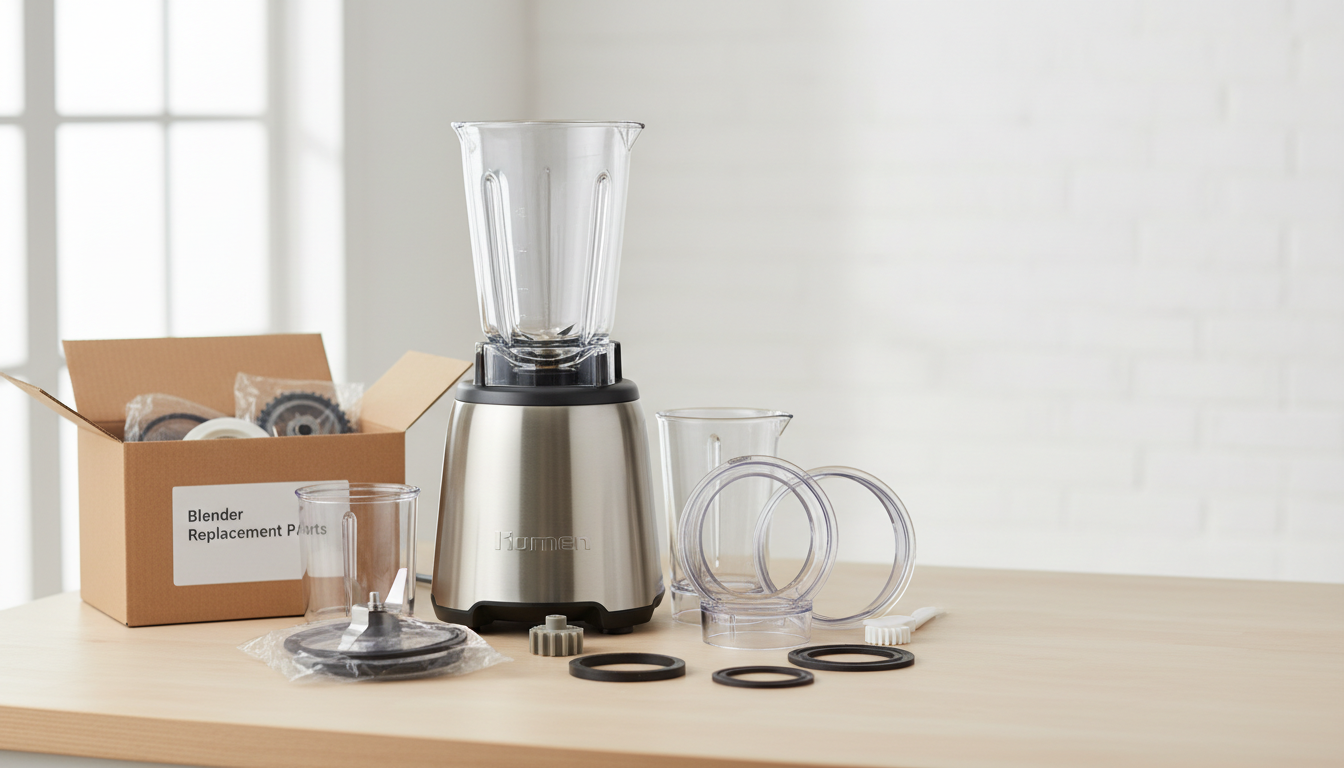
Osterizer Classic Blender Replacement Parts: Restoring Vintage Models
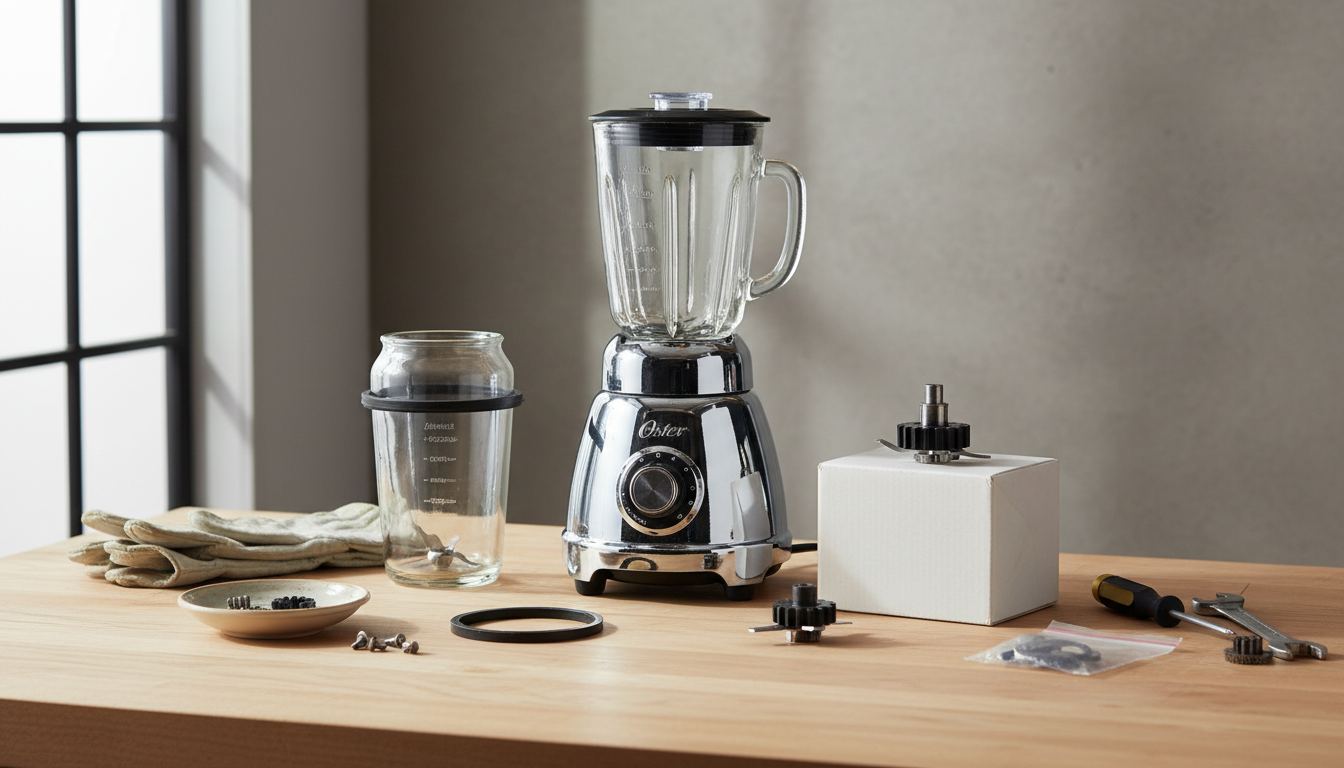
Reviving Your Vintage Appliance: A Guide to Osterizer Classic Blender Replacement Parts
Classic Osterizer blenders often represent a blend of enduring functionality and sentimental value. Many owners appreciate their robust construction and consistent performance, choosing to maintain these appliances rather than replace them. Preserving a classic model not only honors its original design but also extends its utility in a modern kitchen.
This guide is designed to assist owners of vintage Osterizer blenders in navigating the landscape of replacement parts. Our purpose is to help you identify, source, and select the correct components to ensure your appliance continues to operate effectively and safely.
Extending the lifespan of your classic Osterizer often involves addressing wear and tear on specific components. Common parts that may require replacement include:
- Gaskets: Essential for a leak-proof seal between the blade assembly and the jar.
- Blades: Critical for efficient blending, these can dull or become damaged over time.
- Jars: Glass jars, while durable, can chip or break.
- Couplings: The component connecting the motor base to the blade assembly, prone to wear from torque.
Understanding these key areas is the first step in maintaining your classic blender's performance and preserving its value.
<h2>Identifying Your Classic Osterizer Model and Its Unique Needs</h2>Accurately identifying your specific classic Osterizer blender model is foundational to sourcing compatible replacement parts. Unlike contemporary appliances with standardized components, older Osterizer blenders can have subtle variations in design and part specifications across different production runs and series. Without precise model information, you risk purchasing parts that do not fit, leading to frustration and wasted effort.
Model information is typically located in several places on your appliance:
- Base of the unit: Look for a sticker or embossed plate on the underside of the motor base.
- Original packaging or manual: If you still possess these, they often contain explicit model numbers and series names.
- Power cord: Sometimes, a small tag near the plug or where the cord enters the base may have partial identification.
It's important to recognize that "classic Osterizer" refers to a broad range of blenders manufactured over decades, not a single model. This means that a part for one "classic" blender might not fit another, even if they appear similar. Compatibility is often tied to specific series or production years.
Owners of vintage units commonly seek replacements for parts that experience mechanical stress or material degradation over time. These issues frequently prompt part replacement:
- Motor coupling wear: The rubber or plastic drive coupling connecting the motor to the blade assembly can degrade or strip, causing the blades to stop spinning even when the motor runs.
- Leaking gaskets: Over years of use and exposure to liquids, the rubber or silicone gaskets beneath the blade assembly can dry out, crack, or lose elasticity, leading to leaks.
- Dull or damaged blades: Repeated blending of hard ingredients can dull blades, reducing blending efficiency, or cause physical damage like chips or bends.
- Cracked or broken jars: Glass jars can chip or break from impacts, while older plastic jars may become brittle and crack.
Essential Replacement Parts for Classic Osterizer Blenders
Maintaining a classic Osterizer blender often involves replacing specific components that experience wear over time. Identifying these parts and understanding their function helps in sourcing compatible replacements to extend the appliance's operational life. The design consistency of many classic Osterizer models means certain parts are frequently sought after.
Key components that commonly require replacement include:
- Blades: The blade assembly is crucial for blending efficiency. Over time, blades can become dull, reducing their ability to process ingredients smoothly. Signs of wear include nicks, bends, or visible corrosion on the stainless steel cutting surfaces. A dull blade might leave chunky textures or struggle with tougher ingredients.
- Gaskets and Seals: These rubber or silicone rings create a watertight seal between the blade assembly and the jar, and sometimes between the jar and the motor base. They are common failure points, prone to cracking, drying out, or tearing, which leads to leaks during operation. Regular inspection for brittleness or visible damage is advisable.
- Jars: Classic Osterizer blenders often feature glass jars, known for their durability and resistance to odors. However, glass jars can break. Plastic alternatives exist, offering lighter weight but potentially susceptible to scratching or absorbing food odors over time. Compatibility is critical, as jar designs can vary. For instance, specific 6-cup glass jar replacements might carry part numbers like 124461 or 083852, indicating precise fitment. Some users report varying quality in aftermarket replacement jars.
- Couplings/Drive Pins: This component connects the motor's drive shaft to the blade assembly, transferring power to spin the blades. Classic Osterizer models frequently use a square drive pin design, often made of durable plastic or rubber. These parts can strip, crack, or wear down due to constant torque and friction, resulting in the motor running but the blades failing to rotate.
- Filler Caps: Located in the center of the main jar lid, the filler cap allows users to add ingredients while the blender is running without removing the entire lid. These small caps can be lost, cracked, or discolored. A common manufacturer part number for a filler cap is 50613002089, serving as an example of the specificity required for replacement.
Locating the correct replacement parts for a classic Osterizer blender requires a methodical approach, balancing the desire for original quality with the realities of availability and cost. The decision often involves navigating between different types of suppliers and carefully evaluating the parts themselves to ensure compatibility, durability, and safety for your vintage appliance.
When searching for components, you will primarily encounter two categories: Original Equipment Manufacturer (OEM) parts and aftermarket parts. OEM parts are produced by the original manufacturer or their authorized suppliers, offering the highest likelihood of a perfect fit and material quality consistent with your blender's original specifications. However, for older or discontinued Osterizer models, OEM parts can be scarce or more expensive. Aftermarket parts, produced by third-party manufacturers, often provide a more readily available and cost-effective alternative, though their quality and exact fit can vary significantly.
Specialized blender parts retailers, such as BlenderPartsUSA, often curate inventories specifically for popular blender brands, including Osterizer. These sources can be valuable for common replacement items like couplings, gaskets, and blade assemblies. Their focus on blender components may mean better product descriptions and compatibility information, potentially reducing the risk of purchasing an incorrect part.
Conversely, general online marketplaces like eBay and Walmart offer a broader, less curated selection. eBay, in particular, can be a treasure trove for finding "new old stock" (NOS) OEM parts or unique aftermarket options for truly vintage models. However, the onus is on the buyer to meticulously vet sellers, scrutinize product images, and read descriptions for details like material composition and dimensions. Walmart's online platform may carry some common Osterizer parts, but its selection for older "classic" models tends to be more limited, often focusing on generic or newer model compatibility. When dealing with international sellers on any platform, factor in potential shipping delays, customs fees, and more complex return processes.
For Osterizer models that are particularly old or have been discontinued for many years, finding parts becomes more challenging. In these cases, aftermarket options or carefully sourced NOS parts from individual sellers on marketplaces may be the only viable solutions. It's crucial to manage expectations regarding perfect aesthetic matches or identical material composition for these rare finds.
Regardless of the source, several considerations are paramount before finalizing a purchase:
- Seller Reputation and Return Policies: On marketplaces, review seller ratings and feedback. A clear, reasonable return policy is essential, especially when purchasing aftermarket parts where fit cannot be guaranteed until tested.
- Part Descriptions: Read product descriptions thoroughly. Look for explicit mentions of compatible Osterizer model numbers, dimensions, and material specifications.
- Compatibility Verification: The most critical step is to confirm the part will fit your specific blender.
- Model and Part Numbers: Cross-reference your blender's model number with the part's listed compatibility. If you have the original part, try to find a part number on it to match.
- Visual Comparison: Compare detailed images of the replacement part with your existing part, paying close attention to shape, size, connection points, and any unique features.
- Material Quality: Assess the materials used. For components in contact with food, such as gaskets, ensure they are described as food-grade rubber or silicone for safety. Blades should be stainless steel for durability and resistance to corrosion.
- Fit and Finish: Aftermarket parts, while functional, might exhibit slight variations in fit or finish compared to OEM. These variations could manifest as a slightly looser seal, a different texture, or minor aesthetic discrepancies. While some minor differences may be acceptable, a part that requires excessive force to install or doesn't sit flush could indicate a poor fit that might compromise performance or safety.
Common Pitfalls and Considerations When Replacing Parts
Restoring a classic Osterizer blender offers both satisfaction and continued utility, but the process isn't without potential challenges. Being aware of these common pitfalls can help owners navigate the repair process more effectively and avoid unnecessary complications or expenses.
-
Incompatible Part Identification Classic Osterizer models, while sharing a familiar aesthetic, often have subtle variations in their internal components over different production years. Incorrectly identifying your specific model number or the exact part needed can lead to purchasing components that do not fit or function properly. A part that looks similar might have different dimensions for seals, threads, or motor couplings, rendering it useless and potentially causing further damage if forced.
-
Varying Aftermarket Part Quality The market for classic blender parts includes both genuine original equipment manufacturer (OEM) components (if still available) and a wide array of aftermarket alternatives. The quality of aftermarket parts can vary significantly. Some may closely match original specifications, offering reliable performance, while others might be made from inferior materials or with less precise manufacturing tolerances. These lower-quality parts could fail prematurely, reduce blending efficiency, or even pose safety risks, diminishing the value of your repair effort.
-
Risk of DIY Installation Damage While many classic Osterizer repairs are straightforward, improper installation can lead to new problems. Stripping screws, cross-threading components, or incorrectly seating seals can result in leaks, reduced motor efficiency, or even permanent damage to the blender's housing or motor. Patience, the correct tools, and consulting any available service manuals or online guides are crucial to minimize this risk.
-
Cost-Effectiveness Threshold The 'Repair NOT Replace' philosophy is environmentally sound and often financially wise, but it has practical limits. Owners should objectively assess whether the total cost of replacement parts, shipping, and their time investment approaches or exceeds the cost of a new, entry-level blender. For extensive repairs involving multiple expensive components, a new appliance might offer better long-term value, warranty coverage, and modern safety features.
-
Scarcity for Rare Models Finding replacement parts becomes increasingly difficult for very rare, limited-edition, or extremely old Osterizer models. Manufacturers eventually discontinue support for older products, and the aftermarket may not produce parts for models with low demand. In such cases, owners might face extended search times, higher prices for scarce parts, or the eventual realization that a specific repair is no longer feasible due to unavailability.
Making an Informed Choice: Repairing or Upgrading Your Blender
Owners of classic Osterizer blenders often face a pivotal decision: invest in replacement parts to extend their appliance's life, or consider purchasing a new model. This choice involves evaluating more than just the immediate broken component; it requires a comprehensive assessment of cost, functionality, sentimental value, and long-term viability.
To make an informed decision, consider these factors:
- Overall Blender Condition: Look beyond the single faulty part.
- Motor Health: Listen for unusual grinding noises, observe for smoke or burning smells, or note if the motor struggles with typical loads. A failing motor often indicates that repair might be impractical or short-lived, even if other parts are replaced.
- Housing and Controls: Check for cracks in the plastic housing, damaged electrical cords, or unresponsive control switches. Multiple points of failure can quickly escalate repair costs.
- Cost Analysis: Compare the total repair expense against the price of a new, comparable blender.
- Repair Cost Calculation: Sum the cost of all necessary replacement parts (e.g., new blade assembly, gasket, coupling, jar) plus any specialized tools you might need. Factor in potential labor costs if you're not performing the repair yourself.
- New Blender Comparison: Research the current market price for a new blender that offers similar power, capacity, and features to your classic Osterizer. If the total repair cost approaches or exceeds a significant percentage (e.g., 50-70%) of a new unit's price, the financial benefit of repair diminishes.
- Sentimental Value vs. Practicality:
- Emotional Connection: Many classic Osterizer blenders hold sentimental value, representing years of use or a family heirloom. This emotional attachment can justify a repair even if the pure financial calculation leans towards replacement.
- Current Needs: Assess if the classic blender, even when fully repaired, still meets your current blending requirements. Modern blenders often offer different features, power levels, or noise profiles.
- Long-Term Parts Availability:
- Model Specificity: For very old or less common classic Osterizer models, the availability of specific replacement parts may be limited or inconsistent. While common parts like gaskets and couplings are generally accessible, proprietary components might become scarce over time.
- Future-Proofing: Consider if you'll be able to source parts for subsequent repairs down the line.
- Environmental Impact:
- Waste Reduction: Repairing an appliance extends its useful life, directly contributing to reduced electronic waste and consumption of new resources. This aligns with sustainable practices.
- Manufacturing Footprint: Opting for repair avoids the energy and materials required to manufacture and transport a new blender.
Repairing your classic Osterizer can genuinely "save a bundle" when only one or two inexpensive, easily replaceable parts are faulty, and the motor remains robust. However, it can become a "false economy" if the motor is failing, multiple components require replacement, or the total repair cost nears the price of a new, more efficient appliance.
Frequently Asked Questions about Osterizer Classic Replacement Parts
Owners of classic Osterizer blenders often have specific questions when seeking to repair their cherished appliances. Understanding the nuances of compatibility, part types, and availability can help ensure a successful repair.
-
How do I ensure a replacement part is compatible with my specific Osterizer Classic model? Compatibility hinges on accurate model identification. Locate the model number, typically found on a sticker or embossed plate on the underside of your blender's motor base. Some manuals or original packaging may also list this information. When searching for parts, cross-reference this model number with the part's listed compatibility. Visual comparison with product images and consulting part diagrams, if available, can also help confirm fit, especially for older models where part numbers might have evolved. Purchasing an incompatible part is a common risk without careful verification.
-
What's the difference between OEM and aftermarket Osterizer parts, and which should I choose? OEM (Original Equipment Manufacturer) parts are produced by Oster or a licensed manufacturer, designed to meet the original specifications of your blender. Aftermarket parts are produced by third-party companies. OEM parts generally offer a higher assurance of fit and material quality, potentially leading to longer part life and consistent performance, but often come at a higher cost. Aftermarket parts can be more budget-friendly and widely available, but their quality and precise fit can vary significantly. The choice often involves weighing initial cost against potential longevity and performance consistency.
-
Are older Osterizer blender parts still available, and where can I find them? Yes, many parts for older Osterizer blenders remain available due to their enduring popularity and robust design. Sources include authorized Oster parts distributors like PartSelect, specialized online blender parts retailers such as BlenderPartsUSA, and general online marketplaces like eBay and Walmart. When sourcing from third-party sellers, assess seller reputation and return policies to mitigate the risk of receiving incorrect or low-quality items.
-
When is it more cost-effective to replace the entire blender instead of just a part? The decision to repair or replace often comes down to the total cost of parts versus the cost of a new, comparable blender, considering the remaining lifespan of your current unit. If only one or two minor, inexpensive parts (like a gasket or coupling) need replacing, repair is typically more economical. However, if multiple major components—such as the motor, jar, and blade assembly—are all failing or require replacement, the cumulative cost can quickly approach or exceed that of a new blender. Evaluate the overall condition of your classic Osterizer; if the motor shows signs of weakness or other components appear worn, investing heavily in parts might not be the most practical long-term solution.
-
What are the most common parts that need replacing in classic Osterizer blenders? Due to regular use and mechanical stress, certain components in classic Osterizer blenders are more prone to wear and tear. The most frequently replaced parts include:
- Gaskets/Seals: These rubber or silicone rings can degrade, crack, or lose elasticity over time, leading to leaks.
- Blades/Cutting Assemblies: Blades can dull, bend, or become chipped, impacting blending efficiency. The bearing within the assembly can also wear out.
- Couplings: The small plastic or rubber gear that connects the motor shaft to the blade assembly is subject to significant torque and can strip or wear down.
- Blender Jars: While often glass, jars can chip, crack, or break if dropped or subjected to extreme temperature changes.
- Filler Caps: These small caps in the lid are often misplaced or can crack with age.
Maintaining a classic Osterizer blender is a practical choice that extends the life of a durable appliance and preserves its unique place in your kitchen. This guide has aimed to equip you with the knowledge to confidently approach the task of part replacement, transforming a potential repair challenge into a straightforward process. By understanding your specific model's needs and the nuances of part selection, you can ensure your blender continues to perform reliably for years to come.
Successful part replacement for your classic Osterizer hinges on a few critical takeaways:
- Accurate Model Identification: Always confirm your blender's exact model number before searching for parts. This is the most crucial step to ensure compatibility.
- Understanding Part Function: Recognize which components are prone to wear, such as gaskets, blades, jars, and couplings, and how their condition impacts performance.
- Informed Sourcing Decisions: Weigh the options between genuine OEM parts, which offer assured fit and quality, and aftermarket alternatives, considering their potential cost savings against varying quality.
- Prioritizing Compatibility: Double-check part numbers and visual cues to match new components precisely with your classic model's specifications.
The satisfaction of restoring a beloved appliance is significant. Beyond the practical benefits of saving money and reducing waste, there's an inherent value in keeping a well-made machine operational. Your classic Osterizer blender, with its robust design, is often built to last, and with the right replacement parts, it can continue to be a dependable tool for countless culinary tasks. Embrace the opportunity to extend its legacy, confident in your ability to identify, source, and integrate the correct components for continued blending enjoyment.
More in Blender Replacement Parts
View AllBraun Blender Replacement Parts: Ensuring Compatibility and Performance