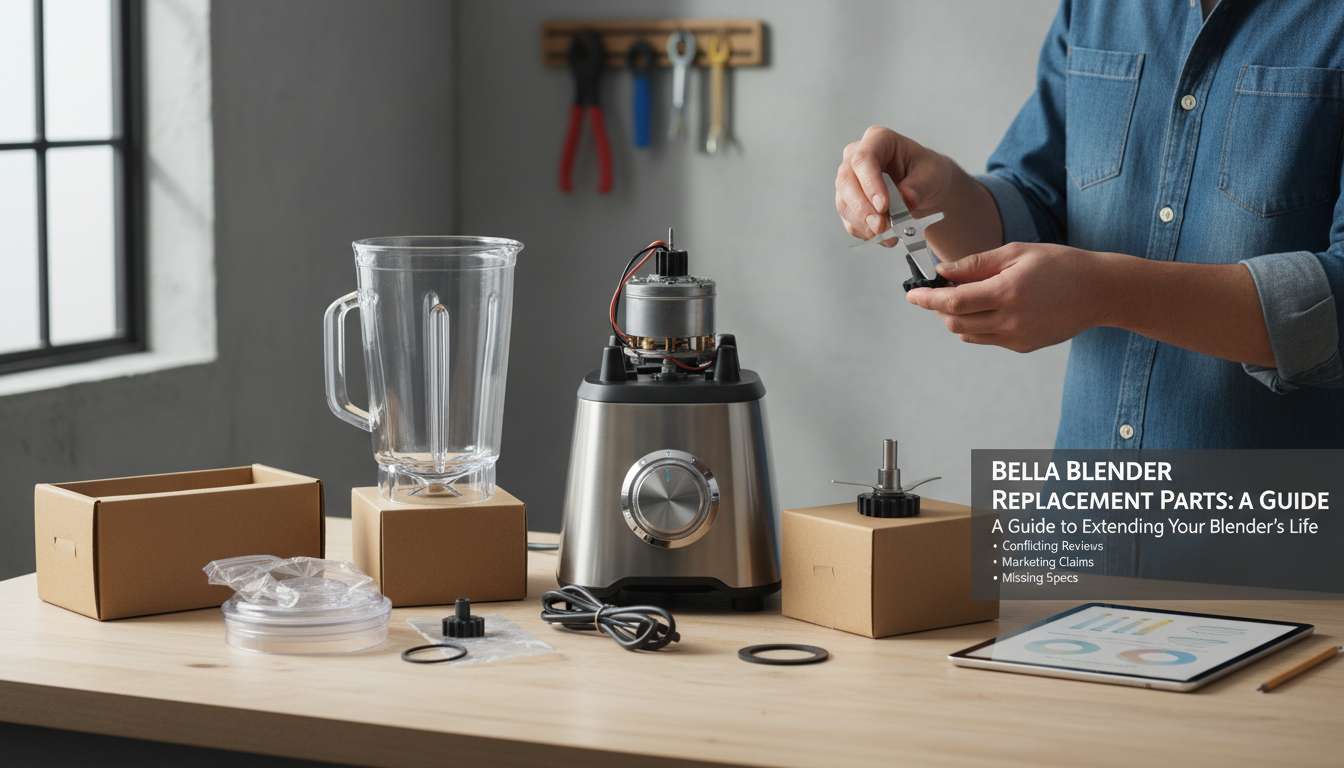
Ninja 1500-Watt Blender Replacement Parts: Maintaining High-Power Performance
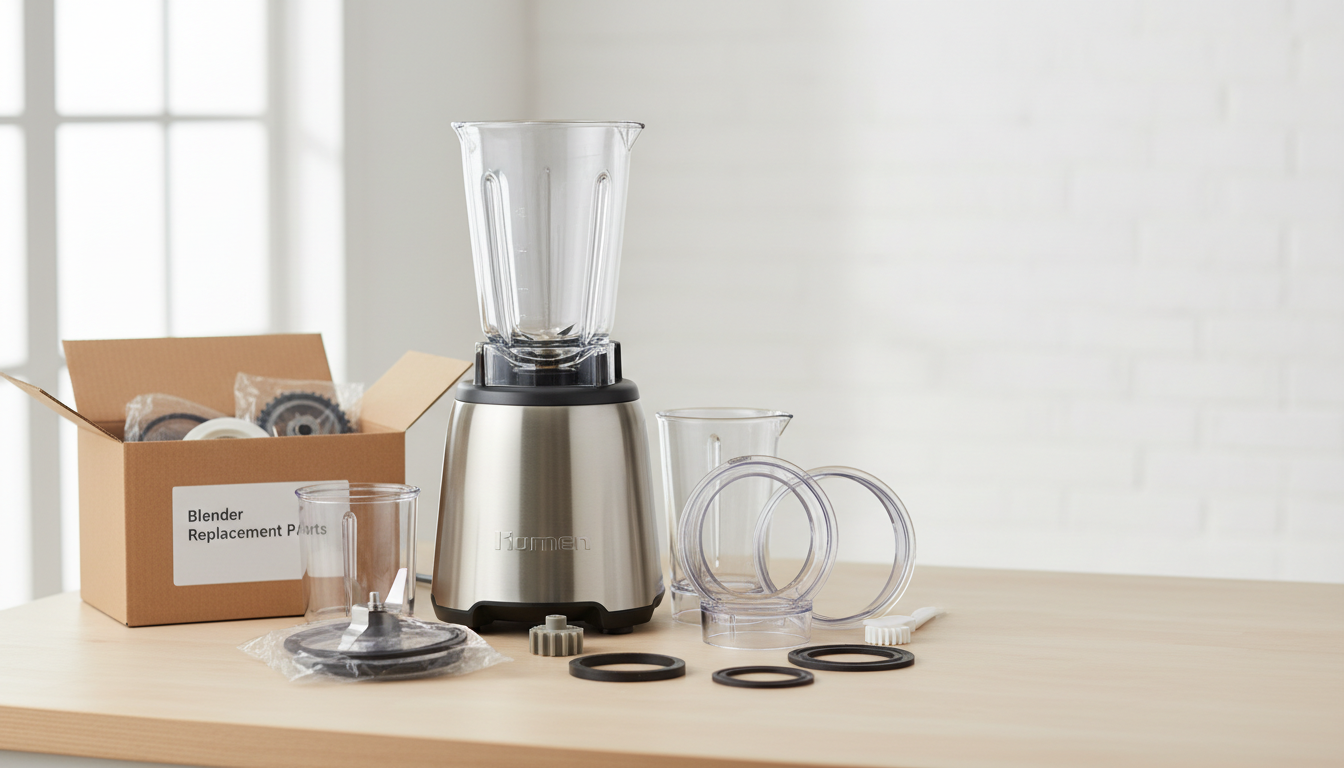
Maintaining Peak Performance: Your Guide to Ninja 1500-Watt Blender Replacement Parts
Ninja's 1500-watt blenders are engineered for high-performance tasks, delivering significant power to handle tough ingredients and demanding blending needs. This robust capability depends on every component working seamlessly. However, continuous use can lead to wear or damage, making replacement parts essential for maintaining peak functionality.
When dealing with a high-wattage appliance, the choice of replacement parts is critical. Unlike lower-power models, a 1500-watt blender places greater stress on its components, meaning compatibility, material quality, and precise fit are paramount. Using parts that don't meet these standards can lead to diminished performance, potential leaks, or even compromise the blender's powerful motor. This guide is designed to assist owners of Ninja 1500-watt blenders in navigating the market for 'ninja 1500 watt blender replacement parts.' Our goal is to equip you with the knowledge to confidently select durable, compatible components that ensure your blender continues to operate at its intended high-power capacity.
Why 1500-Watt Ninja Blenders Demand Specific Replacement Parts
Ninja's 1500-watt blenders are designed to deliver exceptional power, enabling them to pulverize ice, break down fibrous ingredients, and create smooth textures rapidly. This high power output, however, subjects internal components to unique and intense operational stresses. The motor generates significant torque, which translates into powerful rotational force on the blade assembly and drive system. Simultaneously, continuous high-speed operation produces considerable heat and vibration, especially when processing dense or frozen contents.
These demanding conditions mean that not all replacement parts are created equal. Generic or low-quality components often fail to meet the precise engineering specifications required to withstand such forces. For instance, a blade assembly made from inferior stainless steel might dull quickly or even fracture under the torque, while a drive gear made from a less durable plastic could strip prematurely. Similarly, seals and gaskets that are not precisely dimensioned or made from heat-resistant materials are prone to degradation, leading to leaks—a common issue reported by owners.
Using parts that do not match the original design intent for a 1500-watt system carries several risks. Beyond the inconvenience of premature failure or leakage, these components can compromise the blender's overall performance. An ill-fitting blade or a worn coupling can reduce blending efficiency, forcing the powerful motor to work harder than necessary, which can accelerate wear on the motor itself. To maintain the blender's original efficiency, durability, and safety, replacement parts must be specifically engineered to handle the substantial mechanical and thermal loads inherent in a high-wattage appliance. This ensures the component can endure the specific stresses, preserving the blender's high-power capabilities and extending its operational lifespan.
Essential Ninja 1500-Watt Blender Replacement Parts to Consider
The high power of a 1500-watt Ninja blender places specific demands on its components. When seeking replacement parts, understanding the function of each and the critical attributes to look for can significantly influence your blender's continued performance and longevity. Investing in parts that meet the rigorous standards of high-wattage operation is key to avoiding common issues like leaks, premature wear, or diminished blending efficiency.
-
Blades and Blade Assemblies These are the primary components responsible for processing ingredients. For a 1500-watt motor, the blade assembly endures substantial stress.
- Function: To cut, crush, and blend ingredients efficiently.
- Considerations:
- Fin Configuration: Ninja blenders utilize various blade designs, such as 6-blade or 7-fin configurations. It is crucial to match the exact fin count and design of your original blade assembly to ensure proper fit, rotation, and optimal blending action. Mismatched blades can lead to poor performance or damage.
- Material Quality: Opt for assemblies made with premium stainless steel blades. This material offers superior durability and resistance to corrosion and dulling, which is essential for handling tough ingredients under high power.
- Base Durability: The plastic or metal base of the blade assembly needs to be robust enough to withstand the torque and vibrations generated by the motor.
-
Jars and Cups The vessels that contain your ingredients are subject to impact and chemical exposure from food and cleaning agents.
- Function: To hold ingredients during blending and, in the case of single-serve cups, for immediate consumption.
- Considerations:
- Material: Look for jars and cups made from durable, impact-resistant, and food-grade plastics. Materials that are clearly labeled as dishwasher-safe simplify cleaning and help maintain hygiene without degrading the material.
- Capacity Match: Ensure replacement parts match the original capacities, whether it's a large main pitcher or a specific single-serve cup size, such as a 24-ounce cup.
- Compatibility: The base of the jar or cup must securely interlock with your specific Ninja motor base model to prevent leaks and ensure safe operation.
-
Lids A properly functioning lid is more than just a cover; it's a safety and performance component.
- Function: To prevent splashes and spills, contain ingredients, and sometimes provide a sealed environment for specific blending tasks.
- Considerations:
- Sealing Mechanism: High-power blending creates significant internal pressure. Lids should feature robust sealing mechanisms, such as secure locking tabs or tight-fitting rubber gaskets, to prevent leaks, especially when blending hot liquids or at high speeds.
- Ventilation/Pour Spouts: Depending on your model, consider features like pour spouts for easy serving or vented lids for hot blends, ensuring they seal effectively when not in use.
-
Motor Base While typically not a user-repairable item, understanding its role is important.
- Function: The core power unit, housing the 1500-watt motor and electronic controls.
- Considerations: Direct replacement of the motor base is complex and often handled by authorized service centers or involves purchasing a new base unit if available for your specific model. Owners should generally avoid attempting internal repairs due to electrical safety risks and specialized component requirements. If your motor base is malfunctioning, verify if a compatible replacement base is available for purchase before considering a full appliance replacement.
-
Gaskets and Seals These small but critical components are often overlooked until a leak occurs.
- Function: To create a watertight seal between various parts, such as the blade assembly and the jar, or the lid and the jar, preventing liquid from escaping during operation.
- Considerations:
- Material Integrity: Gaskets and seals are typically made of silicone or rubber. Over time, these can degrade, crack, or stretch, compromising their sealing ability. Inspect them regularly for signs of wear.
- Exact Fit: A precise fit is paramount. Even a slightly off-sized gasket can lead to significant leaks, especially with the pressure generated by a 1500-watt motor. Ensure replacements are designed for your specific blender model and component.
Critical Criteria for Choosing Compatible Ninja 1500-Watt Replacement Parts
Selecting replacement parts for a high-power Ninja 1500-watt blender demands careful consideration beyond basic fit. The intensity of a 1500-watt motor puts unique stress on components, making durability, material integrity, and precise compatibility paramount for maintaining performance and preventing potential issues.
To ensure your investment in replacement parts extends the life and functionality of your high-performance blender, evaluate potential options against these critical criteria:
-
Model Compatibility (Primary Concern): The most crucial step is to verify the exact model number of your Ninja 1500-watt blender. Many Ninja blenders share similar appearances, but internal specifications and part dimensions can vary significantly between models (e.g., BL770, BL480 series, BL642). An incompatible part, even if it appears similar, may not fit securely or function correctly, potentially leading to operational issues or damage to the appliance. Always cross-reference the part's listed compatibility with your blender's specific model number.
-
Material Quality: Given the high-speed and high-torque operations of a 1500-watt motor, the quality of materials is non-negotiable.
- Blades: Opt for premium-grade stainless steel blades designed to withstand repeated impacts with tough ingredients without dulling or deforming. Inferior materials can quickly wear down, reducing blending efficiency.
- Jars/Cups: Replacement jars and cups should be constructed from durable, food-grade plastic that resists cracking, clouding, and odors. This ensures longevity and safety, especially when exposed to high-speed friction and varying temperatures.
-
Durability & Construction: High-wattage blending generates considerable force and heat. Replacement parts must exhibit robust build quality to endure these conditions over time. Look for components with solid construction, reinforced points, and no visible manufacturing flaws. Poorly constructed parts are more prone to premature failure, which can lead to leaks or inefficient blending.
-
Seal Integrity: A high-performing blender relies on a perfect seal to prevent leaks and ensure efficient processing. Gaskets and O-rings, whether integrated into a blade assembly or as separate components, must be made from high-quality, flexible material that forms a tight, secure fit. A compromised seal can result in messy leaks, reduced vacuum pressure in some models, and potential motor damage if liquids seep into the base.
-
Brand/Source: Consider the origin of the replacement part.
- OEM (Original Equipment Manufacturer) Parts: These parts are produced by Ninja or its authorized manufacturers, offering the highest assurance of compatibility, material quality, and adherence to original specifications. They are typically more expensive but minimize risk.
- Reputable Aftermarket Parts: Some third-party manufacturers produce aftermarket parts. While potentially more budget-friendly, their quality and precise fit can vary. When considering aftermarket options, prioritize sellers with strong reputations for quality control and positive customer feedback specifically regarding compatibility and durability for high-wattage Ninja models. Be wary of generic or unbranded parts that offer no assurances.
-
Ease of Installation: While not a primary determinant of performance, parts designed for straightforward installation can save time and reduce the risk of incorrect assembly. Most Ninja replacement parts are intended for user-friendly installation, but complex or ill-fitting components can indicate a design flaw or incompatibility.
Common Pitfalls When Buying Ninja 1500-Watt Blender Replacement Parts and How to Avoid Them
The robust power of a 1500-watt Ninja blender demands that its components perform under significant stress. When seeking replacement parts, owners often encounter several issues that can compromise performance or lead to further problems. Understanding these common pitfalls is crucial for making informed purchasing decisions and ensuring your blender continues to operate effectively.
-
Incorrect Model Compatibility: This is arguably the most frequent and impactful mistake. Ninja produces various blender series and models, even within the 1500-watt range, each with specific part designs. A blade assembly, jar, or lid from one 1500-watt model might not fit or function correctly with another, despite appearing similar. Always verify the exact model number of your blender, typically found on the base, and cross-reference it with the part's compatibility list before purchase. Generic descriptions like "fits all Ninja blenders" should be approached with caution.
-
Substandard Aftermarket Quality: The market includes numerous third-party replacement parts that may be cheaper but often lack the material quality and precise engineering of original components. These "cheap imitations" can lead to premature wear, such as dulling blades, cracking plastic, or stripped gears. Such parts may break down quickly under the high torque of a 1500-watt motor, potentially causing damage to other blender components or failing to deliver the expected blending performance. Prioritize parts from reputable sources known for quality materials.
-
Leakage Issues: A common problem stemming from poorly fitting or low-quality replacement parts, particularly jars, lids, and blade assemblies. If gaskets are not properly seated, or if the plastic of a jar or lid is not precisely molded, gaps can form, allowing liquid to escape during operation. This not only creates a mess but can also damage the motor base if liquids seep into internal components. Inspect seals and fit closely upon receipt.
-
Compromised Performance: The 1500-watt motor is designed for high efficiency. Non-optimal replacement parts, such as duller blades, improperly weighted blade assemblies, or jars with internal design flaws, can reduce the blender's ability to process ingredients effectively. This means your high-power blender might struggle with tasks it once handled with ease, leading to longer blending times, inconsistent textures, or even motor strain over time. Genuine or high-quality aftermarket parts are critical for maintaining the intended blending efficiency.
-
Warranty Voidance: While not always the case, using non-OEM (Original Equipment Manufacturer) parts for repairs might affect any remaining warranty on your Ninja blender. Review your blender's warranty terms to understand the implications of using third-party components. If your blender is still under warranty, contacting Ninja directly for replacement parts may be the safest route.
Step-by-Step: Verifying Compatibility for Your Ninja 1500-Watt Blender Model
Ensuring a replacement part is perfectly compatible with your Ninja 1500-watt blender is crucial for maintaining its high-power performance and preventing damage. A mismatch can lead to leaks, inefficient blending, or even motor strain. Follow these steps to confidently identify and select the correct components.
-
Locating Your Blender's Model Number Your blender's specific model number is the primary identifier for compatibility. This alphanumeric code is typically found in one of these locations:
- Bottom of the Motor Base: Look for a sticker on the underside of the main motor unit.
- User Manual: The manual that came with your blender will list the model number.
- Original Packaging: If you still have it, the model number is usually printed on the box.
- Example: Common 1500-watt Ninja models might include series like BL770, BL780, or specific numbers like BL642.
-
Cross-Referencing with Part Listings Once you have your exact model number, use it to compare against the compatibility information provided by part sellers.
- "Compatible With" Lists: Reputable online listings for replacement parts will feature a detailed list of blender models they are designed to fit.
- Exact Match: Always look for your specific model number (e.g., BL770, not just "BL700 series") within these lists. Do not assume compatibility based on general appearance or wattage alone.
-
Visual Inspection for Key Features Beyond model numbers, a visual comparison can provide an additional layer of verification, especially for parts like blade assemblies or blending cups.
- Blade Fin Count: For blade assemblies, count the number of fins (e.g., 6-fin, 7-fin) and compare it to your original blade.
- Base Shape and Threading: Examine the shape of the blade base or cup threading to ensure it matches your existing components.
- Overall Dimensions: Compare the height and diameter of cups or pitchers, if applicable.
- Action: Always compare the product images of the replacement part with your blender's original component before purchasing.
-
Reading Product Descriptions Carefully Thoroughly review the entire product description, not just the title. Key compatibility details are often buried within the text.
- Specific Series Mentions: Look for explicit mentions of model series (e.g., "compatible with Nutri Ninja Auto iQ BL480, BL481, BL482 series").
- Exclusions: Pay attention to any models explicitly listed as not compatible, as this can prevent incorrect purchases.
-
Utilizing Customer Reviews and Q&A Sections The experiences of other buyers can offer practical insights into compatibility.
- Search for Your Model: On product pages, use the "Customer questions & answers" section or filter reviews to search for your specific Ninja blender model number.
- Real-World Feedback: Look for comments from users who own your model and have successfully (or unsuccessfully) used the part.
- Caution: While helpful, customer feedback should supplement, not replace, official compatibility information.
Frequently Asked Questions About Ninja 1500-Watt Blender Replacement Parts
Understanding the nuances of replacement parts for a high-power appliance like a Ninja 1500-watt blender is key to maintaining its performance and longevity. Here are answers to common questions that can help guide your purchasing decisions.
How do I find my Ninja blender model number?
Identifying your specific Ninja blender model number is the foundational step for ensuring part compatibility. This number is typically located on a label on the underside or back of the motor base. If the label is worn or missing, consult your original user manual or product packaging, as the model number is usually printed there. For 1500-watt units, common series might include BL770, BL771, BL773CO, or BL780CO, but always verify the exact model.
Are aftermarket Ninja replacement parts reliable?
The reliability of aftermarket Ninja replacement parts can vary significantly. While some third-party manufacturers produce components that meet performance expectations, others may use lower-grade materials or have less precise manufacturing tolerances. For a 1500-watt blender, which exerts considerable force, using parts that are not robust enough can lead to premature wear, reduced blending efficiency, or even damage to the motor. Prioritizing quality and a precise fit over the lowest price is generally advisable, as genuine parts or highly-rated aftermarket options often offer better durability and performance alignment with the blender's original design.
Why are my Ninja blender blades not rotating?
Several factors can prevent your Ninja blender blades from rotating, especially in high-power models. Common issues include:
- Motor Base Engagement: Ensure the blending jar or cup is correctly seated and locked onto the motor base, activating the safety interlock mechanism.
- Worn Blade Assembly: The bearings or gears within the blade assembly itself can wear out over time, preventing the blades from spinning freely even if the motor is engaged.
- Overloading: Attempting to blend too much material or ingredients that are too dense can jam the blades or put excessive strain on the motor, causing it to stall.
- Drive Coupling Damage: The plastic drive gear on the motor base or the corresponding part on the blade assembly can become stripped or damaged, preventing power transfer.
What causes my Ninja blender to leak?
Leaks from a Ninja blender, particularly with the powerful vortex created by a 1500-watt motor, usually point to issues with seals or structural integrity. Potential causes include:
- Worn or Damaged Gaskets: The rubber gasket or O-ring that creates a seal between the blade assembly and the blending jar can degrade, crack, or become dislodged, allowing liquid to escape.
- Cracked Blending Jar: Hairline cracks in the plastic or glass of the blending jar, often from impacts or thermal stress, can develop and lead to leaks.
- Improper Assembly: If the blade assembly or lid is not securely tightened or correctly aligned, gaps can form through which liquid can seep.
- Overfilling: Exceeding the maximum fill line can create pressure that forces liquid past seals, especially during high-speed blending.
Can I use replacement parts from a different Ninja blender model?
It is strongly advised against using replacement parts from a different Ninja blender model, even if they appear visually similar. Ninja blenders, especially those with varying wattage like 1500-watt units, are designed with precise specifications for each model series. Components like blade assemblies, jars, and lids have specific dimensions, threading, and material requirements to ensure proper fit, seal, and safe operation. Using incompatible parts can lead to:
- Poor Fit and Leaks: Parts may not seal correctly, resulting in leaks.
- Reduced Performance: Incompatible blades may not blend efficiently or withstand the power of a 1500-watt motor.
- Damage to the Blender: Misaligned or ill-fitting parts can stress the motor or other components, leading to premature failure.
- Safety Hazards: An improperly fitted part could dislodge during operation, posing a safety risk.
Always verify the exact model number of your Ninja 1500-watt blender and purchase parts specifically designed for that model.
Making the Right Choice: Ensuring Long-Lasting Performance for Your High-Power Blender
The robust power of your Ninja 1500-watt blender demands equally robust and compatible replacement parts. For an appliance designed to handle intensive blending tasks, prioritizing quality and precise compatibility over initial cost is not merely a recommendation; it's essential for maintaining performance and preventing further issues. Substandard or ill-fitting components can compromise the blender's seal, strain the motor, or lead to premature failure, undermining the very power you rely on.
Before making a purchase, a thorough review of specific criteria will empower you to make an informed decision:
- Model-Specific Compatibility: Always verify that the part explicitly matches your Ninja 1500-watt blender's model number. Even slight variations can lead to poor fit, leaks, or operational malfunction, especially with high-speed blades and seals.
- Material Durability: For components like blades, gears, and containers, assess the material quality. High-wattage blending generates significant force and heat, requiring parts made from durable, food-grade materials designed to withstand these conditions over time.
- Supplier Reputation: Consider the source of the replacement part. Reputable suppliers are more likely to offer components that meet necessary manufacturing standards and provide accurate compatibility information.
Investing in reliable replacement parts is an investment in the sustained performance and longevity of your Ninja 1500-watt blender. These blenders are built for demanding use, and their components must be capable of enduring that intensity. By carefully evaluating your options based on compatibility and construction, you can confidently select parts that extend your blender's operational life, ensuring it continues to deliver the high-power performance you expect.
More in Blender Replacement Parts
View All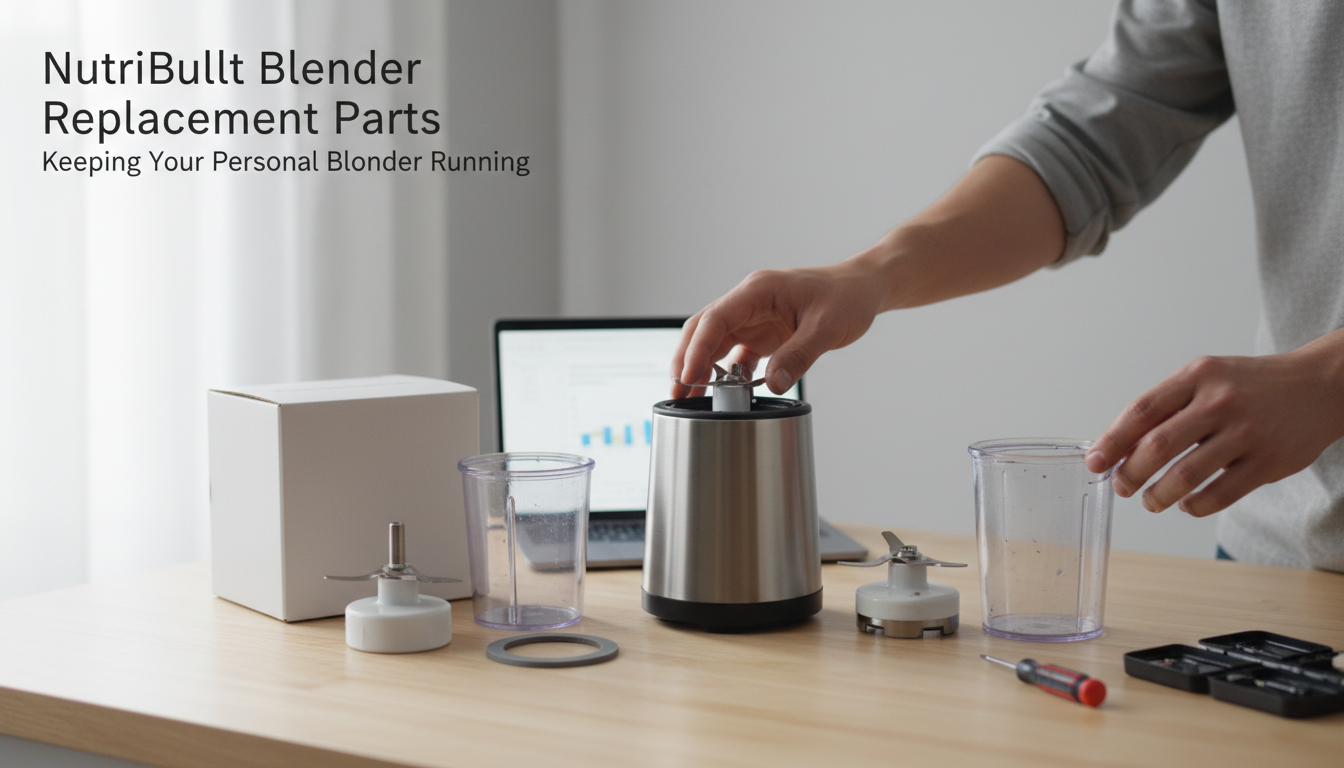
NutriBullet Blender Replacement Parts: Keeping Your Personal Blender Running