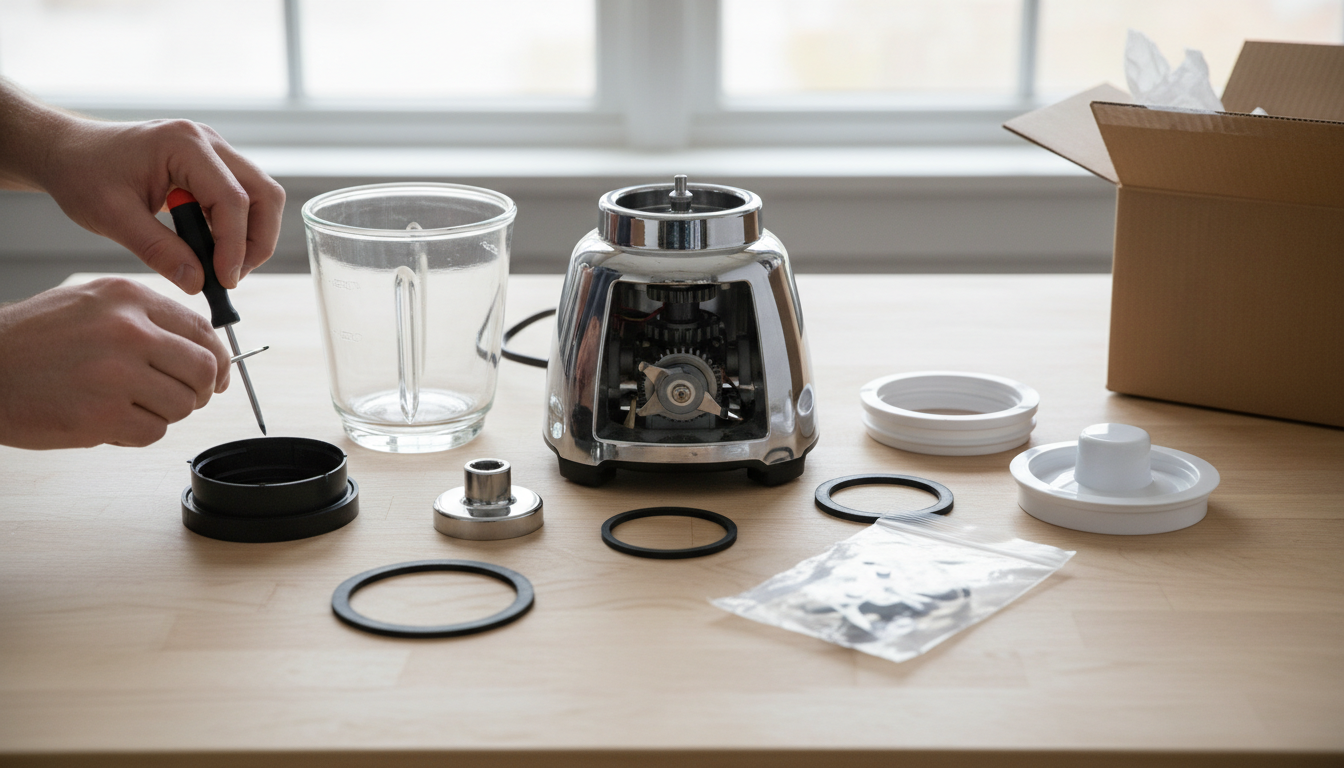
Buying Blender Replacement Parts at Walmart: A Guide to Selection and Value
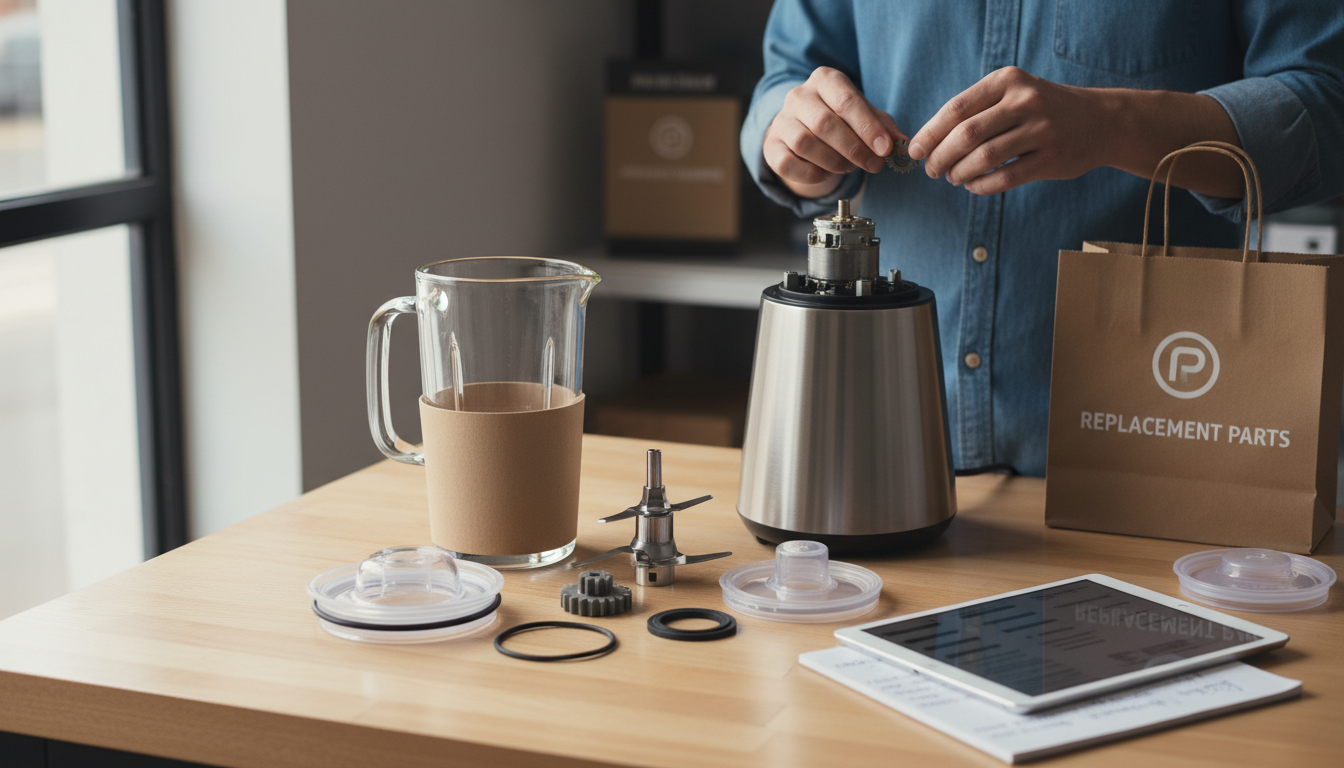
Finding the Right Fit: Your Guide to Walmart Blender Replacement Parts
Blenders are workhorse kitchen appliances, but consistent use inevitably leads to wear and tear on components like blades, jars, and gaskets. Replacing these parts can often extend the life of your appliance, saving you the cost of a full unit replacement. For many consumers, Walmart stands out as an accessible retail option for a wide array of household goods, including potential solutions for appliance repair.
However, navigating the selection of blender replacement parts at Walmart requires a focused approach. While Walmart offers various options, including both genuine OEM and aftermarket parts for different brands, finding the exact match for your specific blender model can present challenges, such as ensuring compatibility and assessing overall value.
This guide is designed to simplify that process. We will walk you through how to effectively search for and identify the correct walmart blender replacement parts, understand the criteria for ensuring compatibility, and evaluate the value proposition to make an informed purchase. By the end, you'll be equipped to confidently select the parts you need to restore your blender's functionality.
What to Expect: Brands and Types of Parts at Walmart
When searching for blender replacement parts at Walmart, consumers can anticipate a selection that caters to several popular blender brands, alongside a range of essential components. The inventory is typically designed to address common wear and tear, offering solutions for extending the life of your appliance.
Walmart's shelves and online catalog often feature replacement parts for widely used blender brands. These can include parts for:
- Oster: A long-standing brand often found in many kitchens.
- Mainstays: Walmart's own brand, which includes blenders and corresponding parts.
- Intertek: Another brand whose parts may appear, particularly for general-purpose blenders.
- Nutri Ninja: Parts for personal blenders from this popular manufacturer are frequently stocked.
Beyond specific brands, the types of replacement parts available at Walmart generally cover the most frequently damaged or worn components. Shoppers can typically find:
- Blades and Blade Assemblies: The cutting mechanism, often including the base and gasket.
- Gaskets and O-rings: Crucial for creating a leak-proof seal between the blade assembly and the jar.
- Jars and Cups: Replacement blending containers, ranging from full-size pitchers to single-serve cups.
- Lids: For both blending jars and personal blending cups.
- Other Accessories: Such as replacement cords or specialized container rinsers, though these are less common than core blending components.
A key distinction to understand is the type of part offered. Walmart stocks both OEM (Original Equipment Manufacturer) parts and aftermarket/generic options. OEM parts are produced by the original blender manufacturer, designed to match the exact specifications of the appliance. Aftermarket parts, conversely, are made by third-party companies. While often more budget-friendly, their compatibility and material quality can vary. Evaluating both types is part of the decision-making process when seeking value and fit.
Key Considerations for Choosing Blender Parts at Walmart
Selecting the correct replacement part for your blender at Walmart requires careful attention to detail. Without the right fit and quality, a new part can be ineffective or even damage your appliance. Focus on these critical criteria to ensure a successful purchase:
-
Exact Model Compatibility The most crucial step is to match the replacement part to your blender's specific brand and model number. Blenders, even from the same manufacturer, often have slight variations that make parts non-interchangeable. Locate the model number, typically found on the bottom or back of your blender's motor base, or within its instruction manual. For instance, a blade designed for an 'Osterizer 4961' model may not fit another Osterizer model, despite appearing similar. Always cross-reference this information with the product description on Walmart's website or packaging.
-
Precise Part Type and Function Beyond the blender model, you must identify the exact component you need to replace. Blender parts serve distinct functions, and a generic search for "blender part" will yield too many irrelevant results. Determine if you require a specific blade type (e.g., a 'cross blade' for chopping or a '6-fin blade' for nutrient extraction), a new 'gasket' for sealing, or a '24oz cup' for personal blending. Walmart's product listings should clearly specify the part's type and intended use, helping you pinpoint the correct item.
-
Material Quality and Durability The longevity and performance of your replacement part depend significantly on its material quality. For blades, look for durable stainless steel, which resists corrosion and maintains sharpness. Jars should ideally be made from robust, food-grade plastic (often BPA-free) or tempered glass to withstand blending forces and temperature changes. Gaskets and O-rings, critical for preventing leaks, should be made from food-safe rubber or silicone that can maintain a tight seal over time. Product descriptions may detail these materials, offering insight into the part's expected lifespan.
-
Leveraging Customer Reviews for Insights Walmart's customer review sections can provide practical, real-world feedback on replacement parts. While product descriptions offer specifications, reviews often highlight compatibility issues, material durability, or common problems that might not be immediately apparent. Look for comments from buyers who own the same blender model as yours. Pay attention to remarks about how well the part fits, its performance after initial use, and any reported issues like leaks, premature wear, or difficulty in assembly. This collective feedback can offer a valuable perspective on the part's overall quality and suitability.
Navigating Potential Pitfalls: Common Issues When Buying Parts from Walmart
While Walmart offers a convenient avenue for purchasing blender replacement parts, consumers may encounter specific challenges. Being aware of these potential issues and understanding how to address them can streamline the buying process and ensure a successful repair.
Avoiding Compatibility Errors
One of the most frequent frustrations when buying replacement parts is receiving an item that doesn't fit. Blender models, even from the same brand, can have subtle variations that make parts incompatible.
- Verify Your Blender's Exact Model Number: Locate the full model number, often found on a sticker on the bottom or back of your blender base. Do not rely solely on the brand name.
- Match Part Numbers: If your existing part has a visible part number, use it in your search and compare it directly to the product description at Walmart.
- Scrutinize Product Descriptions and Images: Carefully read all specifications, dimensions, and compatibility lists provided. Compare the product image to your existing part, paying close attention to blade configurations, gasket shapes, and connection points.
- Consult User Manuals: Your blender's manual may list compatible part numbers or provide diagrams that aid in identification.
Addressing Availability and Stock Issues
Specific replacement parts, especially for older or less common blender models, might not always be readily available at Walmart.
- Check Both Online and In-Store: Walmart's online inventory often differs from what's stocked in physical stores. If an item isn't online, it might be in a local store, or vice-versa.
- Utilize Specific Search Terms: Instead of just "blender blade," try "Osterizer 4961 blade" or "[Your Blender Brand] [Your Model Number] replacement [Part Name]."
- Explore Marketplace Sellers: Walmart's website includes items sold by third-party marketplace sellers. These can sometimes offer parts not directly stocked by Walmart, though their return policies may differ.
- Set Stock Alerts: If available, use "notify me when in stock" features for high-demand items.
Distinguishing OEM vs. Aftermarket Options
Walmart's selection may include both Original Equipment Manufacturer (OEM) parts and aftermarket (generic or compatible) parts. Understanding the difference is key to making an informed choice.
- OEM Parts: These are manufactured by the original blender brand or a company authorized by them. They are designed to match the original specifications exactly. Look for explicit mentions like "Genuine [Brand Name] Part" or "OEM."
- Aftermarket Parts: These are produced by third-party manufacturers to be compatible with specific blender models. They are often more affordable. Descriptions typically state "compatible with [Brand Name] [Model Number]" rather than claiming to be the original brand's part.
- Consider Trade-offs: OEM parts generally offer assured fit and quality, while aftermarket parts can provide a cost-effective alternative. Assess product reviews for aftermarket parts to gauge user experiences regarding fit, durability, and performance.
Understanding Return Policies
Should you purchase an incorrect or faulty part, knowing Walmart's return policy is crucial for a smooth resolution.
- Standard Return Window: Most items sold directly by Walmart have a 90-day return window from the date of purchase, often requiring the original packaging and receipt.
- Marketplace Seller Policies: Items purchased from third-party sellers on Walmart.com may have different return policies, which are usually outlined on the product page or seller's profile. Review these before purchasing.
- Keep Documentation: Always retain your receipt or order confirmation, and if possible, the original packaging until you've confirmed the part fits and functions correctly.
Your Step-by-Step Guide to Buying Replacement Parts at Walmart.com
Acquiring the correct blender replacement part from Walmart's online platform involves a systematic approach to ensure compatibility and value. Successfully navigating the selection requires careful identification of your appliance's specifics and an understanding of Walmart.com's search and marketplace features.
Here's a practical sequence to guide your purchase:
-
1. Identify Your Blender's Model Information Before searching, locate the precise brand and model number of your blender. This information is typically found on:
- The underside of the blender's motor base.
- A label on the power cord.
- Your blender's original user manual or packaging. Model numbers can be a combination of letters and numbers (e.g., "Oster BLSTPB-WBL," "Ninja BL770"). This specific identifier is critical for finding compatible parts.
-
2. Pinpoint the Exact Component Needed Visually inspect your blender to confirm which part requires replacement. Common components include:
- Blade assembly: Often includes the blade, gasket, and base. Note the number of fins for Ninja blenders (e.g., 6-fin, 7-fin).
- Blender jar/cup: Verify the capacity (e.g., 24 oz, 48 oz) and material.
- Lid: Confirm if it's a standard lid, sip-and-seal, or specific to a food processor attachment.
- Gasket/Seal: A separate rubber or silicone ring.
- Drive coupling: The small, often plastic or rubber gear that connects the motor to the blade assembly. Understanding the specific part's name and its key characteristics (like blade type or jar size) will refine your search.
-
3. Employ Effective Search Strategies on Walmart.com Navigate to Walmart.com and use the search bar with precise keywords. Combine your blender's brand, model number, and the specific part you need.
- Start specific: For example, "Oster blender blade 4961," "Nutri Ninja BL770 6-fin blade," or "KitchenAid KSB1570 blender jar."
- Use variations: If an initial search yields no results, try slightly broader terms like "Oster blender gasket" or "Ninja blender cup."
- Utilize filters: Once results appear, use Walmart's filters for brand, price, and customer rating to narrow down options.
-
4. Evaluate Product Listings and Options Review the search results carefully. You may encounter multiple listings for the same part, potentially from different sellers or as "OEM" (Original Equipment Manufacturer) versus "aftermarket" (compatible, third-party) components.
- Read descriptions: Confirm the part's compatibility with your specific blender model number. Look for details on materials, dimensions, and included accessories (e.g., if a blade assembly comes with a gasket).
- Examine images: Compare the product photos to your existing part to ensure a visual match.
- Check customer reviews: Pay attention to feedback regarding fit, durability, and whether the part functioned as expected for users with the same blender model. This can highlight potential compatibility issues or quality concerns.
-
5. Verify Seller Information for Marketplace Items Many blender replacement parts on Walmart.com are sold by third-party sellers through the Walmart Marketplace. It's important to differentiate these from items sold and shipped directly by Walmart.
- Identify the seller: Look for "Sold and shipped by [Seller Name]" on the product page.
- Review seller ratings: Check the seller's overall rating and read specific feedback from other buyers. This provides insight into their reliability, accuracy of product descriptions, and customer service.
- Understand return policies: Third-party sellers may have return policies that differ from Walmart's standard policy. Familiarize yourself with these terms before purchasing to avoid potential issues if the part doesn't fit or is defective.
Making an Informed Choice: Value, Longevity, and When to Upgrade
When considering blender replacement parts from Walmart, making an informed decision involves weighing immediate cost against long-term value and understanding the broader implications for your appliance. This goes beyond simply finding a compatible part; it's about optimizing your investment and ensuring your blender continues to meet your needs.
Cost vs. Quality Trade-offs
Walmart often stocks both Original Equipment Manufacturer (OEM) parts and aftermarket (generic) alternatives. Each presents a different value proposition.
- OEM Parts: These are manufactured by the original blender brand or their authorized suppliers. They typically offer guaranteed compatibility, identical performance to the original component, and often come with brand-specific quality assurances. The trade-off is usually a higher price point. Investing in an OEM part is often more beneficial for critical components like blade assemblies, where precision and material quality directly impact blending performance and safety.
- Aftermarket Parts: Produced by third-party manufacturers, these parts are designed to be compatible with various blender models. They are generally more affordable than OEM options. However, quality can vary significantly. While a cheaper generic gasket might suffice if it fits correctly, for high-stress components like motor couplings or blade bases, an aftermarket part might not offer the same durability or precise fit, potentially leading to premature wear or suboptimal performance. When browsing Walmart's selection, carefully review product descriptions and customer reviews for aftermarket parts to gauge their reported reliability and fit.
Repair vs. Replace
Deciding whether to repair your blender or purchase a new one is a key consideration.
- When to Repair: If the cost of the replacement part is a small fraction of a new, comparable blender's price, and the blender's motor and main housing are still in good working order, repair is often the more economical choice. This applies particularly to easily replaceable components like jars, lids, or gaskets.
- When to Replace: Consider replacing the entire blender if:
- Multiple critical components require replacement, driving the repair cost close to or exceeding that of a new unit.
- The blender's motor shows signs of significant wear, such as unusual noises, overheating, or inconsistent power.
- The model is significantly older, and compatible parts are becoming scarce or disproportionately expensive.
- You frequently encounter issues that suggest an inherent design flaw in the original appliance, making repeated repairs likely.
Fit Limits and Failure Points
Even with new replacement parts, it's important to acknowledge that blenders, like all appliances, have inherent wear points and potential design limitations.
- Common Failure Points: Components such as blade bearings can seize over time, especially if the blender is frequently used with dense ingredients or without sufficient liquid. Blender jars can develop cracks, particularly around the base or handle, due to impact or thermal stress. Motor couplings, which connect the blade assembly to the motor, can strip or wear down.
- Compatibility Challenges: While a replacement part might be listed as compatible, subtle differences in manufacturing tolerances, especially with aftermarket parts, can lead to a less-than-perfect fit. This can cause leaks, increased vibration, or accelerated wear on the new part or other blender components. Always verify your blender's exact model number against the part's specifications.
- Design Limitations: Some blenders may have design choices that contribute to specific parts wearing out faster. For example, plastic blade assemblies might be more prone to wear than metal ones under heavy use. Understanding these potential weaknesses, often highlighted in user reviews, can help manage expectations for the longevity of a replacement part.
Extending Part Lifespan
Once you've installed a new replacement part, several practices can help maximize its lifespan:
- Proper Cleaning: Clean parts immediately after each use. Avoid abrasive scrubbers or harsh chemicals that can damage seals or surfaces. For blade assemblies, ensure no food debris is trapped, which can lead to premature bearing wear.
- Correct Assembly: Always ensure all parts, especially gaskets and blade assemblies, are seated correctly and securely tightened before operating the blender. Improper assembly can cause leaks, strain the motor, or damage the new part.
- Avoid Overloading: Do not exceed the blender's maximum fill lines or attempt to blend ingredients that are too large or dense for its power. Overloading puts undue stress on the motor, blade, and couplings.
- Appropriate Usage: Use the correct speed settings for different ingredients. For example, pulsing for hard ingredients before continuous blending can reduce strain on the blade and motor.
- Temperature Considerations: Allow very hot ingredients to cool slightly before blending, as extreme temperature changes can stress plastic jars and seals. If blending hot liquids, ensure the lid has a vent to prevent pressure buildup.
Frequently Asked Questions About Walmart Blender Parts
Navigating the options for blender replacement parts can bring up several questions. Here are answers to common concerns shoppers might have when considering Walmart as their source.
What types of blender parts can I find at Walmart? Walmart typically stocks a range of common replacement parts for popular blender brands, including those for Oster, Mainstays, and Intertek, as well as some compatible parts for other widely used blenders like certain Ninja models. Shoppers can generally find:
- Blades and Blade Assemblies: The cutting components, often sold with an integrated base or gasket.
- Gaskets and O-rings: Essential seals that prevent leaks and ensure proper function.
- Blender Jars/Cups: Replacement containers for various models.
- Lids: For jars and cups, sometimes sold separately or as part of a kit.
How do I ensure compatibility when buying parts from Walmart? Ensuring compatibility is critical to a successful purchase. Always check your blender's specific brand and model number, which is usually found on the bottom of the motor base. When browsing at Walmart, compare this information directly with the product description of the replacement part. Look for explicit statements like "Compatible with [Brand] [Model Number]" or "Designed for [Brand] [Part Number]." Do not rely solely on visual appearance, as many parts look similar but have subtle differences in fit.
Are parts from Walmart genuine OEM or aftermarket? Walmart's inventory includes both genuine Original Equipment Manufacturer (OEM) parts and aftermarket (compatible) parts. For example, some listings clearly state "Genuine OEM Oster" for specific components. Other products might be described as "compatible with" a certain brand or model, indicating they are aftermarket alternatives. OEM parts are made by the original blender manufacturer, while aftermarket parts are produced by third-party companies. Both types can be functional, but quality and exact fit may vary with aftermarket options.
What if the specific part I need isn't available at Walmart? While Walmart offers a broad selection, it may not carry every single replacement part for every blender model, especially for older or less common units. If you can't find the exact part you need, consider these steps:
- Check Walmart's online marketplace: Independent sellers sometimes offer a wider variety of parts through Walmart.com.
- Contact the blender manufacturer: They often sell parts directly or can recommend authorized distributors.
- Explore specialized appliance parts retailers: These stores focus solely on replacement components and may have a broader inventory.
Can I return blender parts to Walmart if they don't fit or are faulty? Generally, Walmart's return policy allows for the return of most items within a specified period, provided you have the receipt. If a blender part is faulty or defective, it typically falls under their return guidelines. For parts that don't fit, returns are usually accepted if the product is unused and in its original packaging. However, it is always advisable to review Walmart's current return policy, either on their website or by inquiring at a customer service desk, before making a purchase, especially for opened items or if there's uncertainty about compatibility.
Empowering Your Blender's Revival with Walmart Parts
Successfully sourcing blender replacement parts from Walmart hinges on informed decision-making. By understanding the nuances of model identification, verifying compatibility, and assessing the value of available options, you transform a potentially frustrating search into a strategic repair. This approach not only ensures you get the right part but also maximizes the effectiveness of your purchase.
Armed with the criteria for distinguishing between genuine and aftermarket components, the knowledge of where to locate specific parts within Walmart's diverse inventory, and the foresight to check product reviews, you are well-equipped. Approach Walmart's offerings with confidence, knowing that a methodical search based on your blender's exact specifications will lead to a suitable solution.
Ultimately, investing in the correct replacement parts is a practical step towards sustainability and economy. It extends the functional life of your blender, preventing premature disposal and offering a cost-effective alternative to purchasing a brand-new appliance. Your efforts in selecting the right part contribute directly to maintaining your kitchen's blending power for continued use.
More in Blender Replacement Parts
View AllKenwood Blender Replacement Parts: Ensuring Compatibility and Long-Term Reliability