Oster 12-Speed Blender Replacement Parts: Restoring Functionality to Your Classic Appliance
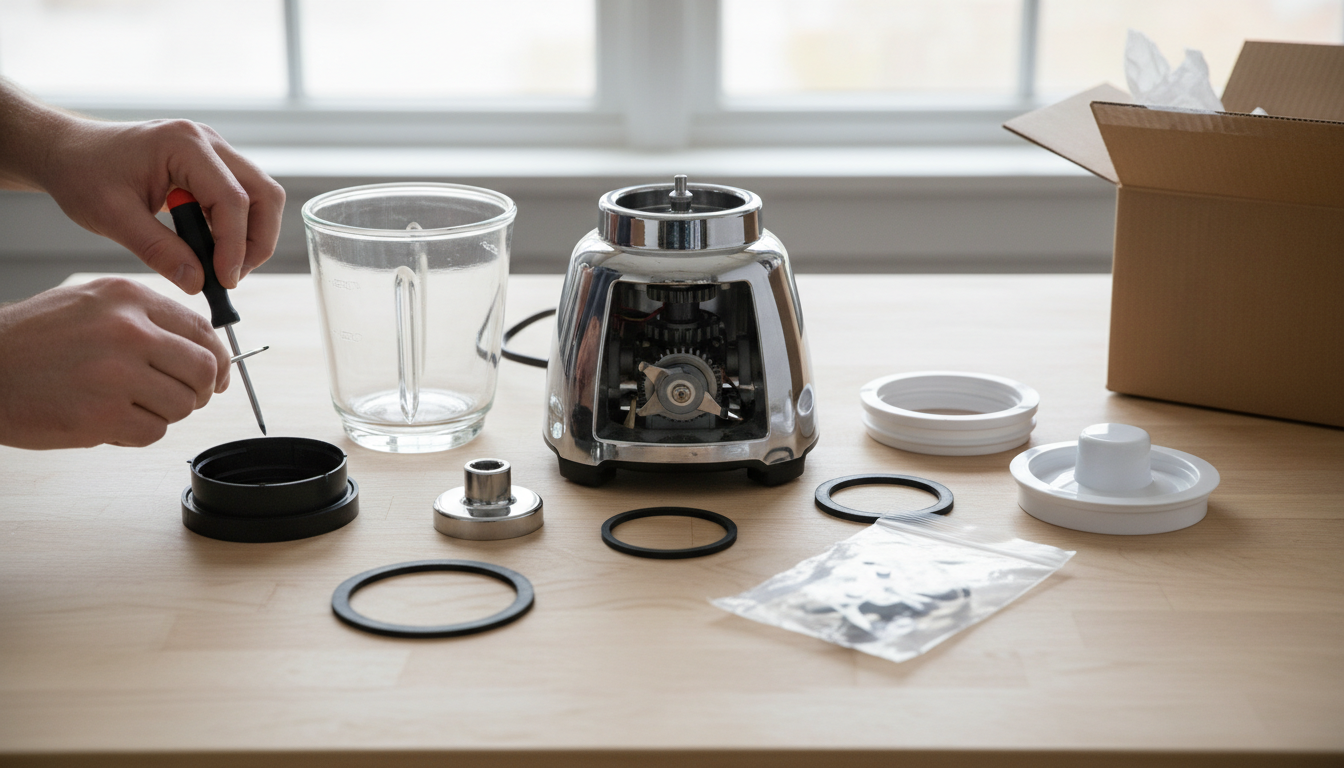
Oster Speed Value and Buyer Fit
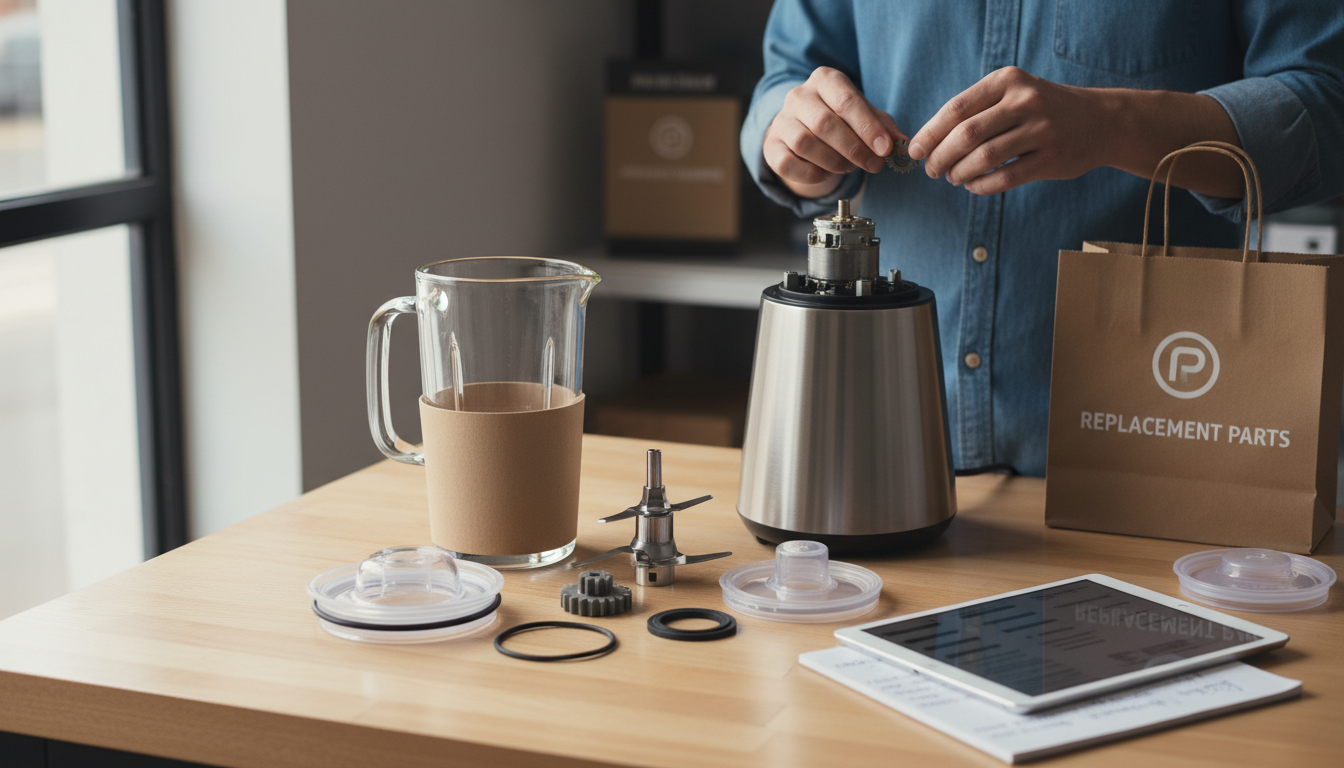
The continued availability of replacement parts for Oster's 12-speed blenders underscores a specific value proposition: extending the functional life of a durable appliance. This feature is particularly relevant for buyers who prioritize repairability and longevity over immediate replacement, often reflecting a classic design known for its robust motor base. The intent behind seeking these parts is to restore peak performance to an existing unit, rather than acquiring a new one.
This approach primarily fits two buyer segments:
- Existing Owners: Individuals who already possess an Oster 12-speed blender and have experienced a component failure, such as a worn blade, cracked jar, or compromised gasket. For these users, sourcing a replacement part is a cost-effective alternative to purchasing an entirely new blender, leveraging the remaining functional life of their motor base.
- Sustainability-Minded Consumers: Buyers who value reducing waste and extending the lifecycle of household appliances. Opting for replacement parts aligns with a repair-and-reuse philosophy, minimizing environmental impact compared to discarding and replacing a still-functional appliance.
The availability of these parts matters significantly when the core motor unit of the 12-speed blender remains reliable, but peripheral components have degraded or broken. This allows owners to maintain a familiar appliance, often appreciated for its consistent performance and straightforward operation, without incurring the expense of a full upgrade. However, buyers should consider the trade-off of potentially older technology against the cost savings and environmental benefits of repair. Ensuring part compatibility and material quality are critical criteria for a successful restoration.
Oster-Speed Evidence Criteria Before Choosing
When selecting replacement parts for your Oster 12-speed blender, a structured approach based on verifiable criteria helps ensure functionality and value. The goal is to restore performance effectively, avoiding common pitfalls associated with incompatible or low-quality components. Focus on these measurable checks to guide your decision.
-
Model and Part Number Compatibility:
- Criteria: The replacement part must explicitly state compatibility with "Oster 12-speed blenders" or list specific Oster model numbers found on your appliance's base. For individual components like blades or jar bases, look for corresponding Oster part numbers (e.g., 4961 for certain blades, 4902 for jar bottom caps) in the product description.
- Proof Points:
- Direct manufacturer labeling or product descriptions confirming "Oster 12-Speed" fitment.
- Cross-reference tables provided by reputable sellers that list compatible Oster blender models.
- User reviews specifically mentioning successful installation on an Oster 12-speed model.
- Deal Breakers: Generic "fits most blenders" claims without specific Oster 12-speed mention; absence of part numbers or clear model compatibility; conflicting information from the seller.
-
Material Quality and Durability:
- Criteria: Components like blades should be stainless steel, and gaskets/seals should be food-grade rubber or silicone for longevity and safety. Jar replacements should match the original material (e.g., glass) or offer a durable, food-safe alternative.
- Proof Points:
- Product specifications detailing material composition (e.g., "surgical-grade stainless steel," "BPA-free plastic," "food-grade silicone").
- Certifications or compliance statements where applicable (e.g., FDA-approved materials).
- Customer reviews that comment on the material's feel, sturdiness, or how it holds up to use and washing over time.
- Deal Breakers: Vague material descriptions; reports of parts breaking down quickly, rusting, or developing odors; thin or flimsy construction compared to the original part.
-
Seller Reputation and Return Policy:
- Criteria: Purchase from sellers with a track record of providing accurate product descriptions and quality parts, especially for third-party or aftermarket options. A clear return policy is essential in case of incompatibility or defects.
- Proof Points:
- High seller ratings and positive feedback on product accuracy and customer service.
- Explicitly stated return or exchange policies, including details on who covers shipping for returns due to product defects or misrepresentation.
- Availability of customer support for compatibility questions.
- Deal Breakers: Sellers with consistently low ratings or numerous complaints about incorrect parts; "all sales final" policies for replacement parts; difficulty contacting customer service.
-
Cost-Effectiveness vs. Appliance Value:
- Criteria: The total cost of replacement parts (including shipping) should represent a reasonable investment compared to the cost of a new, comparable blender. This assessment is particularly important for older appliances where motor life might be a factor.
- Proof Points:
- Comparison of part cost against current market prices for new blenders with similar features.
- Your personal assessment of the remaining functional life and sentimental value of your existing Oster 12-speed blender.
- Deal Breakers: Replacement part costs approaching or exceeding 50-70% of a new blender's price, especially if the blender's motor base shows signs of wear or reduced performance.
Oster-Speed Trade-Offs trade-offs and maintenance
While sourcing replacement parts for an Oster 12-speed blender can extend its life, this decision involves specific trade-offs and ongoing maintenance considerations that buyers should evaluate. The commitment to repair, rather than replace, carries implications for time, cumulative cost, and the ultimate durability of the restored appliance.
- Maintenance Effort and Frequency: Opting for replacement parts generally means a higher level of user involvement in appliance maintenance. Beyond simply replacing a worn component, owners may need to regularly inspect other parts for wear, such as gaskets or blade bearings, to prevent cascading failures. This proactive approach can demand more time and attention than operating a new, fully integrated unit. For instance, frequently used blenders might require more regular checks of the blade assembly and jar base for leaks or diminished performance.
- Durability of Restored Functionality: While a new replacement part can restore specific functionality (e.g., a sharp blade for blending), it does not rejuvenate the entire appliance. The motor base, which often dictates the blender's overall lifespan, continues to age. Therefore, the durability of the restored blender is a composite of the new part's quality and the remaining life of the original motor and internal components. Aftermarket parts, in particular, may vary in material quality and manufacturing precision, potentially offering a shorter lifespan than original equipment manufacturer (OEM) parts.
- Hidden Costs and Value Proposition: The initial cost of a replacement part might be low (e.g., a blade assembly for around $10-$20), but these expenses can accumulate.
- Cumulative Part Costs: Repeatedly replacing individual components over time can eventually approach or exceed the cost of a new, entry-level blender.
- Time Investment: The time spent researching, ordering, waiting for delivery, and installing parts represents a non-monetary cost.
- Shipping Fees: Small, inexpensive parts often incur shipping charges, which can significantly increase the total cost per part.
- Compatibility Risk: Purchasing an incorrect or incompatible part can result in wasted money and time, requiring further research and re-ordering.
- Opportunity Cost: Maintaining an older model means foregoing potential improvements in efficiency, noise reduction, or advanced features found in newer blenders.
Understanding these aspects helps buyers make an informed decision on whether repairing their Oster 12-speed blender aligns with their long-term usage expectations and budget.
Oster-Speed Use Case comparison path
Deciding whether to replace parts for an Oster 12-speed blender versus exploring other options involves a comparison of cost, functionality, and long-term utility. This assessment helps determine if restoring your classic appliance is the most practical path or if alternatives better suit your current needs.
- Restoring Your Oster 12-Speed Blender: This path is optimal when the core motor unit remains robust, and only specific, peripheral components have failed. Common replacements include blades, gaskets, jar bases, and jar caps. This approach leverages the inherent durability of many older Oster motor bases, offering a cost-effective solution (individual parts often range from $7 to $22) and aligning with a sustainable mindset by extending the appliance's lifespan. It is the best fit if you value the familiar operation of your existing blender and its motor is still performing reliably.
- Purchasing a New Basic Blender: A new entry-level blender, potentially another Oster model or a different brand, serves as an alternative if your existing 12-speed motor shows signs of significant wear, makes unusual noises, or has failed entirely. While this means a higher upfront cost, it guarantees a fully functional unit with a new warranty. This path is suitable when the cumulative cost of multiple replacement parts approaches the price of a new basic model, or if finding compatible parts for your specific vintage 12-speed blender proves difficult due to discontinuation.
- Upgrading to a Modern, Feature-Rich Blender: This alternative is for users seeking enhanced capabilities beyond what a classic 12-speed model offers, such as higher wattage for tougher ingredients, pre-programmed settings, quieter operation, or specialized functions like heating or food processing. This represents a significant investment but provides access to contemporary blending technology and potentially greater versatility. Consider this option if your blending needs have evolved, or if you frequently encounter tasks that push the limits of your 12-speed model, even with new parts.
When evaluating these paths, consider skipping the replacement parts route if the motor itself is compromised, or if the total cost of necessary parts outweighs the value of a new, basic blender. Similarly, avoid a costly upgrade if your blending tasks are simple and infrequent, as a restored 12-speed model can adequately handle everyday needs like smoothies and sauces. The decision hinges on the health of your current motor, the availability and cost of specific parts, and your evolving blending requirements.
Oster 12 Speed Blender Replacement Parts FAQ
Understanding the nuances of replacement parts for your Oster 12-speed blender can clarify your buying decision. This section addresses common objections and considerations to help you confidently restore your appliance.
-
Is investing in replacement parts for an Oster 12-speed blender truly cost-effective? Yes, often it is. The core motor unit of many Oster 12-speed blenders is robust and designed for longevity. Replacing a worn blade, a cracked jar, or a compromised gasket is typically less expensive than purchasing an entirely new blender. This approach leverages the remaining functional life of your existing appliance, offering significant savings, especially if the motor base is still performing well.
-
What are the most common mistakes buyers make when selecting Oster 12-speed blender replacement parts? The primary mistake is overlooking precise compatibility. Oster has produced various 12-speed models over the years, and while many parts are interchangeable, others are not.
- Ignoring Model Numbers: Always verify the specific model number of your blender against the part's stated compatibility.
- Assuming Universal Fit: Not all Oster "universal" parts fit every 12-speed model. Check for explicit mentions of your blender series.
- Prioritizing Price Over Quality: While aftermarket parts can be more affordable, ensure they meet material quality and safety standards to avoid premature wear or potential food contamination.
-
When should I consider buying a new blender instead of replacing parts for my Oster 12-speed model? While replacement parts offer value, there are situations where a new appliance might be a better alternative:
- Major Motor Failure: If the motor itself is failing or showing signs of significant wear, replacing parts for peripheral components won't address the core issue.
- Cost of Multiple Parts: If you need to replace several major components (e.g., jar, blade, and base), the cumulative cost might approach that of a new, entry-level blender.
- Discontinued Parts: For very old or less common 12-speed models, specific parts might be difficult or impossible to find, making repair impractical.
- Desire for New Features: Newer blenders often come with updated features, designs, or improved performance that your classic 12-speed model may lack.
Oster-Speed Repair Decision
For owners of an Oster 12-speed blender, the availability of replacement parts presents a clear opportunity to extend the life of a functional appliance. The decision to pursue replacement parts is a practical choice for maintaining performance and avoiding unnecessary waste, particularly when the blender's motor base remains robust. This approach prioritizes repairability, allowing you to restore specific functions rather than investing in an entirely new unit.
To confidently proceed with a repair, your next action involves two key steps:
- Verify Compatibility: Reconfirm the exact model number of your Oster 12-speed blender and cross-reference it with the part numbers of potential replacements. This ensures a precise fit and optimal performance.
- Assess Part Quality: Utilize the criteria discussed previously, such as material composition and user feedback, to select components that offer durability and safety.
By applying these checks, you can make an informed decision to revitalize your Oster 12-speed blender, ensuring its continued utility in your kitchen.
More in Blender Replacement Parts
View All
Kenwood Blender Replacement Parts: Ensuring Compatibility and Long-Term Reliability
Buying Blender Replacement Parts at Walmart: A Guide to Selection and Value