Nutri Ninja Blender Replacement Parts: Maintaining Your Personal Blending Power
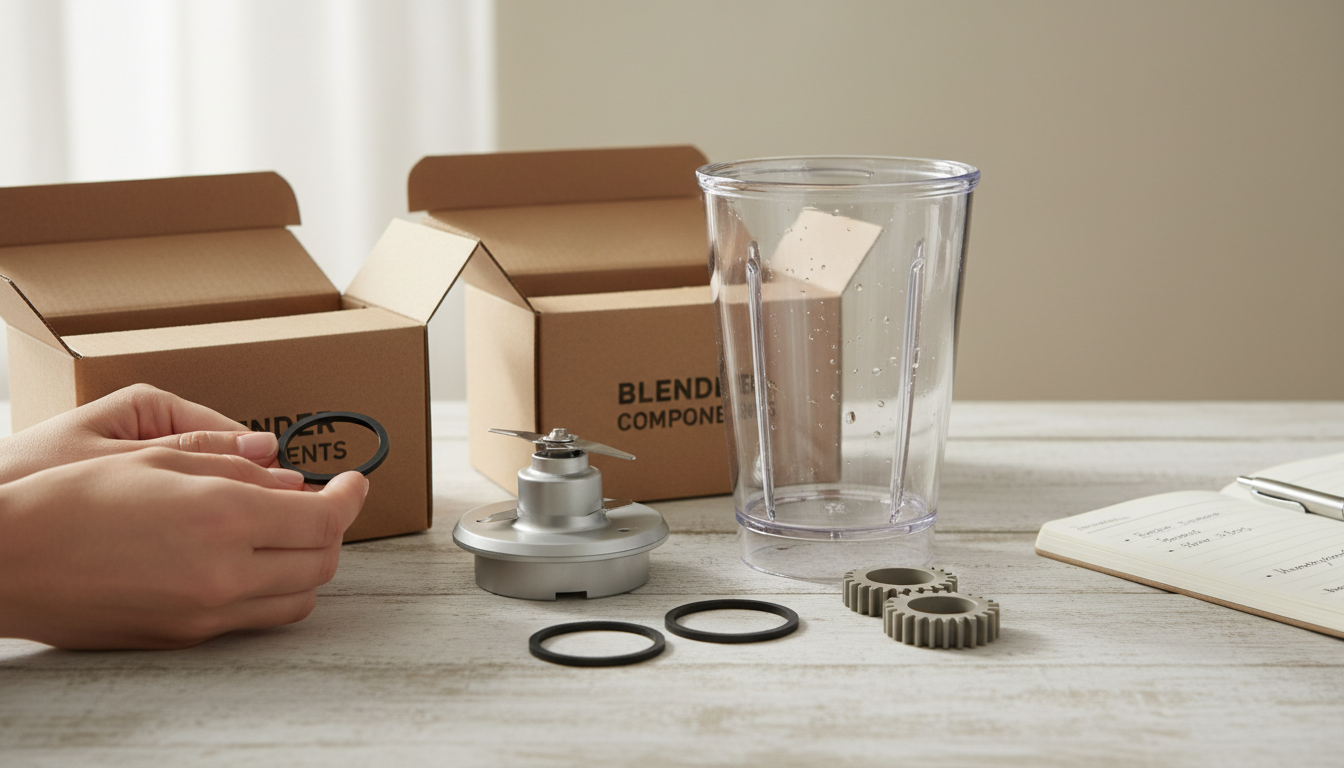
Revitalize Your Blend: A Guide to Nutri Ninja Blender Replacement Parts
Nutri Ninja blenders have become a popular choice for personal blending, known for their ability to quickly prepare smoothies, shakes, and other single-serve recipes. This consistent, everyday use, however, inevitably leads to wear and tear on various components. When parts begin to show signs of age or damage, replacing them can significantly extend your appliance's lifespan and restore its original performance.
This article serves as a comprehensive guide to help you identify, select, and confidently purchase the correct and durable replacement parts for your specific Nutri Ninja blender model. Our goal is to empower you to make informed decisions, ensuring compatibility and avoiding common issues that can arise from incorrect part selection. We'll focus on common replacements such as blade assemblies, blending cups, and sealing gaskets, all essential for maintaining your blender's efficiency and reliability.
Common Wear and Tear: Why Nutri Ninja Parts Need Replacing
Even with regular care, the components of a Nutri Ninja blender are subject to wear and tear over time, necessitating replacement to maintain performance and extend the appliance's functional life. The typical lifespan of blender components varies significantly based on usage frequency, ingredients blended, and cleaning practices. However, certain parts are inherently more prone to degradation due to their function and exposure.
Several key components frequently exhibit issues that demand attention:
- Dulling or Rusting Blades: The sharp edges of the extractor blades can dull with consistent use, particularly when processing tough ingredients like ice or frozen fruits, leading to inefficient blending. Rust can also develop on metal components, especially if the blade assembly is not dried thoroughly after washing, potentially contaminating food and compromising blade integrity.
- Cracked or Leaking Cups: Blending cups endure significant stress from impact, temperature changes, and repeated attachment/detachment. Over time, this can lead to hairline cracks, especially near the threads or base, which can result in leaks during operation.
- Degraded or Ill-Fitting Gaskets/Seals: The rubber or silicone gaskets and seals within the blade assembly and cup lids are crucial for preventing leaks. These materials can degrade, harden, crack, or become dislodged with repeated use and cleaning, losing their elasticity and ability to create a tight seal.
A common and frustrating problem for many Nutri Ninja owners is leakage, often stemming directly from compromised seals or blade assembly issues. When gaskets become worn or improperly seated, or if the blade assembly itself develops a fault, liquid can escape during blending, creating a mess and potentially damaging the motor base. This highlights the critical role of these sealing components in the blender's design.
Beyond immediate failures, worn parts can also place undue strain on the blender's motor. A dull blade, for instance, requires the motor to work harder to achieve the desired blend consistency, leading to increased energy consumption and premature motor wear. Similarly, an ill-fitting cup or a compromised blade assembly can cause vibrations or misalignment, further stressing the motor and reducing overall blending efficiency. Addressing these issues proactively with correct replacement parts is key to preserving your blender's core functionality.
Essential Nutri Ninja Replacement Parts: What to Look For
When maintaining your Nutri Ninja blender, understanding the specific characteristics and buying considerations for each critical component is key to selecting suitable replacements. Each part plays a distinct role in performance, and informed choices can prevent common issues like incompatibility or premature wear.
Extractor Blades: The Heart of Your Blend
The extractor blade assembly is central to your Nutri Ninja's performance, responsible for pulverizing ingredients. Its effectiveness hinges on both the sharpness and structural integrity of the blades. Over time, consistent use, especially with tough ingredients like ice or frozen fruit, can dull the blade edges, leading to less efficient blending and a coarser texture. A compromised blade assembly, perhaps with bent fins or a failing bearing, can also strain the blender's motor and potentially leak.
When seeking a replacement, carefully identify your blender's original blade type. Nutri Ninja blenders commonly feature either 6-fin or 7-fin blade designs. An incorrect fin count will prevent proper attachment or function, leading to frustration and potential damage. Always cross-reference the replacement part's compatibility with your specific Nutri Ninja model number (e.g., BL480, BL640, QB3000 series) to ensure a precise fit. For material considerations, prioritize stainless steel blades for their inherent durability and resistance to rust and corrosion, which helps maintain hygiene and longevity. A high-quality blade assembly should also incorporate a robust bearing system to ensure smooth, consistent rotation and a secure seal during operation.
Blending Cups and Jars: Holding Your Power
Nutri Ninja blending cups are designed for personal serving sizes, making them subject to daily handling, impacts, and temperature fluctuations. These stresses can eventually lead to wear, such as hairline cracks, particularly around the threads or base, or a compromised seal, resulting in leaks during blending.
Replacement cups are available in various common capacities, including 18oz, 24oz, and 32oz. Your choice of size should align with your typical blending needs, whether for single servings or slightly larger preparations. Crucially, verify that the replacement cup is compatible with your specific blender base, as not all models support every cup size. For health and safety, always prioritize cups made from BPA-free materials. This ensures that no harmful chemicals leach into your food or beverages. Beyond material composition, consider the overall durability of the cup's construction, looking for robust designs that offer resistance to cracking and withstand the rigors of frequent use and cleaning.
Navigating Compatibility: Finding the Right Part for Your Nutri Ninja Model
Ensuring compatibility is the single most critical factor when purchasing Nutri Ninja blender replacement parts. Without a precise match, even a seemingly minor difference can lead to improper fitment, leaks, damage to your blender, or simply a non-functional appliance. This often results in the frustration of parts being "frequently returned due to unexpected size" or incorrect specifications, wasting both time and money. To avoid these common pitfalls, a systematic approach to identifying and verifying parts is essential.
Here’s how to confidently determine the correct replacement part for your specific Nutri Ninja model:
- Locate Your Blender Model Number: This is the foundational step. Your Nutri Ninja blender's model number is typically found on a label affixed to the underside or back of the motor base. It might also be present on the original packaging or in the user manual. Common Nutri Ninja model series include BL450, BL480, BL640, and QB3000. Note this number precisely, as even a single digit or letter difference can indicate a distinct model with different part requirements.
- Check Part Numbers and Product Descriptions: Once you have your model number, use it to search for replacement parts. Reputable sellers and manufacturers will explicitly list the compatible Nutri Ninja models or series in the product description. Look for specific part numbers that correspond to your blender's original components. For example, a blending cup might specify "Compatible with Nutri Ninja Auto-iQ BL480, BL640, CT680 Blenders" or a blade assembly might list "Pro Extractor Blade Assembly Replacement Part Compatible with Nutri Ninja QB3000 Series."
- Exercise Caution with 'Universal' Claims: While some aftermarket parts might claim "universal" compatibility, it is crucial to verify these claims against your specific Nutri Ninja model series. Unless a part explicitly states compatibility with your exact Nutri Ninja model or a range that includes it, assume it may not fit correctly. Generic parts, without specific compatibility listings, carry a higher risk of incorrect dimensions, material differences, or design variations that prevent proper function or create safety hazards. Prioritize parts with clear, explicit compatibility statements to ensure a secure and effective replacement.
Quality, Materials, and Durability: What to Look For (and Avoid)
When selecting Nutri Ninja replacement parts, the material quality and construction directly impact both blending performance and long-term safety. Opting for cheaper, inferior components can lead to premature failure, potential leaks, and even compromise food safety, ultimately costing more in the long run.
Prioritize parts made from appropriate, food-grade materials:
- Blades: Look for high-grade stainless steel. This material resists corrosion and maintains sharpness longer, crucial for efficient blending. Cheaper alternatives may dull quickly, rust, or even chip, posing a risk. The blade assembly should also feature a robust bearing system and a securely fitted, leakproof sealing ring, as these are common points of failure.
- Cups and Lids: Ensure these are made from durable, BPA-free plastic. This guarantees food safety and resistance to cracking from impact or repeated temperature changes. Vague descriptions like "food-grade plastic" without explicit "BPA-free" certification can be a warning sign.
- Gaskets and Seals: These critical components should be made from flexible, resilient silicone or rubber designed for food contact. They must fit snugly to prevent leaks during operation.
There is often a trade-off between initial cost and durability. While lower-priced aftermarket parts can be appealing, they may not offer the same material quality or manufacturing precision as original equipment or reputable third-party alternatives. Parts with thinner plastics, less robust metal, or poorly molded threads are more likely to fail quickly, requiring frequent replacements and potentially damaging your blender's motor base.
To identify and avoid low-quality parts, consider these warning signs:
- Vague Product Descriptions: Be wary of listings that lack specific material details (e.g., "durable plastic" instead of "BPA-free Tritan" or "high-grade stainless steel").
- Lack of Material Specifics: If the product description doesn't explicitly state the materials used for critical components like blades or cups, it may indicate a lower-quality composition.
- Consistent Negative Reviews: Pay close attention to reviews mentioning issues such as premature rust, cracking, poor fit, leaks, or parts breaking after minimal use. Phrases like "frequently returned due to unexpected size" can also signal fitment problems.
- Poor Construction and Finish: Examine product images for signs of rough edges, visible seams, or flimsy construction. For blade assemblies, ensure the threads are clean and well-formed, and the gasket is firmly seated. A secure, precise fit is essential for preventing leaks and ensuring proper operation with your Nutri Ninja motor base.
Your Nutri Ninja Replacement Part Buying Checklist
Before committing to a purchase, a systematic approach helps ensure you acquire the correct and most durable replacement part for your Nutri Ninja blender. This checklist outlines essential steps to navigate the selection process and mitigate common buying risks.
- Confirm Your Nutri Ninja Blender's Exact Model Number. This is the most crucial step. Nutri Ninja produces numerous models, and parts are rarely universally interchangeable. Locate the model number, typically found on a label on the base of the motor unit or in your user manual. This number (e.g., BL480, BL640, QB3000) will be your primary reference for compatibility.
- Identify the Specific Part You Need. Clearly define whether you require a new blade assembly (often called an "extractor blade"), a blending cup, a lid, or a gasket/seal. Each component serves a distinct function and has specific compatibility requirements.
- Verify Compatibility with the Replacement Part's Description. Once you have your model number and the part identified, cross-reference it directly with the product description of the replacement part. Reputable sellers will explicitly list compatible Nutri Ninja models. Do not assume a part will fit based solely on visual similarity.
- Check Material Specifications. For blending cups, prioritize options labeled "BPA-free" to ensure food safety. For blade assemblies, look for durable materials like "stainless steel" for the blades themselves, which contributes to longevity and efficient blending. Gaskets should be made of food-grade silicone or rubber for effective sealing.
- Consider the Seller's Reputation and Return Policy. Especially for critical components like blade assemblies or cups where fitment is paramount, purchasing from a seller with a strong reputation for accuracy and a clear, accommodating return policy is advisable. This provides recourse if the part is incompatible or defective upon arrival, helping to avoid issues such as "unexpected size" returns.
Common Questions About Nutri Ninja Replacement Parts
Navigating the world of replacement parts can bring up several questions regarding maintenance, compatibility, and quality. Understanding these aspects is key to making informed decisions and ensuring your Nutri Ninja blender continues to operate effectively.
-
How often should I replace my Nutri Ninja blade? The lifespan of a Nutri Ninja blade assembly is not fixed, as it depends heavily on usage frequency and the types of ingredients blended. Indicators that a blade may need replacement include:
- Dullness: If blending takes longer, or results are gritty rather than smooth, the blades may have dulled from processing tough ingredients like ice or frozen fruits.
- Rust: Rust can develop on metal components, particularly if the blade assembly is not thoroughly dried after washing, which can compromise its integrity and food safety.
- Unusual Noises: A grinding or rattling sound during operation could indicate worn bearings within the blade assembly.
- Leaks: If the blade assembly leaks from its base, the internal seals may be compromised, even if the gasket between the cup and base is intact. Regular inspection for these signs is more reliable than adhering to a strict replacement schedule.
-
Are third-party replacement parts as good as original ones? The quality of third-party replacement parts can vary significantly. While some aftermarket options offer comparable performance and durability at a potentially lower cost, others may not meet the same standards as original equipment manufacturer (OEM) parts. Issues such as improper fit, premature wear, or material quality concerns (e.g., non-food-grade plastics) have been reported. When considering third-party parts, it is important to:
- Verify compatibility with your specific Nutri Ninja model number.
- Examine product descriptions for material specifications, such as BPA-free plastic for cups or stainless steel for blades.
- Review user feedback regarding fit, durability, and any reported issues like leaks or breakage. Choosing reputable third-party sellers with transparent product information can help mitigate risks.
-
How do I properly clean and maintain my replacement parts? Proper cleaning and maintenance extend the life of all blender components, including replacement parts. For blade assemblies and cups, immediate rinsing after use helps prevent food residue from hardening. Most Nutri Ninja cups and blade assemblies are designed for easy cleaning.
- Hand washing with warm, soapy water is generally recommended for blade assemblies to protect the seals and bearings, followed by thorough rinsing.
- Thorough drying is crucial, especially for blade assemblies, to prevent rust development on metal components and inhibit mold growth in seals.
- Avoid abrasive cleaners or scouring pads, which can scratch plastic cups or damage blade finishes.
- For gaskets, ensure they are clean and free of debris before reassembly to maintain a proper seal.
-
What should I do if my blender still leaks after replacing the gasket? If your Nutri Ninja blender continues to leak after replacing the gasket, the issue may stem from other components. Consider the following troubleshooting steps:
- Inspect the Cup: Check the blending cup for hairline cracks, especially around the rim or base, which can be a source of leaks.
- Examine the Blade Assembly: The internal seals within the blade assembly itself can degrade, leading to leaks even if the external gasket is new. Look for any signs of moisture around the blade shaft or beneath the blade housing.
- Ensure Proper Assembly: Confirm that the blade assembly is securely tightened onto the cup and that the cup is correctly seated and locked onto the blender base. An improperly aligned or loose connection can cause leaks.
- Check for Debris: Even a small piece of food debris caught in the threads of the cup or blade assembly can prevent a watertight seal.
-
Can I upgrade my Nutri Ninja cup size with a replacement? It is often possible to use different cup sizes with your Nutri Ninja blender, provided the replacement cup is designed to be compatible with your specific blender base and blade assembly. Nutri Ninja models typically support a range of cup sizes (e.g., 18 oz, 24 oz, 32 oz). However, compatibility is not universal across all Nutri Ninja series. Before purchasing a larger or smaller cup, always:
- Verify your blender's model number: This is usually found on a label underneath the blender base.
- Check the product description: Ensure the replacement cup explicitly states compatibility with your blender model.
- Consider your existing blade assembly: Some blade assemblies are designed for specific cup sizes or series. Ensure your current blade assembly will fit the new cup, or be prepared to purchase a compatible blade assembly as well.
Keeping Your Nutri Ninja Blending Strong
The continued efficiency and lifespan of your Nutri Ninja blender depend significantly on the informed selection of replacement parts. Choosing components that precisely match your model and meet quality standards is crucial for maintaining optimal performance and preventing further issues.
By understanding common wear points and proactively replacing worn blades, cups, or seals, you can substantially extend your appliance's operational life. This diligent approach not only restores blending power but also safeguards your investment. Utilize the guidance provided to confidently identify and acquire the most suitable parts, ensuring your Nutri Ninja remains a reliable tool in your kitchen for years to come.
More in Blender Replacement Parts
View All
Kenwood Blender Replacement Parts: Ensuring Compatibility and Long-Term Reliability