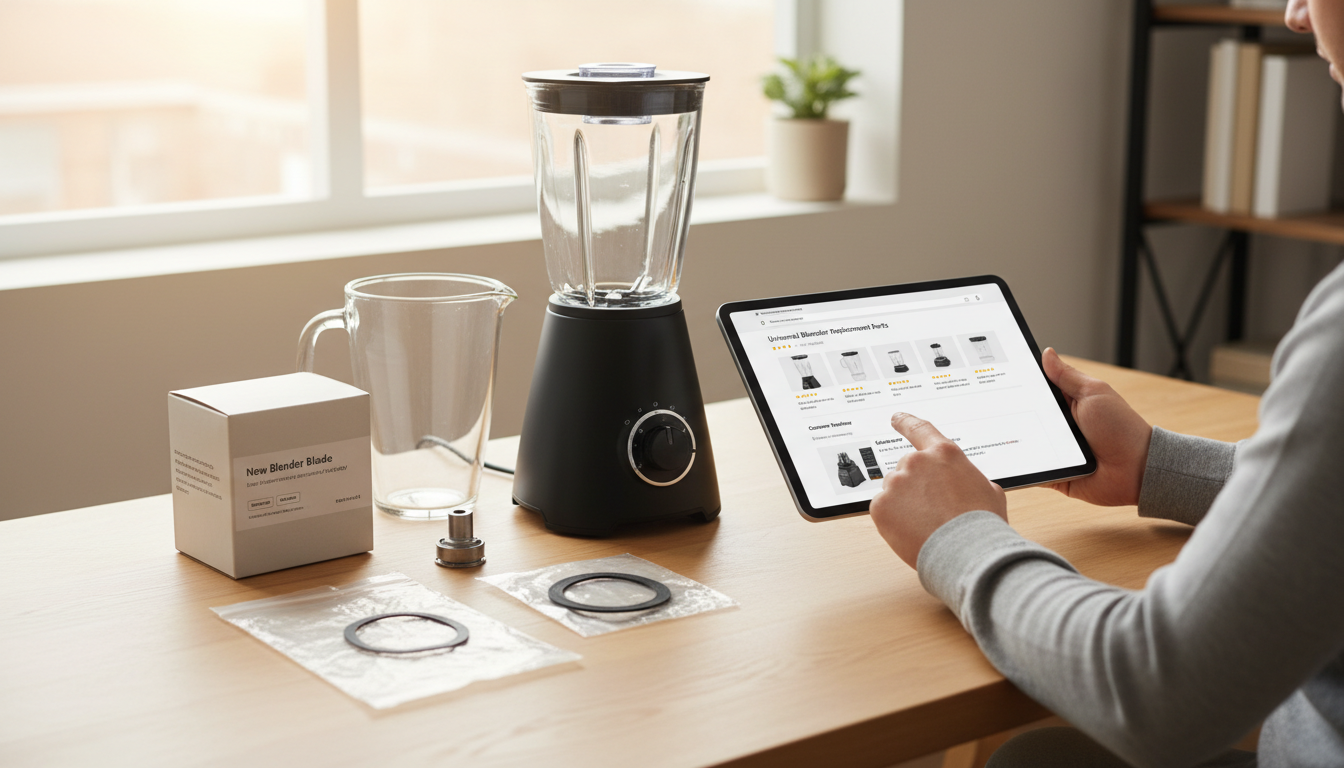
Choosing the Right Ninja Blender Blade Replacement Parts for Optimal Performance
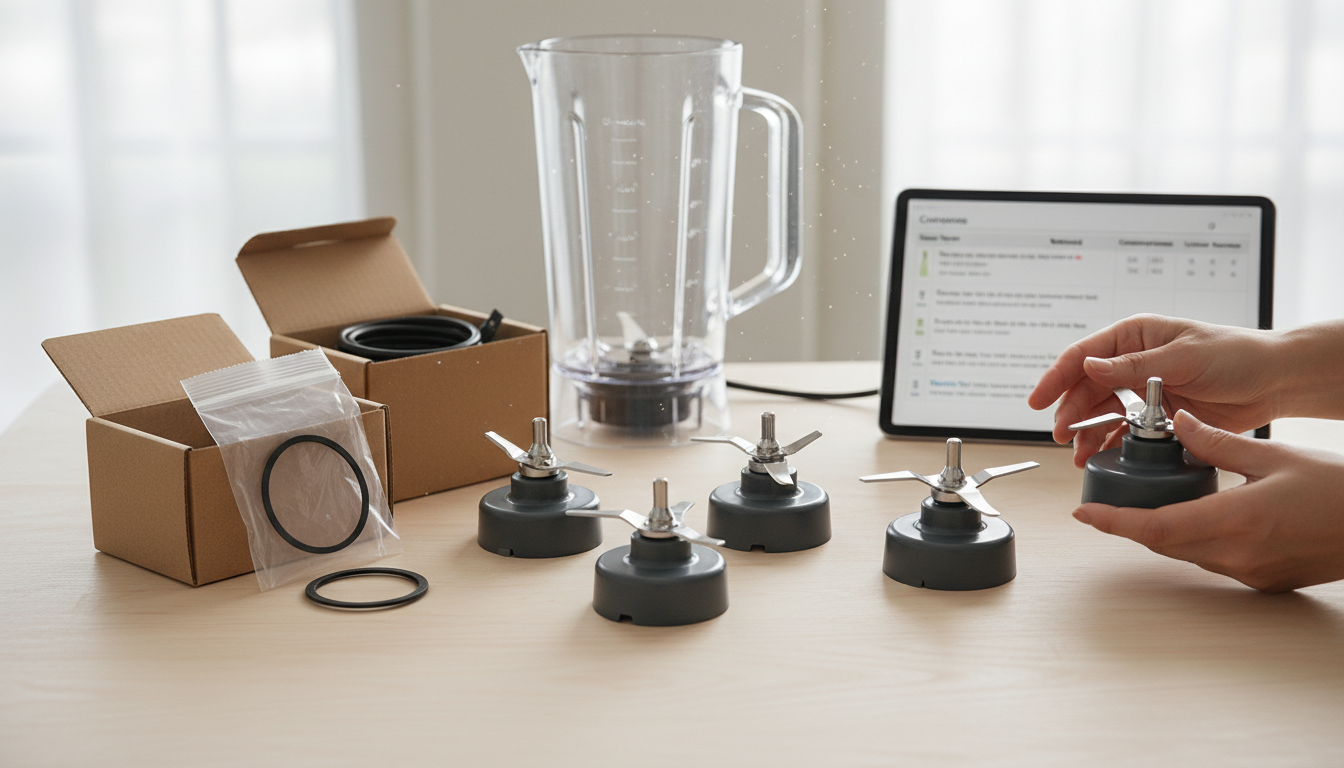
Revitalize Your Ninja: Why Choosing the Right Replacement Blade Matters
Over time, even the most robust Ninja blender blades can show signs of wear, signaling it's time for a replacement. Common indicators include dullness, which reduces blending efficiency, or physical damage like bent fins. A more subtle, yet critical, issue is the degradation of the blade assembly's internal components, often leading to leaks from the bearing seal at the base of the blade. This can compromise both performance and the integrity of your appliance.
Operating with a worn or damaged blade can significantly diminish your blender's capabilities. Dull blades struggle to process ingredients, leaving behind chunks in smoothies or failing to pulverize ice effectively. A leaking blade assembly not only creates a mess but can also allow liquids to enter the motor housing, potentially leading to electrical issues or premature appliance failure. Beyond performance, a compromised blade can pose a safety risk during operation.
The challenge for many Ninja owners lies in navigating the array of models and blade configurations. Ninja blenders are known for their diverse product lines, each often requiring a specific blade design, such as variations in fin count (e.g., 6-fin versus 7-fin) or overall diameter. Selecting the precise replacement part is crucial for ensuring compatibility, restoring optimal blending performance, and extending the life of your appliance.
Identifying Your Ninja Blender Blade Type and Compatibility
The foundational step in replacing a Ninja blender blade is accurately identifying the specific blade type and ensuring its compatibility with your blender model. Ninja offers a diverse range of blenders, and their blade assemblies are not universally interchangeable. Misidentification can lead to an ill-fitting part, compromised performance, or the inconvenience of returns.
Key factors for accurate identification include:
- Fin Count: This is a primary differentiator for Ninja blades. You will typically encounter blades with either 6 fins or 7 fins. The number of fins refers to the metallic protrusions that engage with the blender's motor base. Different Ninja series and models are designed for a specific fin count, and attempting to use a blade with an incorrect fin count will prevent proper operation. For example, many Nutri Ninja models utilize a 7-fin extractor blade, while other full-size blenders might use a 6-fin design.
- Extractor Blades: This term often refers to the blade assemblies designed for personal-sized Ninja cups, frequently associated with Nutri Ninja models. These blades are engineered to break down ingredients for nutrient extraction, often featuring a specific design to fit smaller blending vessels. Their function is distinct from larger, multi-tier blade assemblies found in full-sized pitchers.
- Blade Diameter and Base Engagement: Beyond fin count, the overall diameter of the blade assembly and the specific mechanism by which it locks into the blender base are crucial. Even if the fin count matches, an incorrect diameter or locking tab configuration will prevent the blade from seating properly or engaging the motor.
To accurately identify your existing blade and blender model for compatibility:
- Consult Your Blender's Manual: The user manual for your specific Ninja blender model is the most reliable source for part numbers and specifications.
- Check the Blender Base: The model number is often printed on a label on the underside of the blender's motor base. Note this down precisely.
- Examine the Existing Blade: Carefully count the fins on your current blade. Observe its overall shape, diameter, and the design of the plastic base that connects to the motor. If possible, look for any part numbers or identifying marks directly on the blade assembly itself, though these may be less common.
Failing to correctly identify these specifications can result in purchasing a blade that is an "unexpected size" for your blender, leading to issues with fit and functionality. This common purchasing pitfall often necessitates a return, delaying your ability to resume blending.
Essential Criteria for Selecting a Durable Replacement Blade
When choosing a replacement blade for your Ninja blender, evaluating specific quality indicators can help ensure you select a part that performs reliably and lasts. Focusing on these criteria moves beyond mere compatibility to assess the long-term value and durability of the replacement.
- Material Quality: The blades themselves should be constructed from high-grade stainless steel. This material is crucial for maintaining sharpness, resisting corrosion, and enduring the stress of blending various ingredients, from soft fruits to ice. The plastic housing of the blade assembly also requires sturdy, food-grade material to withstand high-speed rotation and repeated use without cracking or degrading.
- Sealing Mechanism: A truly leak-proof design is critical to prevent messy spills and potential damage to your blender's motor base. This typically relies on a robust rubber gasket or O-ring that forms a tight seal between the blade assembly and the blending cup. Inspect for a snug, well-fitted gasket that appears durable, as a poorly designed or low-quality seal is a frequent cause of premature leaks.
- Bearing Quality: The internal bearing allows the blades to spin smoothly. A common failure point in blender blades is the degradation of this bearing, which can lead to increased friction, noise, and, critically, leaks around the central shaft. Look for replacement blades that emphasize a durable, high-speed bearing designed for longevity to prevent this widespread issue.
- Overall Build Quality: Assess the complete construction of the blade unit. Beyond individual components, the way they are assembled contributes to durability. A high-quality replacement should feel solid, with no excessive play between parts. Blades should be securely affixed, and the entire unit should exhibit a level of finish that suggests careful manufacturing, indicating a greater likelihood of enduring the demands of regular blending.
Addressing Common Ninja Blade Problems and Performance Expectations
Selecting a replacement Ninja blender blade involves understanding not just compatibility, but also the inherent risks and performance limitations that can arise, even with new parts. Many users report that certain issues persist or re-emerge, making it crucial to manage expectations and scrutinize quality.
Common durability concerns with replacement blades often include:
- Premature Leaks: A frequent complaint involves leaks developing around the central bearing of the blade assembly. This can manifest as liquid seeping out the bottom of the blade unit, compromising hygiene and potentially damaging the blender base if not addressed promptly. Such leaks can occur surprisingly soon after replacement.
- Stripped Drive Fins: The small fins on the underside of the blade assembly, which engage with the blender's motor, are a critical failure point. Users frequently report these fins stripping, often attributed to the use of "poor metal materials" in their construction. This stripping prevents the blade from rotating, rendering the blender unusable and significantly impacting the longevity of the replacement part.
Beyond these durability issues, replacement blades may exhibit specific performance limitations:
- Ice Blending: While Ninja blenders are known for their power, not all replacement blades are equally suited for pulverizing ice into a fine powder. Some may only break ice into smaller chunks, falling short of a truly smooth, snow-like consistency required for certain recipes.
- Hot Liquids: Blending hot liquids requires blades designed to withstand thermal stress. Some replacement blades may not be heat-resistant, posing a risk of material degradation or premature failure if used with very hot ingredients.
- Tough Ingredients: Processing dense or fibrous ingredients like hard nuts, seeds, or very thick frozen fruits can challenge certain blade designs. A blade not specifically engineered for heavy-duty tasks might struggle, leading to incomplete blending or increased wear on the motor and blade assembly.
These performance nuances often highlight the trade-offs inherent in different blade designs. A blade assembly optimized for crushing ice might feature a specific fin count or blade angle that is less effective for achieving ultra-smooth purees or handling hot liquids. Conversely, a blade designed for general-purpose blending might not excel at consistently pulverizing the toughest ingredients. Understanding these potential shortcomings and aligning them with your primary blending needs is key to making an informed choice and avoiding disappointment.
Ensuring a Seamless Installation and Maximizing Blade Longevity
Proper installation and consistent maintenance are crucial for maximizing the lifespan and performance of your Ninja blender's new blade assembly. A correctly seated blade minimizes operational issues and extends its effective use.
To ensure a seamless installation and avoid common difficulties:
- Align Carefully: Before twisting, gently lower the blade assembly onto the cup or pitcher. Ensure the drive gear at the base of the blade aligns with the corresponding slot in the blender base. Avoid forcing the blade, as misaligning can damage the internal components or the blender's motor coupling.
- Hand-Tighten Securely: Twist the blade assembly clockwise until it is firmly hand-tight. An overly loose blade can lead to leaks and inefficient blending, while overtightening can strip threads or compress the gasket excessively.
- Inspect the Gasket: Always check that the rubber gasket (O-ring) is correctly seated within its groove on the blade assembly before each use. This seal is vital for preventing leaks during operation. If the gasket appears stretched, torn, or brittle, it should be replaced immediately, as a compromised seal is a primary cause of leakage.
Beyond installation, routine care can significantly prolong your blade's effectiveness:
- Prompt Cleaning: Rinse the blade assembly immediately after use to prevent food particles from drying and hardening, which can be difficult to remove and may dull the blades over time.
- Gentle Washing: Use warm, soapy water and a brush to clean around the blades. Avoid abrasive scrubbers that could scratch the blade surface or compromise the bearing seal.
- Avoid Overloading: While Ninja blenders are powerful, consistently pushing them beyond their capacity with overly dense or large ingredients can strain the motor and dull the blades prematurely. Cut larger items into smaller pieces and ensure adequate liquid for smooth blending.
Even with careful use, a new blade may eventually show signs of wear. Watch for:
- Increased Noise: Unusual grinding, rattling, or squealing sounds during operation can indicate bearing wear or misalignment.
- Reduced Blending Efficiency: If your blender struggles with tasks it once handled easily, leaving chunks or requiring longer blend times, the blades may be dulling.
- Visible Damage: Inspect the blades for nicks, bends, or cracks. Check the drive fins at the bottom of the assembly for signs of stripping or excessive wear, as this can prevent proper engagement with the motor.
- Leaks: Any liquid seeping from the base of the blade assembly during blending is a clear sign of a compromised seal or internal bearing failure, requiring immediate attention.
Making the Right Choice: Matching Blade to Your Blending Habits
Selecting the ideal Ninja blender blade replacement extends beyond mere compatibility; it involves aligning the blade's design and expected durability with your specific blending demands. Your daily blending habits dictate the type of stress your blade will endure, influencing which replacement option offers the best long-term value and performance.
Tailoring Your Blade Selection to Usage
Different blending tasks place varying demands on a blade assembly. Consider your primary uses:
- Daily Smoothies and Soft Ingredients: For frequent, light-duty blending of fruits, vegetables, and liquids, a standard replacement blade designed for your model is often sufficient. The focus here is on consistent performance and a reliable seal for everyday convenience.
- Occasional Ice Crushing or Frozen Blends: If your routine includes processing ice cubes, frozen fruits, or making thick shakes, prioritize blades known for robust construction. Some blades may struggle to pulverize ice into a fine powder, potentially leaving small chunks. Look for designs that emphasize durability for tougher ingredients, as general-purpose blades might wear down faster or struggle to achieve desired textures.
- Nut Butters and Heavy-Duty Processing: Creating nut butters, grinding coffee beans, or blending other dense, tough ingredients requires a blade assembly built for high stress. Research indicates some blades are not well-suited for heavy-duty tasks or tough ingredients like nuts, potentially leading to premature failure, such as bearing leaks. For these applications, the integrity of the blade's materials and sealing mechanism becomes paramount.
- Hot Liquids: If you blend hot soups or sauces, verify that the replacement blade is specified as heat-resistant. Some blade materials or seals may not withstand high temperatures, posing a safety risk and potentially damaging the blade.
Balancing Investment with Performance Needs
When evaluating replacement blades, a balance between cost, perceived quality, and specific performance requirements is essential. While more affordable options exist, they may not offer the same material quality or sealing integrity as those designed for rigorous use. For instance, a blade that frequently processes ice or nuts will likely benefit from a higher-quality construction to resist wear and prevent common failure points like bearing leaks. Investing in a blade that aligns with your heavy-duty needs can prevent the frustration and additional cost of frequent replacements. Conversely, for light, occasional use, a standard, compatible replacement might be perfectly adequate.
Your Decision-Making Framework
To make an informed choice, synthesize your needs with available options:
- Confirm Compatibility First: Always start by verifying the exact fin count (e.g., 6-fin, 7-fin) and diameter required for your specific Ninja blender model. This is non-negotiable for proper fit and function.
- Assess Intended Use: Categorize your blending habits (light, moderate, heavy-duty, hot liquids).
- Prioritize Durability for Demanding Tasks: If your usage involves frequent ice, frozen ingredients, or nuts, seek blades with evidence of robust construction and reliable sealing to mitigate risks of premature leaks or performance degradation.
- Consider Material Quality: While specific material data may not always be available, general indications of build quality can be inferred from product descriptions and user feedback regarding longevity.
- Manage Expectations: Understand that even high-quality replacement blades have a lifespan, and certain blending tasks inherently place more stress on the components.
Frequently Asked Questions About Ninja Blender Blade Replacements
Navigating the world of replacement parts can bring up several questions regarding compatibility, performance, and durability. Here are answers to common queries to help you make an informed choice for your Ninja blender.
How do I determine the correct fin count (e.g., 6-fin vs. 7-fin) for my Ninja blender?
The fin count refers to the number of protrusions on the blade's base that engage with the blender's motor. To determine the correct count:
- Inspect your existing blade: Physically count the fins on the bottom of your current blade assembly.
- Check your blender's model number: Refer to your blender's manual or the label on the base of the appliance. Most replacement parts are listed with compatible Ninja model series or specific model numbers, which often correlate to a particular fin count.
- Examine the blender base: Sometimes, the motor base itself might provide visual clues or a specific part number that helps identify the required blade type.
Using a blade with an incorrect fin count will prevent it from seating properly or engaging with the motor, rendering it unusable.
What are the common signs that my Ninja blender blade needs to be replaced?
Several indicators suggest your Ninja blender blade is nearing the end of its useful life:
- Reduced Blending Efficiency: Ingredients are not processed smoothly, leaving chunks, or requiring longer blending times.
- Visible Damage: Dull, bent, chipped, or broken blades.
- Unusual Noises: Grinding, squealing, or rattling sounds during operation, which can indicate bearing wear.
- Leaks: Liquid seeping from the bottom of the blade assembly, often due to a compromised bearing seal.
- Odor: A burning smell during blending, potentially from friction due to a failing bearing.
Are aftermarket Ninja blender blades as good as original parts?
The quality of aftermarket Ninja blender blades can vary significantly. While some third-party manufacturers produce high-quality replacements that perform comparably to original parts, others may use inferior materials or manufacturing processes.
- Potential benefits: Aftermarket blades can be more affordable and offer wider availability.
- Potential drawbacks: Lower quality aftermarket blades may exhibit shorter lifespans, poorer sealing leading to leaks, or blades that dull quickly. Some users report issues with material quality, such as stripped fins or bearings failing prematurely.
Careful evaluation of product descriptions, material specifications, and user reviews is crucial when considering aftermarket options.
Can replacement blades handle tough ingredients like ice or nuts, or hot liquids?
The capability of a replacement blade to handle tough ingredients or hot liquids depends on its design and material quality.
- Tough Ingredients (ice, nuts): Some replacement blades may struggle with heavy-duty tasks, leaving larger chunks or experiencing accelerated wear. Blades designed for robust extraction or crushing typically feature stronger materials and thicker construction.
- Hot Liquids: Not all replacement blades are rated for hot liquids. Excessive heat can degrade plastic components or seals, leading to leaks or damage. Always check the product specifications to ensure the blade is heat-resistant if you intend to blend hot ingredients.
If your primary use involves demanding tasks, prioritize replacement blades explicitly marketed and reviewed for such performance.
What are common issues to watch out for with replacement blades, such as leaks or poor durability?
When selecting replacement blades, be aware of these common problems reported by users:
- Leaks from the Bearing Seal: This is a frequent complaint, where liquid seeps from the bottom of the blade assembly, often indicating a faulty or low-quality internal bearing seal.
- Poor Durability: Blades may dull quickly, bearings can seize, or the plastic housing may crack after a short period of use. This often stems from substandard materials or manufacturing.
- Stripped Fins: The fins that connect to the motor may be made of weaker metal or plastic, leading them to strip or wear down, preventing the blade from engaging.
- Incompatibility Despite Claims: Even if a blade claims compatibility, subtle differences in dimensions or fin alignment can lead to a poor fit or inefficient blending.
- Vibration and Noise: Excessive vibration or unusual noise can indicate an unbalanced blade or a failing bearing, even if the blade is new.
Prioritizing blades with positive feedback regarding long-term performance and leak-free operation can mitigate these risks.
Blending with Confidence: Your Guide to a Perfect Replacement
Selecting the right Ninja blender blade replacement is a critical step in maintaining your appliance's performance and extending its lifespan. This guide has emphasized the importance of precise model compatibility, scrutinizing fin count, and understanding the material quality that dictates durability. By considering common failure points like bearing leaks and stripped drive fins, you are now equipped to evaluate replacements with an informed perspective.
An accurately chosen, compatible, and robust replacement blade offers significant advantages. It restores your blender's original efficiency, allowing it to effortlessly pulverize ingredients, crush ice, and create smooth blends without strain. This not only enhances the quality of your culinary creations but also safeguards your blender's motor from undue stress, preventing further damage and costly repairs. A well-matched blade ensures a secure fit, minimizing the risk of leaks and promoting a cleaner, more reliable blending experience.
Armed with this knowledge, you can confidently navigate the options for Ninja blender blade replacements. Your diligence in identifying the correct part and understanding the quality criteria will lead to a purchase that revitalizes your blender, ensuring it continues to meet your blending needs for the long term.
More in Blender Replacement Parts
View AllHamilton Beach Hand Blender Replacement Parts: Keeping Your Immersion Blender Working
Braun Blender Replacement Parts: Ensuring Compatibility and Performance