Hamilton Beach Hand Blender Replacement Parts: Keeping Your Immersion Blender Working
Keeping Your Hamilton Beach Hand Blender Running Smoothly
Hamilton Beach hand blenders are valued kitchen tools, simplifying tasks from emulsifying dressings to pureeing soups directly in the pot. Their convenience makes them a frequent choice for daily meal preparation. However, with regular use, components like blending shafts, blades, or various attachments can experience wear and tear, eventually impacting performance or rendering the appliance less effective.
Rather than replacing an entire unit when a single part fails, opting for a targeted repair can be a practical and economical decision. Sourcing specific replacement parts not only extends the functional life of your appliance but also contributes to reducing waste. This approach allows you to maintain your current setup, often at a fraction of the cost of a new purchase.
This guide is designed to empower Hamilton Beach hand blender owners. We will navigate the process of accurately identifying the precise replacement part your model requires, explore reliable sourcing options, and provide considerations to help you confidently decide if repair is the best path forward for your appliance.
Pinpointing Your Hamilton Beach Hand Blender Model and Part
Accurately identifying your specific Hamilton Beach hand blender model and the exact part needing replacement is the foundational step in a successful repair. Replacement parts are often model-specific, and a slight variation can lead to incompatibility, rendering the part useless.
To begin, locate your hand blender's model number. This critical identifier ensures you purchase a part designed to fit and function correctly with your appliance.
- Appliance Body: Check the underside of the motor unit, the handle, or sometimes a label affixed to the power cord. The model number typically consists of a combination of letters and numbers.
- User Manual: Refer to your original product manual or included documentation. It will list the model number, often on the cover, first few pages, or a dedicated specifications section.
- Original Packaging: If you still have the box, the model number is usually printed on it.
Once you have the model number, identify the specific component that requires replacement. Common parts that may wear out or become damaged include:
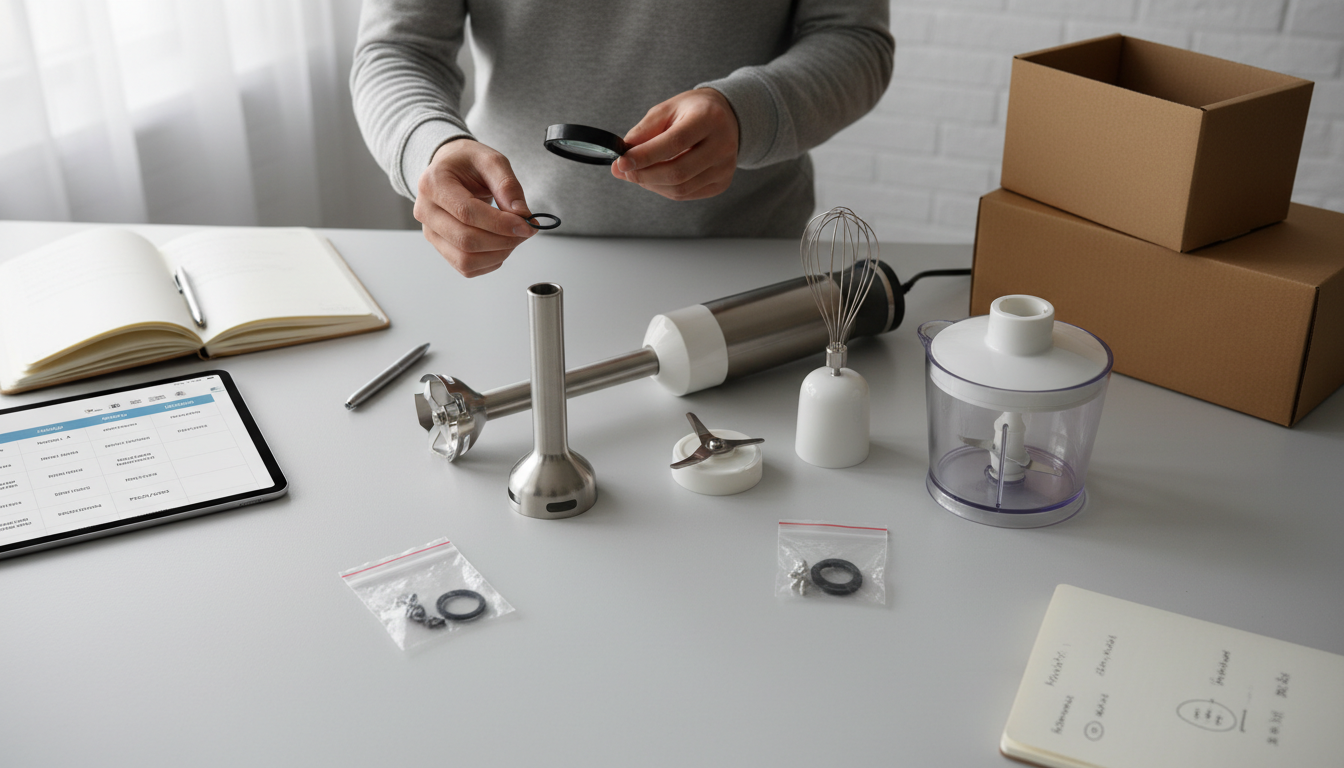
- Blending Shaft/Wand: The long shaft containing the blade assembly.
- Whisk Attachment: The accessory used for aerating or whipping.
- Chopper Attachment/Container: If your model includes a separate chopping bowl and blade.
- Beaker/Measuring Cup: The container often included for blending directly.
For precise identification, consult your Hamilton Beach hand blender's user manual. Many manuals include detailed diagrams or exploded views of the appliance, clearly labeling individual parts. If the manual isn't available, visit the official Hamilton Beach website. Navigate to the support or parts section, and use your model number to search for product-specific diagrams or replacement part lists. These resources are invaluable for confirming the exact part's appearance and designation.
It is crucial to match the replacement part directly to your hand blender's model number. Parts for different Hamilton Beach models, even if visually similar, may have subtle differences in dimensions, connection points, or electrical specifications. Using an incompatible part can lead to improper fit, reduced performance, further damage to your appliance, or potential safety risks.
Understanding Common Hamilton Beach Hand Blender Parts and Their Wear
Hamilton Beach hand blenders, while durable, consist of several components that can experience wear and tear over time. Recognizing the signs of damage in these frequently used parts is key to accurately identifying what needs replacement and extending your appliance's functional life. Understanding typical failure points helps narrow down the search for the correct part.
Here are the most commonly replaced parts and their characteristic signs of wear:
- Blending Shafts/Wands: This is the elongated section that connects to the motor unit and houses the blade.
- Signs of wear: Bending or warping of the shaft, cracks in the plastic housing near the connection point, difficulty securely attaching or detaching from the motor unit, or unusual grinding noises emanating from the shaft assembly during operation.
- Why they fail: Accidental drops or impacts are common culprits. Stress from blending very thick or dense ingredients can also lead to bending or material fatigue, particularly where the metal shaft meets plastic components.
- Blades (Integrated or Removable): Whether fixed within the blending shaft or part of a separate attachment, the blades are critical for processing food.
- Signs of wear: Noticeable dullness (resulting in less efficient blending and larger unprocessed chunks), visible nicks, bends, or chips on the blade edges, or looseness of the blade within its housing. Rust spots can also indicate material degradation.
- Why they fail: Repeated contact with hard ingredients like ice or frozen fruit can dull or damage blades. Improper cleaning or prolonged exposure to moisture can lead to corrosion.
- Whisk Attachments: Designed for aerating and whipping, these attachments are often made of thin metal wires.
- Signs of wear: Bent or deformed wires, wires detaching from the central hub, or resistance when trying to rotate the whisk manually. Rust can also appear on metal wires.
- Why they fail: Over-stressing the whisk with overly thick batters or accidental impact can bend the delicate wires. Corrosion can occur if not dried properly after washing.
- Chopping Bowls/Jars: Many Hamilton Beach hand blenders include a mini chopper attachment with a bowl.
- Signs of wear: Cracks, chips, or fractures in the plastic bowl, cloudiness or discoloration that won't wash away, or a compromised fit with the lid or motor unit.
- Why they fail: Accidental drops are a primary cause of cracking. Thermal shock (e.g., placing a hot bowl under cold water) or prolonged exposure to harsh cleaning agents can also degrade the plastic over time.
- Lids (for Chopping Bowls): These secure the contents of the chopping bowl during operation.
- Signs of wear: Cracks, broken tabs or locking mechanisms that prevent a secure seal, or a gasket (if present) that is loose, brittle, or torn.
- Why they fail: Stress on the locking tabs from repeated use, accidental drops, or material fatigue can lead to breakage.
- Gaskets and Seals: Found in various places, such as beneath blades or within lids, these rubber or silicone rings prevent leaks.
- Signs of wear: Visible cracking, brittleness, stretching, tearing, or discoloration. The most apparent sign is leakage during operation.
- Why they fail: Material degradation due to exposure to heat, food acids, and dishwashing detergents is common. They can also wear out from repeated compression and removal.
By observing these specific signs, owners can pinpoint the exact component causing issues, rather than guessing. This targeted diagnosis is crucial for selecting the correct replacement part that matches the hand blender's model specifications.
Where to Find Authentic Hamilton Beach Hand Blender Replacement Parts
Once you have identified your specific Hamilton Beach hand blender model and the precise part required, the next step involves sourcing it from reliable channels. Ensuring authenticity and compatibility is crucial to a successful repair and to maintaining your appliance's performance.
-
Manufacturer's Official Website The most direct and often most reliable source for genuine Hamilton Beach replacement parts is the manufacturer's own website. Hamilton Beach typically maintains a dedicated "Parts & Accessories" section where you can search by model number or part description. Purchasing directly from the brand ensures you receive authentic components designed specifically for your appliance, often with accurate compatibility information.
-
Authorized Retailers and Service Centers Beyond the manufacturer, authorized retailers and service centers can provide genuine parts. These might include large appliance stores, electronics retailers, or independent repair shops that are officially partnered with Hamilton Beach. While less common for hand blender parts compared to larger appliances, some may stock frequently replaced items or be able to order them directly from the manufacturer.
-
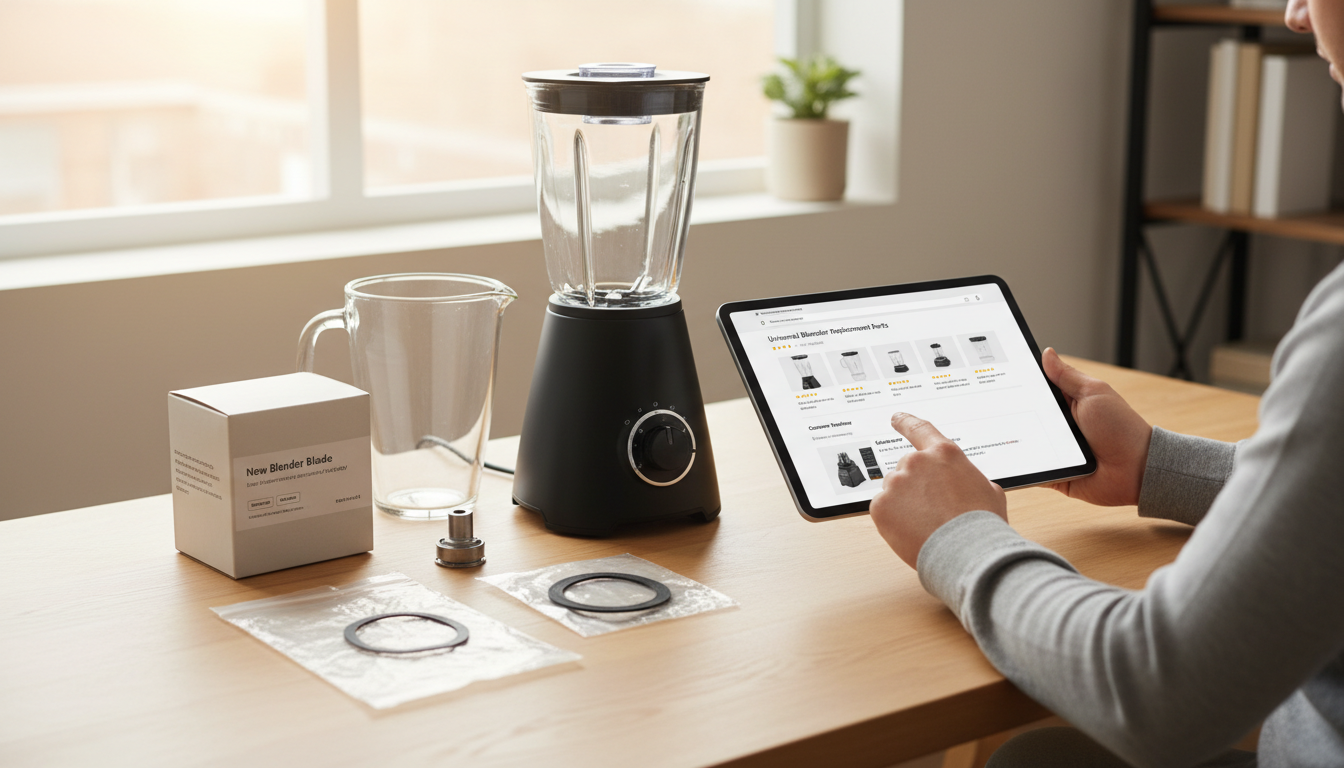
Reputable Online Marketplaces Online platforms such as Amazon and eBay host numerous sellers offering Hamilton Beach replacement parts. These marketplaces can be convenient, but they require a more discerning approach. While you might find a wider selection or competitive pricing, the authenticity and quality of parts from third-party sellers can vary.
When considering parts from third-party sellers on these platforms, exercise caution and verify their credibility:
- Seller Reviews and Ratings: Prioritize sellers with high positive feedback percentages and a substantial number of reviews.
- Return Policies: Confirm the seller's return policy, especially for electronic or precision parts, in case of incompatibility or defect.
- Detailed Product Descriptions: Look for listings that provide clear, specific details about the part, including its material, dimensions, and explicit compatibility with Hamilton Beach models. Generic descriptions or poor-quality images can be red flags.
Across all sourcing options, always cross-reference the part number and description with your appliance's model number and the information from your user manual. This meticulous verification helps prevent purchasing incompatible parts, ensuring your Hamilton Beach hand blender receives the correct component for continued operation.
Navigating Compatibility and Quality: Risks of Replacement Parts
When seeking replacement parts for your Hamilton Beach hand blender, the decision extends beyond simply finding a component that visually matches. The paramount importance of exact part compatibility, coupled with understanding the nuances of part quality, directly impacts the success and safety of your repair. Opting for a seemingly similar part without verifying its precise fit for your specific Hamilton Beach model introduces significant risks.
The market offers a range of replacement options, primarily categorized as Original Equipment Manufacturer (OEM) parts and third-party or generic alternatives. OEM parts are manufactured by or for Hamilton Beach, designed to meet the exact specifications and quality standards of your original appliance. Generic or 'universal' parts, while often more affordable, carry inherent risks:
- Inaccurate Fit: Even slight variations in dimensions, mounting points, or connection mechanisms can prevent a generic part from fitting correctly. This can lead to improper assembly, making the repair impossible or creating new operational issues.
- Compromised Performance: Parts like blending shafts or blades require precise engineering for optimal balance and efficiency. Low-quality third-party components may not achieve the same blending consistency or durability, leading to premature wear and a short lifespan for the replacement part itself.
- Safety Concerns: Critical components, especially those involving electrical connections or moving blades, must adhere to specific safety standards. Substandard materials or manufacturing processes in non-OEM parts can pose risks such as overheating, electrical shorts, or blade detachment during operation.
- Voided Warranties: Using non-OEM parts for repairs might void any remaining warranty on your Hamilton Beach hand blender, should further issues arise.
Before committing to a purchase, always scrutinize the seller's return policy and any warranty offered on the replacement part itself. A clear return policy provides recourse if the part proves incompatible or defective upon arrival. Furthermore, consider the inherent trade-off between cost savings and potential quality issues. While generic parts often present a lower upfront cost, the risk of poor fit, premature failure, or even safety concerns can negate any initial savings through repeated purchases or ultimately requiring a full appliance replacement. Prioritizing exact model compatibility and understanding the source of your replacement part is crucial for a lasting and safe repair.
Repair or Replace? When to Invest in New Parts for Your Hand Blender
When a component of your Hamilton Beach hand blender falters, facing the choice between repairing it with a new part or purchasing an entirely new appliance can be a nuanced decision. This choice involves more than just immediate cost; it encompasses the appliance's overall health, the nature of the damage, and even environmental considerations. Making an informed decision requires evaluating several key factors to determine the most practical and beneficial path for your specific situation.
Consider the following points to guide your decision:
- Cost Comparison: Directly compare the price of the specific replacement part(s) you need against the current market cost of a new Hamilton Beach hand blender with similar features. If the part cost approaches or exceeds a significant percentage of a new unit's price, replacement might be more economical in the long run. Remember to factor in potential shipping costs for parts.
- Appliance Age and Overall Condition: Assess the general wear and tear on your existing hand blender. Are other parts showing signs of degradation? Is the motor still strong, or does it struggle? If the appliance is old and exhibits multiple signs of wear beyond the single broken part, investing in a repair might only address one issue while others are imminent. A newer appliance might offer improved performance or features.
- Severity and Ease of Repair: Evaluate the nature of the damage. Is it a simple, accessible part like a blending shaft or an attachment that can be easily swapped out? Or is it an internal component, such as the motor, which might require specialized tools, technical knowledge, or pose a safety risk for DIY repair? Simple, external repairs generally favor replacement, while complex internal issues may lean towards a new purchase.
- Part Availability: Confirm that the specific replacement part for your Hamilton Beach hand blender model is readily available. Some older models or less common parts might be difficult to source, potentially leading to lengthy waits or inflated prices. Check the manufacturer's official channels and reputable online retailers for current stock.
- Environmental Impact: Opting to repair an appliance, when feasible, contributes to reducing electronic waste and extends the lifecycle of existing resources. This sustainable choice can be a compelling factor if the repair is practical and cost-effective.
To make your decision, weigh these factors against your budget and expectations for the appliance's future performance. If the repair is straightforward, the part is reasonably priced, and the rest of your hand blender is in good condition, extending its life through a targeted repair is often a sensible choice. However, if multiple issues are present, the repair is complex, or the part cost is disproportionately high, investing in a new Hamilton Beach hand blender may offer better value and reliability.
Frequently Asked Questions About Hamilton Beach Hand Blender Parts
Understanding the nuances of replacement parts can simplify the repair process for your Hamilton Beach hand blender. Here are answers to common queries that can help inform your decisions.
-
Can I use generic parts for my Hamilton Beach hand blender? Hamilton Beach hand blender parts are often designed with specific model compatibility in mind. While some generic components might appear similar, they may not offer the precise fit or performance of parts manufactured for your specific model. Using incompatible parts could lead to poor function, further damage to your appliance, or even safety concerns. It is always advisable to verify compatibility by matching the part number with your blender's model number.
-
How do I check if my replacement part is under warranty? Warranty coverage for replacement parts typically depends on whether the part was purchased as a standalone item or replaced under the original appliance's warranty. To determine coverage, gather your original purchase receipt for the hand blender and any receipts for replacement parts. Then, contact Hamilton Beach customer service directly, providing your model number, part details, and purchase dates. They can confirm the warranty status based on their policies.
-
What is the typical lifespan of Hamilton Beach hand blender parts? The lifespan of individual Hamilton Beach hand blender parts varies significantly based on usage frequency, intensity, and the specific component. Parts subject to mechanical stress, like blade assemblies and motor bearings, or those exposed to wear, such as blending shafts and seals, may require replacement sooner than the main motor unit. Consistent heavy use can shorten the life of any part, while occasional light use can extend it considerably.
-
Is it always more cost-effective to repair than to replace? Repairing your Hamilton Beach hand blender is often more cost-effective than purchasing a new one, especially for minor component failures like a damaged blending shaft or a worn blade assembly. However, this is not universally true. If multiple major components are failing, or if the cost of the necessary replacement part(s) approaches the price of a new appliance, replacement might be the more economical choice in the long run. Consider the remaining expected lifespan of the appliance's other components when making this assessment.
-
What are the most common parts that need replacing? Based on typical wear and tear, the most frequently replaced parts for Hamilton Beach hand blenders often include the blade assembly (which can dull or become damaged), the blending shaft or wand (prone to bending or housing issues), and sometimes gaskets or seals that degrade over time. Motor bearing wear can also occur, though this typically indicates a more significant internal issue.
Extending the Life of Your Hamilton Beach Hand Blender
Maintaining your Hamilton Beach hand blender through informed part replacement offers a practical path to prolonging its utility. This guide has aimed to equip you with the knowledge to navigate the process, transforming a potential appliance failure into an opportunity for restoration.
By carefully identifying your specific model number and the precise part needed, you lay the groundwork for a successful repair. Sourcing these components from reputable channels ensures compatibility and reliability, avoiding the pitfalls of incorrect or substandard alternatives. The decision to repair versus replace hinges on a thoughtful assessment of the part's cost, the appliance's overall condition, and your comfort with the repair process.
Ultimately, choosing to repair your Hamilton Beach hand blender is an empowered decision. It reflects a commitment to maximizing the value of your existing appliances, contributing to both household efficiency and more sustainable consumption practices. With the right information, you can confidently extend your hand blender's lifespan, ensuring it continues to be a dependable tool in your kitchen for years to come.
More in Blender Replacement Parts
View AllChoosing the Right Ninja Blender Blade Replacement Parts for Optimal Performance
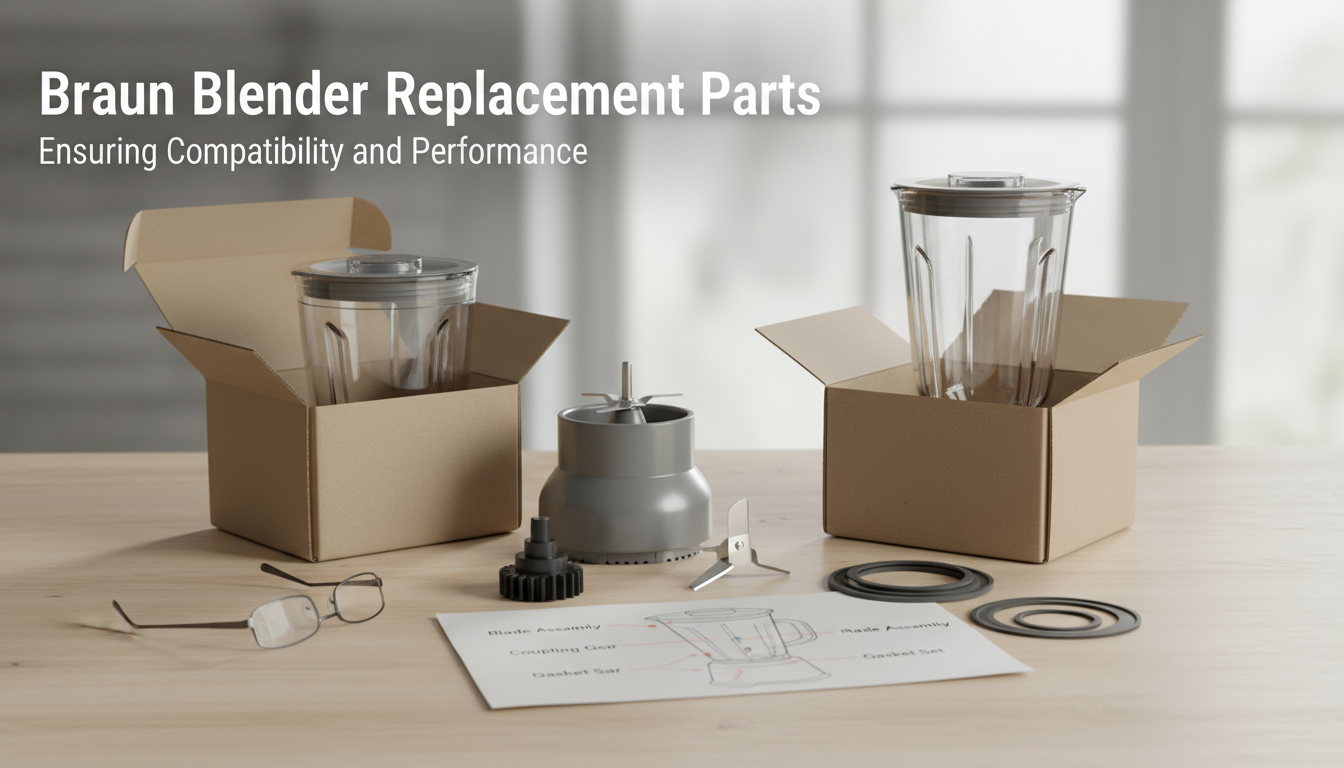
Braun Blender Replacement Parts: Ensuring Compatibility and Performance