Buying Oster Blender Replacement Parts on Amazon: A Smart Shopper's Guide
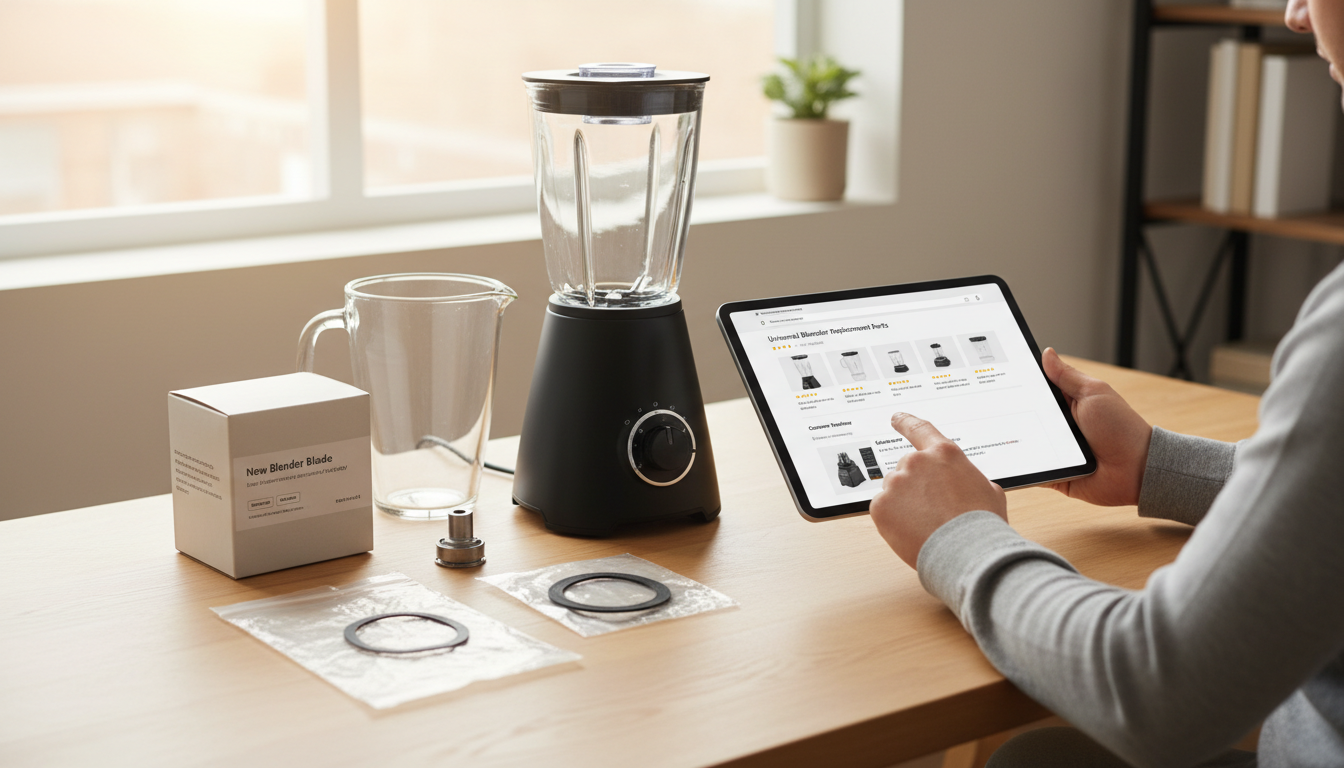
Why Smart Shopping for Oster Blender Parts on Amazon Matters
Oster blenders are known for their enduring design, often serving kitchens for years. However, consistent use can lead to wear and tear on components like blades, gaskets, or jars. Replacing these parts is often a cost-effective way to restore your blender's original performance and extend its lifespan, preventing the need for a full appliance replacement.
Amazon has emerged as a significant marketplace for these specific replacement parts, offering a wide array of options from various sellers. While this accessibility is convenient, it also presents a challenge: discerning compatible, high-quality components from the multitude of listings. Buyers frequently encounter diverse brands, specifications, and user reviews, making the selection process complex.
This guide aims to equip Oster blender owners with the knowledge to confidently navigate Amazon's offerings. By focusing on critical identification, evaluation, and risk mitigation strategies, you can ensure that your purchase of Oster blender replacement parts is both accurate and satisfactory, ultimately preserving your appliance's functionality.
Identifying Your Oster Blender Model and Needed Parts
Successfully purchasing Oster blender replacement parts on Amazon begins with precise identification of both your blender model and the specific component required. Oster produces various blender series, and parts are often not universally interchangeable across all models. Accurate identification is paramount to ensure compatibility and avoid common purchasing pitfalls.
To determine your Oster blender's model number, inspect the underside of the motor base or consult the original user manual. The model number is typically a series of numbers and sometimes letters, such as "4093" or "BLSTPB-WBL." This specific identifier is your primary reference point when searching for compatible parts.
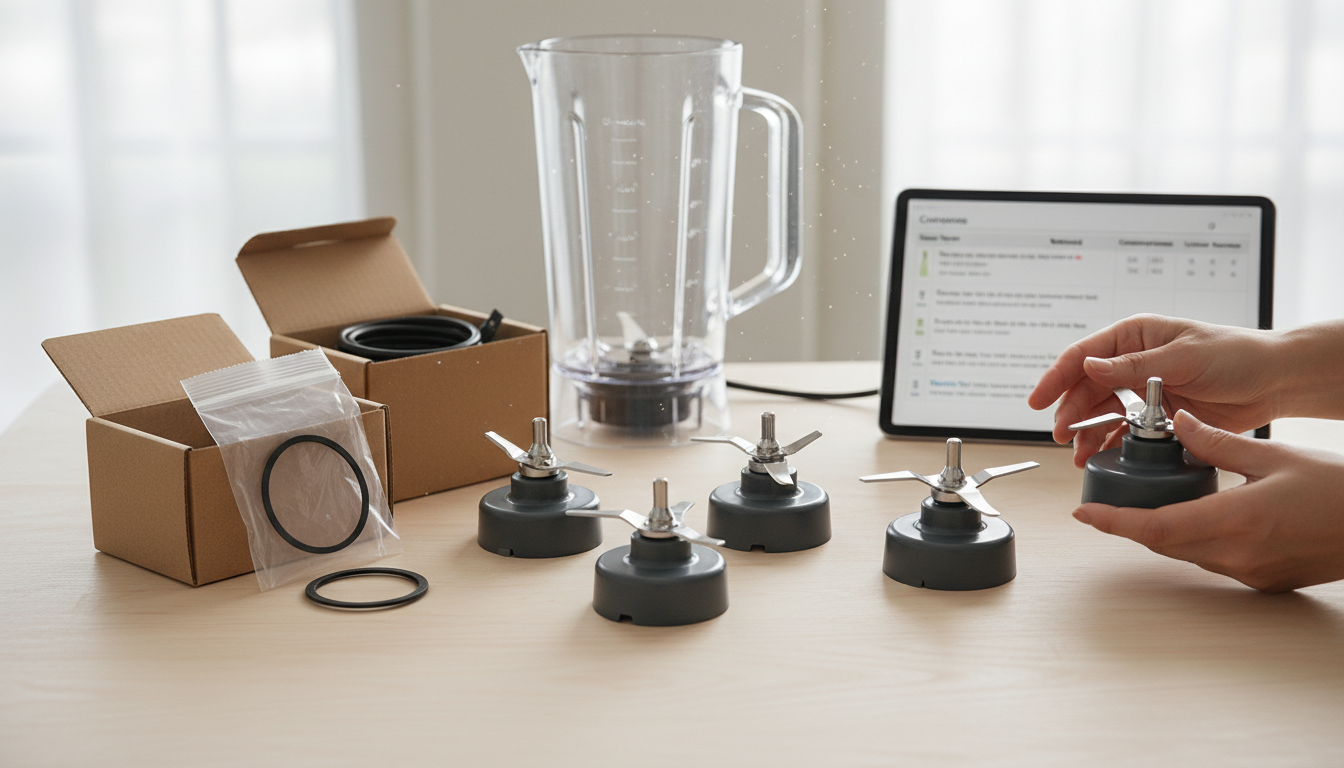
Common Oster blender replacement parts include:
- Blades: These are crucial for blending and chopping. Variations exist, such as 4-point or 6-point designs, and specialized ice-crushing blades. (e.g., part numbers like 4961 or 118530-001 often denote specific blade types).
- Gaskets/Seals: Essential rubber or silicone rings that create a watertight seal between the blade assembly and the blender jar, preventing leaks.
- Jars: Available in different materials (glass, plastic) and capacities, these hold the ingredients during blending.
- Bottom Caps/Jar Bases: The threaded component that secures the blade assembly and gasket to the bottom of the blender jar, connecting it to the motor base. (e.g., part number 4902).
- Coupling Studs/Pins: A small, often rubber or plastic, gear-like component on the motor base that engages with the blade assembly to transfer power.
It is critical to match the replacement part to your exact blender model number or the specific part number provided by Oster. Generic descriptions like "fits most Oster blenders" on Amazon listings require careful verification. Even minor differences in design or dimensions can lead to fit issues. Purchasing incompatible parts can result in a range of problems, including:
- Poor Fit: Parts may be too loose, causing instability, or too tight, making assembly difficult or impossible.
- Leaks: An improperly sized or designed gasket or bottom cap will fail to seal effectively, leading to liquid leakage during operation.
- Ineffective Performance: An incorrect blade type may not blend ingredients as intended, or a mismatched coupling can prevent the blade from spinning correctly.
- Damage: Forcing incompatible parts can strip gears, crack jars, or strain the blender's motor, potentially leading to further repairs or complete appliance failure.
- Safety Hazards: Loose or improperly fitted components can detach during blending, posing a safety risk.
- Wasted Resources: Incompatible purchases necessitate returns, wasting time and effort.
Your Amazon Search Strategy: Finding Compatible Oster Parts
Navigating Amazon for Oster blender replacement parts requires a targeted approach to ensure you find components that fit correctly and perform reliably. An effective search strategy involves precise terminology and judicious use of Amazon's filtering options.
-
Start with Specific Search Terms: Begin your search by combining "Oster blender replacement parts" with your blender's model number and the specific part you need. For instance, instead of just "Oster blade," search for "Oster blender [Your Model Number] blade replacement" or "Osterizer [Your Model Number] jar bottom cap." The model number, often found on the base of your blender, is crucial for narrowing down compatible options. You might also include specific Oster part numbers if you know them, such as "Oster 4961 blade" or "Oster 4902 jar bottom cap."
-
Utilize Amazon's Filters: Once your initial search results populate, leverage Amazon's sidebar filters to refine your selection.
- Brand: Filter by "Oster" to prioritize genuine parts. If you are open to third-party alternatives, you can broaden this or look for brands that explicitly state compatibility.
- Customer Reviews: Pay attention to the star ratings and the number of reviews. Products with a high volume of positive reviews often indicate better reliability and fit experiences from other buyers.
- Prime Eligibility: Filtering for Prime-eligible items can offer faster shipping and often simplifies the return process if a part is incorrect or defective.
-
Distinguish Official from Third-Party Options: Amazon's marketplace includes both official Oster-branded parts and numerous third-party alternatives.
- Official Oster Parts: These are typically sold directly by "Oster" or "Sunbeam" (Oster's parent company) or clearly labeled as "Genuine Oster Part" in the product title and description. They generally offer guaranteed compatibility.
- Third-Party Compatible Alternatives: These parts will usually state "Compatible with Oster," "Replacement for Oster," or "Fits Oster Blenders" in their titles or descriptions. While often more budget-friendly, they necessitate closer scrutiny of compatibility claims and customer feedback regarding fit and material quality. Some third-party sellers offer bundled kits, such as a blade, jar base, and gasket together.
-
Scrutinize Product Titles and Descriptions: The product listing itself holds vital compatibility information.
- Titles: Look for explicit mentions of Oster blender series or specific model numbers that match yours.
- Descriptions: Delve into the product description for a detailed list of compatible Oster models. Cross-reference this information with your blender's exact model number. Pay attention to material specifications (e.g., stainless steel blades, BPA-free plastic jars) and any stated dimensions, which can help confirm physical fit. Product images should also be examined closely for visual cues that match your existing part.
Evaluating Listings: Key Criteria for Oster Blender Part Quality and Fit
When searching for Oster blender replacement parts on Amazon, a structured approach to evaluating each listing can help ensure you purchase compatible and durable components. Beyond just finding a part that looks similar, consider these critical factors to mitigate risks and make an informed decision.
-
Material Quality Assessment:
- Blades: Look for descriptions specifying stainless steel construction, which indicates resistance to rust and wear. Avoid listings that are vague about blade material.
- Gaskets/Seals: Prioritize descriptions that mention food-grade rubber or silicone. These materials are designed for safety in food contact and offer better sealing performance and longevity.
- Jars/Containers: If replacing a jar, check for durable materials like tempered glass or robust, BPA-free plastics. Clear descriptions of material composition are a positive sign.
-
Explicit Compatibility Claims:
- The product description should clearly state which specific Oster blender models or series the part is compatible with. Do not assume compatibility based on visual similarity alone.
- Cross-reference your blender's exact model number (often found on the base) with the numbers listed in the product details. Generic claims like "fits most Oster blenders" require extra scrutiny.
-
Clear and Multiple Product Images:
- Examine all available images. High-quality, multi-angle photos provide a better understanding of the part's design, connections, and overall finish.
- Look for images that show the part from different perspectives, including close-ups of critical features like blade edges, gasket grooves, or jar threads. This helps confirm details that text descriptions might miss.
-
Seller Reputation and Ratings:
- For listings from third-party sellers on Amazon, check their overall seller rating and the number of reviews. A higher rating (e.g., 4.5 stars and above) from a substantial number of buyers generally indicates reliability.
- Review the seller's specific feedback, looking for comments related to product accuracy, shipping, and customer service.
-
Interpreting Customer Reviews:
- Read both positive and negative reviews. Pay close attention to comments regarding the part's fit, durability, and performance after use.
- Specifically search for keywords like "fit," "leak," "break," or "compatible" within the reviews. As evidence suggests, some buyers report fit issues, so look for patterns in feedback that highlight common problems or successes with specific blender models.
- Filter reviews by date to see recent experiences, as product quality or seller practices can change over time.
Buyer Beware: Mitigating Risks with Aftermarket Oster Parts
Purchasing Oster blender replacement parts on Amazon offers convenience and a broad selection, but it also introduces specific risks. Navigating these challenges proactively can help ensure you receive a compatible and functional component, protecting both your investment and your blender's longevity.
One significant concern involves parts described as "universal" or those with vague compatibility claims. While some components might share common dimensions, Oster blenders, especially across different series, often have precise specifications for parts like blades, couplings, and jars. A "universal" part might appear to fit but could lead to:
- Poor performance: Inefficient blending, grinding, or chopping.
- Increased wear: Misaligned parts can strain the motor or other components.
- Safety hazards: Leaks, blades detaching, or unexpected malfunctions during operation.
Always prioritize listings that explicitly state compatibility with your specific Oster model number.
Misleading product descriptions or images also pose a risk. Some sellers may use generic stock photos that do not accurately represent the actual product, or descriptions might omit crucial details like material composition, exact dimensions, or specific model applicability. To identify potentially deceptive listings:
- Scrutinize images: Look for clear, multiple angles of the actual product, not just generic representations.
- Cross-reference details: Compare the listed specifications with your blender's requirements.
- Read reviews carefully: Past buyers often highlight discrepancies between the product received and what was advertised.
The proliferation of online marketplaces also raises concerns about counterfeit products. These items are designed to mimic genuine parts but often lack the quality, durability, and safety standards of authentic components. While difficult to spot definitively online, certain indicators can suggest a counterfeit:
- Unusually low pricing: If a deal seems too good to be true compared to other listings or official sources, exercise caution.
- Generic or inconsistent branding: Look for packaging or product markings that appear unprofessional, lack official logos, or use vague brand names.
- Seller reputation: New sellers with limited reviews or a history of inconsistent product offerings might warrant closer inspection.
Before finalizing any purchase, thoroughly understand the seller's return policy and any stated warranty information. Amazon's general return policy provides a baseline, but individual third-party sellers may have stricter terms regarding return windows, return shipping costs, or restocking fees. For aftermarket parts, manufacturer warranties are often absent or limited, unlike genuine OEM (Original Equipment Manufacturer) parts. Knowing these details upfront can save frustration if the part proves incompatible or defective.
Finally, consider the trade-offs between OEM and aftermarket parts. OEM parts, produced by Oster or its authorized manufacturers, typically offer guaranteed fit, material quality, and adherence to original performance specifications, often backed by a warranty. However, they can be more expensive and sometimes harder to find for older models. Aftermarket parts, while generally more affordable and widely available, vary significantly in quality. While some aftermarket options can be perfectly functional for less critical components like gaskets, for high-stress items such as blade assemblies or motor couplings, the consistency and reliability of an OEM part often outweigh the cost savings of an unverified aftermarket alternative.
Your Confident Purchase: A Step-by-Step Decision Path
After identifying your Oster blender model and the specific replacement part needed, the final stage involves confidently navigating Amazon's offerings to complete your purchase. This decision path focuses on verifying your choices and understanding transactional details to prevent common online buying frustrations.
-
Execute a Final Compatibility Check: Before adding an item to your cart, cross-reference the product listing's compatibility information with your blender's model number. Look for explicit mentions of your model or a range of compatible models. Pay close attention to part numbers (e.g., blade 4961) if available, as these are often precise indicators of fit. Images should also align with the part you intend to replace, noting details like blade points or gasket shape.
-
Compare Suitable Options: Amazon often presents multiple listings for similar Oster replacement parts from various sellers. Evaluate these options based on several criteria:
- Price: While a factor, the lowest price isn't always the best indicator of value. Consider it in conjunction with other elements.
- Customer Reviews and Ratings: These provide insights into actual user experiences regarding fit, durability, and performance. Look for consistent feedback, both positive and negative, and pay particular attention to reviews mentioning your specific Oster model.
- Seller Information: Check the seller's rating and the number of reviews they have. A seller with a long history and high positive feedback generally indicates reliability. Note if the item is "Sold by [Seller Name] and Fulfilled by Amazon" or "Ships from and sold by Amazon.com," as this can impact shipping and returns.
-
Understand Shipping and Return Processes: Before finalizing your order, review the shipping estimates and the seller's return policy.
- Shipping Expectations: Note the estimated delivery date. For urgent replacements, consider expedited shipping options if available.
- Return Policy: Familiarize yourself with the terms for returns, especially for third-party sellers. Understand the timeframe for returns, who pays for return shipping, and if there are any restocking fees. This knowledge is crucial if the part doesn't fit or is defective upon arrival.
-
Read the Fine Print: The product detail page contains essential information often overlooked.
- Product Description: Beyond compatibility, this section may detail material composition, specific dimensions, or installation instructions.
- "About this item" or "Product information" sections: These can reveal nuances about the part's design or intended use that might not be immediately obvious from the title or images.
- Q&A Section: User-submitted questions and seller answers can address specific concerns about fit, material quality, or common issues.
By systematically addressing these points, you can navigate Amazon's extensive catalog with greater assurance, securing an Oster blender replacement part that meets your needs and extends the life of your appliance.
Refresh Your Blender: Enjoying Your 'New' Oster
Successfully acquiring Oster blender replacement parts from Amazon hinges on a methodical approach. By prioritizing accurate model identification, carefully evaluating seller credibility, and scrutinizing product reviews for compatibility insights, you position yourself to make informed decisions. This diligence helps mitigate common pitfalls such as purchasing incompatible items or receiving lower-quality alternatives.
Armed with these strategies, you can confidently navigate the diverse marketplace on Amazon. The goal is not merely to replace a broken component, but to restore your appliance's full functionality with parts that align with its original design and performance expectations. This confident selection process empowers you to avoid unnecessary returns and ensure a seamless repair experience.
Ultimately, investing the time to choose the correct replacement part extends the operational life of your Oster blender. This approach offers the satisfaction of transforming a potentially discarded appliance back into a reliable kitchen workhorse, ready to continue serving your blending needs for years to come. It’s a practical step towards sustainability and maximizing the value of your existing equipment.
Frequently Asked Questions About Buying Oster Blender Parts on Amazon
Navigating the array of Oster blender replacement parts on Amazon can raise several questions for buyers. Addressing common concerns helps ensure a confident and accurate purchase.
-
How can I ensure compatibility with my specific Oster blender model? The most crucial step is to locate your blender's exact model number, typically found on a label on the underside of the motor base or within the original manual. When browsing Amazon, cross-reference this model number with the "compatible models" or "fits series" sections in the product description. Some listings may also provide dimensions or visual cues to confirm the part's design matches your existing component.
-
What is the difference between official Oster parts and third-party compatible options on Amazon? Official Oster parts are manufactured or authorized by Oster, often carrying their branding. These generally offer a guaranteed fit and quality consistent with your original blender, though they may come at a higher price. Third-party compatible parts are produced by other manufacturers designed to fit Oster blenders. While often more budget-friendly, their quality and precise fit can vary. Product listings usually specify if an item is "Genuine Oster" or "Compatible with Oster/Osterizer."
-
What should I look for in product descriptions and reviews to avoid fit issues? Scrutinize product descriptions for explicit mentions of compatible Oster model numbers or series. Look for details like blade point count (e.g., 4-point, 6-point) or specific jar capacities if replacing those items. In customer reviews, prioritize feedback that specifically addresses fit, ease of installation, and performance for models similar to yours. Photos uploaded by other buyers can also offer valuable visual confirmation of the part's design and how it connects.
-
How do return policies and customer support work for replacement parts purchased on Amazon? Most items sold on Amazon, including replacement parts, are eligible for return within a specified period, often 30 days, if they are unused and in their original condition. However, policies can vary between items sold directly by Amazon and those sold by third-party sellers on the platform. Always check the individual seller's return policy and customer support options before completing your purchase. This ensures you understand the process if a part doesn't fit or is defective.
-
What are common reasons why a replacement part might not fit or perform as expected? The primary reason for fit issues is often incorrect model identification, as Oster blenders have various series with non-interchangeable parts. Another factor can be manufacturing variances, particularly with some third-party compatible parts, where tolerances might differ slightly from original specifications. Sometimes, parts advertised as "universal" may not truly fit all Oster models. Damage during shipping or a defect in the part itself can also lead to performance issues upon installation.
More in Blender Replacement Parts
View All
Hamilton Beach Hand Blender Replacement Parts: Keeping Your Immersion Blender Working
Choosing the Right Ninja Blender Blade Replacement Parts for Optimal Performance