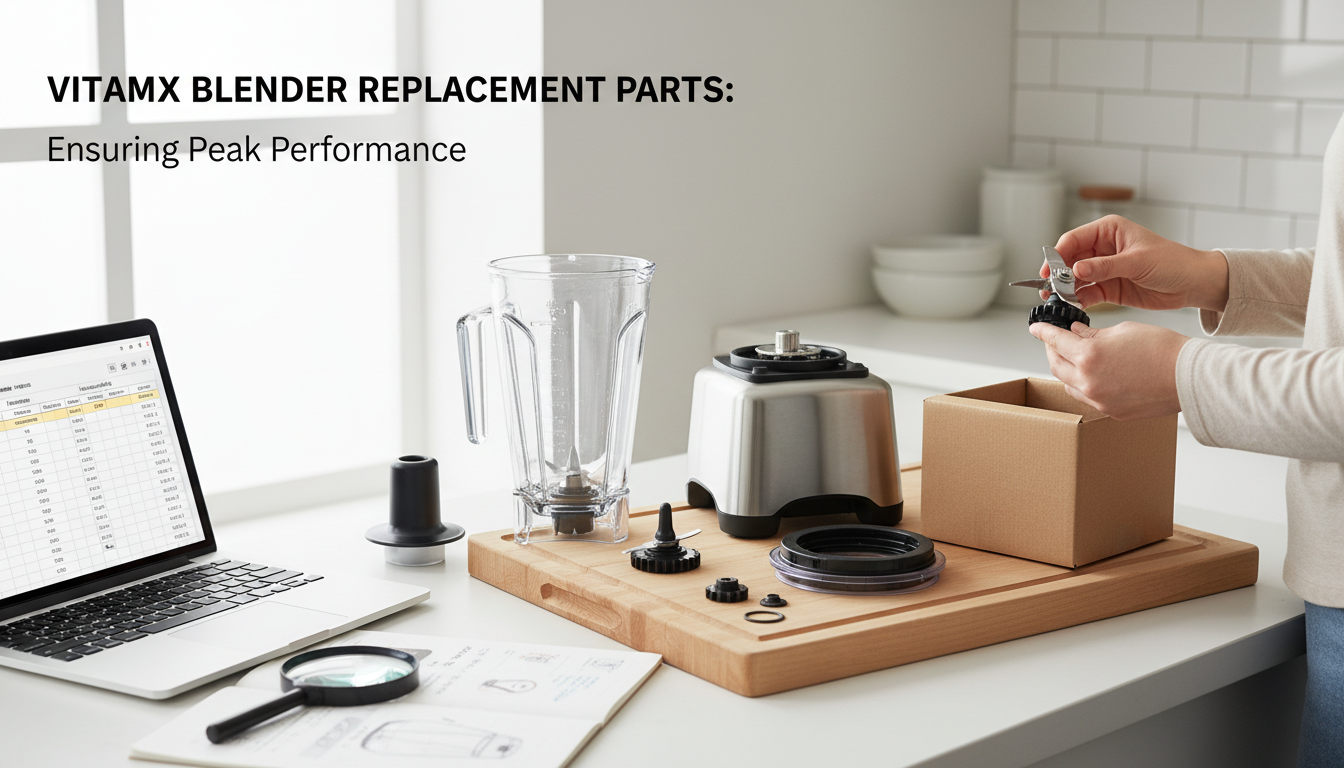
Finding Black+Decker Blender Replacement Parts: A Buyer's Guide
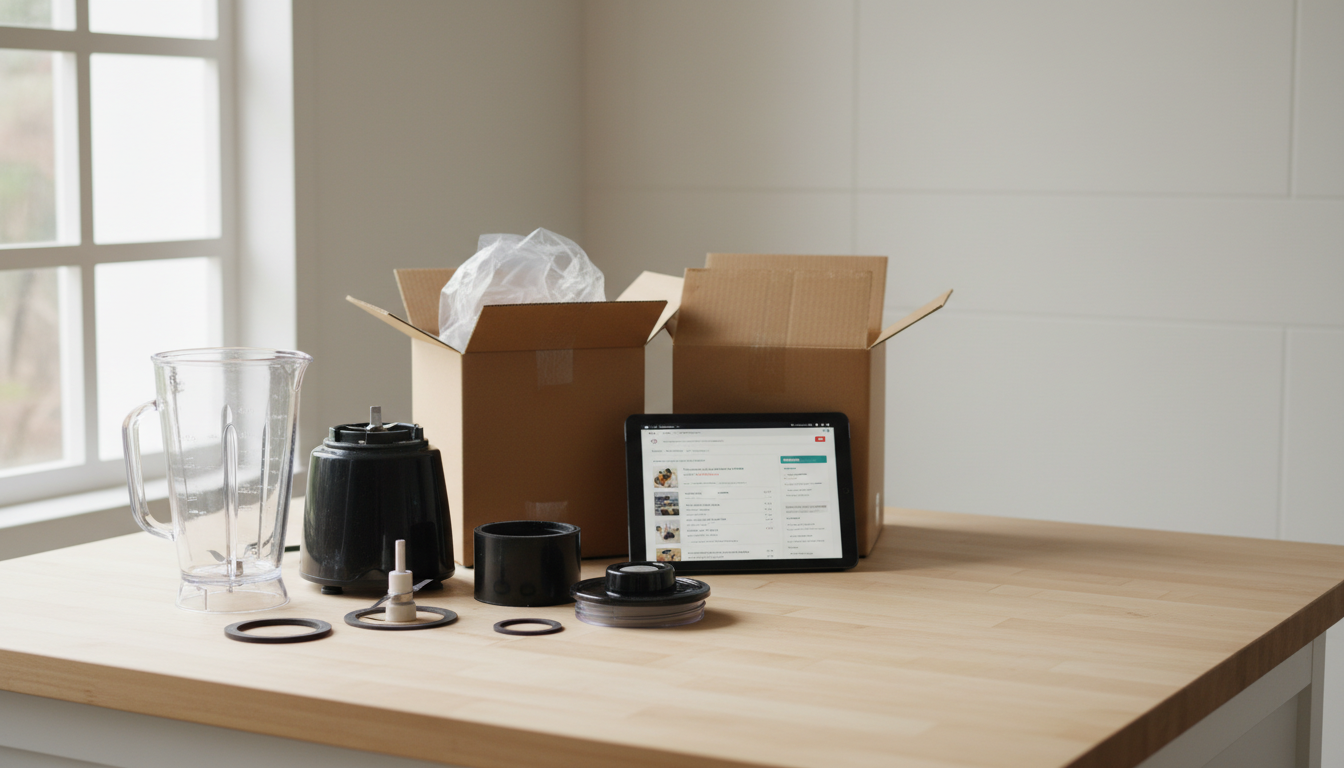
Revitalize Your Black+Decker Blender: A Guide to Replacement Parts
Blenders, including Black+Decker models, are workhorse appliances that naturally experience wear and tear over time. Components like blades can dull, gaskets can degrade and leak, and jars may crack or become cloudy with frequent use. These issues often diminish blending performance or render the appliance unusable.
Opting to replace specific parts rather than the entire unit offers both cost-effectiveness and a more sustainable approach. Repairing extends the lifespan of your existing appliance, reducing electronic waste and often proving significantly less expensive than purchasing a brand-new blender. It's an economical choice that supports responsible consumption.
However, finding the correct replacement parts for a Black+Decker blender presents a specific challenge: ensuring compatibility. Unlike generic accessories, these parts must precisely match your blender's model to function safely and effectively. This guide addresses that need by focusing on brand-specific compatibility and reliable sourcing.
This guide will empower you to confidently identify the necessary Black+Decker replacement parts, understand critical selection criteria, and navigate the purchasing process to make informed decisions. We'll cover how to pinpoint your blender's model, recognize common part failures, and explore options for sourcing genuine or compatible components to restore your blender's performance.
Why Black+Decker Specific Parts Are Crucial for Performance
Black+Decker blenders are engineered with specific tolerances and designs for their internal components. Unlike some universal parts, the blades, gaskets, and jars are not merely interchangeable but are designed to integrate precisely with the motor base and each other. This includes the diameter of shafts, the pitch and angle of blades, the thickness and material of gaskets, and the threading or locking mechanisms of jars. This unique design ensures efficient power transfer, optimal blending action, and a secure seal during operation.
Using parts not specifically designed or approved for your Black+Decker model introduces several significant risks:
- Compromised Performance: Ill-fitting blades may not engage correctly with the motor, leading to inefficient blending, uneven textures, or increased strain on the motor. The blade's design (number of fins, sharpness, angle) is calibrated for the motor's power and the jar's shape.
- Leakage and Mess: Gaskets that are too thin, thick, or made from unsuitable materials will fail to create a watertight seal. This can result in leaks from the blade assembly or jar, causing mess and potentially damaging the motor base with liquid ingress.
- Appliance Damage: Incorrectly sized or poorly manufactured components can cause excessive vibration, stripping of gears, or overheating of the motor. Over time, this can lead to premature wear or complete failure of the blender.
- Safety Hazards: Parts that don't fit securely can detach during operation, posing a risk of injury or further damage to the appliance and surrounding surfaces.
To maintain the intended performance and longevity of your Black+Decker blender, selecting genuine or demonstrably compatible parts is essential. These components are manufactured to the original specifications, guaranteeing proper fit, functionality, and safety. For the buyer, this means actively verifying that any replacement part explicitly states compatibility with their specific Black+Decker blender model, thereby addressing the core problem of ensuring correct fit and function.
Identifying Your Black+Decker Blender Model and Needed Part
Successfully repairing your Black+Decker blender begins with accurately identifying its specific model and the exact component requiring replacement. This precision ensures you acquire compatible parts, preventing frustration and wasted effort.
To pinpoint your blender's identity and the part you need:
- Locate Your Blender's Model Number. The model number is the primary identifier for your Black+Decker appliance. It is typically found on a label affixed to the underside of the blender's motor base. If the original packaging is still available, the model number may also be printed there. This alphanumeric code is crucial for cross-referencing parts on manufacturer or retailer websites.
- Understand Common Black+Decker Replacement Parts.
- Blades: The blade assembly is responsible for cutting and pulverizing ingredients. Over time, blades can dull, bend, or chip, leading to inefficient blending. Visual cues include food remaining chunky, a grinding sound during operation, or visible damage to the blade edges. The iFixit source indicates that inefficient blending can be a sign of dull blades.
- Gaskets: These rubber or silicone rings create a seal between the blade assembly and the blender jar, preventing leaks. Gaskets can harden, crack, or tear, compromising the seal. A clear sign of a faulty gasket is liquid leaking from the bottom of the blender jar during use.
- Jars: The blender jar holds ingredients during blending. Jars can crack, chip, or become cloudy from repeated use or accidental drops. Visible cracks, especially near the base or rim, indicate a need for replacement to prevent leaks and ensure safe operation.
- Verify Part Numbers for Compatibility. Once you have identified your blender's model number and the specific part that needs replacing, look for a corresponding part number. Genuine Black+Decker replacement parts, and often compatible aftermarket options, will list a specific part number associated with particular blender models. Matching this part number is the most reliable method to confirm compatibility and ensure a proper fit, reducing the risk of purchasing an incorrect item.
Where to Find Authentic Black+Decker Blender Replacement Parts
Locating the correct replacement parts for your Black+Decker blender is crucial for maintaining its performance and extending its lifespan. Your search should prioritize sources that offer genuine parts or high-quality, compatible alternatives, ensuring a proper fit and reliable function.
Begin your search with official brand channels for the highest assurance of compatibility and authenticity.
- Official Black+Decker Website: The brand's official support pages, such as "Support | BLACK+DECKER," often provide direct links or information on how to order replacement parts. Look for sections dedicated to "Find Parts" or "Accessories + Parts," which may list available components directly or guide you to authorized distributors.
- Authorized Service Centers: For some parts, especially those requiring specific installation or technical expertise, Black+Decker's authorized service centers can be a reliable resource. These centers typically stock genuine OEM (Original Equipment Manufacturer) parts and can offer installation services.
Beyond official channels, several reputable online platforms specialize in appliance components.
- Specialized Appliance Parts Retailers: Many online stores focus exclusively on selling replacement parts for various appliance brands. These retailers often categorize parts by brand and model, simplifying the search process.
- Major Online Marketplaces: Large e-commerce sites can host numerous sellers offering Black+Decker blender parts. When using these platforms, exercise caution and prioritize sellers with strong positive feedback and clear return policies.
When considering your purchase, understand the distinction between part types.
- Genuine OEM Parts: These are manufactured by Black+Decker or by a supplier approved by them, designed to meet the exact specifications of your blender model. They typically offer guaranteed compatibility and performance.
- High-Quality Aftermarket Parts: Produced by third-party manufacturers, these parts aim to be compatible with Black+Decker blenders. While often more budget-friendly, their quality and fit can vary. Look for aftermarket parts explicitly stating compatibility with your specific Black+Decker model number.
To mitigate risks and ensure you receive a legitimate product:
- Verify Seller Credibility: On online marketplaces, check seller ratings, read customer reviews, and look for a history of positive transactions. Avoid sellers with limited information or consistently negative feedback.
- Confirm Product Authenticity: For OEM parts, look for official branding or packaging. For aftermarket parts, scrutinize product descriptions for detailed specifications, material quality claims, and clear compatibility statements.
- Review Return Policies: Understand the seller's return and exchange policy before purchasing, especially for aftermarket parts where fit might be less guaranteed.
Key Considerations When Purchasing Replacement Parts
Acquiring the correct replacement parts for your Black+Decker blender involves more than just finding a match; it requires an evaluation of several critical factors to ensure functionality, longevity, and a worthwhile investment. Understanding these considerations helps mitigate risks and supports an informed purchasing decision.
-
Material Quality and Construction The durability and performance of a replacement part are directly linked to its materials. For blades, look for robust stainless steel construction, as this impacts sharpness retention and resistance to corrosion. Jars, whether plastic or glass, should be designed for impact resistance and clarity; certain plastics can become cloudy over time, while tempered glass offers superior scratch resistance. Gaskets and O-rings require food-grade rubber or silicone to maintain a leak-proof seal and resist degradation from blending ingredients. Inferior materials can lead to premature wear, inefficient blending, or even safety issues.
-
Ensuring Exact Model Compatibility Black+Decker produces various blender models, and parts are rarely universally interchangeable across the brand. Even visually similar components can have subtle differences in dimensions, threading, or connection points that prevent proper fit. It is crucial to cross-reference the part's description with your blender's precise model number, typically found on the appliance's base. Attempting to force an incompatible part can cause damage to both the new component and the blender's motor base, rendering the repair effort futile. This emphasis on 'fit limits' is paramount for safe and effective operation.
-
Understanding Return Policies and Warranties Before finalizing any purchase, review the seller's return policy. A clear return policy provides recourse if the part arrives damaged, is incorrect, or proves incompatible despite careful verification. Additionally, inquire about any limited warranties offered by the seller or manufacturer for the replacement part itself. While these might not cover the entire appliance, understanding the warranty for the specific component can offer protection against defects in materials or workmanship, providing peace of mind for your investment.
-
Evaluating Cost-Benefit: Repair vs. Replacement Weigh the cost of the replacement part(s) against the price of a new Black+Decker blender. If the total repair cost, including potential shipping, approaches or exceeds a significant percentage (e.g., 50-70%) of a new, comparable blender, it may be more economical to consider a full appliance replacement. This assessment should also factor in the overall age and condition of your existing blender. If multiple components are failing or the motor shows signs of weakness, investing in a new unit might offer better long-term value and reliability.
-
Potential Installation and Maintenance Challenges Consider the complexity of installing the replacement part. Replacing a gasket or a blade assembly might be straightforward for many users, often requiring minimal tools and following basic instructions. However, other repairs, such as replacing a motor coupling or internal electrical components, could be more challenging and potentially require specialized tools or technical knowledge. Review any available installation guides or videos before purchasing to assess whether you are comfortable performing the repair yourself or if professional assistance might be necessary.
Solving Common Black+Decker Blender Issues with the Right Part
Understanding the specific malfunction your Black+Decker blender is experiencing is the first step toward identifying the correct replacement part. Many common issues can be resolved by replacing a single component, extending the lifespan of your appliance.
-
When to Replace a Blade Assembly: An inefficient blade assembly is a frequent cause of poor blending performance. If your blender struggles to process ingredients, leaves chunky residues, or takes longer than usual to achieve desired consistency, the blade might be dull or damaged.
- Symptoms: Inefficient blending, fibrous ingredients not fully processed, increased blending time, visible dullness or nicks on blade edges, unusual noises during operation that suggest blade imbalance or friction.
- Solution: A new blade assembly can restore cutting efficiency and smooth operation. Ensure the replacement blade is compatible with your specific Black+Decker blender model.
-
When to Replace a Gasket: Leaks are a clear indicator that your blender's gasket (or sealing ring) needs attention. The gasket creates a watertight seal between the blade assembly and the blender jar, preventing liquids from escaping during operation.
- Symptoms: Liquid seeping from the bottom of the blender jar, especially during blending; a loose-fitting blade assembly; visible cracks, tears, or hardening of the existing gasket.
- Solution: Replacing a worn or damaged gasket is typically a straightforward fix that restores the seal and prevents mess.
-
When to Replace a Jar: Blender jars can sustain damage from drops, extreme temperatures, or prolonged use, impacting both functionality and hygiene.
- Symptoms: Visible cracks, chips, or breaks in the jar material; persistent odors that cannot be removed through cleaning; cloudy or discolored plastic that affects food safety or aesthetics.
- Solution: A new jar ensures safe and hygienic blending, especially if the original has structural damage or unresolvable contamination.
-
Other Potential Issues: While blades, gaskets, and jars are the most commonly replaced parts, other components can fail. For instance, button malfunctions or motor issues can occur. While some external parts like lids might be user-replaceable, internal electrical components, such as those related to button functionality or motor operation, are generally not considered user-serviceable. Attempting to repair these internal parts without expertise can be risky and may void any remaining warranty. For such issues, consulting Black+Decker's official support channels for professional repair guidance or considering a full appliance replacement might be more practical.
Frequently Asked Questions About Black+Decker Blender Parts
Understanding the nuances of replacement parts can simplify the repair process for your Black+Decker blender. Here are answers to common questions to help you make informed decisions.
-
Are Black+Decker blender parts interchangeable between models? Generally, Black+Decker blender parts are designed for specific models or a narrow range of models. While some components like certain gaskets might have broader compatibility, crucial parts such as blade assemblies and jars are typically model-specific. This is due to variations in motor base design, coupling mechanisms, and overall dimensions. Always verify the part number against your blender's exact model number to ensure a correct and safe fit.
-
Can I use generic replacement parts for my Black+Decker blender? Using generic replacement parts for a Black+Decker blender carries inherent risks. While often less expensive, these parts may not meet the same specifications for fit, material quality, or safety as genuine or manufacturer-approved compatible parts. An ill-fitting blade could cause leaks or damage the motor, and lower-quality plastics might not withstand blending stresses. Prioritize parts explicitly stated to be compatible with your specific Black+Decker model.
-
How do I clean and maintain my new blender parts? Proper cleaning extends the life of any blender part. After each use, disassemble the jar, blade assembly, and lid. Wash these components with warm, soapy water, rinsing thoroughly to remove all food residue. Allow them to air dry completely before reassembling or storing. Avoid abrasive cleaners or scouring pads that can scratch surfaces or degrade seals. Refer to your original blender manual for any specific care instructions.
-
What are the most common parts that need replacing? The most frequently replaced Black+Decker blender parts typically include the blade assembly, the sealing gasket (often located under the blade), and the blender jar itself. Blades can dull or bend over time, gaskets can crack or lose elasticity leading to leaks, and jars may crack, chip, or become cloudy from repeated use and cleaning cycles.
-
Is it cheaper to replace parts or buy a new Black+Decker blender? In most cases, replacing a single worn Black+Decker blender part is significantly more cost-effective than purchasing an entirely new appliance. This approach extends the useful life of your existing blender and reduces waste. However, if multiple major components require replacement, or if the cumulative cost of parts approaches the price of a new basic blender, evaluating the overall investment against a new purchase becomes prudent.
Making an Informed Choice for Your Black+Decker Blender
Successfully maintaining your Black+Decker blender through part replacement hinges on a methodical approach. The journey from identifying a worn component to reassembling a functional appliance underscores the value of precision. Prioritizing the exact model number and part identification is not merely a recommendation; it is the foundation for ensuring compatibility and avoiding common pitfalls associated with incorrect fittings or non-functional parts. Sourcing these components from reliable channels, whether official brand support or reputable third-party vendors, further safeguards your investment by offering a higher likelihood of quality and appropriate fit.
Ultimately, opting to repair your Black+Decker blender rather than replacing it entirely is a testament to both practical economy and environmental consciousness. The satisfaction derived from restoring an appliance to working order is significant, extending its useful life and reducing waste. By carefully selecting compatible and quality replacement parts, you empower your blender to continue performing its intended function, ensuring it remains a reliable tool in your kitchen for many more blending cycles to come.
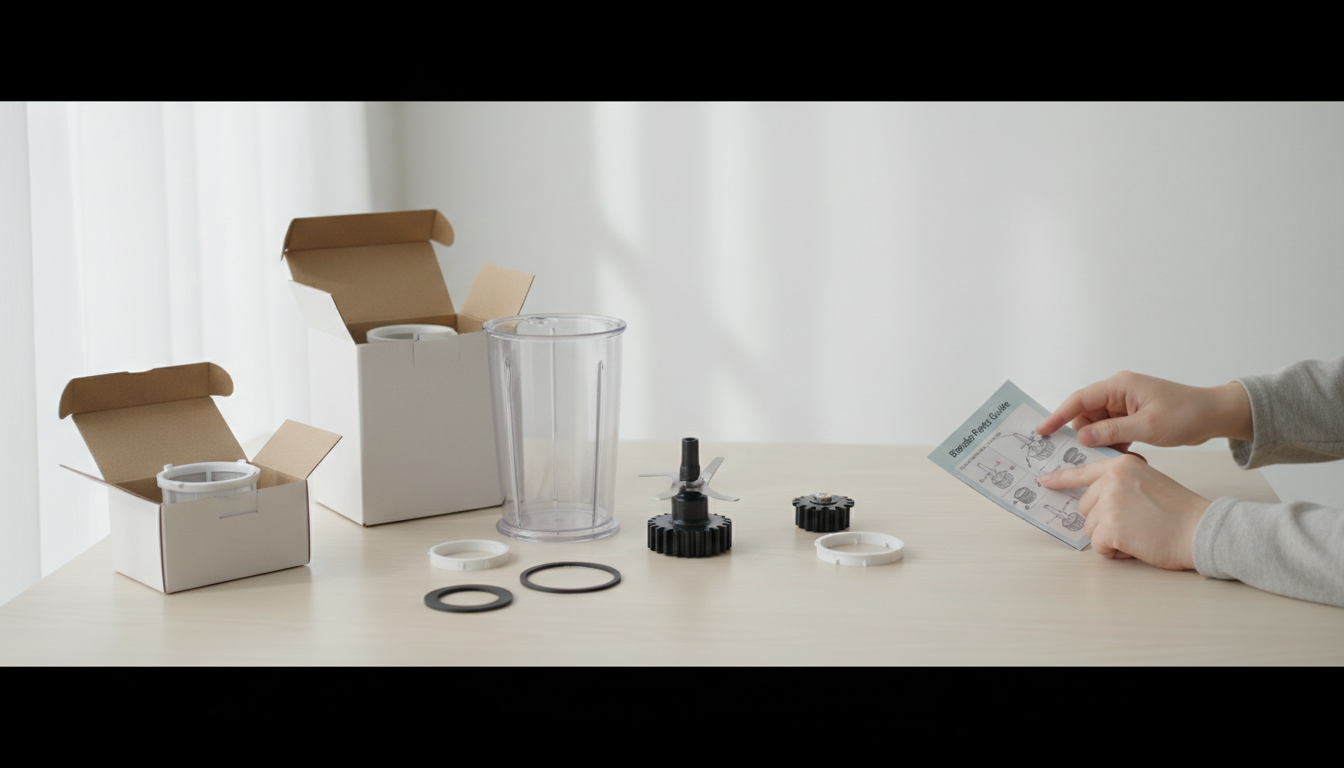
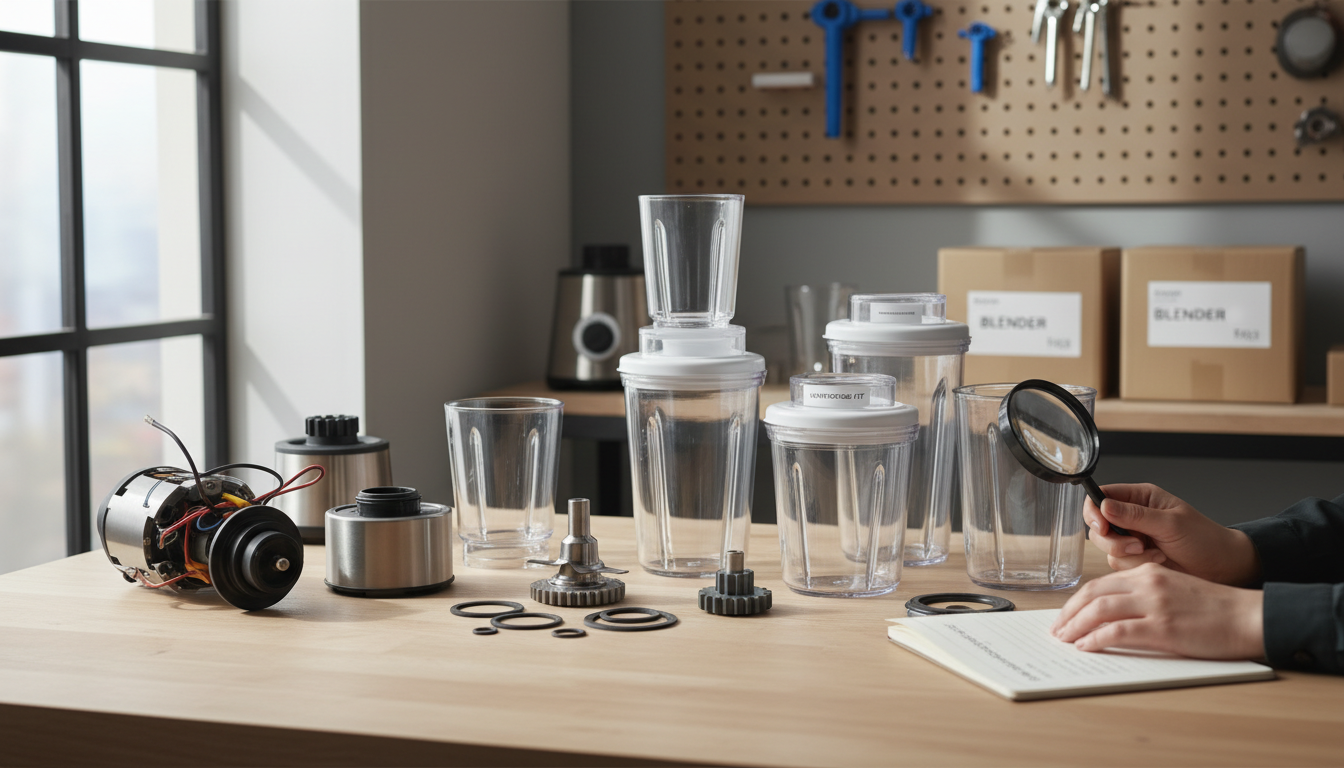
More in Blender Replacement Parts
View All