Universal Blender Replacement Parts: A Guide to Compatibility and Selection
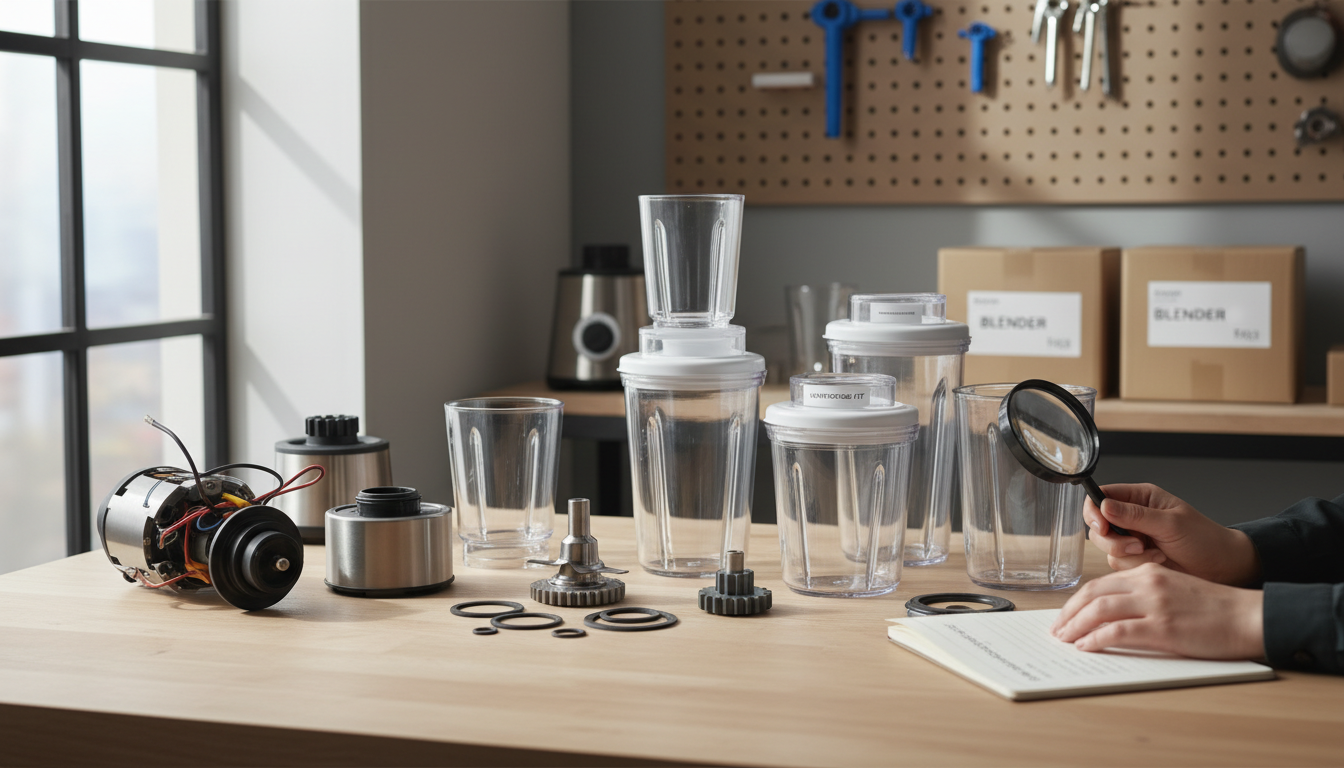
Blender Parts decision framework
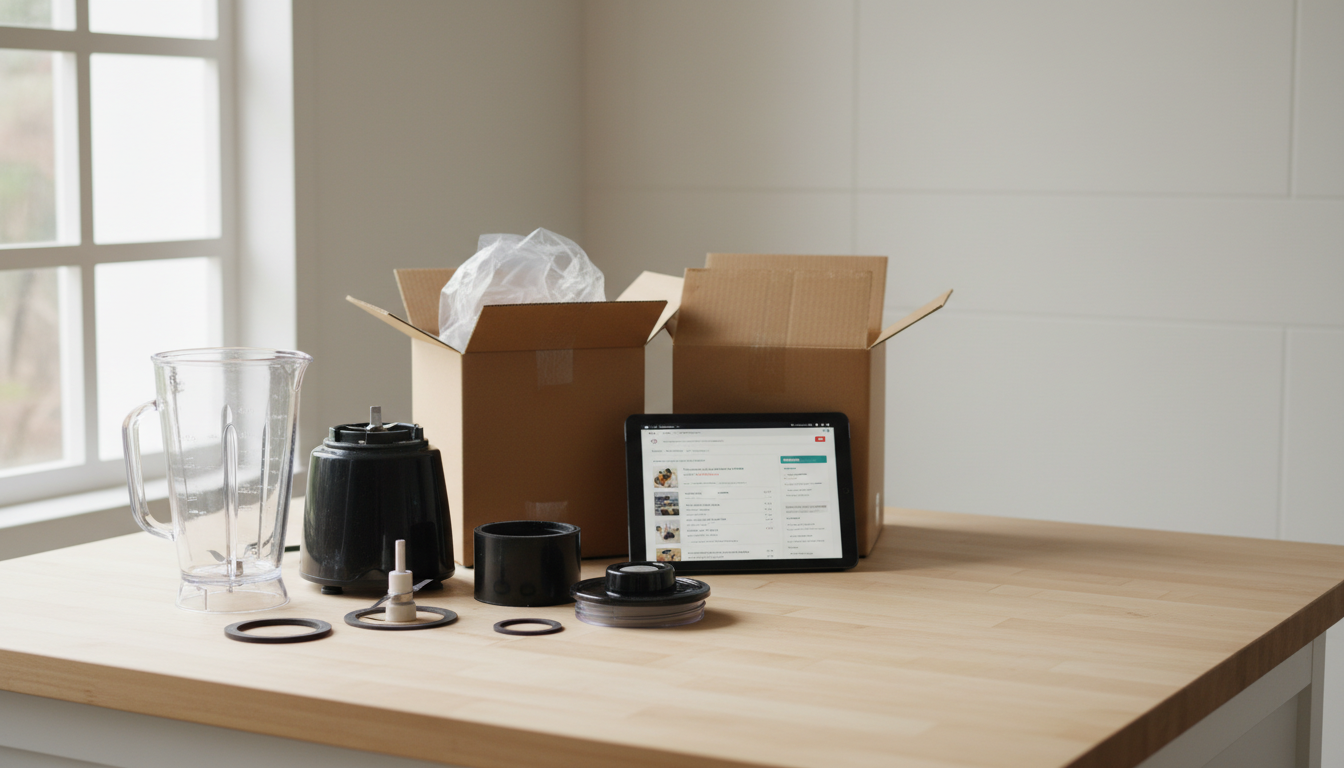
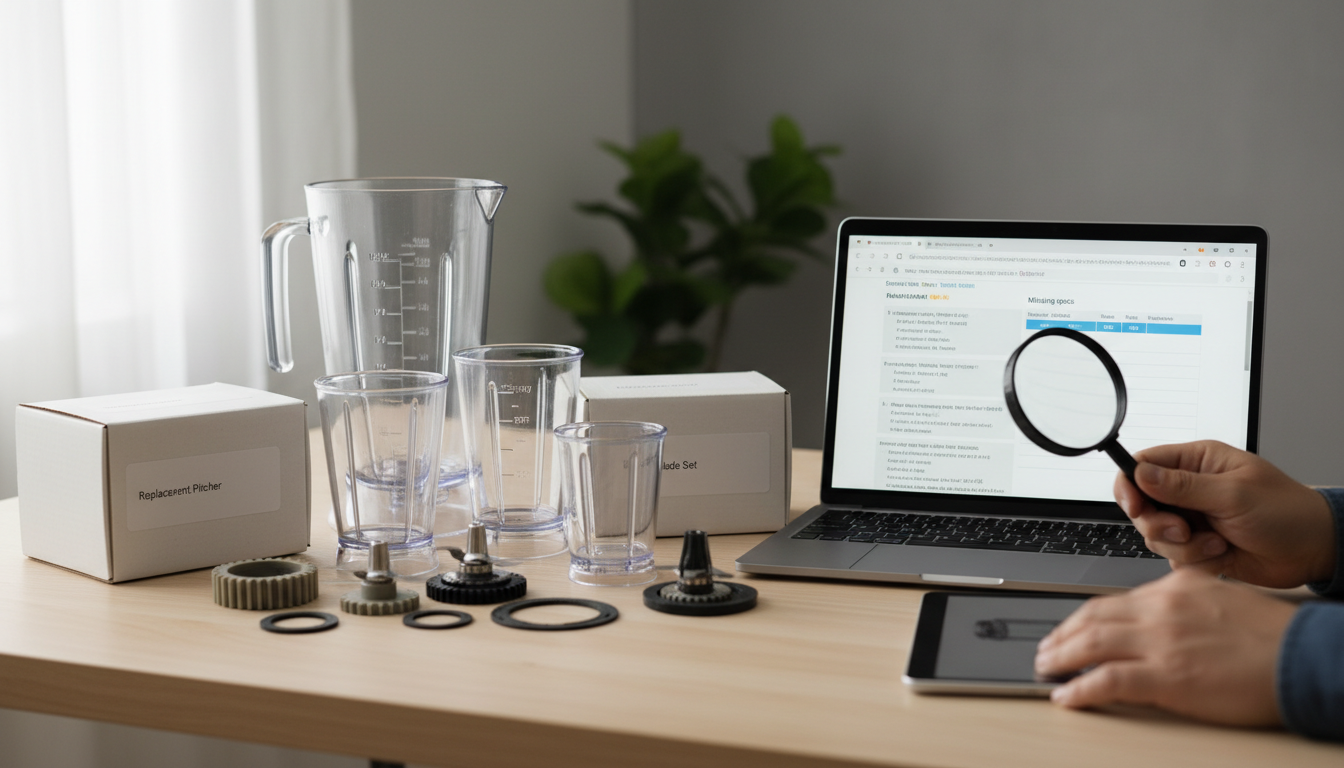
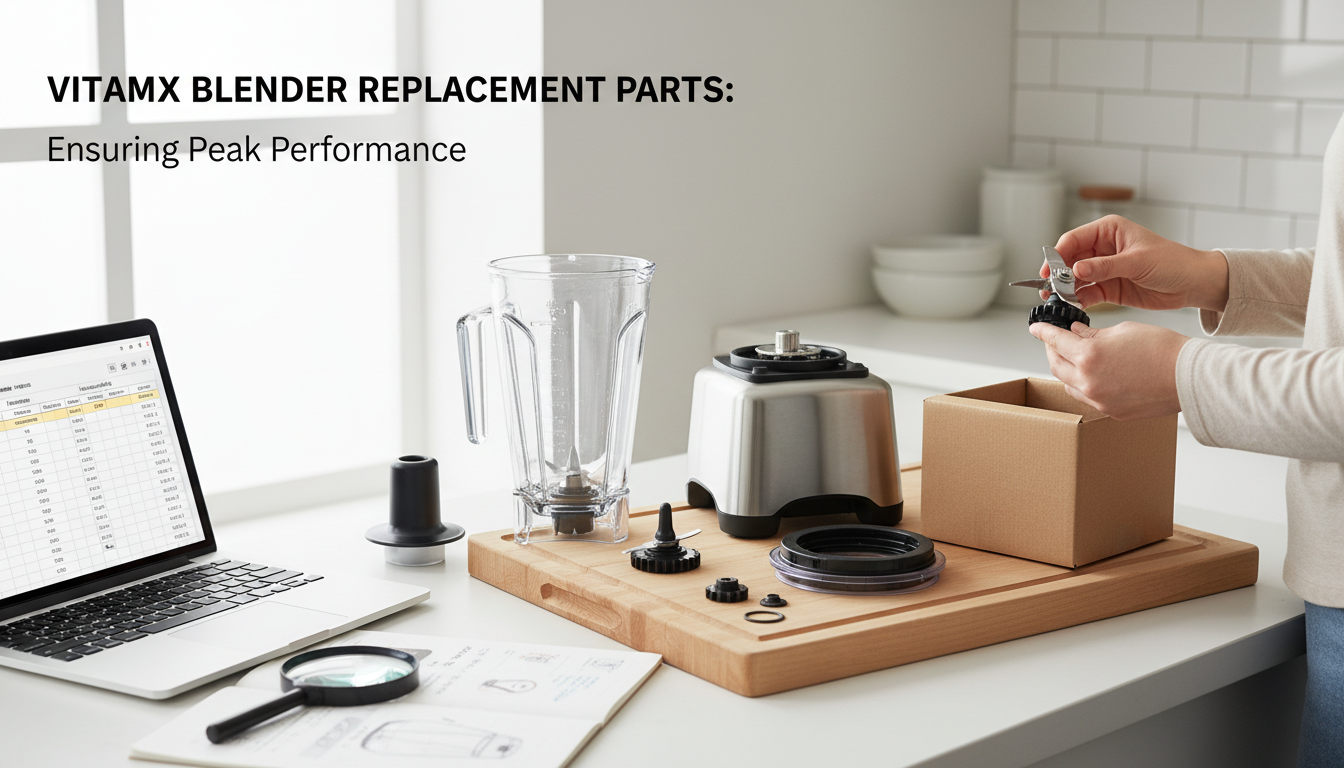
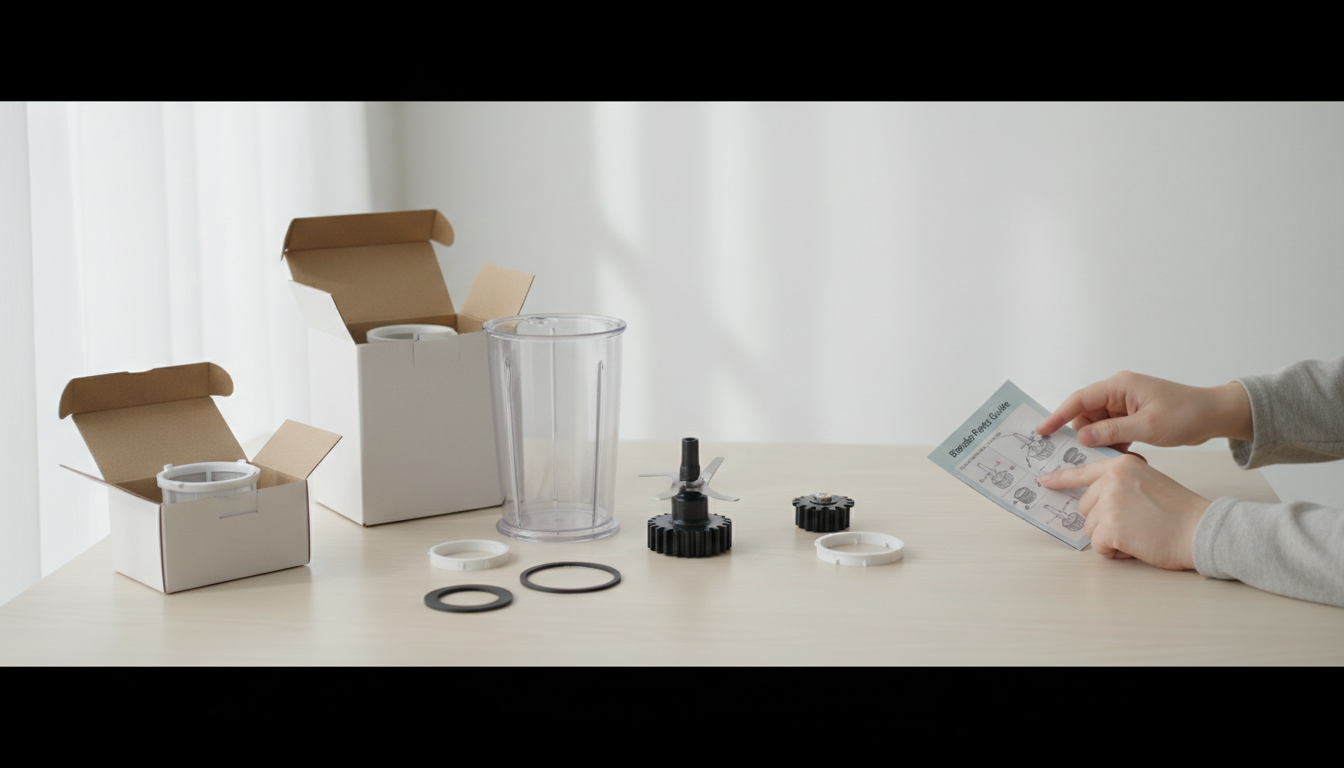
A worn gasket, dull blade, or cracked jar doesn't always mean replacing your entire blender. For many, sourcing a specific replacement part offers a cost-effective solution to extend the life of a valued appliance. This guide serves as a starting point for individuals evaluating the viability and process of replacing universal blender components like gaskets, blades, and jars.
This framework is designed for buyers who have identified a failing blender part and are now weighing their options. It helps you navigate the landscape of replacement parts, focusing on critical decision points beyond specific brand names. The goal is to equip you with the understanding needed to make an informed choice about maintaining your current blender versus considering a full appliance upgrade.
Your decision path for blender part replacement will involve several key considerations:
- Accurate Identification: Pinpointing the exact make, model, and part number of your existing blender component is the foundational step for ensuring compatibility.
- Compatibility Verification: Understanding how universal parts interact with your specific blender's design, especially concerning the base, motor, and coupling mechanisms.
- Quality vs. Cost: Evaluating the trade-offs between original equipment manufacturer (OEM) parts, which often guarantee fit and performance, and potentially more affordable aftermarket alternatives.
- Repair Feasibility: Assessing whether replacing the part is a practical and economical solution compared to the investment in a new blender, considering factors like overall appliance age and condition.
Blender-Parts Evidence buying criteria
Selecting the correct replacement parts for your blender requires a structured approach to ensure compatibility, performance, and value. Before committing to a purchase, consider these critical factors to make an informed decision and avoid common pitfalls associated with universal or aftermarket components.
- Verify Model Compatibility: The most crucial step is confirming the part explicitly lists your blender's brand and precise model number. Many parts advertised as "universal" have specific fitment ranges, and even slight variations can lead to improper function or damage.
- Match Part Type and Function: Ensure the replacement component (e.g., blade assembly, gasket, jar, lid) directly corresponds to the part you need to replace. Different blender models, even within the same brand, can have distinct designs for seemingly similar parts.
- Evaluate Material Quality: Assess the materials used. For blades, look for durable stainless steel. Jars should ideally be made from robust, food-grade, BPA-free plastic or tempered glass. Gaskets and O-rings require flexible, long-lasting rubber or silicone to ensure a tight seal. Material choice directly impacts both longevity and safety.
- Assess Blade Performance Expectations: If replacing a blade assembly, understand that aftermarket options might not always match the original manufacturer's sharpness or design specifications. While they should restore basic blending function, there might be subtle differences in efficiency or texture consistency compared to new, original blades.
- Compare Cost vs. New Appliance: Calculate the total cost of the necessary replacement parts. If the cumulative expense approaches a significant percentage of a new blender's price, it may be more economical to consider a full appliance replacement rather than repair.
- Consider Aftermarket vs. Genuine Parts: Aftermarket parts can offer a cost-effective alternative to genuine (OEM) components. However, their quality and precise fit can vary. Genuine parts typically assure exact fit and manufacturer-backed quality, but often come at a higher price.
- Review User Feedback and Ratings: For aftermarket parts in particular, examine customer reviews for consistent feedback on fit, durability, and performance. This can highlight common issues or confirm reliability where direct brand support might be limited.
- Understand Potential Risks: Incompatible or low-quality parts can lead to leaks, inefficient blending, increased noise, or even damage to the blender's motor. Prioritize parts that demonstrate a track record of reliability to mitigate these risks.
Blender-Parts Use Case options and use cases
When considering replacement parts for a blender, the decision often hinges on the specific problem, desired outcome, and budget. Various approaches exist, each with distinct advantages and trade-offs that influence the buying path. Understanding these options helps in selecting the most appropriate solution.
Addressing Minor Wear and Tear
For issues like leaks, unusual noises, or inconsistent blending, the problem might stem from small, easily replaceable components.
- Types: This category includes parts such as gaskets, O-rings, drive couplings, and small gear assemblies. These are often the first to wear out due to friction or continuous use.
- Pros:
- Cost-Effective: Typically the least expensive repair option.
- Simple Repair: Many small parts can be replaced with minimal tools or technical skill.
- Extends Life: Can significantly prolong the lifespan of an otherwise functional appliance.
- Cons:
- Diagnosis Required: Accurate identification of the faulty small part is crucial to avoid unnecessary purchases.
- Underlying Issues: May not resolve problems if the wear is a symptom of a larger, systemic mechanical failure.
- Reader Scenario: Your blender motor still runs strong, but you notice a drip from the bottom of the jar, or the blades occasionally fail to engage. Replacing a worn gasket or drive coupling could restore full function.
Restoring Core Blending Performance
When blending efficiency declines, ingredients are left chunky, or the jar itself is damaged, larger functional assemblies often require replacement.
- Types: This typically involves blade assemblies (which often include a gasket and base nut), or entire blender jars that come with an integrated blade unit and lid.
- Pros:
- Performance Renewal: Directly addresses issues like dull blades or cracked containers, restoring original blending power and capacity.
- Convenience: Replacing an entire jar with an integrated blade can be quicker than disassembling and reassembling individual blade components.
- Cons:
- Higher Cost: More expensive than small component replacements, pushing closer to the cost of a new entry-level blender.
- Quality Variance: Aftermarket blade sharpness and jar durability can vary significantly from original equipment.
- Reader Scenario: Your blender struggles to pulverize ice or fibrous ingredients, or the jar has developed cracks from repeated use or impact. Replacing the blade assembly or the entire jar might be necessary to regain optimal performance.
Navigating Genuine vs. Aftermarket Parts
A critical decision across all replacement scenarios is whether to opt for genuine (original equipment manufacturer, OEM) or aftermarket (third-party) parts.
- Genuine Parts:
- Pros: Guaranteed compatibility, often manufactured to original specifications, may maintain existing warranties.
- Cons: Higher price point, availability can be limited for older or discontinued models.
- Aftermarket Parts:
- Pros: Generally more affordable, wider availability, particularly for older blender models.
- Cons: Quality and material consistency can vary, potential for imperfect fit or reduced durability, may not perform identically to OEM parts (e.g., blade sharpness), and could potentially void existing warranties.
- Reader Scenario: Balancing budget against assurance of fit and performance. If cost is a primary concern and the blender is older, aftermarket parts might be considered. For newer blenders or critical performance needs, genuine parts offer greater peace of mind regarding compatibility and longevity.
Blender-Parts Trade-Offs mistakes to avoid
Navigating the market for blender replacement parts, particularly those labeled "universal," presents specific risks and trade-offs that can affect both your appliance's performance and your investment. Understanding these common pitfalls before purchase can help prevent frustration and ensure a successful repair.
A primary mistake is assuming that "universal" implies a perfect fit for all blenders. Many parts described this way are compatible with a range of models or brands, but rarely every single one. Overlooking precise model specifications, even for seemingly minor components like gaskets or couplings, can lead to improper sealing, increased wear, or even damage to your blender's motor.
- Ignoring Model Specificity: Always cross-reference the part's listed compatibility with your blender's exact make and model number, even if it's broadly advertised as "universal."
- Underestimating Quality Variance: Aftermarket parts can offer cost savings, but their quality can vary significantly. Some replacement blades, for instance, may not achieve the same sharpness or durability as original components, potentially leading to less efficient blending over time.
- Neglecting Material Composition: The material of a replacement part, such as the plastic for a gear or the rubber for a gasket, directly impacts its longevity and performance. Inferior materials can degrade quickly, necessitating another replacement sooner than expected.
To mitigate these risks, implement specific quality checks and understand return considerations:
- Visual Inspection Upon Receipt: Before attempting installation, thoroughly inspect the part for any manufacturing defects, inconsistencies in material, or signs of damage that could affect its function.
- Dry Fitment Test: Perform a careful dry fit without power to ensure the part seats correctly, aligns properly, and moves as expected without undue force. This can reveal compatibility issues before potential damage occurs.
- Leverage User Reviews: For aftermarket or "universal" parts, examine user reviews specifically mentioning your blender model or similar models. Look for consistent feedback regarding fit, durability, and performance.
Finally, consider the practicalities of returns. An incompatible or faulty part is only a minor setback if you can return it easily.
- Review Return Policies: Before finalizing your purchase, understand the seller's return window, whether they cover return shipping for compatibility issues, and if any restocking fees apply.
- Retain Packaging: Keep all original packaging, instructions, and proof of purchase until you have successfully installed and tested the replacement part to ensure it meets your expectations.
Blender Parts Replacement FAQ
Navigating the world of blender replacement parts often brings up several common questions regarding cost, available options, and potential pitfalls. Understanding these aspects can help in making an informed decision about maintaining your current appliance.
-
How much do blender replacement parts typically cost? The cost of replacement parts varies significantly based on the specific component, the blender brand, and whether you choose an original equipment manufacturer (OEM) part or an aftermarket alternative. Simple components like gaskets or O-rings are generally inexpensive, while motor bases, jars, or blade assemblies can range from moderately priced to a substantial fraction of a new blender's cost. Aftermarket parts are often positioned as more cost-effective options compared to OEM parts.
-
What are the alternatives to buying original manufacturer parts? Buyers frequently encounter two main alternatives:
- Aftermarket Parts: These are manufactured by third-party companies and designed to be compatible with various blender models. They can offer a lower price point, but their quality, durability, and precise fit can vary. Some aftermarket parts perform comparably to originals, while others may have shorter lifespans or slightly different performance characteristics, such as blade sharpness.
- Full Blender Replacement: If multiple parts are failing, the blender's motor is showing signs of wear, or the cost of replacement parts approaches that of a new appliance, replacing the entire blender might be a more economical and practical long-term solution.
-
What are common mistakes to avoid when purchasing replacement blender parts? Several pitfalls can lead to incorrect purchases or dissatisfaction:
- Ignoring Model Numbers: Assuming a part fits based solely on brand or a general description like "universal" is a frequent error. Always verify the exact model number of your blender against the part's compatibility list. Slight variations between models can render a part incompatible.
- Overlooking Quality Reviews for Aftermarket Parts: While aftermarket options can save money, their quality is not uniform. Checking user reviews for feedback on fit, durability, and performance can help gauge reliability.
- Not Identifying the Exact Failing Component: Sometimes, a symptom (e.g., leaking) might point to a gasket, but the actual issue could be a cracked jar or a loose blade assembly. Accurately diagnosing the problem helps ensure you buy the correct part.
- Disregarding Material Specifications: Different parts are made from various materials (e.g., plastic, glass, stainless steel). Ensure the replacement part's material is suitable for your intended use and matches the original's specifications where performance is critical.
Blender-Parts-Pick buying path
Navigating the landscape of universal blender replacement parts culminates in a clear decision: proceed with a specific part or explore alternative solutions. Your path forward depends directly on the compatibility checks, quality assessments, and trade-offs you've considered throughout this guide.
Based on your evaluation, here are the next steps to solidify your buying decision:
- If you identified a compatible and suitable universal part:
- Action: Proceed with purchasing the component. Prioritize vendors with clear return policies and product descriptions that explicitly confirm compatibility with your blender's model number. Reconfirm material quality and user reviews for durability.
- Next Page: Seek out guides on proper installation for your specific part type (e.g., blade assembly, gasket, jar).
- If universal options did not meet compatibility or quality standards for your blender:
- Action: Your current appliance may require a brand-specific part or might be nearing the end of its practical lifespan.
- Next Page: Explore brand-specific replacement part guides on our site for your blender's manufacturer, or consider articles evaluating new blender purchases.
- If you are still weighing the overall value of repair versus replacement:
- Action: Re-evaluate the cost of the part against the cost of a new blender, factoring in your appliance's age and overall condition. A part might be economical, but if other components are failing, a new blender could be a more sustainable investment.
- Next Page: Consult our resources on blender maintenance and longevity, or guides on selecting a new blender that fits your usage needs and budget.