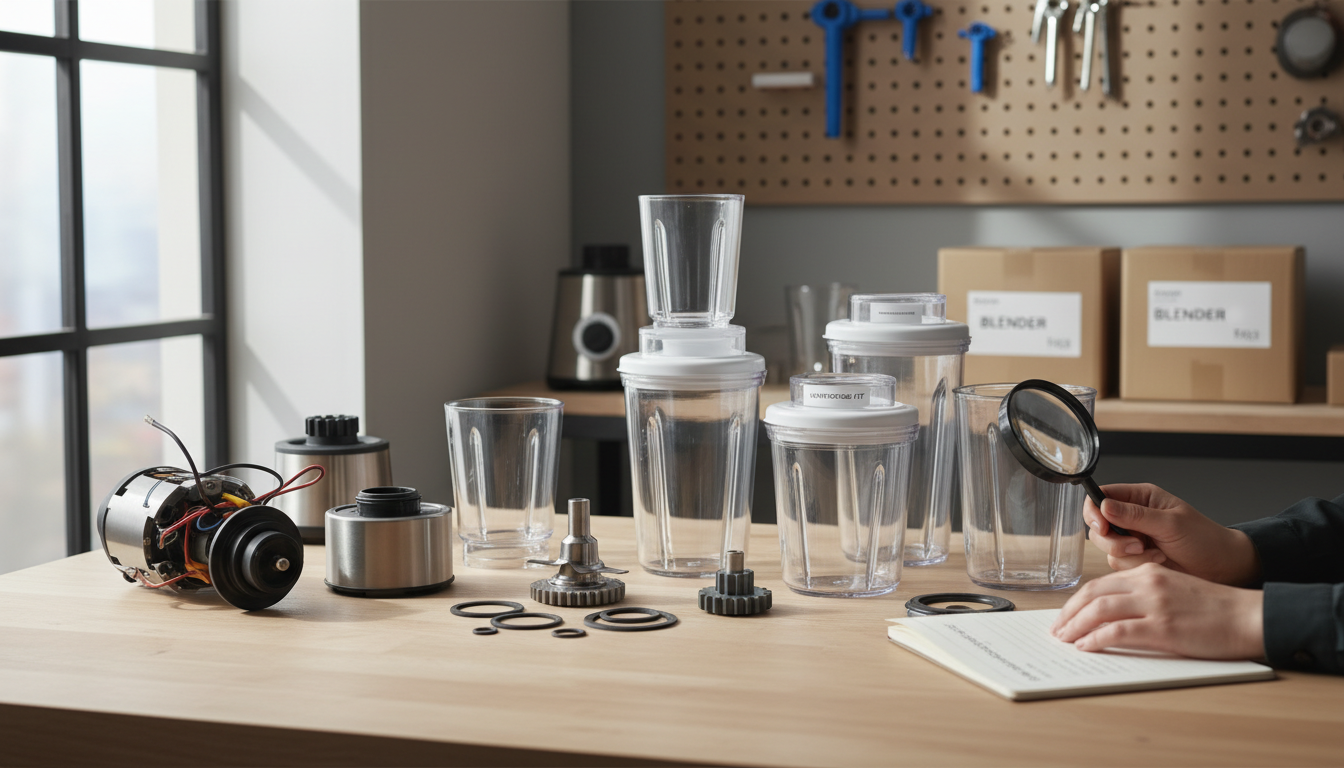
Vitamix Blender Replacement Parts: Ensuring Peak Performance
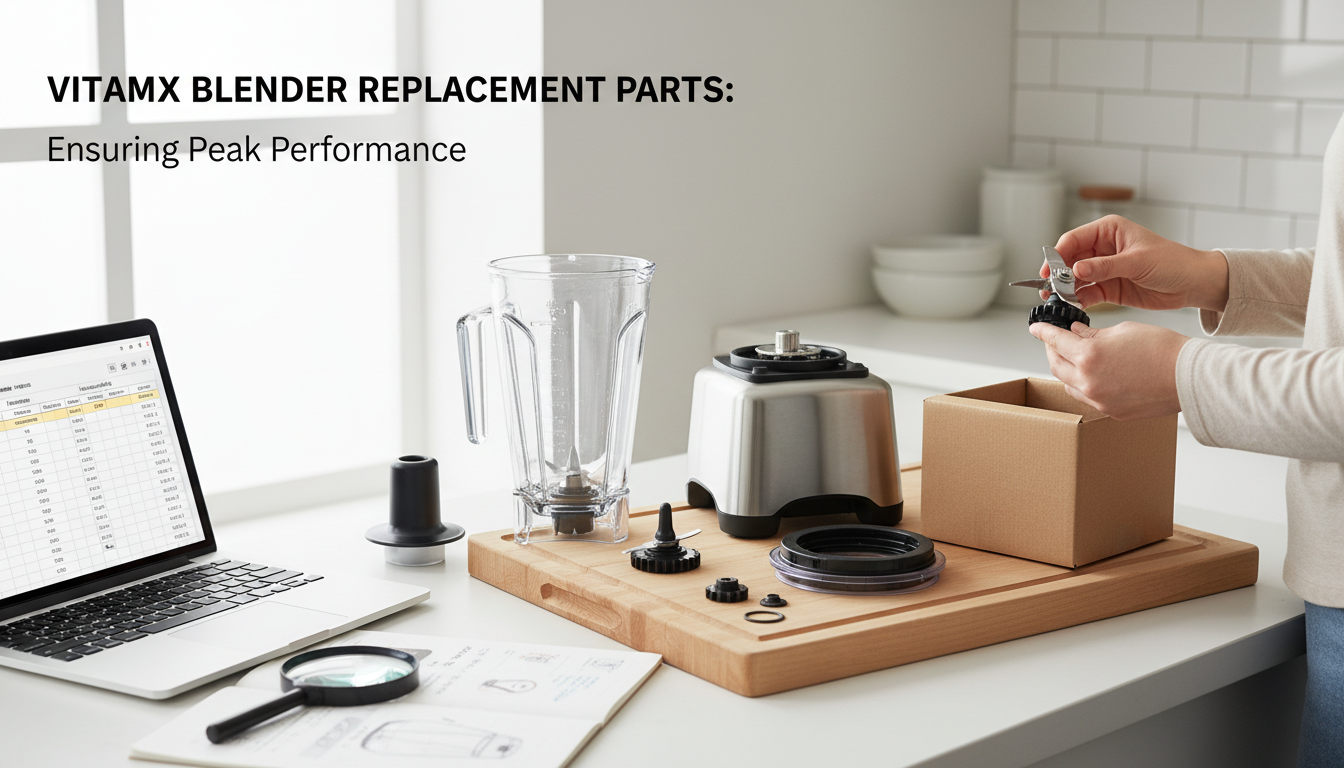
Maintaining Your Vitamix: Why Replacement Parts Matter
Vitamix blenders are often recognized for their robust construction and lasting performance, frequently serving owners for many years. However, even high-quality appliances experience wear and tear over time, especially with consistent use. Components like blades, containers, or drive sockets can eventually show signs of degradation, impacting the blender's efficiency and the quality of your culinary creations.
This guide aims to assist Vitamix owners in navigating the options available for replacement parts. Understanding compatibility, assessing quality, and considering the long-term value are crucial steps in maintaining your appliance. Rather than immediately considering a new purchase when a part falters, replacing a specific component can be a practical and often more economical solution.
Opting for replacement parts offers several advantages:
- Cost-effectiveness: Repairing a specific issue is typically less expensive than investing in an entirely new unit.
- Sustainability: Extending the life of your current appliance reduces waste and supports more sustainable consumption practices.
- Extended Lifespan: Properly chosen and installed replacement parts can restore your Vitamix to its optimal function, ensuring many more years of peak performance.
By focusing on informed decisions regarding parts, you can confidently keep your Vitamix blender operating at its best, preserving its renowned performance for all your blending needs.
Essential Vitamix Replacement Parts and Their Purpose
Maintaining a Vitamix blender at peak performance often involves understanding its key components and recognizing when they require attention. Each part plays a specific role in the blending process, and wear or damage to any can compromise efficiency, safety, or the quality of your blends. Identifying the function and typical failure points of these parts is crucial for informed replacement decisions.
-
Blade Assemblies: These are central to the blender's function, responsible for pulverizing ingredients. Vitamix offers different blade types, such as wet blades for liquids and frozen mixtures, and dry blades designed for grinding grains or kneading dough. Common reasons for replacement include dullness, which reduces blending efficiency, or issues with the bearings that can lead to increased noise, vibration, or even leaks from the bottom of the container. A compromised blade assembly directly impacts the smoothness and consistency of your preparations.
-
Containers/Jars: The container holds your ingredients and is designed for specific blending tasks. Vitamix offers various sizes, such as classic 64-ounce and low-profile options, along with specialized containers like the Aer Disc for frothing and emulsifying. Over time, containers can develop issues such as cracking due to impact or temperature extremes, become cloudy from repeated use and cleaning cycles, or retain persistent odors. Compatibility with your specific Vitamix model series is a critical consideration, as some containers feature advanced technologies like SELF-DETECT that communicate with the motor base.
-
Lids and Lid Plugs: These components ensure a secure seal during blending, preventing spills and allowing for safe addition of ingredients mid-cycle. The lid plug, in particular, often doubles as a measuring cup. Replacement is typically needed due to general wear and tear, such as degradation of the rubber seal, cracking, or if the lid loses its snug fit. A damaged lid can lead to leaks, reduce blending effectiveness, and pose a safety risk.
-
Tampers: A tamper is designed to push thick or frozen ingredients down into the blades without making contact, facilitating smoother blends and preventing air pockets. Tampers are typically replaced if they are lost, the handle breaks, or the tip becomes damaged. Using a tamper that is not specifically designed for your container size can risk contact with the blades.
-
Gaskets and O-rings: These small but vital components create watertight seals between various parts, such as the blade assembly and the container base, or within the lid mechanism. Their material can deteriorate, crack, or harden over time, leading to leaks. Regular inspection of these seals can prevent messy spills and maintain the integrity of your blender system.
-
Drive Sockets: Located on the motor base, the drive socket is the interface that connects to the blade assembly, transferring power from the motor to spin the blades. This component can experience wear, particularly with heavy use or when blending very thick mixtures, which may cause its internal gears to strip or become rounded. When the drive socket wears out, the motor may run, but the blades will not spin effectively, indicating a need for replacement to restore full functionality.
Key Considerations When Choosing Vitamix Replacement Parts
Selecting the correct replacement parts for your Vitamix blender is crucial for maintaining its legendary performance and ensuring longevity. Before making a purchase, evaluating several critical factors can help you avoid common pitfalls and ensure your investment delivers continued value.
-
Compatibility with Your Vitamix Model: Vitamix blenders come in various series, such as Ascent, Classic, Explorian, and Legacy, each with distinct design specifications. Parts are often not universally interchangeable across these series. Always verify the exact model number of your Vitamix blender, typically found on the bottom of the motor base, and cross-reference it with the part's compatibility information. Mismatched parts can lead to improper fit, reduced performance, or even damage to your appliance.
-
Original Equipment Manufacturer (OEM) vs. Aftermarket Parts: You generally have two options: parts manufactured by Vitamix (OEM) or third-party aftermarket alternatives.
- OEM parts are designed to meet Vitamix's exact specifications, often ensuring a perfect fit, consistent quality, and adherence to original performance standards. They typically come at a higher price point.
- Aftermarket parts can be more budget-friendly. However, their quality, durability, and precise fit can vary significantly. Some users report issues with aftermarket blades, such as premature failure or reduced blending efficiency. Using non-OEM parts might also affect your blender's original warranty, a risk worth considering.
-
Material Quality and Durability: The materials used in replacement parts directly impact their performance and lifespan.
- For blade assemblies, look for high-grade stainless steel construction, which is essential for effective pulverization and resistance to corrosion. Bearings should be robust to withstand high-speed operation.
- For containers, ensure they are made from durable, impact-resistant, and BPA-free plastic. Quality containers should resist clouding over time and maintain a secure seal with the lid. Poor material quality can lead to premature wear, cracking, or compromise food safety.
-
Warranty and Return Policies: Understand the warranty offered on the replacement part itself. A reputable seller or manufacturer should provide a warranty against defects. Additionally, consider how the installation of a replacement part might interact with your blender's existing warranty. In some cases, using non-OEM components could potentially void the original manufacturer's warranty on your Vitamix. Always review the return policy before purchasing, especially for online orders, in case the part is incompatible or defective upon arrival.
-
Checking for Product Recalls: Before purchasing any replacement component, particularly containers or blade bases, it is prudent to check for any active product recalls. Vitamix, like other manufacturers, occasionally issues recalls for specific components due to potential safety concerns. For instance, in mid-2024, certain 8-ounce Blending Bowls, 20-ounce Blending Cups, and Blade Bases for Ascent and Venturist Series blenders were subject to a recall. Verifying recall status ensures you are not inadvertently replacing a part with another potentially problematic one.
Navigating Potential Pitfalls with Vitamix Replacement Parts
While replacing a worn component can extend your Vitamix blender's life, navigating the market for parts, especially aftermarket options, presents several potential risks. Understanding these pitfalls is crucial for making informed decisions that protect your investment and ensure continued safe, high-performance blending.
-
Substandard Aftermarket Quality Many aftermarket replacement parts may not meet the same rigorous quality standards as original equipment manufacturer (OEM) components. Reports from users sometimes describe these parts as feeling "flimsy" or "plasticy" compared to the originals. For instance, some aftermarket blades have been noted to fail within weeks, suggesting issues with durability or material integrity. Such parts can lead to premature wear, reduced blending efficiency, and the need for more frequent replacements, ultimately diminishing the value of your repair.
-
Incorrect Part Compatibility Vitamix blenders come in various series and models, each with specific design tolerances. Purchasing a part that doesn't perfectly fit your blender model can have significant consequences. An ill-fitting blade assembly, for example, might not seat correctly, leading to leaks, excessive vibration, or damage to the motor base's drive socket. Similarly, an incompatible container might not engage properly with the motor, preventing operation or causing undue stress on the machine. Always verify the part number and model compatibility before purchase.
-
Voiding Blender Warranty Vitamix's generous warranty typically covers defects in materials and workmanship for a substantial period. However, using non-OEM parts for repairs or modifications can potentially void this original manufacturer's warranty. Should a problem arise with your blender after installing an aftermarket component, Vitamix may decline to cover the repair under warranty, leaving you responsible for the costs.
-
Challenges with Customer Support When issues arise with third-party replacement parts, obtaining support can be challenging. The original part manufacturer (Vitamix) is unlikely to provide assistance for non-OEM components. Instead, you would need to rely on the vendor or manufacturer of the aftermarket part, which may have less accessible customer service or less comprehensive support policies. Even for genuine Vitamix parts, some users have noted that engaging with customer support for repairs or inquiries can require patience.
-
Safety Concerns Poorly fitting or low-quality replacement parts can pose genuine safety risks during blender operation. A blade assembly made of inferior materials might fracture or wear down unexpectedly, potentially contaminating food or causing injury. An unsecured or improperly sealed container lid could lead to hot liquids or ingredients escaping during high-speed blending. Furthermore, specific components, like blending bowls and cups, have occasionally been subject to recalls due to potential safety issues, underscoring the importance of using certified, compatible parts.
How to Accurately Identify the Replacement Part You Need
Precisely identifying the correct replacement part for your Vitamix blender is crucial for ensuring compatibility and maintaining performance. A mismatch can lead to improper fit, reduced efficiency, or further damage. Follow these steps to pinpoint the exact component required.
-
Locate Your Vitamix Model Number and Series: The most critical first step is to identify your blender's specific model. This information is typically found on a label on the underside of the motor base. Vitamix blenders belong to various series (e.g., Ascent, Classic, Legacy), and parts are often series-specific. Note down both the model name (e.g., "Explorian E310") and any associated series.
-
Inspect the Damaged Part for Markings: Examine the part you intend to replace for any stamped or printed numbers, letters, or symbols. Vitamix often includes part numbers or unique identifiers directly on components like blade assemblies, containers, or lids. These markings can be invaluable for cross-referencing.
-
Understand Container Capacities and Types: If replacing a container, note its capacity (e.g., 64-ounce, 48-ounce, 20-ounce cup). Also, consider its function:
- Wet Containers: Standard for liquids, smoothies, and frozen desserts.
- Dry Grains Containers: Designed with different blade geometry for grinding grains or kneading dough.
- Low-Profile Containers: Shorter and wider, often found with newer models to fit under cabinets.
- Specialty Containers: Like the Aer Disc, designed for specific tasks. Ensure any replacement matches the original type and capacity for optimal results.
-
Utilize Official Resources for Verification: Once you have potential identifiers, cross-reference them using reliable sources. The official Vitamix website provides detailed product pages, accessory sections, and compatibility charts. Additionally, your blender's user manual often includes diagrams and part numbers, serving as a definitive guide for your specific model.
Making Your Final Decision: Quality, Compatibility, and Value
After identifying the necessary replacement part for your Vitamix, the final step involves making a purchase decision that balances immediate cost with long-term performance. The goal is not merely to replace a broken component but to restore your blender's legendary efficiency and durability. This requires a careful evaluation of quality, precise compatibility, and the overall value proposition.
While the appeal of lower-priced aftermarket options can be strong, it's crucial to weigh these initial savings against potential trade-offs. Non-genuine parts, though seemingly functional, may not meet Vitamix's engineering standards for materials, fit, or performance. This can lead to:
- Reduced Durability: Components might wear out faster, requiring more frequent replacements. Some users report issues with aftermarket blades failing prematurely or containers clouding quickly.
- Compromised Performance: A less precise fit or inferior materials can affect blending efficiency, increase noise, or even lead to leaks, diminishing the smooth, consistent results Vitamix is known for.
- Safety Risks: Ill-fitting or poorly constructed parts could potentially create hazards, especially with high-speed blending. Recalls, such as those impacting certain Vitamix blending bowls and cups, highlight the importance of ensuring component integrity.
- Warranty Implications: Using unauthorized parts may void your blender's remaining warranty.
To confidently select replacement parts, consider the following:
- Prioritize Exact Compatibility: Always double-check that the part is designed for your specific Vitamix model series. Even minor variations can impact fit and function.
- Evaluate Quality Claims: Look for indicators of robust construction and materials that match Vitamix's original specifications.
- Research Third-Party Sellers: If considering aftermarket options, scrutinize product reviews for consistent feedback on durability, performance, and safety. Pay attention to seller reputation and return policies. Mixed reviews, with some customers reporting early failure or quality concerns, should prompt caution.
- Long-Term Value: A slightly higher investment in a part that ensures years of reliable, high-performance blending often outweighs the recurring cost and frustration of frequent replacements or subpar results from cheaper alternatives.
Ultimately, your decision should reinforce the longevity and high performance you expect from a Vitamix blender. Selecting parts that uphold these standards ensures your appliance continues to deliver exceptional blending results for years to come.
Frequently Asked Questions About Vitamix Replacement Parts
Navigating the world of replacement parts for your Vitamix can bring up several common questions. Understanding these aspects helps ensure you select the right components to maintain your blender's performance and longevity.
-
What's the difference between OEM and aftermarket Vitamix parts?
- OEM (Original Equipment Manufacturer) Parts: These are components produced by Vitamix itself. They are designed to meet the exact specifications and quality standards of your blender, ensuring precise fit, optimal performance, and often, continued warranty coverage.
- Aftermarket Parts: These are manufactured by third-party companies. While often more budget-friendly, their quality, material composition, and exact fit can vary significantly. Some aftermarket parts may perform adequately, but others have been noted by users to have durability issues or inconsistent quality.
-
How do I know which replacement part is compatible with my Vitamix model? The most critical step is identifying your specific Vitamix blender model. Vitamix blenders come in various series (e.g., Ascent, Explorian, Legacy), and parts are often not universally interchangeable between them. Always cross-reference the part's description with your blender's model number or series to confirm compatibility before purchase. Pay close attention to container sizes and blade base designs, as these can be series-specific.
-
Will using non-Vitamix parts void my blender's warranty? Many manufacturers' warranties, including those for high-value appliances like Vitamix blenders, typically stipulate that using non-OEM parts can void the warranty. This is especially true if the aftermarket part causes damage to the blender's motor or other original components. To avoid potential warranty complications, it's generally advisable to use genuine Vitamix replacement parts.
-
Where can I find my Vitamix model number? Your Vitamix model number is usually located on a label or etched plate on the underside of the blender's motor base. It can also often be found on the original packaging or in the product manual that came with your blender. This number is essential for accurately identifying compatible replacement parts.
-
Are all Vitamix containers interchangeable? No, not all Vitamix containers are interchangeable. Vitamix produces different container types and sizes that are specific to certain blender series. For example, blenders in the Ascent and Venturist series feature SELF-DETECT technology, which requires compatible containers designed with this feature. Attempting to use an incompatible container may prevent the blender from operating or could lead to damage. Always verify container compatibility with your specific blender model. It's also prudent to check for any recall alerts related to specific container types or blade bases, as these can impact usability and safety.
Extend Your Vitamix's Life with the Right Parts
Making informed decisions about Vitamix replacement parts is fundamental to preserving your blender's performance and extending its operational lifespan. Rather than viewing part replacement as a mere repair, consider it an investment in the continued reliability and efficiency of your appliance. Understanding compatibility, assessing quality, and addressing wear proactively ensures your Vitamix consistently delivers optimal results.
By selecting the correct parts and maintaining your blender diligently, you avoid common pitfalls like reduced blending efficiency or premature wear on other components. This proactive approach safeguards your initial investment, allowing you to continue enjoying the consistent, high-quality performance Vitamix blenders are known for. Keep your Vitamix operating at its best by prioritizing appropriate maintenance and thoughtful part selection.
More in Blender Replacement Parts
View All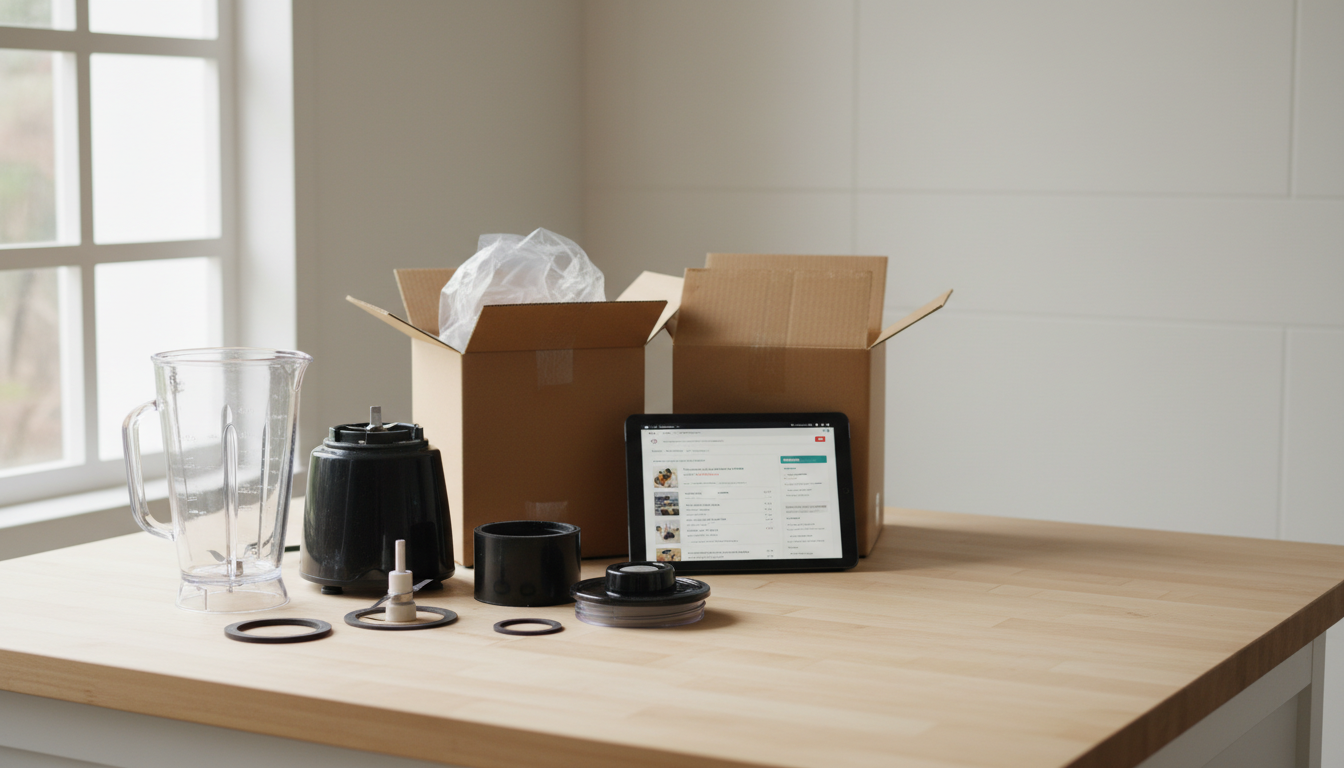
Finding Black+Decker Blender Replacement Parts: A Buyer's Guide