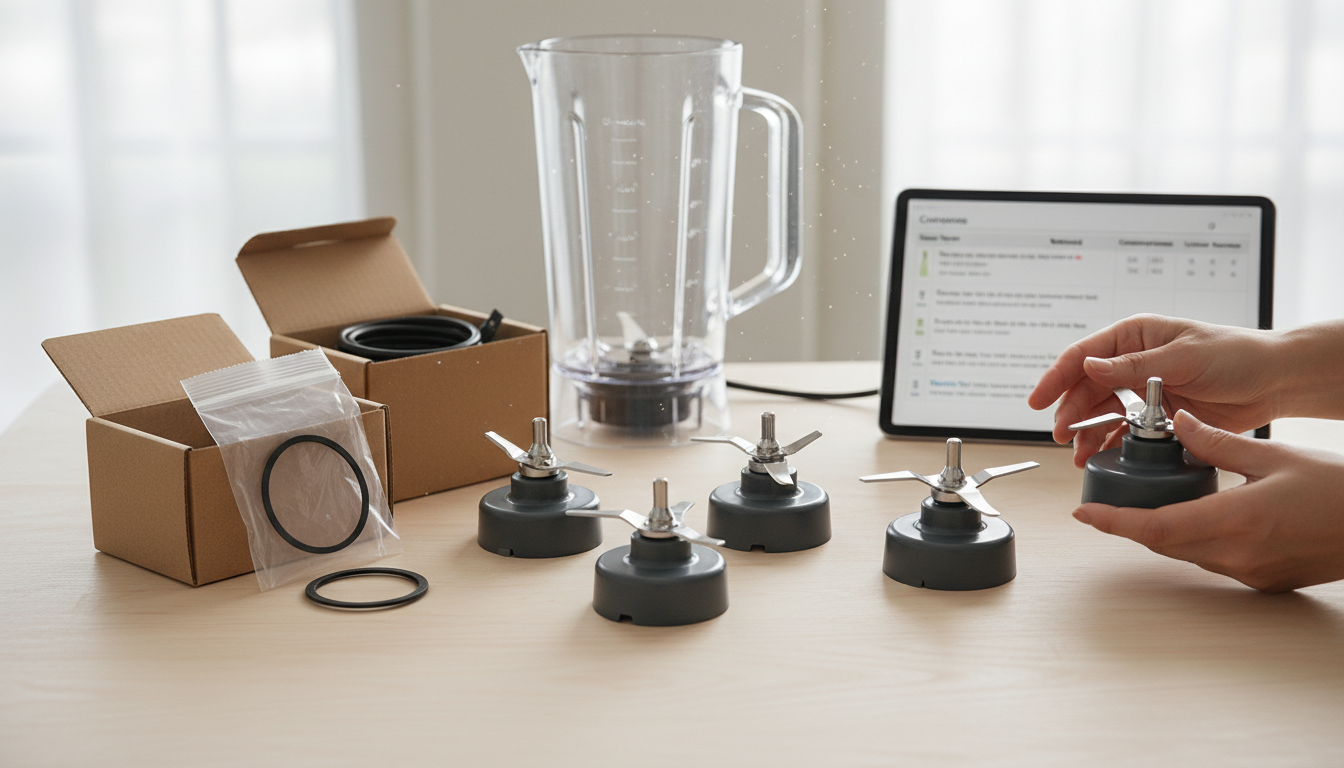
Ninja Blender Pitcher Replacement Parts: What to Look for in a Durable Upgrade
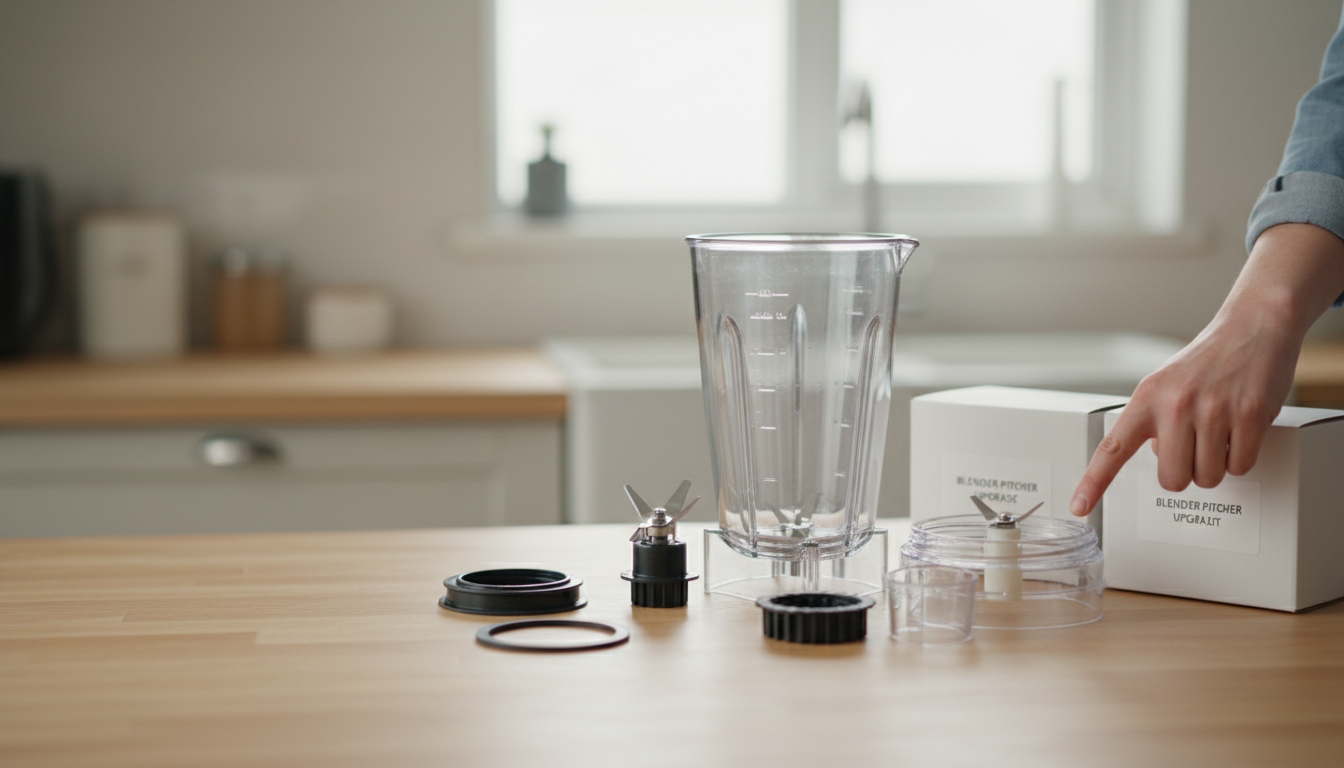
Revitalize Your Blender: Finding the Right Ninja Pitcher Replacement
A damaged or worn-out blender pitcher can quickly turn your versatile Ninja appliance into a countertop ornament, bringing daily routines to an abrupt halt. The frustration of a cracked, leaking, or cloudy pitcher is a common experience for many owners, often leaving them wondering if a new blender is the only solution. However, the good news is that replacing a specific component like the pitcher is frequently a more economical and sustainable choice than investing in an entirely new unit, especially when the powerful motor base remains fully functional.
This article serves as your comprehensive guide to navigating the world of Ninja blender pitcher replacements. Our aim is to empower you to confidently select a compatible, durable, and high-quality pitcher. We'll delve into the critical factors that ensure your new pitcher not only fits your specific Ninja model but also stands up to the demands of regular blending, helping you avoid common pitfalls and restore your blender's full potential.
Why a Quality Replacement Pitcher Matters for Your Ninja Blender
A blender pitcher is central to your Ninja appliance's performance, but it's also a component prone to wear and tear. Over time, even robust materials can develop issues that compromise both blending efficiency and safety. Recognizing the signs of a failing pitcher and understanding the value of a quality replacement is key to maintaining your blender's utility.
Common issues that necessitate a pitcher replacement include:
- Cracks and Leaks: Physical damage from drops or stress can lead to hairline cracks, resulting in messy leaks during operation.
- Material Degradation: Repeated use, especially with hot liquids or abrasive ingredients, can cause the pitcher material to become cloudy, scratched, or brittle.
- Dullness and Stains: Aesthetic wear, such as persistent stains or a dull finish, can diminish the user experience and make cleaning more challenging.
A damaged pitcher doesn't just look bad; it directly impacts your blending results. Leaks create hazards and waste ingredients, while compromised materials can affect the vortex action essential for smooth blends. More critically, a weakened pitcher could pose a safety risk if it fails during high-speed operation.
Investing in a new, high-quality replacement pitcher offers several practical advantages:
- Restored Performance: A new pitcher ensures optimal blending dynamics, allowing your Ninja blender to process ingredients as effectively as it did when new.
- Enhanced Safety: Eliminates risks associated with leaks or potential structural failure from a compromised container.
- Cost-Effectiveness: Replacing the pitcher is typically more economical than purchasing an entirely new blender system, especially if your motor base is still functioning well.
- Environmental Benefit: Opting for a replacement part extends the lifespan of your existing appliance, contributing to less electronic waste.
By carefully selecting a durable, compatible replacement, you can restore your Ninja blender's full functionality, ensuring it continues to meet your blending needs for years to come.
Key Factors for Choosing Your Ninja Blender Pitcher Replacement
Selecting a replacement pitcher for your Ninja blender requires careful consideration beyond simply finding a container that looks similar. The nuances of compatibility, material science, and functional design are critical to ensuring both performance and longevity. Understanding these factors will help you make an informed decision and avoid common pitfalls associated with incompatible or low-quality parts.
Understanding Model Compatibility
The most critical step in choosing a replacement pitcher is verifying its compatibility with your specific Ninja blender model. Ninja produces a wide range of blenders, from personal blenders to large-capacity kitchen systems, and their pitchers are rarely universally interchangeable. Each model, often identified by a number (e.g., BL610, BL770, QB1004, CT610), has unique dimensions and locking mechanisms for its pitcher. Attempting to force an incompatible pitcher onto your motor base can result in an insecure fit, operational failure, or even damage to the appliance. Always locate your blender's model number, typically found on the bottom of the motor base, and cross-reference it precisely with the replacement pitcher's specifications.
Material Durability and Safety
The material of your replacement pitcher directly impacts its durability, safety, and performance. Most Ninja blender pitchers are made from high-strength, BPA-free plastic, often Tritan, known for its shatter resistance, clarity, and ability to withstand repeated use. While less common for high-power Ninja blenders, some models might feature glass pitchers, which offer scratch resistance and do not absorb odors but are heavier and more susceptible to breakage from impact or thermal shock. When evaluating materials, prioritize those that are clearly labeled as BPA-free and food-grade to ensure safe food contact. A durable material will resist clouding, scratching, and cracking over time, maintaining clarity and structural integrity.
Capacity and Design
The capacity of your replacement pitcher should match your original pitcher to maintain your blender's intended functionality and batch size. Ninja pitchers come in various volumes, such as 48oz, 72oz, or even smaller personal cup sizes. Beyond capacity, consider the pitcher's overall design, including its shape and pour spout. Ninja often engineers its pitchers with specific internal contours to optimize the "Total Crushing" or vortex action, which is essential for efficient blending and consistent results. A replacement pitcher with a significantly different internal design might compromise your blender's ability to process ingredients effectively. Ensure the replacement's external dimensions also allow it to fit securely on the motor base and within your kitchen space.
Lid and Blade Compatibility
A replacement pitcher must function seamlessly with your existing lid and blade assembly. Ninja blender lids often feature specific locking mechanisms that engage with the pitcher and motor base for safe operation. An incompatible pitcher might not allow your original lid to lock securely, posing a safety risk during blending. Similarly, Ninja blenders utilize unique blade designs, such as stacked blade assemblies or single-pro blades, which are precisely engineered to fit within their respective pitchers. The replacement pitcher must have the correct internal dimensions and base configuration to accommodate your specific blade assembly, allowing it to seat properly and spin without obstruction. Verify that the replacement pitcher is explicitly designed to work with your blender's original lid and blade system.
Navigating the Market: Official vs. Third-Party Replacement Options
When your Ninja blender pitcher needs replacing, you'll encounter two primary sourcing paths: genuine Ninja parts or third-party alternatives. Each option presents distinct advantages and trade-offs that can influence compatibility, durability, and even your original appliance's warranty. Understanding these differences is crucial for making an informed decision.
Genuine Ninja Replacements
Opting for a genuine Ninja-branded replacement pitcher offers the highest assurance of compatibility and quality. These parts are manufactured to the original specifications of your blender model, minimizing the risk of fit issues or performance discrepancies.
- Guaranteed Fit and Performance: Designed precisely for Ninja motor bases, ensuring seamless attachment and optimal blending mechanics.
- Consistent Material Quality: Made from materials that meet Ninja's standards, which can contribute to expected durability and clarity.
- Brand Support: Direct access to Ninja customer service for inquiries about the part.
However, genuine parts can sometimes be more expensive than alternatives. Availability can also be a factor, as specific models or older pitchers might occasionally be out of stock directly from the manufacturer.
Third-Party Alternatives
The market for third-party replacement pitchers is often characterized by broader availability and more competitive pricing. These parts are produced by independent manufacturers, aiming to replicate the functionality of original Ninja components.
- Cost-Effectiveness: Often significantly more affordable, which can be appealing for budget-conscious owners.
- Wider Selection: A greater number of sellers and potential variations may be available, sometimes including slight design modifications.
The primary risk with third-party options lies in variable quality and compatibility. Materials might differ, potentially affecting durability, resistance to scratching, or clarity over time. An imperfect fit could lead to leaks, inefficient blending, or even undue stress on your blender's motor base. Careful vetting of seller reputation and user reviews is essential to mitigate these risks.
Warranty Implications
The choice between genuine and third-party replacement parts can have implications for any remaining warranty on your original Ninja blender.
- Official Parts and Warranty: Using genuine Ninja replacement parts typically does not affect your original blender's warranty. In fact, if your blender is still under warranty and the pitcher issue is deemed a manufacturing defect, Ninja customer service may provide a replacement directly.
- Third-Party Parts and Warranty: If your Ninja blender is still under its original warranty, using a non-genuine replacement pitcher could potentially complicate future warranty claims. Should a problem arise with the motor base or other components, the manufacturer might argue that the third-party part contributed to the failure, potentially voiding the warranty. If your original blender's warranty has already expired, this concern is generally less relevant. Always review your blender's warranty documentation for specific terms.
Common Challenges and What to Avoid When Buying a Replacement Pitcher
Replacing your Ninja blender pitcher might seem straightforward, but various pitfalls can lead to frustration, wasted money, or even further damage to your appliance. Understanding these common challenges beforehand can help you make a more informed and durable choice.
One significant hurdle is the precise compatibility required for Ninja blender parts. Ninja produces numerous blender models, and even slight variations in design can render a pitcher incompatible. A replacement pitcher that appears visually similar might not properly seat on the motor base, engage the blending mechanism, or seal correctly with the lid. Always verify the exact model number of your Ninja blender against the replacement part's specifications to prevent purchasing an unusable item.
The market for replacement parts includes many third-party options, which can present quality concerns. While some third-party manufacturers offer reliable alternatives, others produce parts with compromised durability and fit. Warning signs of a low-quality replacement pitcher include:
- Flimsy Material: Plastic that feels thin, brittle, or significantly lighter than your original pitcher may not withstand the stresses of blending, especially with ice or frozen ingredients.
- Poor Fit: A pitcher that wiggles excessively on the base, struggles to lock into place, or has noticeable gaps can lead to leaks, inefficient blending, or even damage to the blender's motor coupling.
- Lack of Detail: Absence of clear measurement markings, a poorly finished pour spout, or an ill-fitting lid can indicate a lack of manufacturing precision.
Furthermore, finding replacement pitchers for older or discontinued Ninja blender models can be particularly challenging. As models age, official parts may become scarce, pushing consumers towards less reputable third-party sellers or used components. This scarcity often increases the risk of encountering incompatible or low-quality options.
It is also crucial to be aware of warranty implications. Using non-official or third-party replacement parts can potentially void the original manufacturer's warranty on your Ninja blender. Additionally, if the original pitcher damage was user-caused, such as from dropping the unit, Ninja's warranty policy may deny a claim for a free replacement, even for official parts.
Finally, online marketplaces can sometimes feature misleading product descriptions or images. Generic photos might not accurately represent the actual product, and descriptions may lack crucial details about material quality or specific model compatibility. Thoroughly scrutinize product listings, read user reviews for feedback on fit and durability, and confirm return policies before committing to a purchase.
Frequently Asked Questions About Ninja Blender Pitcher Replacements
Navigating the options for a replacement Ninja blender pitcher can raise several questions. Understanding these common concerns can help you make an informed decision and ensure you select a compatible and durable part.
-
How do I find my specific Ninja blender model number for compatibility? Your Ninja blender's model number is typically located on the underside of the motor base. Look for a label or etching that displays a series of letters and numbers, such as "BL610" or "BN701." This number is critical for ensuring any replacement pitcher you consider is fully compatible with your existing blender system.
-
Can I use a pitcher with a different capacity than my original? Generally, it's not recommended to use a pitcher with a different capacity than your original. Ninja blender motor bases and blade assemblies are engineered for specific pitcher dimensions and volumes. An incompatible capacity might result in an improper fit, issues with the lid's seal, or even affect the blender's performance and safety due to mismatched blade engagement or motor strain.
-
What are the main differences between genuine Ninja and third-party replacement pitchers? Genuine Ninja replacement pitchers are manufactured by Ninja to precise specifications, ensuring an exact fit, consistent material quality, and adherence to performance standards. Third-party pitchers, while often more budget-friendly, can vary widely in quality, material durability, and precise fit. Some third-party options may offer satisfactory performance, but others might compromise on material longevity, seal integrity, or overall blending efficiency compared to an original part.
-
What should I do if my original pitcher is cracked but still under warranty? If your Ninja blender pitcher is cracked and falls within the warranty period, your first step should be to contact Ninja customer service. Provide them with your blender's model number and proof of purchase. While warranty terms for physical damage can vary and may depend on the cause, the manufacturer is the primary resource for potential replacement or repair under warranty.
-
Are all Ninja blender pitchers interchangeable? No, Ninja blender pitchers are not universally interchangeable. Ninja produces a wide range of blenders, each with unique designs, motor base configurations, and locking mechanisms for their pitchers and blade assemblies. Attempting to use a pitcher designed for a different model can lead to an unstable fit, leaks, or prevent the blender from operating safely. Always match the replacement pitcher to your specific blender model number.
Your Replacement Pitcher Checklist: Making an Informed Decision
Selecting a durable and compatible replacement pitcher for your Ninja blender requires careful consideration. Before making a purchase, use this checklist to ensure you acquire a part that fits correctly and performs reliably, avoiding common compatibility pitfalls and ensuring longevity.
- Verify Your Exact Ninja Blender Model Number: This is the most critical step. Ninja offers numerous blender models, and pitchers are rarely universally interchangeable. Locate the model number, typically found on the bottom of your blender's motor base, and cross-reference it precisely with the replacement part's compatibility list.
- Confirm the Replacement Pitcher's Capacity Matches Your Original: While some models might offer slight variations, ensuring the replacement pitcher's volume (e.g., 72 oz, 48 oz) aligns with your original part helps maintain expected blending performance and fit within your appliance's design.
- Check Material Specifications for Durability and Safety: Look for pitchers made from robust, impact-resistant plastics like Tritan, or tempered glass, if available for your model. Confirm that the material is BPA-free for food safety. Durable materials resist clouding, scratching, and cracking over time, particularly with frequent use and cleaning.
- Read Product Descriptions Carefully for Compatibility with Lids and Blade Assemblies: A replacement pitcher often comes without a lid or blade. Ensure the new pitcher is explicitly designed to accept your existing lid and blade assembly. Mismatched components can lead to leaks, inefficient blending, or even damage.
- Consider Seller Reputation and Return Policies: Purchase from reputable sellers who specialize in appliance parts or have strong customer service records. A clear return policy is crucial in case of an incompatibility issue or if the part doesn't meet quality expectations upon arrival.
- Review Any Available User Feedback Regarding Fit and Durability: Customer reviews can offer practical insights into how well a replacement pitcher fits specific Ninja models and its real-world durability. Look for comments addressing common concerns like leaks, material quality, or ease of cleaning.
Enjoy Blending Again: The Right Pitcher for a Lasting Blender
A compromised pitcher can render your Ninja blender temporarily unusable, but it doesn't have to signal the end of your appliance's life. By approaching the replacement process with careful consideration, you can effectively restore your blender's functionality and extend its service for years to come. The key lies in making an informed decision, prioritizing both compatibility and durability.
The journey to a successful replacement involves more than just finding any pitcher that looks similar. It demands a precise understanding of your specific Ninja model's requirements and an evaluation of the materials and construction of potential replacements.
- Verify Compatibility: Always double-check model numbers to ensure the replacement pitcher is designed to work seamlessly with your blender base. This prevents operational issues and potential damage.
- Prioritize Durability: Look for materials known for their resilience against impact, temperature fluctuations, and repeated use. A robust pitcher reduces the likelihood of premature wear and tear.
Armed with these criteria and an awareness of the various sourcing options, you are empowered to confidently select a high-quality replacement. This thoughtful approach not only resolves the immediate problem of a broken pitcher but also ensures your Ninja blender continues to deliver consistent performance. Reclaim your blending capabilities and get more life out of your appliance by choosing the right pitcher for a lasting solution.
More in Blender Replacement Parts
View AllGourmia Blender Replacement Parts: A Buyer's Guide to Compatibility and Durability
Hamilton Beach Hand Blender Replacement Parts: Keeping Your Immersion Blender Working