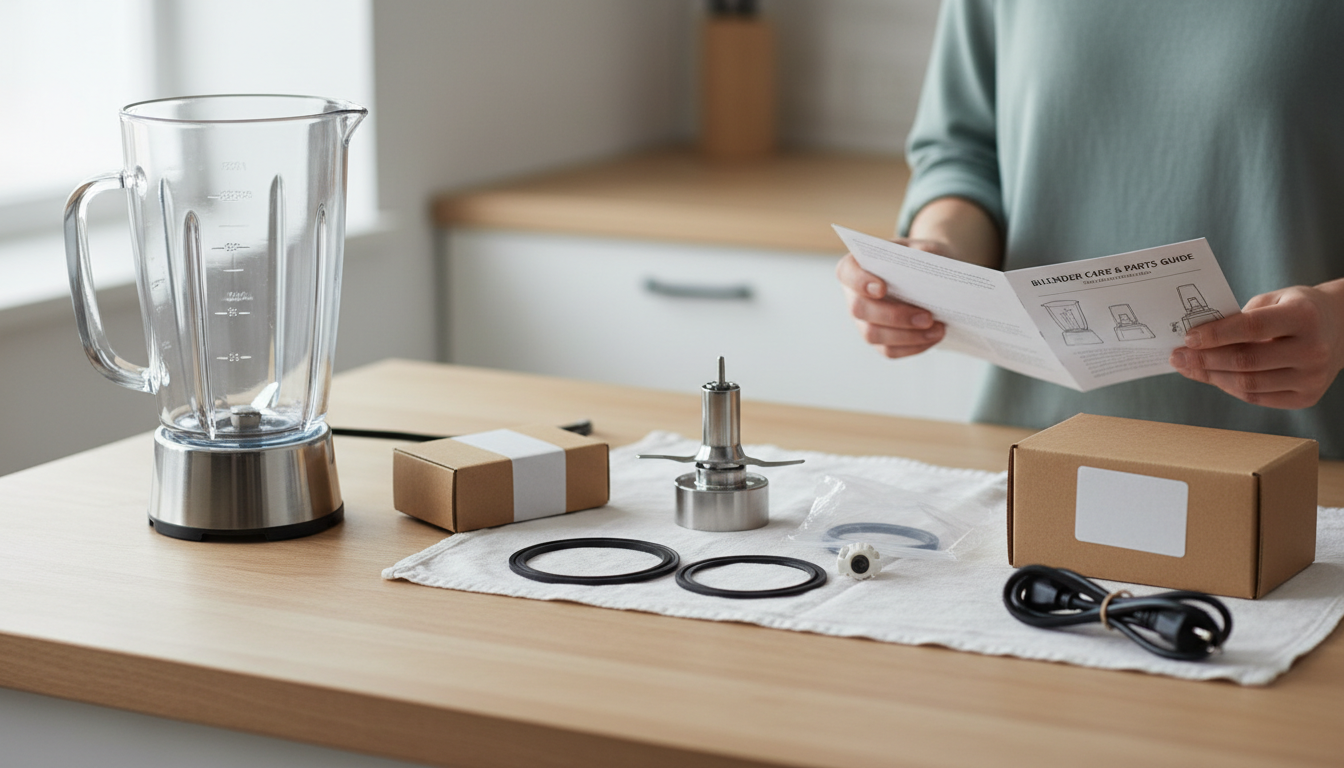
Ninja Blender Replacement Parts: A Comprehensive Guide to Maintaining Your Blender
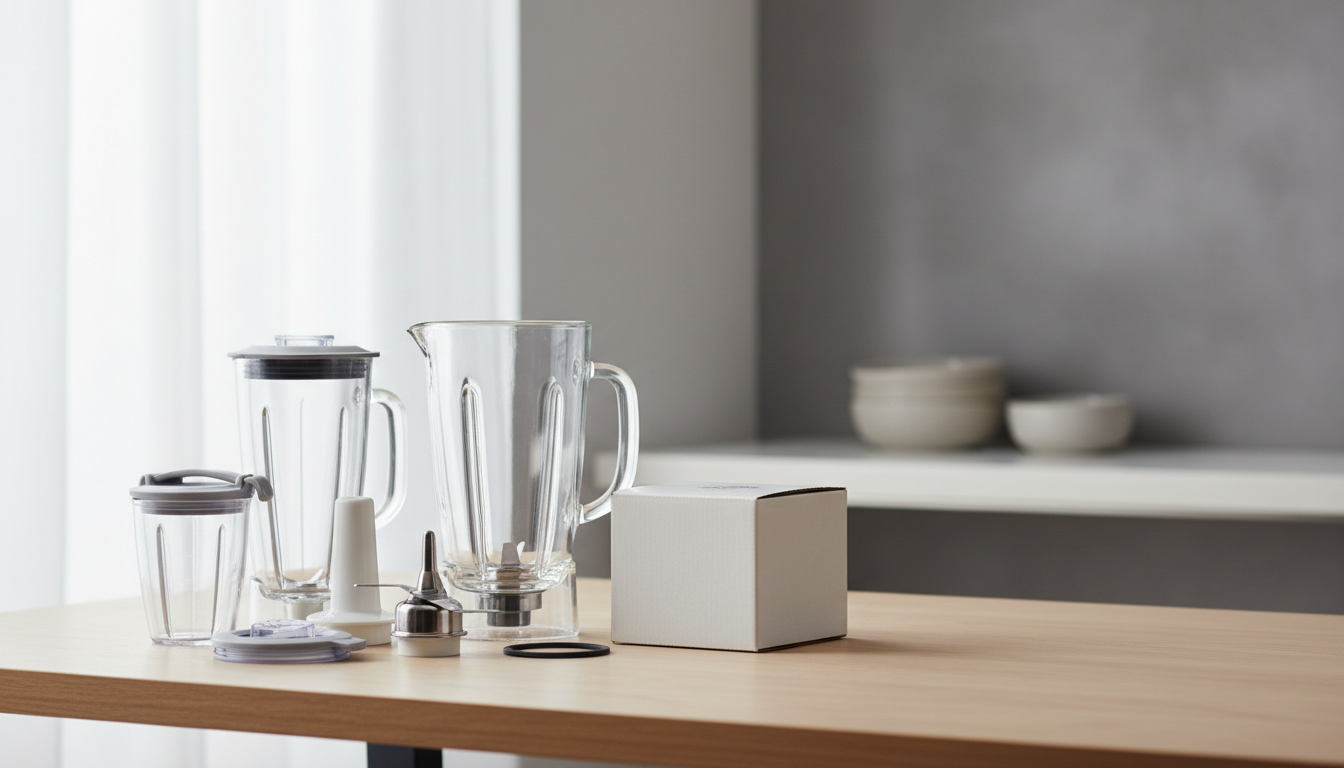
Revitalize Your Blend: The Essential Guide to Ninja Blender Replacement Parts
Ninja blenders are widely recognized for their powerful performance and versatility, making them a staple in many kitchens for everything from smoothies to meal prep. However, even the most robust appliances require maintenance and occasional part replacement to sustain their optimal function over time.
Components like blades, seals, and blending cups can naturally wear down or become damaged through regular use. Identifying these issues early and addressing them with appropriate replacement parts is key to maintaining your blender's efficiency and preventing further problems.
This guide aims to empower Ninja blender owners to confidently navigate the process of selecting durable and compatible replacement parts. We'll provide the knowledge necessary to identify the correct components for your specific model and understand the critical factors that ensure a proper fit and lasting quality.
By making informed choices about replacement parts, you can extend the lifespan of your Ninja blender, preserve its performance, and avoid the expense of purchasing an entirely new appliance.
Understanding Why Ninja Blender Parts Need Replacing
Even with robust construction, the moving parts and high-stress components of a Ninja blender are subject to wear over time. Recognizing when a part needs replacement is key to maintaining your appliance's performance, ensuring safety, and extending its overall lifespan. Ignoring these signs can lead to inefficient blending, potential leaks, or even damage to the motor.
Frequent use, especially with tough ingredients like ice or frozen fruit, accelerates the wear and tear on critical components. The powerful motors and high-speed blades in Ninja blenders generate significant force and friction, gradually degrading materials. Timely replacement addresses these issues before they escalate, preserving your investment.
Common indicators that a Ninja blender part requires attention include:
- Dull or Damaged Blades: If your blender struggles to process ingredients smoothly, leaves chunks, or produces a gritty texture, the blades may be dull or bent. Worn blades reduce efficiency and can strain the motor.
- Leaky Gaskets or Seals: Any liquid seeping from the blade assembly, cup, or lid indicates a compromised gasket or seal. This not only creates a mess but can also allow moisture into the motor base, posing a safety risk.
- Cracked or Hazy Jars/Cups: Physical damage like cracks, chips, or a persistent cloudy appearance can compromise the structural integrity of the container. This affects blending efficiency and can lead to leaks or breakage during operation.
- Excessive Noise or Vibration: While some noise is normal, a sudden increase in grinding, rattling, or unusual vibrations during operation can signal issues with the blade assembly bearings or other internal components.
Replacing these worn parts offers immediate benefits, restoring your blender to optimal functionality. You'll experience smoother blends, consistent textures, and a return to efficient, leak-free operation. Beyond performance, opting for replacement parts is an economically sound decision, often costing a fraction of a new appliance. It also contributes to environmental sustainability by reducing electronic waste and maximizing the utility of existing products.
Key Ninja Blender Replacement Parts Explained
Understanding the specific components of your Ninja blender that are prone to wear or damage is crucial for selecting the right replacement parts. Each element plays a vital role in the blender's operation, and identifying the correct replacement ensures continued performance and prevents common issues like leaks or inefficient blending.
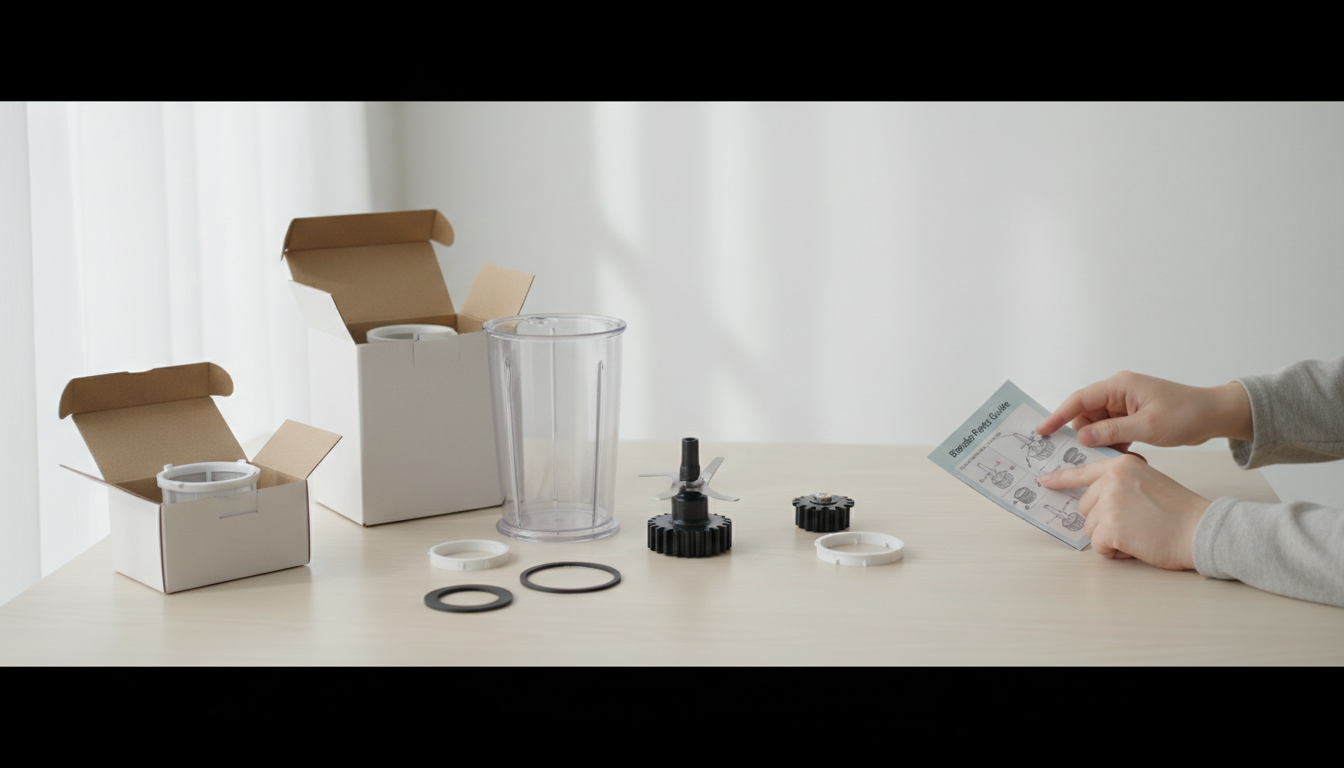
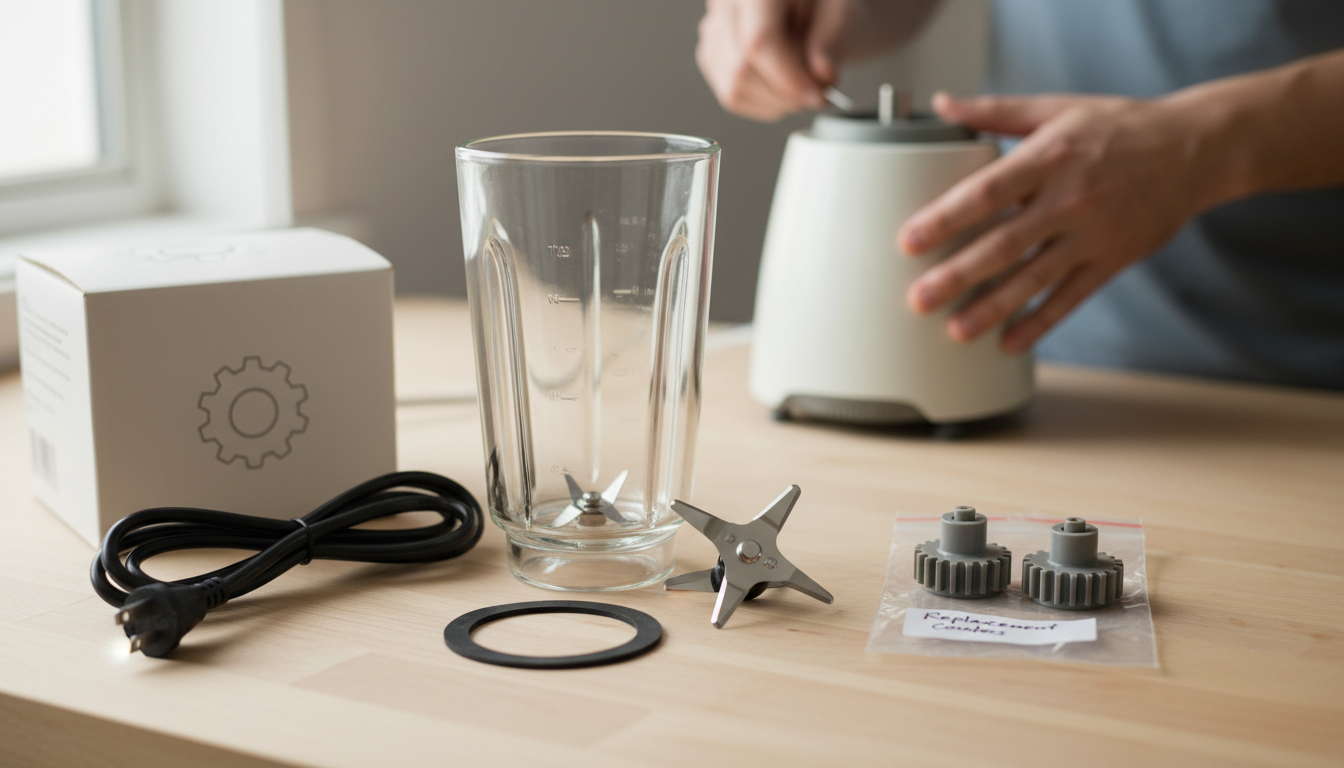
Here are the most frequently replaced parts and their common considerations:
- Blades: These are the cutting and pulverizing heart of your blender. Ninja offers various blade assemblies, each designed for specific models and blending tasks.
- Extractor Blades: Typically found with personal blending cups, these are designed for nutrient extraction and come in different fin counts (e.g., 6-fin or 7-fin). The number and design of the fins are model-specific, and an incorrect match can lead to poor blending, leaks, or damage to the motor. Common issues include dullness, bent fins from hard ingredients, or bearing wear causing increased noise or leaks from the blade assembly.
- Stacked Blades: Often used in larger pitcher blenders, these multi-level blades create a powerful vortex. Issues can include dullness, cracks, or a loosened central shaft.
- Jars and Cups: These containers hold your ingredients during blending. They vary significantly in capacity (e.g., 24 oz, 32 oz) and material.
- Common Damage: Cracks, cloudiness from abrasive ingredients or dishwashing, and scratches are typical. These can affect both clarity and hygiene.
- Compatibility: The base of the jar or cup must precisely fit the motor base and blade assembly of your specific Ninja model.
- Gaskets/Sealing Rings: These small, often overlooked components are critical for preventing leaks. They form a watertight seal between the blade assembly and the jar or cup.
- Degradation: Over time, gaskets can stretch, crack, become brittle, or lose elasticity due to repeated use, heat, and exposure to food. A compromised gasket is a primary cause of leaks during blending.
- Lids and Spout Caps: These secure the contents of the jar or cup and often include features for pouring or drinking.
- Common Issues: Lids can crack, latches or hinges can break, and spout caps can be lost or damaged. An ill-fitting lid can lead to spills or prevent the blender from operating due to safety interlocks present in many Ninja models.
- Motor Bases/Couplings: While less frequently replaced than other parts, issues with these components can be critical.
- Coupling: This is the mechanical link that transfers power from the motor to the blade assembly. Signs of wear include stripped gears, grinding noises, or the motor running without the blades spinning.
- Motor Base: The housing for the motor and controls. Replacement is less common for individual components within the base, but issues like overheating or complete motor failure may necessitate a full unit replacement.
Accurately identifying your specific Ninja blender model is the first step to ensuring any replacement part is compatible and functions as intended.
Crucial Factors for Selecting Compatible Ninja Replacement Parts
Choosing the right replacement parts for your Ninja blender is essential for maintaining its performance and extending its lifespan. A thoughtful selection process can prevent issues like leaks, reduced blending efficiency, or premature wear. Consider the following criteria to make an informed decision.
-
Identifying Your Ninja Blender Model The most critical step is accurately identifying your specific Ninja blender model. Compatibility is paramount; a part designed for one series may not fit another, even if they look similar.
- Locate the Model Number: This is typically found on the underside of the motor base. It's often a sticker or engraved label.
- Check the Power Cord: Some models also have the information printed on a tag attached to the power cord.
- Consult Your Manual: If you still have the original manual or packaging, the model number will be listed there.
- Note the Series: Ninja models often follow patterns like "BLXXX," "BNXXX," or "CTXXX." Record the full model number before searching for parts.
-
Material Quality and Durability The longevity and safety of your replacement part depend heavily on its construction materials.
- Blades: Look for high-grade stainless steel. This material resists corrosion, maintains sharpness, and can withstand the rigors of blending tough ingredients. Inferior metals may dull quickly or corrode.
- Gaskets and Seals: These should be made from flexible, food-grade silicone or rubber that can create a tight seal to prevent leaks. Inspect for any signs of brittleness or poor elasticity in product images or descriptions.
- Cups and Pitchers: Ensure they are made from durable, food-grade, BPA-free plastics or glass, designed to resist cracking and clouding from repeated use and washing.
-
OEM vs. Aftermarket Parts Understanding the distinction between these two categories is key to managing expectations regarding cost, quality, and fit.
- Original Equipment Manufacturer (OEM) Parts: These are manufactured by Ninja or their authorized suppliers.
- Pros: Guaranteed compatibility, often higher quality control, and typically maintain the original performance and safety standards of your blender.
- Cons: Generally more expensive and may have limited availability for older models.
- Aftermarket Parts: These are produced by third-party companies.
- Pros: Often more affordable and widely available, offering a broader range of options.
- Cons: Quality can vary significantly. Some aftermarket parts may not fit perfectly, lead to reliability issues like leaks or premature failure, or be made from less durable materials. Careful vetting is crucial.
- Original Equipment Manufacturer (OEM) Parts: These are manufactured by Ninja or their authorized suppliers.
-
User Reviews and Ratings Leverage the experiences of other Ninja blender owners to gauge the reliability and fit of a replacement part.
- Look for Specific Feedback: Pay attention to comments regarding compatibility with specific Ninja models, durability, and common problems such as noise, leaks, or premature blade failure.
- Assess Consistency: Multiple reports of similar issues or positive experiences can indicate a trend.
- Filter by Model: If possible, filter reviews to see feedback from users who own your exact Ninja blender model.
- Consider the Source: Reviews on reputable retailer sites or specialized parts suppliers can offer more practical insights.
-
Warranty and Return Policies Before finalizing a purchase, review the seller's warranty and return policies. This provides a safety net against incompatible or defective parts.
- Check Warranty Coverage: A clear warranty, even for a short period, indicates the seller's confidence in their product's quality.
- Understand Return Conditions: Familiarize yourself with the process for returns, including timelines, condition requirements, and who covers shipping costs, especially when considering aftermarket options where fit or quality might be uncertain.
Avoiding Common Pitfalls: Risks and Trade-offs with Ninja Replacement Parts
While the allure of lower-priced replacement parts, particularly aftermarket options, can be strong, it's crucial for Ninja blender owners to understand the potential risks and trade-offs involved. Opting for components that don't meet specific standards can lead to more than just frustration; it can compromise your blender's performance, longevity, and even safety.
One of the most significant issues encountered is incompatibility and poor fit. A replacement part might appear identical to the original, but subtle differences in dimensions, threading, or material thickness can prevent it from seating correctly. This improper fit can lead to:
- Damage to the appliance: Forcing an ill-fitting part can strip threads, crack plastic, or strain the motor's coupling mechanism.
- Malfunction: A blade assembly that doesn't align perfectly may not spin efficiently or could create excessive vibration.
- Reduced stability: Cups or lids that don't lock securely can dislodge during operation.
Beyond fit, the quality of materials directly impacts performance degradation. Lower-grade materials or less precise manufacturing in blades, for instance, can result in duller edges that struggle to process tough ingredients. This means your blender might take longer to achieve desired consistency, leave larger chunks, or strain its motor, ultimately reducing its effectiveness and potentially shortening its overall lifespan.
Common user complaints frequently highlight issues like leaks and excessive noise with certain replacement parts. A primary cause of leaks is a compromised seal, often due to:
- Inferior gasket material: Gaskets that are too thin, too rigid, or made from low-quality rubber may not create a watertight seal against the blending cup or motor base.
- Poorly manufactured blade assemblies: If the bearings or housing of the blade assembly aren't precisely constructed, liquid can seep through.
- Incorrectly sized components: Even a millimeter off can prevent a tight seal, allowing liquids to escape.
Similarly, increased noise often stems from poorly manufactured blade bearings, loose-fitting components, or materials that vibrate excessively under the blender's powerful motor.
The trade-off between lower cost and quality often manifests as a short lifespan and premature failure. While an aftermarket part might save money initially, if it's constructed from weaker plastics or metals, it may wear out, crack, or break much faster than an original component. This can lead to frequent re-purchases, negating any initial cost savings and creating ongoing inconvenience.
Finally, safety concerns should always be a consideration. Parts made from non-food-grade plastics or metals could potentially leach undesirable substances into your food. Additionally, components that are not robustly constructed could break apart during high-speed blending, posing a risk of injury or further damage to the appliance. Prioritizing parts that adhere to safety standards helps ensure your blended creations are safe for consumption and your blending experience remains secure.
Maximizing Longevity: Installation and Care Tips for Your New Parts
Proper installation and consistent care are crucial for extending the lifespan of your Ninja blender replacement parts and ensuring your appliance continues to perform optimally. Even the highest quality parts can fail prematurely if not handled correctly. Following these guidelines will help you avoid common issues like leaks, poor blending, and unnecessary wear.
Safe Installation Practices
Before handling any replacement part, always ensure your Ninja blender is unplugged from the power outlet. This prevents accidental activation and potential injury.
- Blades: When replacing a blade assembly, handle it by the base, not the sharp edges. Align the fins or gears precisely with the motor base or cup threads. Turn clockwise until securely tightened, but avoid excessive force that could strip threads or damage the gasket. A properly seated blade assembly should not wobble or feel loose.
- Jars and Cups: For blending jars and individual cups, ensure the blade assembly (if detachable) is firmly attached to the bottom before placing it on the motor base. When placing the jar or cup onto the base, align the arrows or indicators on the container and the base. Twist gently until it locks into place, confirming a secure connection. This proper seating is vital for the blender's safety interlock system to engage and prevent leaks during operation.
- Gaskets and Seals: Gaskets are critical for preventing leaks. Before installation, inspect the new gasket for any twists, tears, or deformities. Place it snugly into its designated groove on the blade assembly or lid. Ensure it lies flat and evenly, creating a complete seal. A misaligned or twisted gasket is a primary cause of leaks.
Cleaning and Maintenance Routines
Regular cleaning and mindful maintenance significantly reduce wear and tear, preserving the integrity of your replacement parts.
- Immediate Cleaning: After each use, disassemble the parts and rinse them thoroughly. Food residues can harden and become difficult to remove, potentially degrading materials or harboring bacteria.
- Blades: Wash blade assemblies with warm, soapy water. Use a brush to carefully clean around the blades, avoiding direct contact with the sharp edges. Never leave blades soaking for extended periods, as this can affect seals and bearings.
- Jars and Cups: Most Ninja jars and cups are dishwasher-safe, but hand washing with a soft sponge and mild detergent is often gentler, especially for parts with printed measurements or specialized coatings. Pay attention to crevices where food can accumulate.
- Gaskets: Regularly remove gaskets from blade assemblies or lids for a thorough cleaning. Wash them separately with warm, soapy water, ensuring no food particles are trapped. Inspect them for signs of stretching, cracking, or discoloration, which can indicate it's time for another replacement.
Storage Tips for Longevity
How you store your blender parts between uses can also impact their lifespan.
- Disassemble When Dry: Store parts dry and, if possible, disassembled. Allowing components to air dry completely before storing prevents moisture buildup, which can lead to odors, mold, or material degradation.
- Prevent Damage: Store blade assemblies with blade covers (if provided) or in a way that protects the sharp edges and prevents them from coming into contact with other hard objects that could dull or damage them.
- Avoid Compression: Do not store gaskets or seals under heavy compression or in a twisted state, as this can permanently deform them, compromising their sealing ability.
- Organized Storage: Keep all parts organized in a designated area to prevent them from being misplaced or damaged by other kitchen items.
By integrating these installation and care practices into your routine, you can maximize the performance and extend the life of your Ninja blender's replacement parts, ensuring your appliance remains a reliable kitchen tool.
Frequently Asked Questions About Ninja Blender Replacement Parts
Navigating the world of replacement parts can bring up several questions. Here are answers to common concerns that arise when maintaining your Ninja blender.
Can I use parts from a different Ninja model?
Generally, no. Ninja blender parts are highly model-specific, even if they appear visually similar. Differences in dimensions, fin count, thread patterns, or gasket sizes can lead to incompatibility. Attempting to use a part from a different model can result in:
- Leaks during operation
- Poor blending performance
- Damage to the part or the blender's motor
- Potential safety hazards
Always verify the exact model number of your Ninja blender, typically found on the base, and match it precisely with the part's compatibility information before purchase.
How often should I replace my Ninja blender blade/gasket?
There isn't a fixed schedule for replacing these components, as their lifespan depends heavily on usage frequency and the types of ingredients blended. Instead, focus on signs of wear:
- Blades: Consider replacement if your blender struggles to process ingredients, leaves chunks, produces a gritty texture, or if you notice excessive noise or wobbling during operation. Visually inspect for bent or chipped fins.
- Gaskets/Seals: Replace if you observe any liquid leaking from the blade assembly or cup, or if the gasket itself appears cracked, brittle, or has lost its elasticity. A compromised seal is a primary cause of leaks.
Regular inspection is the best practice to determine when a replacement is needed.
Are third-party replacement parts safe to use?
Third-party replacement parts can be a cost-effective option, but their safety and performance vary significantly. While some aftermarket parts are manufactured to high standards, others may not meet the original specifications for durability, material quality, or fit.
When considering third-party options:
- Prioritize reputable sellers: Look for sellers with strong positive reviews and clear return policies.
- Check material quality: Ensure parts are made from durable, food-grade materials that can withstand high-speed blending.
- Verify compatibility: Double-check that the part is explicitly listed as compatible with your specific Ninja model.
- Read user feedback: Look for reviews that mention issues like leaks, premature failure, or strange noises, which are common complaints with lower-quality alternatives.
Using substandard third-party parts can lead to leaks, reduced blending efficiency, premature wear, or even damage to your blender's motor.
How do I know if my blade needs replacing?
Several indicators suggest your Ninja blender blade assembly may need replacement:
- Ineffective Blending: Your blender takes longer to achieve desired consistency, struggles with previously easy tasks, or leaves large chunks of ingredients unblended.
- Unusual Noises: An increase in grinding, rattling, or a high-pitched squeal during operation can point to worn bearings within the blade assembly.
- Visible Damage: Inspect the blade fins for any signs of bending, chipping, or dullness. While Ninja blades are not razor-sharp, they should be intact and free from deformities.
- Excessive Wobble: If the blade assembly spins with noticeable instability or vibration, the internal bearings might be worn.
Addressing these signs promptly can prevent further strain on your blender's motor.
What should I do if my new part leaks?
If a newly installed replacement part results in leaks, follow these troubleshooting steps:
- Confirm Compatibility: Double-check that the part's model number or compatibility list precisely matches your Ninja blender model. An incorrect part is a common cause of leaks.
- Ensure Proper Assembly: Disassemble and reassemble the part, ensuring it is fully seated and tightened correctly. For blade assemblies, make sure the gasket is properly aligned and not pinched or twisted.
- Inspect the Part: Carefully examine the new part for any manufacturing defects, cracks, or deformities, particularly on the gasket or sealing surfaces.
- Check Surrounding Components: Ensure there is no damage to the blender cup or motor base threads that could prevent a tight seal.
If the leak persists after these steps, the part may be defective. Contact the seller or manufacturer for assistance or a replacement.
Making an Informed Decision for Your Ninja Blender's Future
Choosing the right replacement parts for your Ninja blender is a critical step in preserving its functionality and extending its life. Your final selection hinges on two fundamental criteria: precise model compatibility and the inherent quality of the materials. Opting for parts that don't perfectly match your Ninja model or are made from inferior materials can lead to common issues such as leaks, inefficient blending, or even further damage to your appliance.
While cost is a natural consideration, balancing it with long-term reliability and performance is essential. A lower-priced part might seem appealing upfront, but if it fails prematurely or underperforms, it represents a false economy. View a quality replacement part as an investment that ensures your blender continues to deliver the powerful, consistent results you expect.
Before finalizing your purchase, commit to a careful review of product details, including specific model numbers the part is designed for. Equally important is consulting user feedback and reviews. These insights from other Ninja owners can reveal practical aspects of a part's fit, durability, and overall performance that specifications alone might not convey.
By prioritizing compatibility, material quality, and informed research, you empower yourself to select replacement parts that will keep your Ninja blender performing optimally for many years to come, avoiding the unnecessary expense of a full appliance replacement.