Hamilton Beach Blender Replacement Parts: Repairing Common Issues
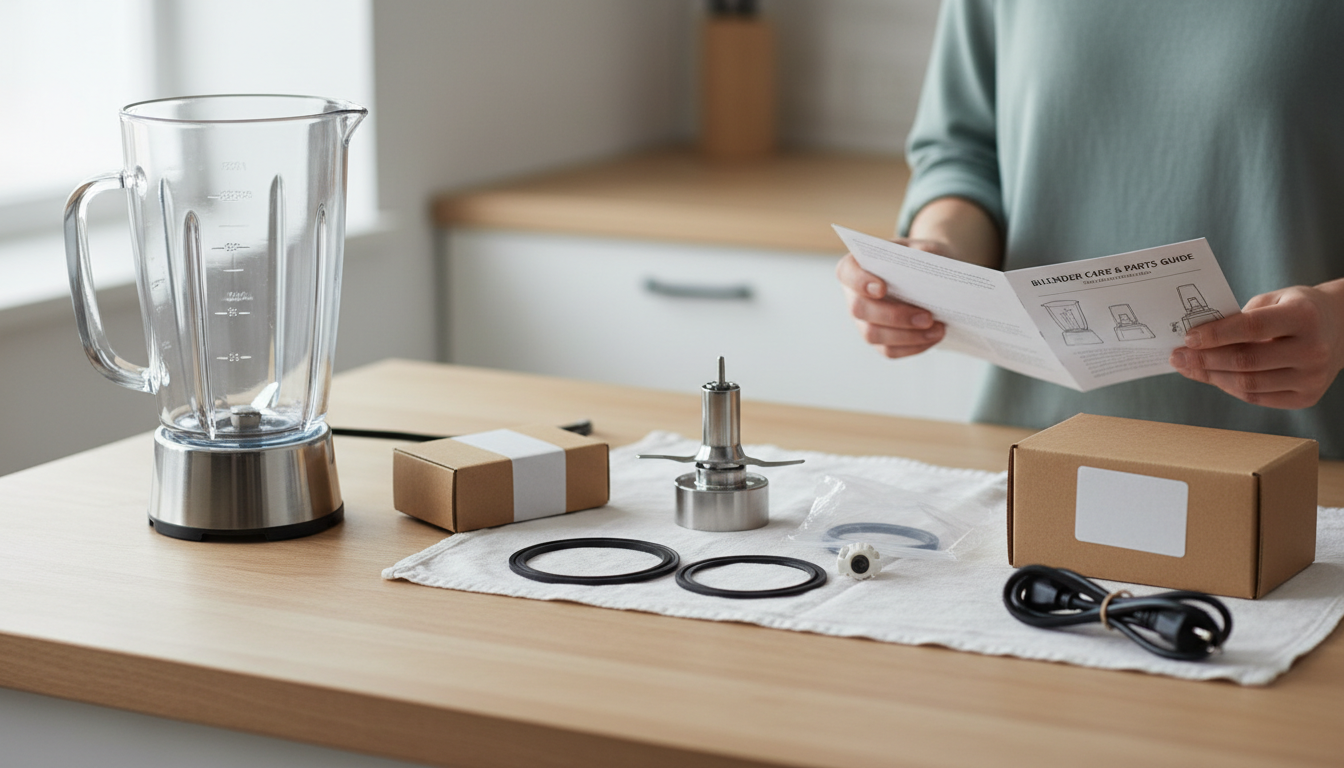
Extend Your Blender's Life: Finding Hamilton Beach Replacement Parts
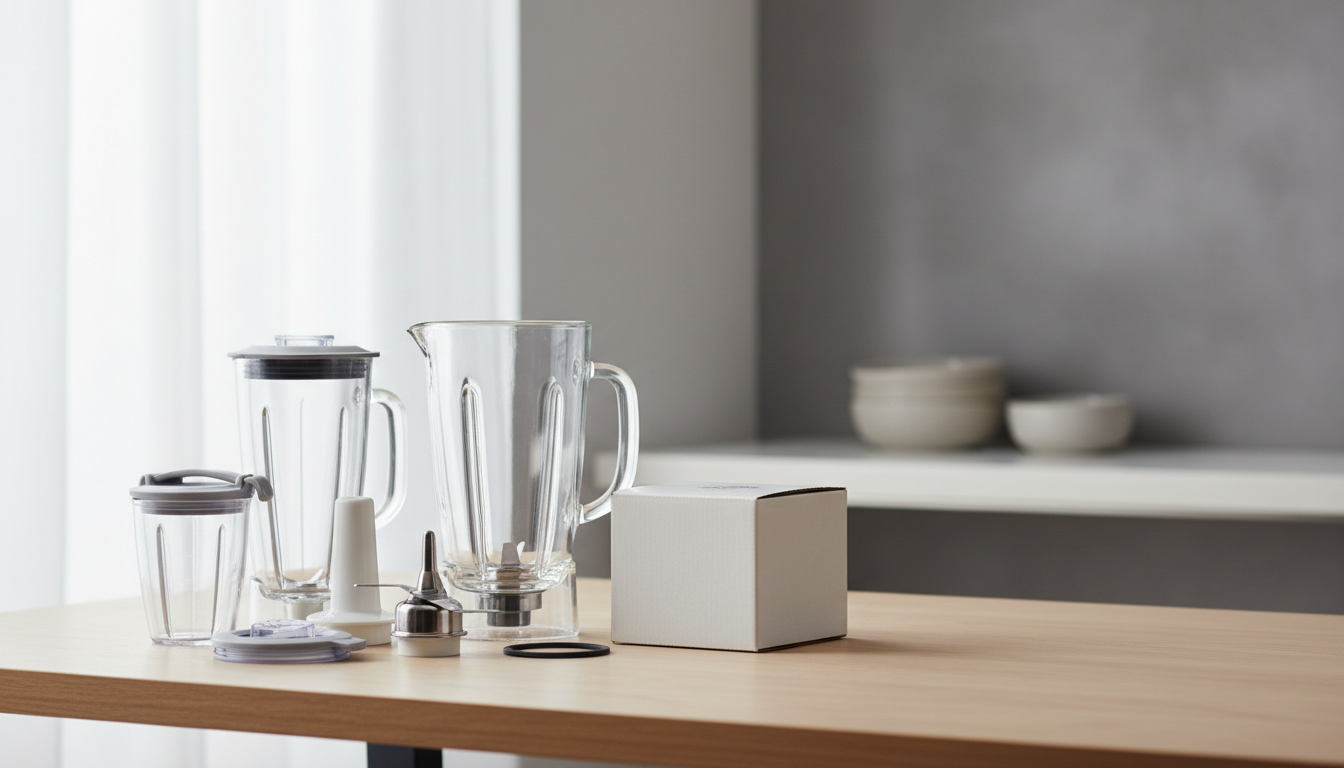
The sudden sputter or complete halt of a beloved kitchen appliance, like a Hamilton Beach blender, can be a source of immediate frustration. Before consigning a malfunctioning unit to the landfill or investing in an entirely new one, consider the practical benefits of repair. Many common blender issues can be resolved by replacing a single worn or broken component, offering a more economical and sustainable path forward.
Seeking Hamilton Beach blender replacement parts allows owners to extend their appliance's lifespan, avoiding the unnecessary expense and environmental impact of premature disposal. This approach not only saves money but also supports a more mindful consumption habit, keeping functional devices in use longer. The challenge often lies in confidently identifying the exact part needed and ensuring its compatibility with a specific Hamilton Beach model.
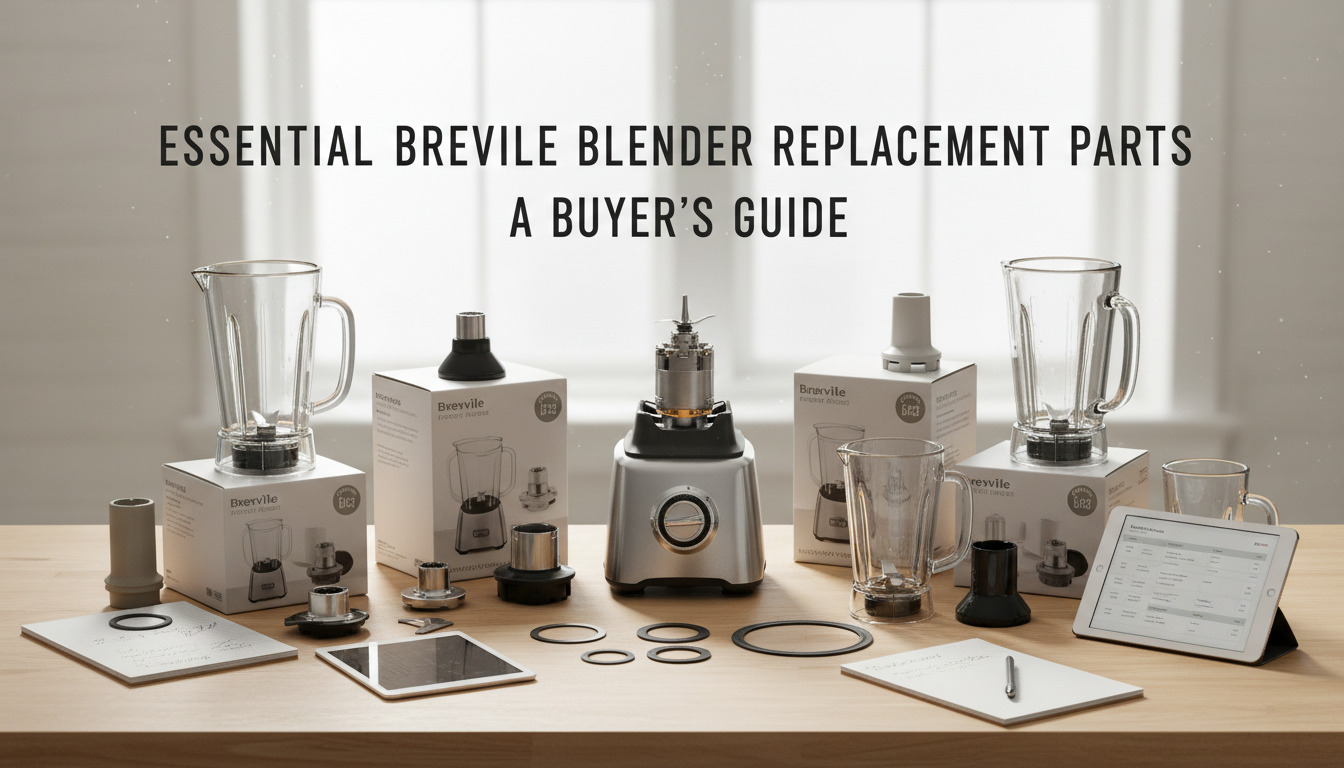
This guide is designed to empower you with the knowledge to confidently address common Hamilton Beach blender issues through targeted repairs. We will navigate the process by covering:
- Accurately identifying your blender's model number to ensure part compatibility.
- Understanding frequently replaced components and their common failure points.
- Sourcing reliable replacement parts, whether genuine or compatible alternatives.
- Evaluating selection criteria like material quality and fit to make informed purchasing decisions.
Crucial First Step: Identifying Your Hamilton Beach Blender Model
Before purchasing any replacement parts for your Hamilton Beach blender, accurately identifying its specific model number is essential. This number is the primary determinant of part compatibility, ensuring that any new component, from blades to gaskets, fits and functions correctly with your appliance. Attempting to install an incompatible part can lead to poor performance, further damage, or even render the blender unusable.
To locate your blender's model number, inspect the appliance thoroughly. Hamilton Beach typically places this information in a few common areas:
- Underside of the Base: Often, the model number is printed on a label affixed to the bottom of the blender's motor base.
- Back or Side Panel: Some models may have a label on the rear or side of the unit.
- Power Cord Tag: Less common, but sometimes a small tag on the power cord can contain model details.
- Original Packaging or Manual: If you still have these, the model number will be prominently displayed.
Once you have identified the model number, you can use it to search for compatible replacement parts. Hamilton Beach's official website provides a dedicated section where you can input your model number to find available parts and accessories. Reputable online retailers and appliance parts suppliers also utilize model numbers to categorize their inventory, allowing you to filter results and confirm compatibility before making a purchase. Always cross-reference the part number and description with your blender's model to mitigate the risk of acquiring an incorrect component.
Understanding Common Hamilton Beach Blender Parts That Need Replacing
Hamilton Beach blenders are designed for durability, but certain components experience wear and tear due to their function and exposure to blending forces. Identifying these frequently replaced parts and understanding their typical failure modes can help owners pinpoint issues and select the correct replacements.
-
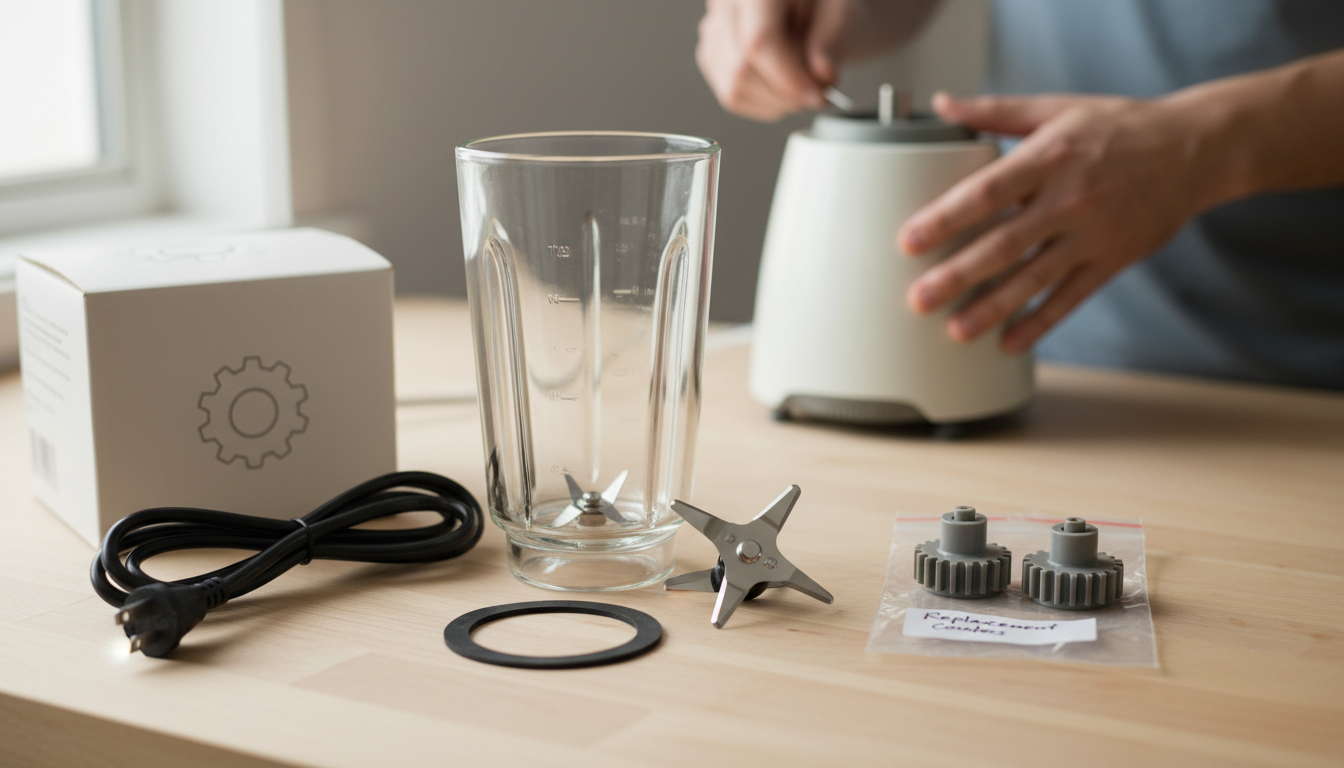
Blades and Cutting Assemblies The blade assembly is central to your blender's function, responsible for processing ingredients from soft fruits to ice. Over time, several factors can compromise its effectiveness:
- Wear and Dullness: Repeated use, particularly with fibrous or hard ingredients, can dull the blade edges, leading to inefficient blending, longer processing times, and a coarser final texture.
- Breakage: Impact from frozen items, nuts, or even small non-food objects can cause blades to chip, bend, or fracture, rendering the blender unsafe or ineffective.
- Bearing Failure: The internal bearings that allow the blades to spin smoothly can degrade, resulting in increased noise, resistance, or complete seizing of the blades. This often necessitates replacing the entire blade assembly.
-
Gaskets and Sealing Rings These flexible rings, typically made of rubber or silicone, create a watertight seal between the blade assembly and the blending jar. Their integrity is crucial for preventing leaks:
- Deterioration: Exposure to various food acids, detergents, and temperature changes can cause gaskets to dry out, crack, or become brittle over time.
- Leaks: A compromised or degraded gasket will allow liquid to escape from the bottom of the jar during operation, indicating a clear need for replacement.
- Odor Absorption: Over time, gaskets can absorb food odors and stains, which, while not always affecting function, can indicate material degradation and suggest a future leak risk.
-
Jars and Pitchers The blending jar holds ingredients and withstands the forces of blending. While generally robust, they are susceptible to physical damage:
- Cracks and Breakage: Dropping the jar, sudden temperature changes (e.g., hot liquids into a cold jar), or stress from blending overly dense mixtures can lead to cracks or complete breakage.
- Clouding: Repeated use, dishwashing cycles, or abrasive cleaning methods can cause plastic jars to become cloudy, scratched, or discolored, affecting visibility and aesthetics.
-
Lids and Filler Caps Lids contain ingredients during blending and prevent splashes, while filler caps allow for the addition of ingredients mid-cycle. These parts are often subject to mishandling:
- Damage: Dropping, warping from excessive heat (e.g., in a dishwasher), or general wear can cause lids to crack or lose their ability to seal properly.
- Loss: The smaller filler caps are particularly prone to being misplaced, leaving an opening in the lid during operation.
- Poor Seal: A damaged lid may not create a tight seal, leading to spills or splashes, especially with high-speed blending.
-
Couplings and Drive Sockets The coupling, or drive socket, is a critical component that transfers power from the motor base to the blade assembly. It often acts as a sacrificial part to protect the motor:
- Stripping and Wear: The interlocking teeth or gears on the coupling can wear down or strip, particularly if the blender is overloaded or if the blade assembly is jammed. This results in the motor running but the blades failing to turn.
- Material Degradation: Constant friction and torque can degrade the material, often a hard plastic or rubber, over extended periods of use. Identifying a stripped coupling helps avoid unnecessary motor replacement.
Official vs. Aftermarket: Choosing Your Hamilton Beach Replacement Parts
When seeking to repair your Hamilton Beach blender, a key decision involves selecting between official manufacturer parts and third-party, or aftermarket, alternatives. Each option presents distinct trade-offs in terms of cost, quality, and assurance, directly impacting your repair's success and the appliance's longevity. Understanding these differences helps in making an informed choice for your specific needs.
Evaluating Official Hamilton Beach Parts
Official replacement parts are manufactured by or for Hamilton Beach, designed to exact specifications for their blender models.
- Guaranteed Compatibility: These parts are engineered to fit and function perfectly with the designated Hamilton Beach models, minimizing installation issues and performance discrepancies.
- Quality Assurance: Official parts typically adhere to the brand's material and manufacturing standards, often implying reliability and durability consistent with the original component.
- Higher Cost: This quality and assurance often come with a premium price point compared to aftermarket options.
- Availability: While generally reliable, availability can sometimes be limited, especially for older or discontinued blender models, potentially requiring direct orders from the manufacturer or authorized distributors.
Considering Aftermarket Replacement Parts
Aftermarket parts are produced by independent manufacturers and are designed to be compatible with Hamilton Beach blenders.
- Affordability: These parts are frequently more budget-friendly, offering a cost-effective solution for repairs.
- Wider Availability: Third-party parts can be more readily available through various online retailers and appliance parts stores, increasing options for consumers.
- Variable Quality: The quality of aftermarket parts can differ significantly. Some manufacturers produce high-quality, durable components, while others may use inferior materials or less precise manufacturing processes.
- Potential Compatibility Issues: Despite claims of compatibility, aftermarket parts might have subtle differences in dimensions or design that lead to a less-than-perfect fit, affecting performance or causing wear.
Risks of Incompatible or Low-Quality Parts
Opting for an incompatible or poorly manufactured replacement part carries several risks that can outweigh potential cost savings.
- Damage to the Blender: An ill-fitting blade assembly can strain the motor, leading to overheating or premature failure. Incorrectly sized gaskets can cause leaks.
- Suboptimal Performance: Parts that don't meet original specifications may reduce blending efficiency, increase noise, or fail to process ingredients effectively.
- Safety Concerns: Components made from non-food-grade plastics or metals could contaminate food. Electrical parts that don't meet safety standards can pose fire or shock hazards.
- Voided Warranty: Using non-official parts might void any remaining manufacturer warranty on your Hamilton Beach blender, should further issues arise.
Verifying Compatibility and Quality
Regardless of whether you choose official or aftermarket parts, verifying compatibility is paramount. Always cross-reference the part's listed model numbers with your specific Hamilton Beach blender model. For aftermarket options, scrutinize product descriptions for detailed specifications, and look for customer reviews that specifically address fit, material quality, and long-term performance on your blender model. Comparing images of the replacement part with your original component can also help identify any obvious discrepancies before purchase.
Key Considerations When Buying Hamilton Beach Blender Replacement Parts
Selecting the correct replacement part for your Hamilton Beach blender requires a methodical approach to ensure compatibility, durability, and a successful repair. Before making a purchase, evaluate these critical factors to avoid common pitfalls and extend the lifespan of your appliance.
-
Verify Compatibility with Model and Series Code The most crucial step is to confirm that the replacement part is designed for your specific Hamilton Beach blender model. Even visually similar parts can have subtle differences that render them incompatible.
- Locate Your Model Number: Find the exact model number and often a series code, typically located on a label on the underside of the blender's motor base, on the back panel, or within the original manual.
- Cross-Reference: Use this information to cross-reference with the part's description. Hamilton Beach's official parts website often requires both the model and series code for accurate searching. Reputable third-party retailers also list compatible model numbers.
-
Assess Material Quality and Durability Expectations The longevity of a replacement part often hinges on its construction materials. Consider the function of the part and what stresses it will endure.
- Blade Assemblies: Look for rust-resistant stainless steel blades and sturdy plastic or metal bases.
- Gaskets and Seals: These should be made from food-grade, durable rubber or silicone that can withstand repeated use and cleaning without degrading or leaking.
- Gears and Couplings: If replacing internal components, evaluate whether they are made of robust plastic or metal, as these parts experience significant torque. While genuine Hamilton Beach parts are designed to meet original specifications, aftermarket options can vary in material quality.
-
Evaluate Ease of Installation for DIY Repairs Before purchasing, consider your comfort level with appliance repair and the complexity of the part's installation.
- User-Serviceable Parts: Components like jars, lids, and blade assemblies are generally straightforward to replace.
- Internal Components: Replacing motor couplings or internal gears may require specific tools or a higher degree of mechanical aptitude.
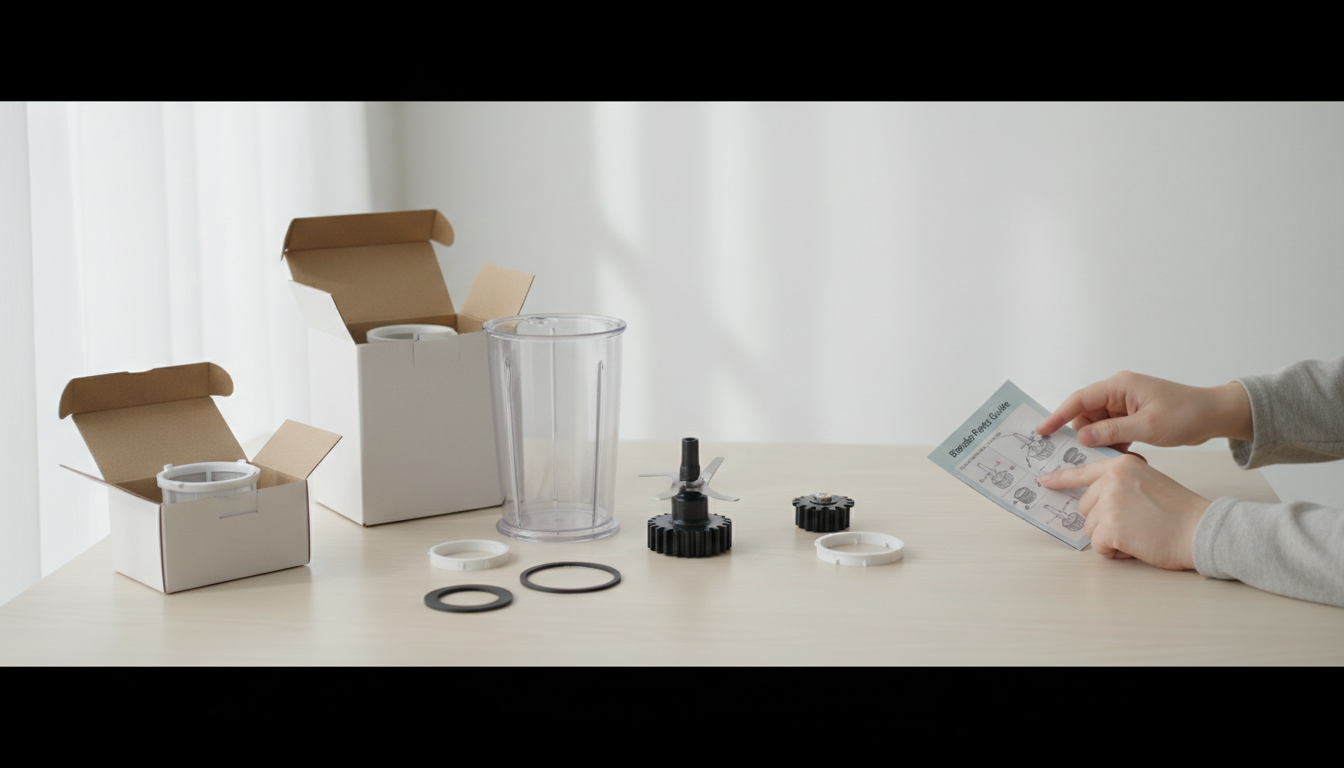
- Resource Availability: Look for installation guides or videos online that correspond to your blender model and the specific part to gauge the difficulty before committing to a purchase.
-
Understand Return Policies and Customer Support Even with careful verification, a part might not fit or could be defective. Knowing the seller's policies can save time and frustration.
- Return Window: Check the timeframe within which you can return a part if it's incorrect or faulty.
- Restocking Fees: Be aware of any potential fees for returns, especially for opened packages.
- Warranty: Inquire about any warranty offered on the replacement part itself, which can provide assurance against premature failure.
- Support Channels: Confirm how to contact customer support for assistance with compatibility questions or issues after purchase.
-
Consider Sourcing Options and Their Implications Where you purchase your replacement part can affect its authenticity, availability, and price.
- Hamilton Beach Official Site: The manufacturer's website is a reliable source for genuine parts, ensuring exact compatibility and often offering direct customer support.
- Reputable Online Retailers: Platforms like Amazon host numerous sellers offering Hamilton Beach compatible parts. When buying from third-party sellers, prioritize those with high ratings, detailed product descriptions, and clear return policies.
- Specialized Appliance Parts Stores: Some online or local stores specialize in appliance components and may carry a broader range of parts, including those for older models. Always verify their reputation and return policies.
Troubleshooting Common Hamilton Beach Blender Issues with Replacement Parts
Understanding how specific replacement parts address common operational problems can empower Hamilton Beach blender owners to effectively diagnose and repair their appliances. Rather than replacing the entire unit, focusing on key components often resolves issues, extending the blender's lifespan.
-
Addressing Leaks from the Blender Jar If your blender leaks liquid from the bottom of the jar or around the blade assembly, the issue typically stems from two components: the gasket or the jar itself.
- Gasket: The rubber or silicone gasket creates a seal between the blade assembly and the jar. Over time, heat, wear, or exposure to certain ingredients can cause it to crack, tear, or lose elasticity. A compromised gasket allows liquid to seep through. Inspect the gasket for visible damage or signs of flattening. Replacing a worn gasket is a straightforward repair.
- Blender Jar: Less commonly, hairline cracks can develop in the blender jar, particularly near the base where it connects to the blade assembly. These cracks might be subtle but can allow liquid to escape. Carefully examine the jar, especially after washing, for any faint lines or imperfections. If a crack is found, replacing the entire jar is necessary.
-
Resolving Blades Not Spinning Effectively When the motor runs but the blades struggle to process ingredients, turning slowly or inconsistently, the problem often lies with the blade assembly or the drive coupling.
- Blade Assembly: The blades themselves can become dull over time, especially with frequent use on hard ingredients or ice. Additionally, the bearings within the blade assembly can wear out, causing friction and hindering smooth rotation. If the blades feel stiff or gritty when turned manually, or if blending performance has noticeably declined, a new blade assembly is likely needed.
- Drive Coupling: This component, often a gear-like piece, connects the motor's power to the blade assembly. If the coupling on the motor base or the corresponding part on the blade assembly becomes stripped or damaged, the blades won't receive adequate power to spin effectively.
-
When the Motor Runs But Blades Don't Engage A distinct issue is when you hear the motor operating at full speed, but the blades remain stationary or only twitch. This indicates a complete disconnect in power transmission, almost always due to a compromised drive coupling or drive socket.
- Drive Coupling/Socket: The drive coupling is typically found on the underside of the blade assembly, and the drive socket is located on the motor base. These parts are often made of durable plastic or rubber and are designed to wear out before the motor, acting as a safety mechanism. If either the male (coupling) or female (socket) connection is stripped, broken, or severely worn, the motor's rotation won't transfer to the blades. Visually inspect both components for missing teeth, cracks, or excessive wear. Replacing the damaged part will restore engagement.
-
Silencing Unusual Noises During Operation Unusual grinding, rattling, or high-pitched squealing noises often signal worn components or a loose assembly within the blender.
- Worn Bearings: A common source of grinding or squealing is worn bearings within the blade assembly. As these bearings degrade, they create friction and noise. Replacing the entire blade assembly typically resolves this.
- Loose Assembly: Rattling sounds can indicate that the blade assembly, jar, or lid is not securely fastened. Ensure all components are tightened correctly before operation. If the noise persists, inspect the drive coupling and socket for any play or damage that could cause vibrations.
- Foreign Objects: Occasionally, a foreign object might have fallen into the motor base or become lodged near the blade assembly, causing unusual sounds. Always ensure the blender is unplugged before inspecting.
In all these scenarios, verifying your specific Hamilton Beach blender model number is paramount to ensure the replacement part is compatible. Different models may use variations of these components, and an incorrect part will not fit or function properly, potentially leading to further frustration or damage.
Frequently Asked Questions About Hamilton Beach Blender Replacement Parts
Navigating the world of appliance repair can bring up several questions, especially when seeking specific components for your Hamilton Beach blender. Addressing these common queries can help clarify the process and build confidence in your repair decisions.
-
Can I use parts from a different Hamilton Beach model? Generally, no. Hamilton Beach blender parts are often designed with specific dimensions and fittings tailored to individual models or series. Blades, jars, and gaskets, in particular, require precise compatibility to function safely and effectively. Using a part not intended for your specific model can lead to poor performance, leaks, further damage, or even render the appliance unsafe to operate. Always verify the part number and model compatibility before purchase.
-
How do I know if my blade needs replacing? Several indicators suggest your blender blade assembly might need replacement. Visually inspect the blades for dullness, nicks, cracks, or rust. If the blender struggles to process ingredients, leaves chunks, or produces a gritty texture where it once blended smoothly, the blades may be worn. Additionally, if you notice unusual grinding noises during operation or leakage from the blade assembly base, the bearings or seals within the assembly could be failing, necessitating a full replacement.
-
Are all gaskets the same size? No, gaskets are not universally sized across all Hamilton Beach blender models. They are precision-engineered to create a watertight seal between the blade assembly and the blender jar for a specific model. A gasket that is too large will not seal properly, leading to leaks, while one that is too small may not fit at all or could be easily damaged. Always match the gasket to your blender's model number to ensure a correct and secure fit.
-
Where can I find my blender's series code? The series code, often requested alongside the model number when searching for parts, is typically found on a label affixed to the underside or back of your Hamilton Beach blender's motor base. This code helps the manufacturer or parts supplier identify the exact version or production batch of your appliance, ensuring you receive the most compatible component. When using the Hamilton Beach official parts search, you will usually be prompted to enter both the model and series code.
-
Is it worth replacing parts or buying a new blender? The decision to repair or replace depends on several factors, including the cost of the replacement part, the overall age and condition of your blender, and the severity of the issue.
- Repairing is often a more economical choice for issues like a worn blade assembly, a cracked jar, or a faulty gasket, especially if the motor and other components are still in good working order. It also aligns with sustainable practices by extending the appliance's lifespan.
- Replacing might be more practical if the repair cost approaches that of a new blender, if multiple critical components are failing, or if the blender is very old and likely to experience other issues soon. Consider the value you place on your current blender's features and performance against the potential benefits of a newer model.
Making the Right Choice for Your Hamilton Beach Blender Repair
Successfully repairing your Hamilton Beach blender hinges on making informed decisions throughout the process, from initial diagnosis to final part selection. The effort invested in accurately identifying the problem and sourcing the correct component directly translates into the longevity and continued performance of your appliance.
To ensure a successful repair, consider these key decision factors:
- Accurate Model Identification: As previously highlighted, verifying your blender's precise model number is the foundational step. This number dictates compatibility for every replacement part, from the smallest gasket to an entire blade assembly.
- Part Type and Function: Understand which specific component is failing. Is it a worn-out gasket causing leaks, a dull blade affecting blending efficiency, or a cracked jar impacting safety? Matching the part to the problem is crucial.
- Compatibility Verification: Always cross-reference the part number and description with your specific Hamilton Beach model. This mitigates the risk of purchasing an incompatible component, saving time and potential frustration.
Opting for a DIY repair empowers you to extend the life of your Hamilton Beach blender, often at a fraction of the cost of a new unit. This hands-on approach not only offers a sense of accomplishment but also contributes to reducing electronic waste. A well-maintained appliance, kept in good working order with appropriate replacement parts, continues to serve its purpose efficiently, ensuring your blending needs are met for years to come.