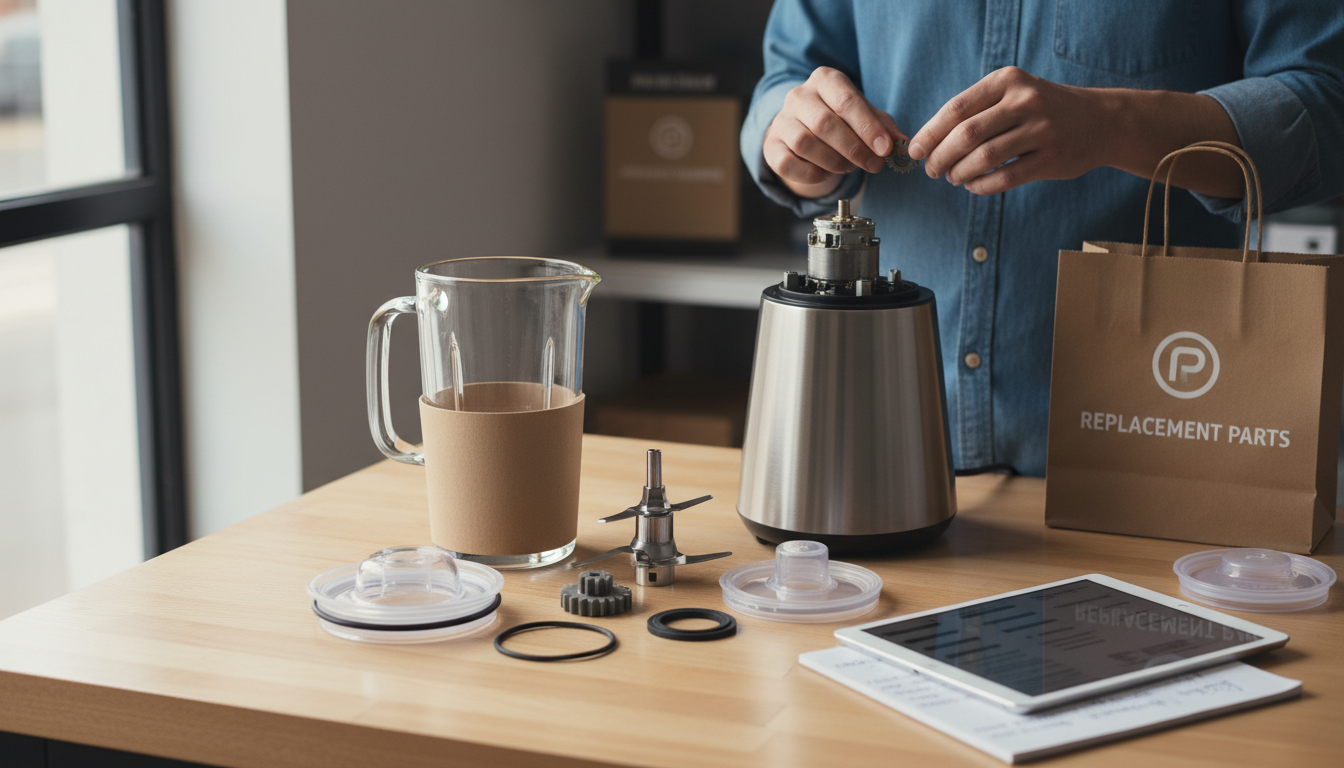
Ninja Foodi Blender Replacement Parts: Ensuring Continued Performance and Longevity
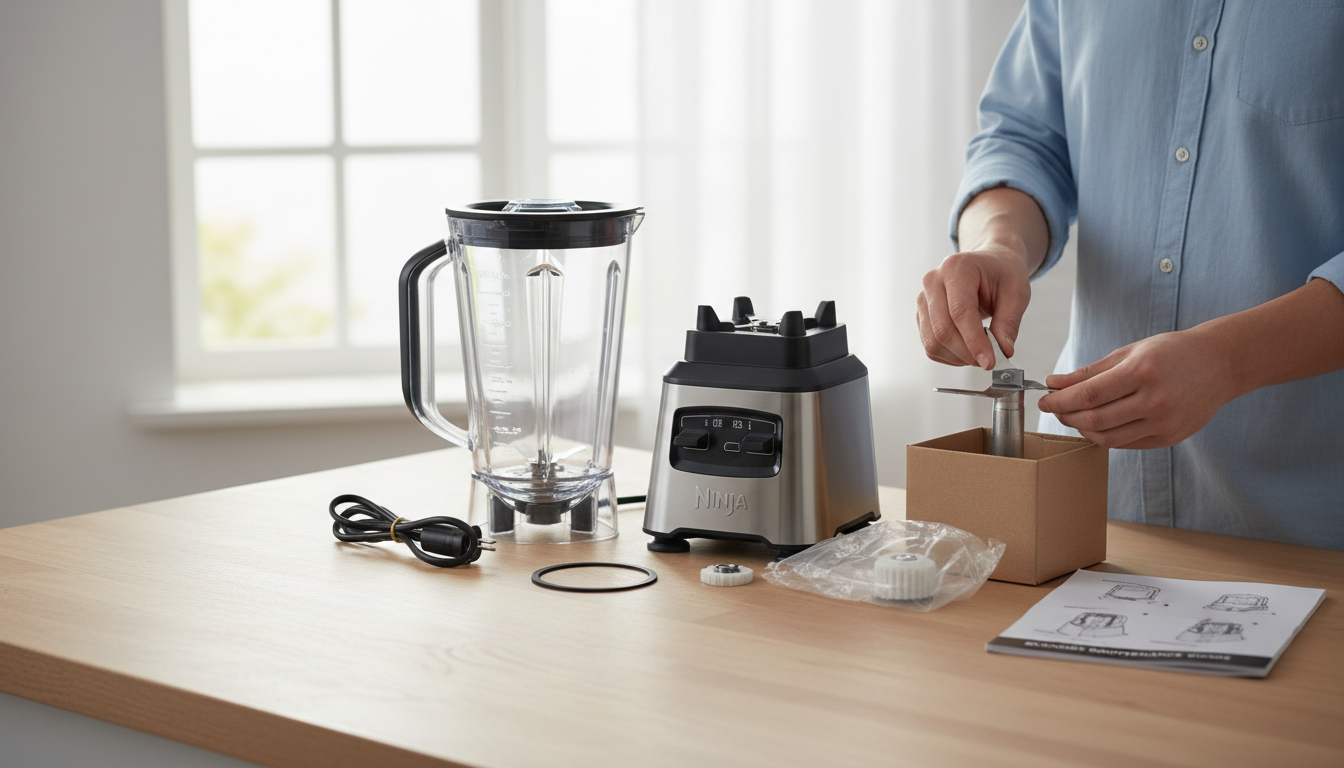
Revitalize Your Ninja Foodi: The Smart Guide to Replacement Parts
Your Ninja Foodi blender is a versatile kitchen workhorse, but like any frequently used appliance, its components are subject to wear. Over time, blades can dull, gaskets may lose their seal, and containers might show signs of fatigue, all of which can diminish performance and blending efficiency. Instead of considering a complete appliance replacement, opting for specific replacement parts offers a practical and sustainable alternative.
This approach not only proves more cost-effective than purchasing a new unit but also contributes to reducing waste. This guide aims to empower Ninja Foodi owners to confidently navigate the process of identifying, selecting, and acquiring the precise, high-quality replacement parts needed for their specific blender model. By focusing on compatibility, durability, and common pitfalls, we'll help you restore your Ninja Foodi to its optimal blending power and extend its functional life.
Why Invest in Ninja Foodi Replacement Parts?
Your Ninja Foodi blender is a robust appliance, but consistent use inevitably leads to wear on its individual components. Rather than considering a complete replacement when performance declines, investing in specific parts offers a strategic and beneficial alternative. This approach directly addresses common operational issues, significantly extending the functional life of your existing unit.
One primary benefit is the restoration of blending performance. Over time, even the most durable blades can dull, leading to less efficient processing, chunky textures, and increased motor strain. Replacing a worn blade assembly can immediately revitalize your blender, allowing it to effortlessly pulverize ingredients, create smoother purees, and achieve the consistent results you expect from your Ninja Foodi. This targeted repair prevents the frustration of under-blended mixtures and ensures your appliance operates at its peak.
Beyond blending efficiency, replacing parts addresses critical functionality issues. A cracked blending cup, a leaky gasket, or a faulty lid can turn a simple blending task into a messy ordeal or even render the appliance unusable. Swapping out these specific components ensures a secure, leak-proof operation, restoring the blender's integrity and safety. This not only prevents spills but also protects the motor base from liquid damage, safeguarding your overall investment.
From an economic standpoint, opting for replacement parts offers substantial cost savings compared to purchasing an entirely new Ninja Foodi blender. The cost of a new blade assembly, cup, or gasket is typically a fraction of the price of a full unit. This allows you to maintain a high-performing kitchen tool without the significant financial outlay of a new appliance purchase. Furthermore, extending the lifespan of your blender through targeted repairs contributes to environmental benefits by reducing electronic waste. It's a sustainable choice that keeps functional appliances out of landfills for longer. Ultimately, investing in replacement parts solves the immediate problem of declining performance or damage, empowering you to continue enjoying your Ninja Foodi's versatility and power for years to come. Even with robust construction, certain components of your Ninja Foodi blender naturally experience more wear and tear due to their function or direct contact with ingredients. Identifying these frequently replaced parts is the first step toward effective maintenance and repair, helping you pinpoint the exact component needed to restore performance.
-
Extractor Blade Assemblies: These are the core of your blender's processing power, responsible for pulverizing, chopping, and blending ingredients. Over time, the blades can dull, bearings may wear out leading to increased noise or leakage from the base, or the fins themselves might bend or break. Ninja Foodi blenders often feature specific blade designs, such as 6-fin or 7-fin extractor blades, which are not universally interchangeable across all models. Compatibility is paramount here; always verify the exact fin count and the specific Ninja Foodi model numbers (e.g., SS101, BL480 series) that the replacement assembly is designed for to ensure a secure fit and proper function. An incorrect blade assembly can lead to poor blending, motor strain, or even damage.
-
Blender Cups and Jars: These containers hold your ingredients during blending. Common issues include cracks from impacts, cloudiness or scratches from abrasive ingredients or cleaning, and wear on the plastic tabs or threads that connect to the motor base or blade assembly. Ninja Foodi offers various cup and jar sizes (e.g., 16 oz, 24 oz, 32 oz single-serve cups, larger pitchers), and their dimensions and connection mechanisms can vary significantly between models (e.g., Nutri Ninja, Foodi Power Blender & Processor). Selecting a replacement that matches your specific model and desired capacity is crucial for a leak-free seal and stable operation.
-
Gaskets and Sealing Rings: These small but critical components create a watertight seal, preventing leaks during operation. They are typically found within the blade assembly or on the lids. With repeated use, exposure to heat, and cleaning, gaskets can stretch, crack, become brittle, or lose their elasticity. A compromised gasket is a primary cause of leaks and can lead to messy cleanups or even damage to the motor base. Regular inspection for signs of wear and tear is advisable, and replacement ensures the integrity of your blending container.
-
Lids and Other Accessories: Lids secure the blender jar or cup, preventing splashes and spills. They can suffer from broken latches, cracked plastic, or worn-out flip-top mechanisms. Some Ninja Foodi models also come with specialized lids (e.g., sip-and-seal lids for single-serve cups) or other accessories like tamper tools or cleaning brushes that might need replacing due to damage or loss. Ensuring the replacement lid forms a tight seal and is designed for your specific cup or jar model is essential for safe and effective blending.
Choosing the Right Replacement Parts: Key Factors for Ninja Foodi Blenders
Selecting the correct replacement parts for your Ninja Foodi blender requires careful consideration to ensure continued performance and avoid potential issues. The market offers various options, and understanding the key factors will empower you to make an informed decision that extends your appliance's life.
Pinpointing Exact Model Compatibility
The most critical step in selecting any replacement part is verifying its compatibility with your specific Ninja Foodi blender model. Ninja produces a range of blenders, and parts are often not interchangeable across different series or even within the same series if the model numbers vary. Always locate the full model number, typically found on the base of your blender or in the user manual. This alphanumeric code is essential. If a replacement part listing does not explicitly state compatibility with your exact model number, it is advisable to avoid purchasing it. An ill-fitting part can lead to leaks, damage to the blender's motor, or even safety hazards.
OEM Versus Third-Party Components
When sourcing parts, you'll encounter two main categories: Original Equipment Manufacturer (OEM) and third-party (aftermarket) parts. Each comes with distinct trade-offs:
- OEM Parts: These are manufactured by Ninja or an authorized supplier, designed to precise specifications for your blender. They generally offer guaranteed fit, performance, and often come with a manufacturer's warranty. The primary drawback is typically a higher price point.
- Third-Party Parts: Produced by other manufacturers, these parts are often more budget-friendly. However, their quality and fit can vary significantly. While some third-party options perform comparably to OEM, others may have durability issues, imperfect fit, or use lower-grade materials. Using non-OEM parts might also impact your blender's original warranty, so it's wise to check the terms.
Material Quality and Durability
Regardless of whether you choose OEM or third-party, scrutinize the material quality. For blending cups and lids, look for durable, food-grade plastics that are BPA-free. Blades should be constructed from high-quality stainless steel to resist corrosion and maintain sharpness. Gaskets and seals require robust, flexible rubber or silicone that can withstand repeated use and maintain a tight seal to prevent leaks. Inferior materials can degrade quickly, leading to premature failure, leakage, or even contamination of your food.
Interpreting User Reviews and Ratings
User reviews and ratings offer valuable insights into the real-world performance and fit of replacement parts. When evaluating feedback, look for patterns rather than isolated comments. Pay close attention to:
- Fit: Do multiple users confirm the part fits their specific model without issues?
- Performance: Does the part function as expected (e.g., blades blend efficiently, cups don't leak)?
- Longevity: Are there comments about the part holding up over time, or do users report premature wear or failure, such as blades developing rust or making excessive noise after a short period?
Be wary of listings with consistently mixed reviews regarding durability or those that lack specific model compatibility confirmations.
Ease of Installation and Maintenance
Consider how easily the part can be installed and maintained. Most Ninja Foodi replacement parts, such as cups, lids, and blade assemblies, are designed for user-friendly installation. However, some components might require more effort. Check if the part comes with clear instructions or if there are readily available online guides or videos. Additionally, think about the part's maintenance requirements; for instance, some blade assemblies might be harder to clean than others, affecting long-term hygiene and performance.
Navigating Common Challenges with Ninja Foodi Replacement Parts
While replacing parts can extend your Ninja Foodi's life, the process isn't without potential pitfalls. Understanding these common challenges beforehand allows for more informed decisions and helps prevent frustration or further appliance issues. Vigilance in selection and a clear understanding of potential risks are key to a successful repair.
- Incompatibility Issues: A primary concern is purchasing a part that doesn't fit your specific Ninja Foodi model. Ninja produces various blender series, and components like blade assemblies, lids, or cups are often model-specific. An incompatible part might physically not fit, fail to engage properly, or even damage the motor base if forced. Always verify the exact model number of your Ninja Foodi (typically found on the appliance's base) against the replacement part's compatibility list before purchase. Even slight variations in design can render a part unusable.
- Durability Concerns: Not all replacement parts are created equal. Some third-party or aftermarket components may use materials that differ in quality from the original equipment. Reports indicate issues such as premature blade dulling, gaskets losing their seal and causing leaks, or metal components (especially in blade assemblies) developing rust after limited use. These issues can compromise both the performance and hygiene of your blender.
- Performance Discrepancies: The effectiveness of a replacement blade, for instance, relies on its sharpness, material composition, and balance. Aftermarket blades, while appearing similar, might not achieve the same blending efficiency as original parts. This can result in less smooth textures, increased blending time, or even put undue strain on your blender's motor, potentially shortening its lifespan.
- Installation Errors: Even with the correct part, improper installation can lead to problems. Incorrectly seating a gasket, overtightening a blade assembly, or failing to align components properly can cause leaks, unusual noises, or even prevent the blender from operating safely. Always refer to any instructions provided with the replacement part or consult your Ninja Foodi's user manual for guidance.
To mitigate these risks, prioritize sellers with strong reputations and clear return policies. This provides recourse if a part proves incompatible or defective. Carefully review product descriptions and customer feedback, paying close attention to comments regarding fit, material quality, and long-term performance.
Maximizing Longevity: Tips for Installing and Caring for Your New Parts
Successfully identifying and purchasing the correct replacement part is the first step; ensuring its proper installation and ongoing care is crucial for maximizing its lifespan and maintaining your Ninja Foodi blender's performance. Adhering to best practices during these stages can prevent premature wear and extend the utility of both the new component and the entire appliance.
-
Safe Installation Practices Before handling any blender components, always unplug your Ninja Foodi blender from the power outlet. This critical safety step prevents accidental activation and potential injury. Consult your specific Ninja Foodi model's user manual for detailed, step-by-step instructions, as assembly can vary between different blender types (e.g., pitcher blenders vs. personal blenders). When installing, ensure all parts are clean and free of debris. Align components carefully, and secure them firmly but avoid over-tightening, which can strip threads or crack plastic. A gentle, snug fit is usually sufficient to create a proper seal and connection.
-
Proper Cleaning and Maintenance Immediate cleaning after each use is essential to prevent food residue from hardening and potentially damaging seals or dulling blades. For many Ninja Foodi blender parts, hand washing with warm, soapy water is often recommended over dishwasher cleaning. High heat and harsh detergents in dishwashers can degrade plastics, rubber gaskets, and blade sharpness over time. Use a soft brush for hard-to-reach areas, especially around blade assemblies. Always rinse thoroughly and allow parts to air dry completely before reassembling or storing them to prevent mold or mildew growth and maintain the integrity of seals.
-
Monitoring for Early Signs of Wear Even new parts will eventually show signs of wear. Regularly inspect your replacement components for indicators that suggest future issues. For blade assemblies, look for any signs of dullness, nicks, or unusual wobbling. Gaskets and seals should remain pliable and free from cracks, tears, or discoloration; a stiff or brittle seal is prone to leaking. For containers, check for new cracks, cloudiness, or deep scratches that could compromise structural integrity. Addressing these minor signs of wear early can prevent them from escalating into larger problems that might affect other parts of your blender or diminish its performance.
-
Contribution to Overall Blender Longevity By installing new parts correctly and maintaining them diligently, you directly contribute to the longevity of your entire Ninja Foodi system. Proper installation ensures that the motor and other components are not subjected to undue stress from misaligned or improperly fitted parts. Consistent cleaning prevents buildup that can hinder performance or create unhygienic conditions. Proactive monitoring and timely replacement of worn parts mean that your blender continues to operate efficiently, reducing strain on the motor and extending its operational life. This careful approach ensures your Ninja Foodi remains a reliable kitchen tool for years to come.
Frequently Asked Questions About Ninja Foodi Blender Replacement Parts
Navigating the world of replacement parts can bring up several questions regarding compatibility, quality, and troubleshooting. Understanding these common concerns can help you make informed decisions and ensure your Ninja Foodi blender continues to perform reliably.
-
How do I find my Ninja Foodi blender's model number? The model number is crucial for ensuring compatibility with replacement parts. It is typically located on a sticker or engraved plate on the underside of your blender's motor base. You might also find it on the original packaging or in the instruction manual that came with your appliance. Always verify this number before purchasing any replacement component.
-
Are third-party Ninja Foodi replacement parts as good as original (OEM) parts? The quality of third-party replacement parts can vary significantly. Original Equipment Manufacturer (OEM) parts are designed and produced by Ninja, offering guaranteed compatibility and often consistent quality. Third-party options can be more budget-friendly, but their durability, fit, and performance may differ. Some users report positive experiences, while others encounter issues like premature wear or leakage. When considering third-party parts, prioritize sellers with strong reviews and clear compatibility claims to mitigate potential risks.
-
What are the most common Ninja Foodi parts that need replacing? Due to regular use and the nature of blending, certain components tend to wear out faster than others. The most frequently replaced Ninja Foodi parts include:
- Blade assemblies: These can dull over time, reducing blending efficiency, or develop leaks.
- Blending cups/pitchers: These may crack, scratch, or lose clarity from repeated use and washing.
- Lids and pour spouts: Seals can degrade, or locking mechanisms may fail, leading to spills.
- Gaskets and O-rings: These seals are critical for preventing leaks and can degrade or become dislodged.
-
How can I prevent my replacement blade from leaking? Leaking from a replacement blade assembly is often due to an improper seal or an incompatible part. To prevent this:
- Verify compatibility: Ensure the blade assembly is specifically designed for your Ninja Foodi model.
- Check the gasket: Confirm that the rubber gasket or O-ring is correctly seated within the blade assembly and is free from damage or debris.
- Tighten securely: Always screw the blade assembly onto the blending cup or pitcher firmly, but avoid over-tightening, which can strip threads or damage components.
- Inspect for defects: Before first use, visually inspect the new blade assembly for any manufacturing flaws or gaps in the seal.
-
Can I use replacement parts from a different Ninja blender model? Generally, no. Ninja Foodi blenders, like most appliances, are engineered with precise specifications. Parts from one Ninja model are rarely interchangeable with another, even if they appear similar. Differences in thread patterns, blade configurations, cup dimensions, and locking mechanisms can lead to poor fit, leaks, damage to the appliance, or even safety hazards. Always match the replacement part to your exact Ninja Foodi model number.
-
What should I do if my new replacement part doesn't fit? If a new replacement part doesn't fit your Ninja Foodi blender, take the following steps:
- Double-check your model number: Re-verify the model number on your blender base against the compatibility information provided by the seller.
- Review the product listing: Confirm that you ordered the correct part according to the seller's description.
- Contact the seller: Reach out to the retailer or manufacturer where you purchased the part. They can often provide troubleshooting advice, initiate a return, or offer a correct replacement.
- Retain packaging and proof of purchase: Keep all original packaging and your receipt or order confirmation for any return or exchange process.
Making the Smart Choice for Your Ninja Foodi Blender
Bringing your Ninja Foodi back to peak condition hinges on a few critical considerations. The paramount step remains verifying the exact model number of your Ninja Foodi blender, as compatibility is the absolute foundation for any successful replacement part purchase. A part that doesn't precisely match your model will, at best, be unusable, and at worst, could damage your appliance.
Beyond confirming fit, scrutinize the quality of replacement parts by examining material descriptions and, crucially, user feedback. Reviews often highlight durability concerns or unexpected issues that might not be apparent from product images alone. Opting for parts that demonstrate a reputation for robust construction and reliable performance will save you from repeated replacements and maintain your blender's efficiency.
The effort invested in selecting the right component pays dividends, restoring your appliance's performance and extending its useful life. There's a distinct satisfaction in knowing you've revitalized a key kitchen tool, preventing unnecessary waste and continuing to enjoy its full capabilities. With these considerations in mind, you are well-equipped to make an informed purchase, ensuring your Ninja Foodi continues to serve your blending needs for years to come.
More in Blender Replacement Parts
View All
Where to Find Ninja Blender Replacement Parts at Walmart: A Buyer's Sourcing Guide

Kenwood Blender Replacement Parts: Ensuring Compatibility and Long-Term Reliability