Ninja Smoothie Blender Replacement Parts: Keeping Your Personal Blender Ready
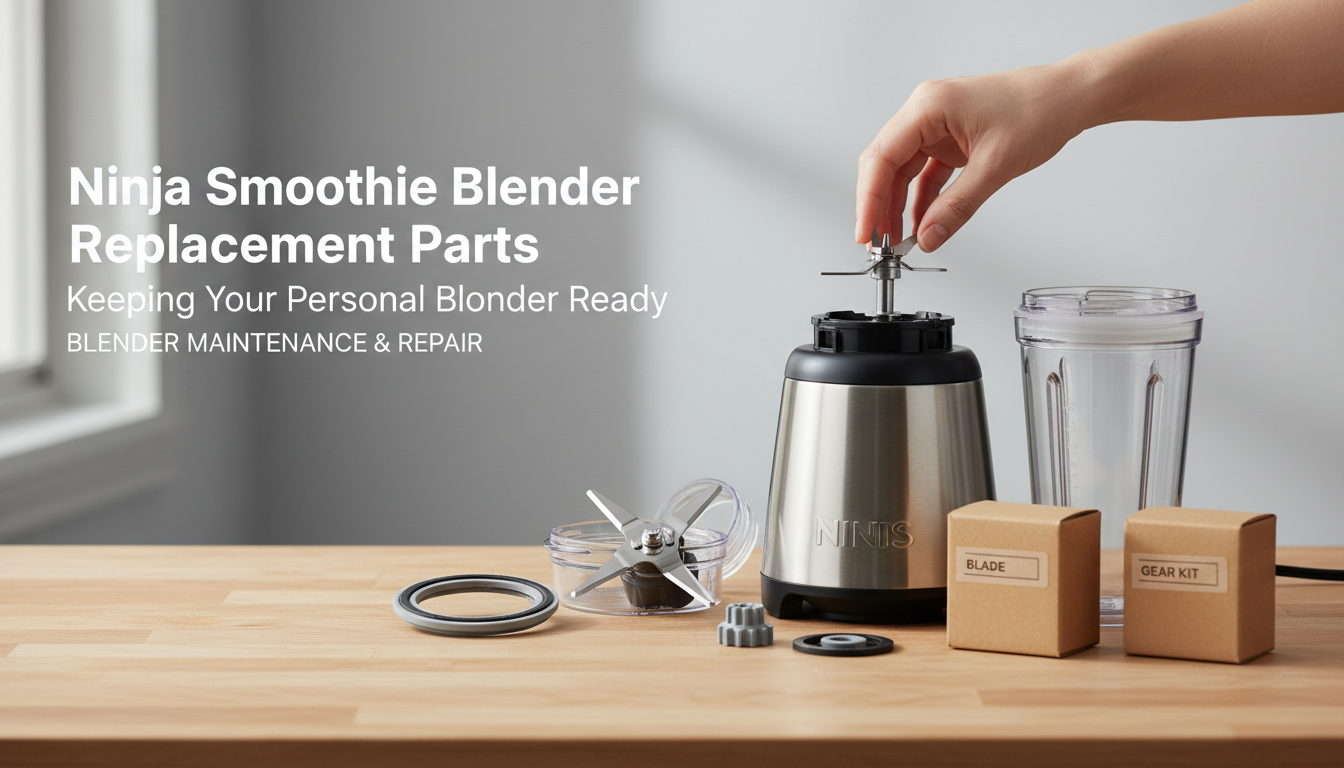
Revitalizing Your Ninja Smoothie Blender: A Guide to Replacement Parts
For many, a personal Ninja smoothie blender is a daily kitchen workhorse, essential for quick breakfasts, post-workout fuel, or healthy snacks. This frequent use, however, inevitably leads to wear and tear on crucial components. A wobbly blade, a leaky cup, or a dull cutting edge can quickly turn your blending routine into a frustrating experience, rendering the entire appliance seemingly useless.
Instead of discarding a beloved blender, replacing worn or broken parts offers a practical and cost-effective solution. The key lies in making informed choices to ensure your personal blender not only functions again but maintains its performance and extends its lifespan. Selecting the correct replacement parts means avoiding compatibility issues and ensuring durability for continued daily use.
This guide aims to empower you to confidently navigate the world of Ninja smoothie blender replacement parts. We will explore how to identify the right components, understand critical selection criteria like material quality and fit, and address common concerns to keep your personal blending experience smooth and consistent.
Understanding Your Ninja Blender Model and Part Compatibility
Before selecting any replacement part for your Ninja personal smoothie blender, accurately identifying your specific model is the foundational step. Without this critical information, even seemingly minor differences between blender versions can lead to incompatible parts, resulting in frustration and wasted effort.
To pinpoint your blender's model number, inspect the appliance's motor base. Typically, this information is printed on a label on the underside or back of the unit. The model number might appear as a series of letters and numbers, such as BL480, BL642, or BN801. Note the complete number, as variations like BL480 and BL480D often require different components. Consulting your original user manual or the product's packaging can also provide this detail.
Once your model is confirmed, you can focus on the primary replacement parts relevant to personal Ninja smoothie blenders:
- Blade Assemblies: These are crucial for blending efficiency. For personal blenders, you'll typically be looking for "extractor blades." A critical compatibility factor for blade assemblies is the "fin count" – the number of fins or prongs that connect the blade to the motor base. Common counts include 6-fin or 7-fin designs. An incorrect fin count means the blade will not properly engage with your blender's motor, rendering it unusable.
- Cups/Jars: Personal blenders utilize individual blending cups, often with capacities like 18oz, 24oz, or 32oz. Beyond capacity, ensure the replacement cup's threading and locking mechanism match your blender base and blade assembly. Material quality, such as BPA-free plastic, is also a consideration for durability and safety.
- Sealing Gaskets/Rings: These small but vital components prevent leaks during blending. Gaskets are often integrated into blade assemblies but can sometimes be replaced separately. Matching the diameter and thickness of the gasket to your specific blade and cup is essential for a leak-proof seal.
A common pitfall in purchasing replacement parts is overlooking these precise compatibility details. Online retailers frequently report items "frequently returned due to unexpected size" because buyers did not verify their exact model or the specific dimensions of the part. Even if a part visually resembles your original, slight variations in threading, fin count, or cup diameter can prevent proper function, leading to a loose fit, leaks, or the blade failing to spin. Always cross-reference the part's listed compatibility with your blender's full model number before making a selection.
Essential Criteria for High-Quality Ninja Replacement Parts
Selecting replacement parts for your personal Ninja smoothie blender involves more than just finding a component that visually matches the original. To ensure continued performance, safety, and longevity, owners should evaluate several key criteria that speak to the part's construction, compatibility, and intended function.
-
Material Quality
- Blender Cups and Lids: For components that come into direct contact with food, prioritize BPA-free plastics. This ensures food safety and often indicates a more durable material less prone to cracking, clouding, or absorbing odors over time. High-quality cups should withstand repeated blending cycles and dishwasher cleaning without degradation.
- Blades: The most critical material for blade assemblies is food-grade stainless steel. This material is vital for maintaining sharpness, resisting corrosion from acidic ingredients, and ensuring overall durability. Inferior metals can dull quickly, rust, or even contaminate your blends. The quality of the bearing within the blade assembly is also crucial, as a robust bearing contributes to smoother operation and a longer lifespan, mitigating common issues like excessive noise or premature failure.
-
Blade Design and Construction for Specific Blending Tasks
- Fin Count and Shape: Personal Ninja blenders typically use extractor blades with a specific number of fins (e.g., 6-fin or 7-fin). This count is a primary compatibility factor and directly influences how effectively ingredients are drawn into the blades. Ensure the replacement blade matches your model's required fin configuration.
- Blending Performance: Consider your primary blending needs. Some replacement blades are designed to pulverize ice and tough ingredients like nuts or frozen fruits into a smooth consistency, while others may leave small chunks. If you frequently blend challenging items, look for blades with robust construction and sharp, well-angled edges. Be aware that some aftermarket blades may not be rated for hot liquids, which can affect their material integrity over time.
-
Sealing Integrity
- Gaskets and O-rings: These small but vital components prevent leaks during blending. High-quality replacement gaskets should be made from durable, food-grade rubber or silicone that forms a tight, reliable seal between the blade assembly and the blender cup. A compromised seal can lead to messy leaks, reduced blending efficiency due to loss of vacuum, and potential damage to the motor base if liquids seep in. Always ensure the replacement part includes a new, properly fitted gasket.
-
Ease of Installation and Secure Fit
- Precise Manufacturing: Regardless of the component, a high-quality replacement part will fit precisely into your existing blender system without requiring force. This means the threads on blade assemblies and cups should align perfectly, and lids should snap or screw on securely.
- Risk of Poor Fit: An ill-fitting part can lead to several problems: it may not engage properly with the motor, causing operational issues; it could leak; or, in extreme cases, it might detach during blending, posing a safety hazard. Always verify that the replacement part is explicitly listed as compatible with your specific Ninja personal blender model number to ensure a secure and functional fit.
Navigating Common Issues and Durability Concerns with Replacement Parts
While replacement parts offer a cost-effective way to extend your Ninja personal smoothie blender's life, it's important to approach these purchases with an awareness of potential challenges. Not all replacement parts deliver the same performance or longevity as original components, and some users encounter specific reliability issues that can impact their blending experience.
Common reliability issues reported by users include:
- Noisy Operation: A new blade assembly or cup might introduce unexpected grinding or rattling sounds, indicating poor fit or manufacturing tolerances.
- Bearing Failures: The bearings within blade assemblies are critical for smooth rotation. Some replacement blades may experience premature bearing wear, leading to wobbling or complete failure within a few months of use.
- Leakage: Incompatible or poorly manufactured gaskets and blade assemblies can result in leaks from the bottom of the blending cup, creating mess and potentially damaging the motor base.
Beyond these operational issues, the overall durability of replacement parts can be a concern. Some components, particularly those from third-party manufacturers, may stop working effectively within a relatively short period. This can manifest as blades dulling quickly, plastic cups cracking under normal use, or seals degrading faster than anticipated.
Specific limitations also exist for certain replacement blades:
- Ice Blending: While many blades can process ice, some replacement options may struggle to pulverize it into a fine powder, leaving larger chunks behind.
- Hot Liquids: Not all replacement blades or cups are designed to withstand high temperatures. Using them with hot liquids could lead to material degradation or even warping.
- Tough Ingredients: Blending dense or fibrous ingredients like nuts or hard vegetables can put significant strain on blades. Some replacement blades may not be robust enough for these tasks, leading to reduced efficiency or premature wear.
A significant risk when purchasing replacement parts is receiving an "unexpected size" that does not fit your specific blender model. This often leads to frustrating returns and delays. To mitigate this, always double-check the part's specifications against your blender's model number and existing part dimensions before purchasing. Pay close attention to details like blade fin count, cup capacity, and diameter measurements, as even minor discrepancies can render a part incompatible.
Choosing the Right Parts for Your Blending Lifestyle
Selecting replacement parts for your Ninja personal smoothie blender goes beyond just finding a compatible component; it involves aligning your choice with your personal blending habits and expectations. Your daily routine, ingredient preferences, and frequency of use should guide your decision to ensure the replacement part not only fits but also performs reliably for your specific needs.
Consider your primary use case to determine the demands you place on your blender's components.
- Heavy Ice Crushing: If your daily smoothie includes large quantities of ice or frozen fruit, the blade assembly and cup material need to withstand significant impact and stress. Some blades are designed more for general blending and may struggle to pulverize ice into a fine powder, potentially leaving chunks or wearing down faster.
- Daily Smoothies with Tough Ingredients: Regular blending of fibrous vegetables, nuts, or seeds requires robust blades and a durable motor coupling. Parts that might suffice for occasional, softer blends may quickly show wear when subjected to daily, high-intensity tasks.
- Occasional Light Use: For those who blend less frequently or primarily with soft ingredients, a standard replacement part might offer sufficient longevity without the need for premium-grade materials.
Balancing the initial cost with the expected lifespan and durability is crucial, especially for frequent users. While a lower-priced part might seem appealing, it could lead to more frequent replacements if it's not constructed to handle your typical blending intensity. Many users report that some replacement parts can develop issues like noisy operation, bearing failures, or leaks within months if they are not sufficiently durable. Investing in parts made with higher-grade materials often translates to better performance and a longer service life, reducing the overall cost and inconvenience over time.
Before purchasing, ask yourself key questions to ensure the part meets your specific requirements:
- Does the part description explicitly state suitability for heavy-duty tasks like ice crushing or blending tough ingredients?
- What materials are used in its construction (e.g., stainless steel for blades, BPA-free plastic for cups, food-grade silicone for gaskets)?
- Are there any indications of enhanced durability, such as reinforced bearings in blade assemblies or thicker cup walls?
- Does the part address common failure points you've experienced with previous components, such as a wobbly blade or a leaky seal?
The trade-offs between different material grades and construction significantly impact longevity. For instance, blade assemblies vary not only in fin count but also in the quality of their internal bearings and the grade of stainless steel used. A blade designed for general use might not be heat-resistant enough for blending warm liquids or robust enough for consistent ice crushing. Similarly, while most cups are BPA-free plastic, the thickness and type of plastic can affect its resistance to cracking or clouding over time. Gaskets, which prevent leaks, can differ in material composition, with higher-quality silicone often offering better sealing and durability than standard rubber. Understanding these distinctions helps you choose a part that aligns with your blending habits, ensuring continuous, efficient performance.
Frequently Asked Questions About Ninja Smoothie Blender Replacement Parts
Navigating the options for Ninja smoothie blender replacement parts can raise several questions, particularly when aiming to maintain your personal blender's efficiency and extend its life. Understanding common concerns can help you make confident decisions.
Why should I choose replacement parts over buying a new blender? Opting for replacement parts is often a more economical and sustainable choice than purchasing an entirely new appliance. For personal Ninja smoothie blenders, specific components like blades or cups are typically the first to show wear. Replacing these targeted parts can restore full functionality at a fraction of the cost of a new unit, minimizing electronic waste and maximizing the value of your initial investment. It allows you to continue using a familiar appliance that otherwise performs well.
How do I ensure compatibility with my specific Ninja blender model? Compatibility is crucial. Always locate the full model number of your Ninja personal blender, usually found on a sticker on the underside or back of the motor base. This number (e.g., BL480, BL642) is essential, as even slight variations can mean different part dimensions or connections. For blade assemblies, specifically verify the "fin count" (e.g., 6-fin or 7-fin) and diameter, as this detail is critical for a secure fit and proper operation. Many parts are frequently returned due to incorrect size selection.
What are the most common issues with aftermarket replacement parts? Aftermarket parts, while often more affordable, can present specific challenges. Common issues include:
- Durability: Some aftermarket blades may use lower-grade bearings or materials that lead to premature failure, noisy operation, or reduced blending efficiency within months of use.
- Leakage: Incompatible or poorly manufactured gaskets and seals can result in leaks, compromising both performance and hygiene.
- Fitment: While a part might appear similar, slight discrepancies in dimensions can lead to a loose fit, excessive vibration, or complete incompatibility.
- Performance: Blades might not be as sharp or designed for the same blending tasks (e.g., struggles with ice or hot liquids) as original equipment.
Are there specific parts I should prioritize replacing? For personal Ninja smoothie blenders, the most frequently replaced components are:
- Blade Assemblies: These endure significant stress during blending. Signs of wear include dullness, difficulty processing ingredients, excessive noise, or leakage from the blade's base, indicating worn bearings or seals.
- Blender Cups: Cracks, chips, or cloudiness can compromise the cup's integrity and safety. Leakage from the cup's threads or base also signals a need for replacement.
- Gaskets/Seals: These small components prevent leaks. If your blender is leaking, even with a seemingly intact cup and blade, a worn or perished gasket is a likely culprit.
What materials are best for replacement cups and blades?
- Cups: Look for durable, BPA-free plastics. These materials are designed to withstand repeated use, impact, and temperature changes without leaching chemicals into your food. Some higher-quality options may offer enhanced scratch resistance.
- Blades: Stainless steel is the preferred material for blending blades due to its corrosion resistance and ability to maintain a sharp edge. Ensure the blade assembly includes a robust bearing system, as this is a common point of failure for blending performance and longevity.
Keeping Your Ninja Smoothie Blender Blending Strong
Maintaining your personal Ninja smoothie blender through informed replacement part choices is a practical approach to ensuring its continuous functionality. By focusing on key selection criteria, you empower yourself to extend the life of an appliance that supports your daily routine. The decision to replace a worn component, rather than the entire unit, offers both immediate and long-term advantages.
To confidently select the right replacement parts, remember to prioritize:
- Precise Model Identification: Always verify your blender's exact model number to guarantee compatibility, especially for critical components like blade assemblies and cups.
- Part-Specific Fit: For blades, confirm the fin count and diameter. For cups, match the capacity and attachment mechanism. Even minor discrepancies can lead to poor performance or leakage.
- Material Quality: Opt for durable materials such as stainless steel for blades and BPA-free plastics for cups. These choices contribute to longevity and safe food contact.
- Reputable Sourcing: While the article does not recommend specific vendors, sourcing parts from established channels can mitigate risks of receiving ill-fitting or low-quality components.
By applying these considerations, you can confidently navigate the replacement part market. This proactive maintenance not only keeps your personal Ninja blender ready for daily use but also contributes to a more sustainable consumption pattern. Extending the lifespan of your appliance reduces waste and offers a cost-effective alternative to frequent full unit replacements, ensuring your blending routine remains smooth and uninterrupted.
More in Blender Replacement Parts
View All
Osterizer 14-Speed Blender Replacement Parts: Keeping Your Vintage Blender Running
Braun Immersion Blender Replacement Parts: Essential for Hand Blending Tasks