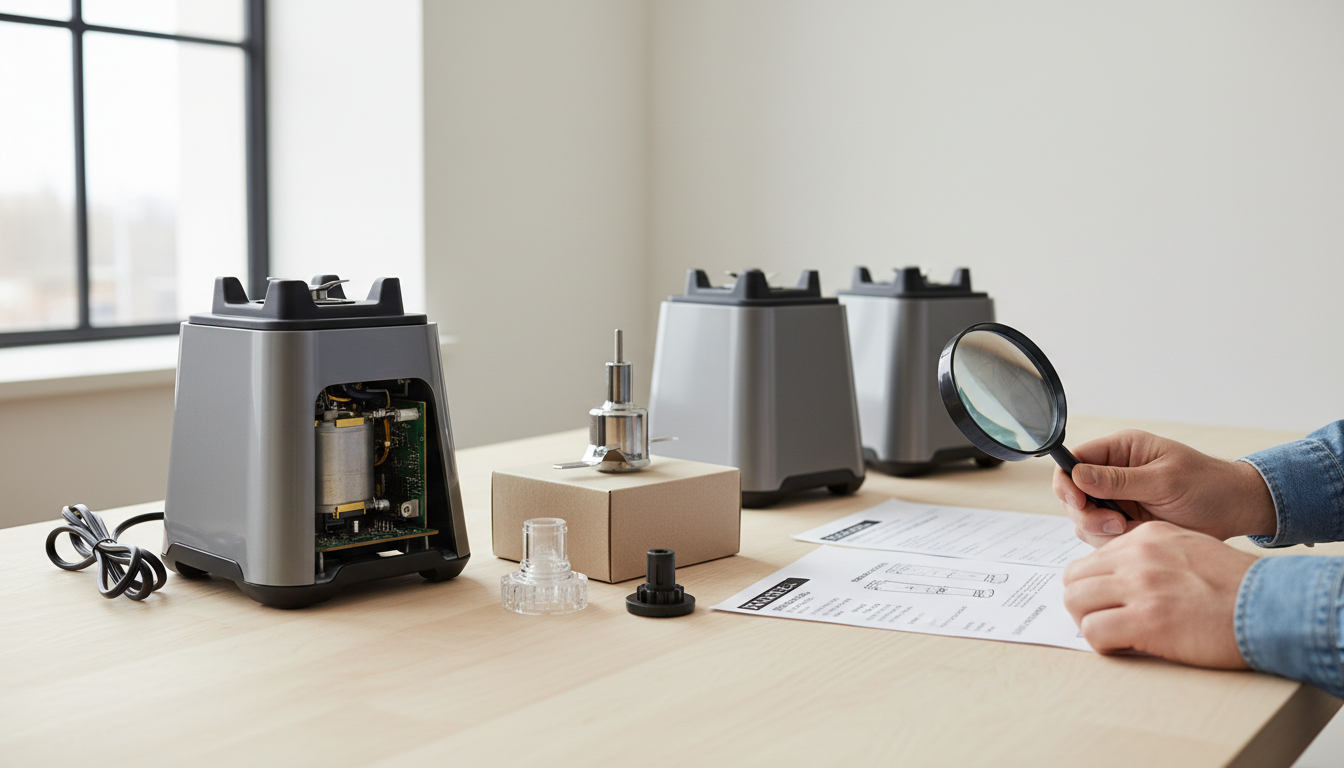
Osterizer 14-Speed Blender Replacement Parts: Keeping Your Vintage Blender Running
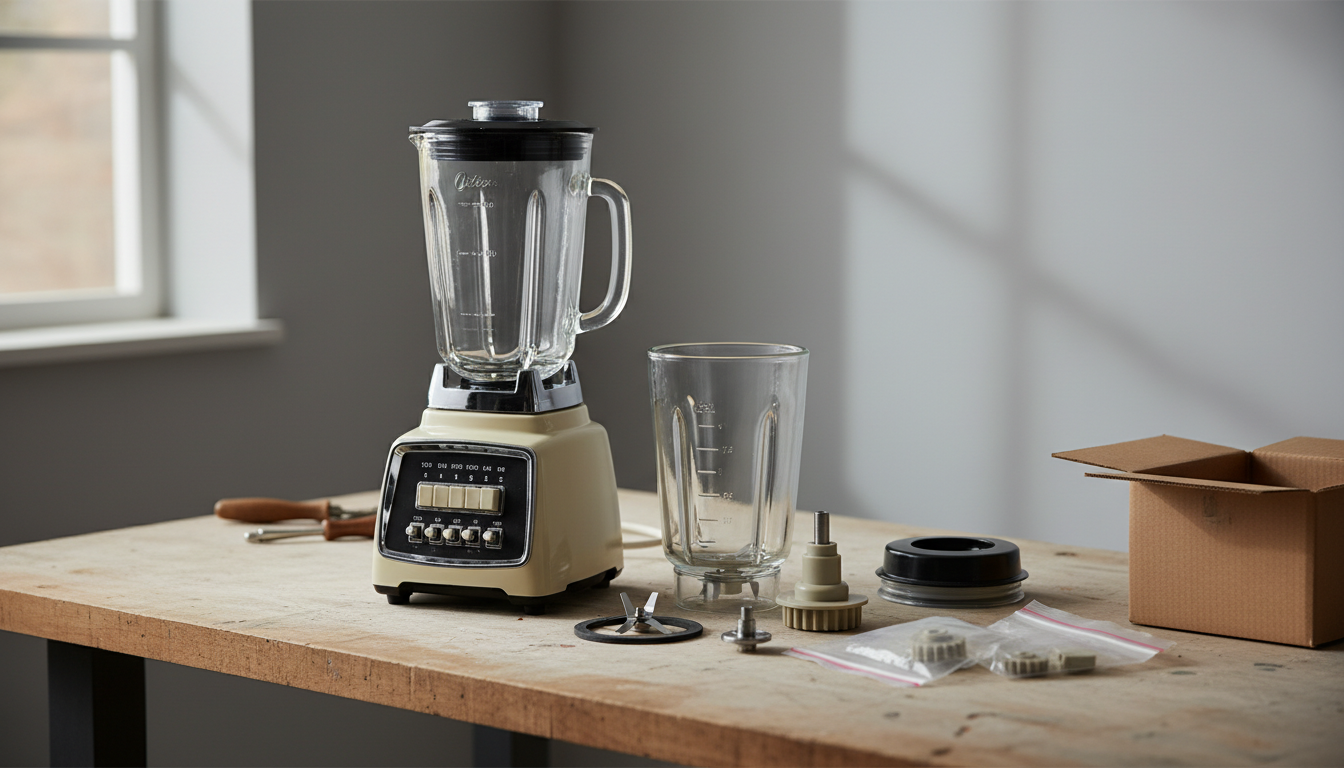
Revitalize Your Vintage Osterizer 14-Speed Blender
Your Osterizer 14-speed blender is a testament to enduring appliance design, often prized for its straightforward functionality and consistent performance. Many owners choose to repair these classic machines rather than replace them, driven by a desire for cost-effectiveness, sustainability, and a preference for proven kitchen workhorses. This commitment to repair speaks to the inherent reliability built into these vintage models.
However, even the most robust appliances eventually show signs of age or sustain damage. Owners typically seek replacement parts due to:
- Routine wear and tear: Components like gaskets can degrade, blade assemblies may dull, or motor couplings might wear down from regular use.
- Accidental damage: A dropped blender jar or a cracked lid can necessitate a specific replacement to restore full functionality.
This guide is designed to empower you with the information needed to confidently identify, select, and purchase the precise replacement parts for your Osterizer 14-speed blender. By understanding key compatibility and quality considerations, you can effectively extend your blender's operational lifespan, keeping your vintage appliance running efficiently.
Common Osterizer 14-Speed Parts That Need Replacing
Even with its robust design, certain components of the Osterizer 14-speed blender are more susceptible to wear and tear or accidental damage over time. Understanding these frequently needed replacement parts can help you quickly diagnose issues and identify what you need to restore your blender's functionality.
- Blades: The cutting mechanism is central to blending performance. For the Osterizer 14-speed, you might find variations such as 4-point or 6-point stainless steel blades, as well as specialized ice crusher designs. Over time, blades can dull, bend, or develop microscopic cracks, reducing their effectiveness. The material, typically stainless steel, is crucial for durability against repeated use and various food textures.
- Gaskets and Sealing Rings: These flexible components, usually made of rubber or silicone, are vital for creating a watertight seal between the blade assembly and the blender jar. They prevent leaks during operation. Deterioration, hardening, or tearing of these seals is a common cause of liquid escaping the jar, signaling an immediate need for replacement.
- Blender Jars: The primary container for your blending tasks, jars can be prone to cracks, chips, or general clouding with extensive use. Many vintage Osterizer 14-speed models feature durable glass jars, valued for their resistance to scratches and odors. However, plastic alternatives may also be available. When replacing, consider the original capacity to maintain your blender's intended functionality.
- Jar Bases / Bottom Caps: This threaded ring secures the blade assembly and gasket to the bottom of the blender jar. It also features tabs or grooves that align with the motor base, allowing the jar to sit correctly and engage with the drive mechanism. Damage to the threads or retaining tabs can prevent a secure fit or proper operation.
- Filler Caps and Lids: The main lid seals the blender jar during operation, while a smaller, removable filler cap often sits within the lid. This filler cap allows you to add ingredients while the blender is running without removing the entire lid. Cracks in either the main lid or the filler cap can compromise the seal, leading to spills or making safe operation difficult.
- Drive Studs / Couplings: Located on the motor base, this component is typically a rubber or plastic gear with splines that interlock with the blade assembly on the jar. Its function is to transfer power from the motor to spin the blades. Over time, the splines can wear down, strip, or crack due to friction and torque, resulting in the motor running but the blades failing to turn.
Key Considerations for Buying Osterizer 14-Speed Blender Parts
When seeking replacement parts for your Osterizer 14-speed blender, a deliberate approach to selection can ensure both compatibility and long-term satisfaction. Evaluating each potential part against specific criteria helps avoid common pitfalls and guarantees your vintage appliance continues to perform reliably.
-
Compatibility with Your Specific Model The most crucial factor is ensuring the part precisely matches your Osterizer 14-speed blender. While many Osterizer parts are interchangeable across different models, subtle variations exist.
- Model Number Verification: Locate the exact model number on your blender's base. Cross-reference this number with the part's listed compatibility.
- Physical Dimensions: For components like blade assemblies, confirm critical measurements such as the blade base diameter (e.g., some common Osterizer blade bases are around 2 3/4 inches) and the number of blade points (4-point or 6-point configurations are common). For jars, verify the capacity and collar type.
- Visual Inspection: Compare images of the replacement part with your existing component to identify any obvious design discrepancies.
-
OEM vs. Aftermarket: Assessing Trade-offs You'll encounter both Original Equipment Manufacturer (OEM) parts and aftermarket alternatives. Each option presents distinct advantages and disadvantages.
- OEM Parts: These are manufactured by Oster or an authorized supplier, offering the highest assurance of fit, material quality, and performance consistency with the original design. However, they can be more expensive and potentially harder to source for older, vintage models.
- Aftermarket Parts: Produced by third-party manufacturers, these are often more widely available and budget-friendly. Quality can vary significantly; some aftermarket parts are designed to meet or exceed OEM specifications, while others may offer a less precise fit or shorter lifespan. Reviewing product descriptions for explicit "compatible with Osterizer 14-speed" claims is essential.
-
Material Quality and Durability The longevity and safety of your blender depend heavily on the materials used in its replacement parts.
- Blades: Opt for stainless steel blades. This material resists corrosion and maintains sharpness longer, crucial for efficiently processing ingredients. Verify the blade's gauge or thickness if possible, as thinner blades may be prone to bending or dulling faster.
- Gaskets and Seals: These should be made from food-grade rubber or silicone. These materials provide a reliable, leak-proof seal and withstand repeated exposure to food and cleaning agents without degrading prematurely.
- Jar Bases/Couplings: If replacing these, look for robust, impact-resistant plastics or metal components that can endure the torque and vibrations of blending.
-
Ease of Installation Consider how straightforward the replacement process is for the specific part you need.
- User-Replaceable Components: Many common parts like blade assemblies, gaskets, and jar bases are designed for relatively simple, at-home replacement without specialized tools.
- Complex Replacements: Other parts, such as motor couplings, might require more disassembly or specific tools, potentially increasing the time and effort involved. Check if the part comes with instructions or if online guides are readily available.
-
Value for Money This criterion involves balancing the initial cost of a part with its expected lifespan and contribution to your blender's overall performance.
- Long-Term Investment: A higher-priced part made from superior materials that lasts for years may offer better value than a cheaper alternative that requires frequent replacement.
- Blender's Remaining Life: Factor in the general condition of your Osterizer 14-speed blender. If other components are also showing significant wear, investing in a premium replacement for one part might be less cost-effective than if the blender is otherwise in excellent shape.
How to Accurately Identify the Right Replacement Part for Your Osterizer 14-Speed
Successfully repairing your Osterizer 14-speed blender hinges on accurately identifying the specific replacement part you need. Given the longevity of these appliances, variations can exist even within the "14-speed" designation. A systematic approach to identification minimizes the risk of purchasing incompatible parts, saving you time and effort.
Here’s a practical process to ensure you select the correct component:
- Locate Your Blender's Model Information: Begin by examining the underside of your blender's motor base. Look for a sticker or embossed text that typically includes the brand name "Osterizer" and a series of numbers and letters. While "14-Speed" describes the general model, a more specific model number (e.g., 4093, 4125, 4172) can be crucial for precise part matching. Jot down all numerical and alphabetical identifiers you find.
- Conduct a Thorough Visual Inspection: Remove the damaged or worn part from your blender and examine it closely. Note its exact shape, color, material, and any unique features. For a blade assembly, count the number of cutting points (e.g., 4-point or 6-point) and observe its design (e.g., ice crusher, pulverizing). For a jar base, check the threading pattern and the presence of any tabs or grooves. This visual evidence will be invaluable when comparing against product images online.
- Measure Key Dimensions Precisely: Often, visual similarity isn't enough. Use a ruler or, ideally, a caliper to measure critical dimensions of the old part.
- For blades: Measure the overall diameter of the blade assembly's base and the diameter of the central coupling.
- For gaskets/seals: Measure both the inner and outer diameters, as well as the thickness.
- For jar bases: Measure the outer diameter of the threaded ring that attaches to the jar. These measurements are essential for ensuring a secure, leak-free, and functional fit.
- Review Product Descriptions and Compatibility Lists Carefully: When searching for parts online or in stores, thoroughly read the product descriptions. Look for explicit statements of compatibility with "Osterizer 14-Speed" or specific model numbers you identified from your blender's base. Cross-reference the measurements you took with any dimensions provided by the seller. Pay attention to material specifications (e.g., "stainless steel blade," "rubber gasket") to ensure quality and intended function.
- Understand Common Osterizer Part Numbers: Certain Osterizer components have widely recognized part numbers that can simplify your search. For example, the classic 4-point blade is often identified as part 4961, and the bottom jar cap as 4902. While not all parts are labeled this way, knowing these common identifiers can help you narrow down options and confirm compatibility, especially when sellers list them in their product titles or descriptions.
Avoiding Common Pitfalls When Replacing Osterizer 14-Speed Blender Parts
Repairing your vintage Osterizer 14-speed blender can be a rewarding and cost-effective endeavor, but navigating the world of replacement parts requires careful consideration. Several common pitfalls can lead to frustration, wasted effort, and even further damage if not anticipated. Understanding these risks beforehand can significantly improve your chances of a successful repair.
-
Incompatibility Risks: The primary challenge with vintage appliances like the Osterizer 14-speed is ensuring exact compatibility. Even within a single model line, subtle variations might exist based on manufacturing year or specific sub-models. Purchasing a part that appears similar but isn't precisely matched can result in an improper fit, inefficient operation, or complete failure to function. Always cross-reference part numbers, blender model numbers (often found on the base), and visually compare the new part to your existing component before finalizing a purchase. An incompatible blade, for instance, might not seat correctly, leading to leaks or damaging the motor coupling.
-
Quality Concerns with Aftermarket Parts: While genuine Osterizer parts are ideal, their availability for vintage models can be limited. This often leads owners to consider aftermarket alternatives. While many aftermarket manufacturers produce reliable components, there's a spectrum of quality. Some aftermarket parts might use inferior plastics, weaker metals, or less durable rubber for gaskets, leading to premature wear, poor performance, or an improper seal. An improperly fitted gasket or a blade made from substandard materials can compromise blending efficiency and even pose a safety risk. Look for aftermarket parts with positive reviews specifically mentioning fit and durability for your Osterizer 14-speed model, and scrutinize product images for material quality.
-
Installation Challenges: Replacing certain components might be more involved than simply swapping out a piece. Parts like gaskets often require a tight, precise fit to prevent leaks, which can sometimes be tricky to achieve without proper alignment. Replacing a motor coupling or blade assembly might necessitate specific tools, such as a wrench or screwdriver, and careful handling to avoid stripping screws or damaging delicate internal components. Reviewing any available installation guides or videos specific to Osterizer 14-speed blender repairs can provide valuable insight into the process and necessary tools before you begin.
-
Safety Precautions: Before commencing any repair on your Osterizer 14-speed blender, always prioritize safety. The most crucial step is to unplug the blender from its power source to eliminate any risk of electrical shock or accidental activation. When handling components like the blade assembly, exercise extreme caution. Blender blades are very sharp and can cause serious injury. Consider wearing thick gloves or using a cloth to grip the blade firmly when removing or installing it. Avoid tampering with the motor housing or electrical wiring unless you possess the necessary expertise.
-
Return Policies: Even with diligent research, there's a possibility of receiving an incorrect or faulty part. Before making a purchase, always review the seller's return policy. Understand the return window, whether the item needs to be in its original packaging, and who is responsible for return shipping costs. A clear and reasonable return policy provides a crucial safeguard, allowing you to exchange an incompatible or defective part without additional financial burden, ensuring your repair efforts remain efficient and cost-effective.
Your Questions About Osterizer 14-Speed Replacement Parts Answered
Maintaining a vintage Osterizer 14-speed blender often leads to specific questions about part compatibility, quality, and sourcing. Addressing these common concerns can help you make informed decisions and confidently extend the life of your appliance.
-
Can I use any Oster replacement part for my 14-speed model? No, specific compatibility is paramount. While many Oster parts might appear similar, internal dimensions, coupling mechanisms, and design specifications can vary significantly between models and series. Your Osterizer 14-speed blender requires parts explicitly designed or verified as compatible with its particular model. Using an ill-fitting part can lead to poor performance, accelerated wear on other components, or even potential safety hazards. Always cross-reference part numbers or confirm model compatibility before purchasing.
-
Are aftermarket parts as good as genuine Oster parts? The quality of aftermarket parts can vary considerably. Genuine Oster parts are manufactured to the original specifications, often ensuring an exact fit and consistent material quality, which contributes to optimal performance and longevity. Aftermarket options can be more budget-friendly and widely available. However, their materials, manufacturing tolerances, and overall durability might differ from OEM (Original Equipment Manufacturer) standards. While some aftermarket parts offer excellent value, others may lead to reduced performance, a shorter lifespan, or a less precise fit. It's essential to weigh the potential cost savings against the risks of inconsistent quality and potential future replacement frequency.
-
How often should I replace blender gaskets or blades? There's no universal schedule for replacing gaskets or blades, as their lifespan depends heavily on usage frequency, types of ingredients blended, and cleaning practices.
- Gaskets: Inspect them regularly for signs of wear such as hardening, cracking, discoloration, or loss of elasticity. If you notice any leakage during blending, it's a clear indicator that the gasket needs replacement.
- Blades: Examine the blade assembly for dullness, nicks, bends, or wobbling. If your blender struggles to process ingredients efficiently, leaves unblended chunks, or produces a gritty texture despite adequate blending time, the blades may be worn. For heavy, daily users, these components might require attention annually, while occasional users might find them lasting several years.
-
Is it worth replacing parts, or should I just buy a new blender? For many Osterizer 14-speed owners, replacing a specific worn component is a highly worthwhile investment. These blenders are often prized for their robust construction and straightforward functionality. Replacing a single part, such as a blade assembly or a gasket, is typically far more cost-effective and environmentally friendly than purchasing an entirely new appliance. Consider a new blender only if multiple major components are failing simultaneously, or if the combined cost of necessary repairs approaches or exceeds the price of a new, comparable quality blender. For those who value the reliability and familiarity of their vintage model, maintaining it often provides a better long-term solution.
-
Where can I find reliable replacement parts? Reliable replacement parts for your Osterizer 14-speed blender can be sourced from several channels. Official Oster service centers or their online stores are primary sources for genuine, manufacturer-approved parts. Additionally, specialized online appliance parts retailers often stock a wide range of components for both current and older blender models. Major e-commerce platforms also carry various options, but when purchasing from these, prioritize sellers with high ratings, detailed product descriptions that explicitly state compatibility, and clear return policies to mitigate risks. Always verify the part number or model compatibility before finalizing a purchase to ensure you receive the correct item.
Making the Final Decision: Keeping Your Osterizer Running Smoothly
Embarking on the journey to repair your Osterizer 14-speed blender is a commendable decision, reflecting both practical economy and a commitment to sustainability. By choosing to replace specific components, you're not just fixing an appliance; you're extending the legacy of a reliable kitchen tool. The confidence in your purchase stems from a methodical approach, ensuring the chosen parts align with your blender's unique requirements.
Before finalizing any purchase, reinforce your decision by reviewing these critical factors:
- Accurate Identification: Confirm the exact model number of your Osterizer 14-speed blender and the specific part number you need. Even subtle variations can affect fit.
- Compatibility Verification: Double-check that the replacement part explicitly states compatibility with Osterizer 14-speed models. Pay attention to dimensions, such as the blade base diameter, if provided, to avoid common fitment issues.
- Quality Considerations: Evaluate the material and construction of the replacement part. Stainless steel blades, for instance, should be robust, and gaskets should be made of durable, food-grade rubber or silicone to ensure longevity and a proper seal.
Take a moment to compare the part description and any available images with your existing component to catch any discrepancies. This final verification step can prevent the inconvenience of returns and ensure you receive exactly what you need. Successfully repairing your Osterizer 14-speed blender offers the satisfaction of maintaining a beloved appliance, allowing it to continue serving your kitchen needs efficiently for years to come.
More in Blender Replacement Parts
View AllBraun Immersion Blender Replacement Parts: Essential for Hand Blending Tasks
Ninja Smoothie Blender Replacement Parts: Keeping Your Personal Blender Ready