Replacing Your Ninja Blender Base: What to Look For in Replacement Parts
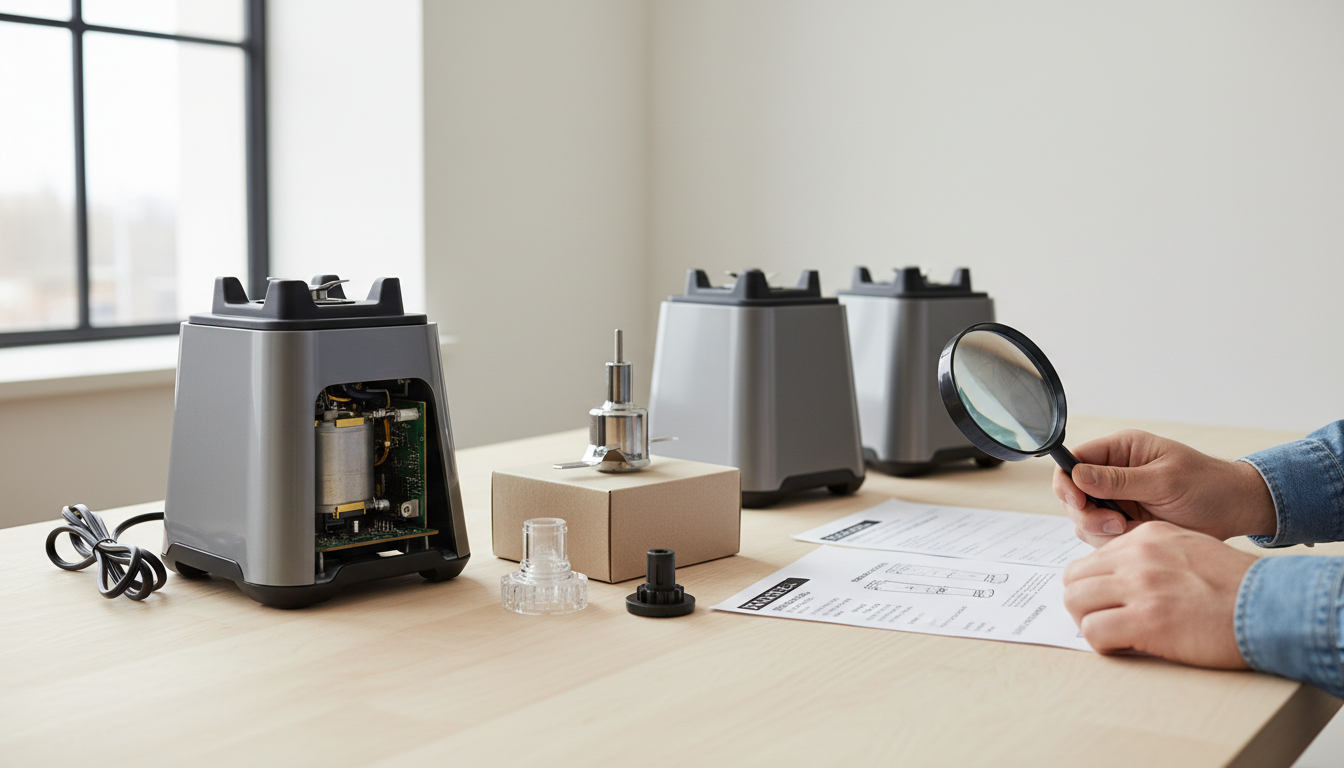
Is Your Ninja Blender Base Failing? Why the Right Replacement Matters
A malfunctioning Ninja blender base can quickly halt your kitchen routine, turning a powerful appliance into a frustrating countertop fixture. Common issues like unusual grinding noises, persistent leaks from the bearing assembly, or a motor that no longer engages the blade can indicate that the base is failing. These problems often stem from wear and tear on internal components or stripped motor fins, impacting the blender's ability to process ingredients effectively and safely.
Rather than discarding your entire appliance, replacing the base is often a practical and cost-effective solution. This approach extends the lifespan of your existing blender, saving you the expense of purchasing a completely new unit. Opting for a quality replacement ensures your blender can return to peak performance, handling everything from smoothies to sauces without compromise.
This guide will help you navigate the complexities of finding the right replacement part. We'll cover critical aspects such as ensuring compatibility with your specific Ninja model, evaluating the quality and durability of available options, and identifying common pitfalls to avoid. Our goal is to equip you with the criteria needed to make an informed decision, ensuring a lasting repair.
Understanding Your Ninja Blender Base: Causes of Failure and Identification
The base of your Ninja blender houses the critical components that power its blending action. Understanding these parts and their common points of failure is essential for diagnosing issues and selecting the correct replacement. At its core, the base integrates a powerful motor, a series of gears or couplings to transfer power, protective seals to prevent liquid ingress, and a durable housing that encases everything and connects to the blending vessel.
Over time, or due to heavy use, several issues can compromise the base's functionality:
- Bearing Wear: The bearings supporting the motor shaft can degrade, leading to increased friction, loud grinding noises, and eventually preventing the motor from spinning freely.
- Seal Leakage: Seals, particularly around the blade assembly's connection point to the motor shaft, can wear out or crack. This allows liquids to seep into the motor housing, potentially causing corrosion, electrical shorts, or motor burnout.
- Motor Burnout: Prolonged overloading, liquid damage, or electrical faults can cause the motor to overheat and fail entirely, resulting in a non-functional blender.
- Gear Stripping: The drive gears or couplings that transmit power from the motor to the blade assembly can strip. This often occurs when blending overly tough ingredients, or if there's a manufacturing weakness in the gear material, leading to the motor running without engaging the blades.
Before considering any replacement parts, the single most critical step is to accurately identify your specific Ninja blender model. Ninja produces a wide range of blenders, from compact personal models to large professional systems, and their parts are often not interchangeable. A base designed for a BL770 model, for instance, will not fit a BL480 or a BN801. Using an incompatible part can lead to further damage, safety hazards, or simply not function as intended.
To find your Ninja blender's model number:
- Look for a label or sticker on the bottom of the blender base.
- Check the back of the base, near where the power cord attaches.
- Sometimes, the model number can be found on the original packaging or manual.
This number, typically a combination of letters and numbers (e.g., BL642, BN750), is your key to finding compatible and durable replacement parts, ensuring your repair is both effective and long-lasting.
Essential Criteria for Selecting a Durable Ninja Blender Base Replacement
Choosing a replacement base for your Ninja blender involves more than just finding a part that looks similar. To ensure a lasting repair and restore your blender's full functionality, a systematic evaluation of key criteria is crucial. This checklist helps you navigate the options, focusing on compatibility, material integrity, and performance alignment.
-
Model-Specific Compatibility The most critical factor is ensuring the replacement base is an exact match for your specific Ninja blender model. Ninja produces numerous blender series and models, each with distinct dimensions, coupling mechanisms, and power requirements.
- Locate Your Model Number: Always verify the precise model number, typically found on a label affixed to the bottom of your existing blender base. Do not rely solely on visual resemblance.
- Consequences of Mismatch: An incompatible base may not physically fit, fail to engage the blending vessel correctly, or could even damage other components if forced.
-
Material Quality and Durability The longevity of a replacement base heavily depends on the quality of its construction materials, particularly for internal components prone to wear.
- Internal Gears and Bearings: Prioritize parts that feature robust materials for drive gears, ideally metal over plastic where applicable, as these are critical for power transfer and often a point of failure. High-quality bearings are essential to prevent the grinding noises and premature failure reported by users.
- Housing and Seals: The external housing should be made from durable, impact-resistant plastic. Crucially, inspect the quality of any integrated seals; these prevent liquid from entering the motor housing, which can lead to corrosion and electrical issues.
-
Wattage and Power Output The motor within the replacement base must align with the original blender's power specifications to maintain performance and prevent operational issues.
- Match Original Specifications: Check the wattage (W) or horsepower (HP) rating of your original blender base and ensure the replacement matches these figures. This information is usually on the same label as the model number.
- Performance and Safety: A base with lower wattage may struggle with tough ingredients, leading to overheating or inefficient blending. Conversely, a significantly higher wattage might not be compatible with your existing blending vessels or could pose other operational risks.
-
Manufacturer (OEM) vs. Third-Party Parts You will encounter options from the original equipment manufacturer (OEM) and various third-party producers. Each comes with distinct trade-offs.
- OEM Parts: These are made by Ninja and are generally guaranteed to offer an exact fit, consistent quality, and reliability. They often come with a higher price point.
- Third-Party Parts: These can be more affordable and widely available. However, their quality and precise fit can vary significantly. Some third-party parts may use less durable materials, leading to issues like early bearing failure or leaks, which users frequently report as problems with replacement parts. Carefully review product details and available feedback to gauge reliability.
-
Ease of Installation Consider the complexity of replacing the base yourself versus seeking professional assistance.
- DIY Feasibility: Some Ninja blender base replacements are designed for relatively straightforward installation, requiring basic tools and a clear understanding of the process.
- Technical Skill: More complex replacements might involve intricate wiring or component disassembly. Assess your comfort level and technical skills before committing to a DIY replacement.
Navigating the Risks: Avoiding Common Pitfalls with Replacement Bases
Replacing your Ninja blender base can be a cost-effective solution, but navigating the market for replacement parts comes with significant risks. Choosing a subpar or incompatible base can lead to further frustration, potential damage to your appliance, and even safety concerns. Understanding these pitfalls is crucial for making an informed and lasting repair.
-
Premature Failure and Recurring Issues Opting for a low-cost or unverified replacement base often leads to a short-lived repair. Poor quality materials or manufacturing can result in components that quickly wear down. Common indicators of premature failure include:
- Excessive Noise: Bearings, if made from inferior materials, can degrade rapidly, causing loud grinding or squealing sounds. Evidence suggests some replacements become "unbearably loud" within months.
- Leakage: Seals that are not properly designed or made from durable materials can fail, allowing liquid to seep into the motor housing. This not only creates a mess but can damage internal electrical components.
- Bearing Failure: As seals fail, water can contaminate bearings, leading to rust and complete seizure, rendering the base inoperable. In essence, a cheap replacement might save money upfront but often necessitates repeat purchases, costing more in the long run.
-
Incompatibility Challenges A common trap for buyers is selecting a replacement base that "almost fits" their Ninja model. Even slight discrepancies in design can have significant consequences:
- Improper Fit: A base that doesn't perfectly align with your blending jar can lead to an unstable connection, inefficient blending, or even prevent the blender from activating.
- Component Damage: Mismatched motor couplings or blade assemblies can cause stripping of gears in either the new base or your existing blade attachment. This can damage both the replacement part and other functional components of your blender.
- Performance Degradation: An ill-fitting base might not deliver optimal power transfer, leading to weaker blending performance and increased strain on the motor.
-
Voiding Manufacturer Warranties If your Ninja blender is still under its original manufacturer's warranty, using non-Original Equipment Manufacturer (OEM) or unauthorized third-party replacement parts could void that warranty. Manufacturers typically specify that repairs or parts not approved by them will nullify any remaining coverage. Always review your blender's warranty terms before purchasing third-party components if this is a concern.
-
Safety Implications Unverified or poorly manufactured replacement bases can pose genuine safety risks. Electrical components that do not meet safety standards can lead to overheating, short circuits, or even fire hazards. Mechanically, parts made from weak plastics or metals could break during operation, potentially causing injury or further damage to the appliance. Prioritizing parts from reputable sources helps mitigate these potential dangers.
Beyond the Purchase: Installation Tips and Maintaining Your New Base
Once you've selected and received your replacement Ninja blender base, proper installation and ongoing care are crucial for ensuring its longevity and optimal performance. While replacing the entire base unit is generally straightforward, understanding a few key practices can prevent common issues and extend its operational life.
Installing Your New Blender Base
The process of integrating a new blender base into your setup typically involves minimal steps, prioritizing safety and correct engagement.
- Prioritize Safety First: Always ensure your blender is unplugged from the power outlet before handling any components. This prevents accidental activation and reduces electrical risk.
- Position and Secure: Place the new blender base on a stable, flat surface. Then, carefully align and seat your existing blender pitcher onto the new base. Most Ninja models feature a specific interlocking mechanism; listen for a click or feel it firmly engage to confirm it's correctly secured. Operating the blender with a loosely seated pitcher can cause wear to the drive coupling.
- Initial Test Run: Before blending ingredients, perform a brief test run with just water. This allows you to check for any unusual noises, vibrations, or leaks, confirming the new base is functioning as expected.
Extending the Lifespan of Your New Base
Proactive care can significantly impact the durability of your replacement base, mitigating common failure points observed in blender components.
- Mindful Cleaning: The blender base houses electrical components and should never be submerged in water. Instead, wipe down the exterior with a damp cloth immediately after spills. For the drive coupling, use a small brush or cloth to remove any food residue that could interfere with the pitcher's connection.
- Avoid Overloading: Exceeding the blender's maximum capacity or attempting to process overly tough, frozen, or dense ingredients without sufficient liquid can strain the motor and drive coupling. This stress can accelerate wear on internal gears and bearings, leading to premature failure.
- Correct Component Assembly: Always ensure the blade assembly (if removable from the pitcher) and the pitcher itself are correctly aligned and securely locked onto the base before starting the blender. Misalignment or loose components can cause grinding, damage to the drive mechanism, or leaks that can compromise the base's internal workings.
When to Consider Professional Assistance
While many base replacements are DIY-friendly, certain situations warrant professional evaluation to ensure safety and effective repair.
- Complex Internal Issues: If your new base exhibits problems that suggest internal motor or wiring faults, or if you suspect the issue lies beyond a simple external component replacement, professional diagnosis is advisable. Attempting to repair complex internal electrical systems without expertise can be hazardous.
- Uncertainty or Discomfort: If you are unsure about any step of the installation process, or if you feel uncomfortable handling electrical appliances, seeking assistance from a qualified appliance repair technician is a safer alternative.
- Persistent Problems: If the replacement base quickly develops issues similar to the original, it might indicate an underlying problem with your blending habits or other components (like the pitcher or blade assembly) that could benefit from a professional assessment.
Your Decision Path: Choosing the Right Ninja Blender Base Replacement
Selecting a replacement base for your Ninja blender requires a systematic approach to ensure you invest in a solution that lasts. With the understanding of common failure points and the importance of specific parts, your final decision hinges on a few critical questions and considerations.
To confidently select the right part, ask yourself:
- What is my exact Ninja blender model number? This is the single most important piece of information. The model number, typically found on a label underneath the base, dictates precise compatibility for the motor coupling, housing dimensions, and power specifications. An incorrect model match can lead to parts that don't fit, don't function, or even damage your blender.
- What specific part of the base is compromised? Is it the motor coupling that stripped, the internal gears, or the entire motor housing due to liquid ingress? While some issues may necessitate a full base replacement, understanding the root cause helps evaluate if a more targeted repair is feasible or if a complete unit is the only viable path.
- What are the material specifications and construction quality of the replacement? Given that issues like stripped motor fins and bearing failures stem from material durability, prioritize replacements that emphasize robust construction. Look for descriptions that detail high-grade plastics, durable metals for couplings, and effective sealing mechanisms.
When evaluating options, prioritize model compatibility and proven durability above all else. While a lower price might be tempting, a subpar replacement can quickly lead to recurring issues, negating any initial savings. Users often report premature failures with parts made from inferior materials, leading to repeated replacement cycles.
Finally, consider the trade-offs between Original Equipment Manufacturer (OEM) parts and high-quality third-party alternatives:
- OEM Parts: These are manufactured by or for Ninja, offering the highest assurance of perfect fit, consistent quality, and adherence to original specifications. They typically come at a higher price point but minimize compatibility risks and often provide peace of mind regarding performance and longevity.
- High-Quality Third-Party Options: These can offer a more budget-friendly alternative. However, the market varies significantly in quality. When considering third-party, seek out options with clear compatibility statements, positive user reviews specifically mentioning durability and fit, and transparent material descriptions. Avoid generic or unbranded parts with vague descriptions, as these carry a higher risk of incompatibility or rapid wear.
By methodically addressing these points, you can navigate the replacement market with confidence, ensuring your Ninja blender is restored with a reliable and lasting solution.
Common Questions About Ninja Blender Base Replacements
When your Ninja blender's base encounters issues, a range of questions can arise regarding diagnosis, compatibility, and the quality of replacement parts. Addressing these common concerns can help clarify your options and guide you toward a successful repair.
-
Can I use a different wattage base for my Ninja blender? It is generally not advisable to use a blender base with a different wattage than your original Ninja model. Blenders are engineered with specific power requirements that match their motor, blade assembly, and overall design. Using a lower wattage base might result in insufficient power for blending, leading to poor performance or motor strain. Conversely, a higher wattage base could potentially stress or damage other components not designed to handle the increased power, or even pose a safety risk if not properly integrated. Always aim to match the wattage specified for your exact Ninja blender model.
-
How do I know if my blender base is truly broken or if it's another part? Distinguishing between a faulty base and issues with other components, like the blade assembly, is crucial for an accurate repair.
- Signs of a base issue: The motor does not turn on, emits a burning smell, produces grinding noises directly from the base, or shows signs of power failure (e.g., lights not illuminating). If the motor coupling (the part on the base that engages the blade) appears stripped or damaged, it's likely a base problem.
- Signs of a blade assembly issue: The motor runs, but the blades themselves do not spin, or you notice leaks from around the blade unit when blending. If the gear on the blade assembly that connects to the base is stripped, the motor may spin freely without engaging the blades. In some cases, a failing bearing within the blade assembly can also cause loud noises or leaks.
-
Are all '7-fin' or '6-fin' bases compatible with each other? No, the number of fins (6 or 7) primarily indicates the configuration of the blade assembly that connects to the base, not universal base compatibility. While crucial for selecting the correct blade, it does not guarantee that any 7-fin base will fit any 7-fin blade assembly or blender jar. Ninja produces numerous models, and even within the same fin count, there can be variations in the base's diameter, thread pattern, and the exact design of the motor coupling. Always verify compatibility by matching the specific model number of your Ninja blender with the replacement part.
-
What should I do if my new replacement base is louder than the original? A new replacement base that operates significantly louder than the original can be a cause for concern. While some new motors might have a brief "break-in" period where they are slightly more audible, persistent or excessive noise often points to underlying issues.
- Potential causes: This can indicate lower-quality internal components, such as bearings that are not adequately sealed or lubricated, which can degrade quickly and lead to increased friction and noise. Some users report that aftermarket parts can become excessively loud or fail prematurely due to bearing issues.
- Action: Ensure the blender cup and blade assembly are properly seated and secured to the new base. If the noise persists or intensifies, consider contacting the seller or manufacturer of the replacement part. It may indicate a defect or a component that will not offer the durability of the original.
Restore Your Blender: Confidence in Your Replacement Choice
Successfully replacing your Ninja blender base hinges on an informed decision. By understanding the critical factors of model compatibility, material durability, and common failure points, you are now equipped to navigate the options with confidence. This guide has provided the criteria to assess replacement parts, ensuring your selection addresses the specific needs of your appliance.
You possess the knowledge to identify suitable replacements, avoiding pitfalls like incorrect fit or premature wear. Applying this understanding allows you to make a choice that leads to a functional and long-lasting repair. Taking this careful approach not only restores your blender's performance but also extends the overall lifespan of your appliance, keeping it a reliable tool in your kitchen for years to come.
More in Blender Replacement Parts
View All
Osterizer 14-Speed Blender Replacement Parts: Keeping Your Vintage Blender Running
Braun Immersion Blender Replacement Parts: Essential for Hand Blending Tasks