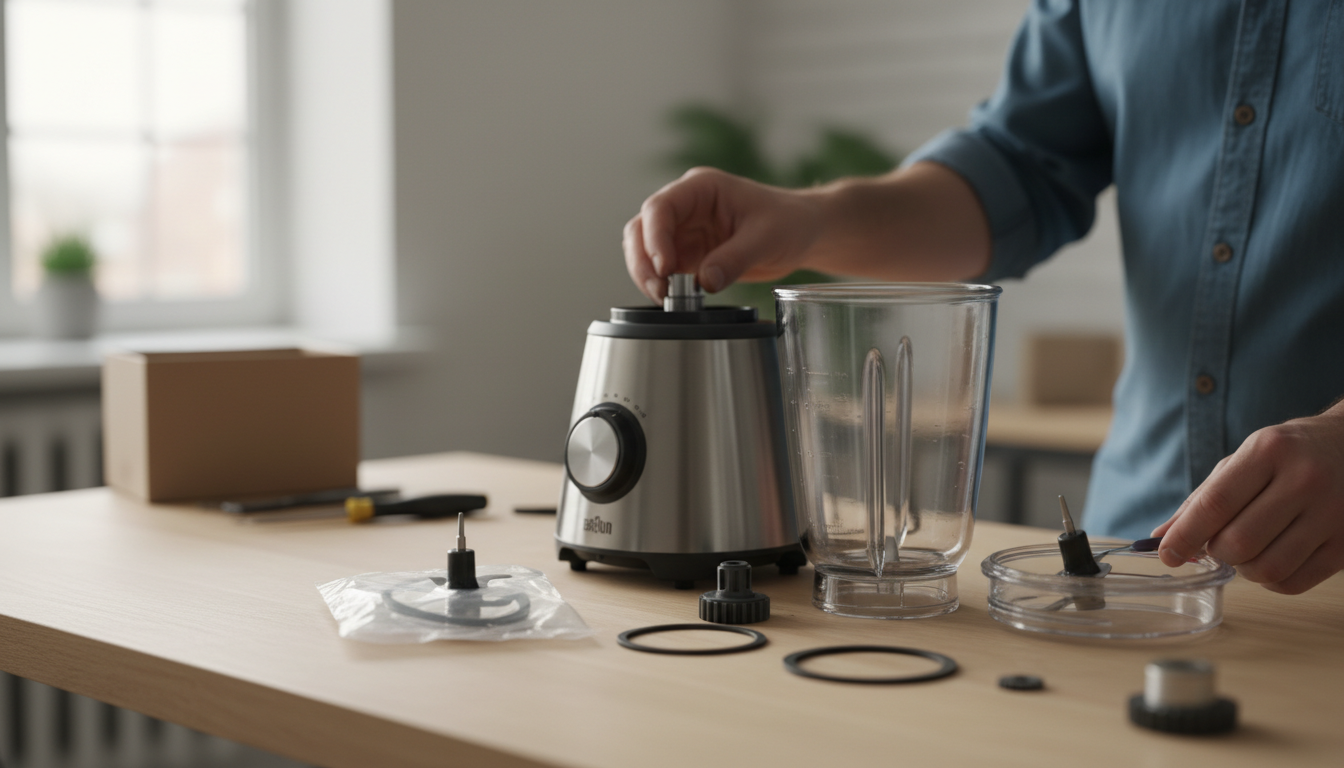
Beast Blender Replacement Parts: A Comprehensive Guide to Maintaining Your High-Performance Device
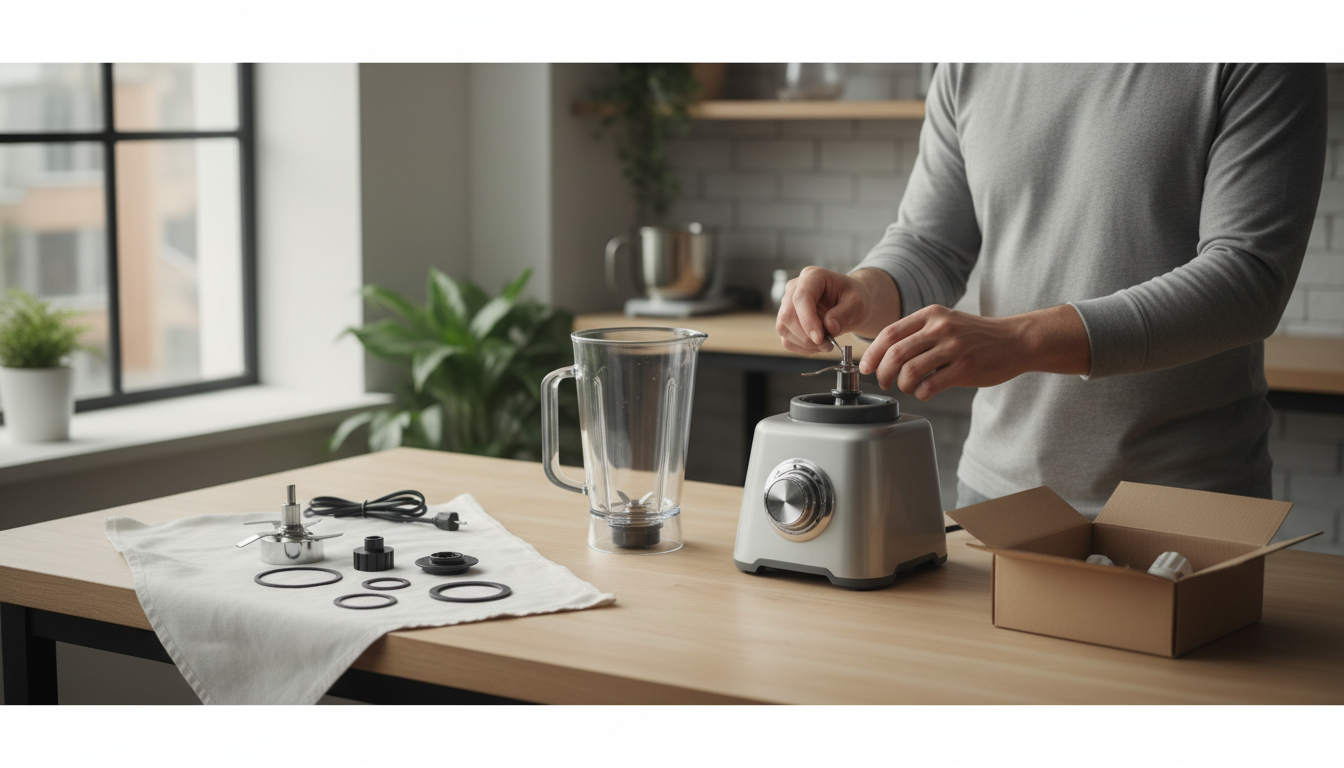
Revitalize Your Beast: The Essential Guide to Replacement Parts
Few things disrupt a healthy routine like a malfunctioning kitchen appliance, especially a high-performance personal blender like your Beast. Designed for efficiency with premium materials and smart technology, your Beast blender is an investment in consistent, quality blends. However, even the most robust components can experience wear and tear, accidental damage, or develop leaks over time, necessitating a replacement.
Common reasons Beast blender parts might need replacing include:
- Wear and Tear: Seals can degrade, blades can dull, or blending vessels may show signs of stress from regular use.
- Accidental Damage: Drops or impacts can crack vessels or affect blade assembly integrity.
- Leaks: Compromised seals or cracks often lead to spills, indicating a need for new parts.
This guide is crafted to empower you, a Beast blender owner, to confidently navigate the process of finding and selecting the precise replacement parts for your specific model. Our goal is to equip you with the knowledge to make informed purchasing decisions, ensuring your device continues to deliver optimal performance and extends its useful life without compatibility headaches.
Understanding Your Beast Blender Model: The Key to Compatibility
Selecting the correct replacement part for your Beast blender hinges entirely on accurately identifying your specific model. Unlike some appliances with universal components, Beast blenders often feature distinct designs and power requirements across their product line, meaning parts are rarely interchangeable. Attempting to use a part designed for one model on another can lead to poor performance, damage, or even render your device unusable.
To ensure a precise fit and restore your blender's functionality, begin by locating your model number. This information is typically found:
- On the underside of the motor base.
- On the original product packaging.
- Within the user manual that came with your device.
For instance, the B10 Performance Blade is specifically engineered to fit the original Beast® B10 Blender and the 1200W Beastmode Blender. It is explicitly not compatible with other models, such as the Beast Mini 600 Blender, the Beast Mighty 850 Blender, or the Beast Mega 1200 Blender. This illustrates the strict compatibility requirements within the brand's ecosystem.
Purchasing an incompatible part carries several risks:
- Non-Functionality: The part may not fit physically or connect electrically, preventing the blender from operating.
- Reduced Performance: Even if it seems to fit, an incorrect blade or vessel might not align properly, leading to inefficient blending, leaks, or increased wear on the motor.
- Device Damage: Forcing an incompatible part can strip threads, crack plastic components, or strain the motor, potentially causing irreparable damage to your blender.
- Safety Hazards: Misaligned or improperly fitting parts can create unstable conditions during operation, posing a safety risk.
- Wasted Investment: An incompatible part represents a financial loss, as it cannot be used and may not be returnable.
Always cross-reference the part's compatibility information with your exact blender model number before making a purchase. This diligence helps safeguard your device's performance and longevity.
Common Beast Blender Components and Their Functions
Maintaining a Beast blender often involves understanding the specific role of each component and recognizing when it might require replacement. Unlike some conventional blenders, Beast devices are designed with particular attention to material quality and precise fit, making informed part selection crucial for sustained performance. Identifying the function and common failure points of frequently replaced parts empowers owners to address issues effectively.
-
Blade Assemblies The blade assembly is the primary component responsible for processing ingredients. Beast blenders, such as those compatible with the B10 Performance Blade, often feature specialized designs intended for efficient pulverization and smooth blending. Different Beast models may utilize distinct blade configurations, each engineered for specific power outputs and vessel shapes.
- Function: To cut, chop, and emulsify ingredients through rapid rotation.
- Common Failure Points: Dullness from abrasive ingredients, bearing wear leading to increased noise or leaks, and damage to the coupling mechanism that connects to the motor base.
- Selection Insight: Compatibility is paramount; a blade assembly designed for one Beast model (e.g., B10 or 1200W Beastmode) will not function correctly or safely with another (e.g., Mini 600 or Mighty 850).
-
Blending Vessels/Jars These containers hold your ingredients during the blending process. Beast blending vessels are often constructed from materials like premium Tritan™, chosen for its durability, resistance to impact, and clarity. This material choice is critical for maintaining structural integrity and preventing deformation over time, which could compromise the seal with the blade assembly.
- Function: To contain ingredients and direct flow during blending, often featuring internal ribs for optimal vortex creation.
- Common Failure Points: Cracks from impact or stress, clouding from prolonged use or harsh cleaning, and wear on the threads or locking tabs that secure it to the base.
- Selection Insight: Ensure the replacement vessel matches your blender model's capacity and base attachment mechanism. Material quality directly impacts longevity and safety.
-
Gaskets and Seals Gaskets and seals are small but critical components, typically found within the blade assembly or between the vessel and the base. Their integrity is vital for preventing leaks and maintaining the necessary pressure or vacuum during operation.
- Function: To create a watertight and airtight seal, protecting the motor from liquid ingress and ensuring efficient blending without spills.
- Common Failure Points: Hardening, cracking, stretching, or tearing due to age, chemical exposure (e.g., from certain foods or cleaning agents), or repeated compression.
- Selection Insight: Even minor damage to a gasket can lead to significant leaks. Replacements must be an exact fit to restore the seal effectively.
-
Base Unit Couplings While less frequently replaced than blades or vessels, the coupling mechanism on the motor base can sometimes require attention. This component is responsible for transferring rotational power from the motor to the blade assembly.
- Function: To mechanically link the motor's drive shaft to the blade assembly, allowing for power transmission.
- Common Failure Points: Stripped gears or worn teeth on either the base coupling or the blade assembly coupling, often resulting from overloading the blender or improper assembly.
- Selection Insight: Damage to this part often manifests as the motor running but the blades not spinning. Replacement typically involves identifying the specific coupling type for your Beast model's motor base.
Key Considerations for Selecting Authentic Beast Replacement Parts
When your Beast blender requires a replacement part, focusing on authenticity and quality is crucial to maintaining its high performance and extending its lifespan. The market may present various options, but a discerning approach ensures your investment continues to deliver.
-
Prioritize Genuine Beast Health Parts Original Equipment Manufacturer (OEM) parts, directly from Beast Health, are engineered to precise specifications for your device. These parts guarantee compatibility, optimal performance, and adherence to the brand's quality standards. While alternative parts might appear more economical initially, they can introduce risks such as improper fit, diminished blending efficiency, or accelerated wear on other components. Opting for genuine parts helps preserve the integrated design and functionality of your Beast blender.
-
Scrutinize Material Quality and Durability The integrity of replacement parts directly impacts both performance and longevity. Beast Health emphasizes premium materials in its construction. For blending vessels, materials like extra-thick Tritan™ are used to resist deformation over time, which is critical for maintaining a secure seal with the blade assembly and preventing leaks. Similarly, the blade construction should be robust, designed to withstand intense blending cycles and manage temperature effectively. A high-quality blade is essential for consistent results and preventing motor strain.
-
Verify Model-Specific Fitment As previously discussed, confirming the exact compatibility of a replacement part with your specific Beast blender model is non-negotiable. Beast blenders, such as the B10 and Beastmode 1200W, have distinct requirements. Always cross-reference the part number and compatibility information provided by Beast Health against your blender's model number. This step prevents the common pitfalls of purchasing an incompatible item, which can lead to operational issues or damage.
-
Understand the Trade-offs Between Cost and Quality The decision to purchase a replacement part often involves weighing the initial cost against long-term value. Genuine Beast Health parts, while potentially representing a higher upfront investment, offer assurance of fit, performance, and durability. This can translate to fewer issues, consistent blending results, and a longer operational life for your appliance. Conversely, choosing lower-cost, unverified alternatives might lead to repeated replacements, compromised performance, or even damage that negates any initial savings.
Maximizing the Lifespan of Your New Beast Blender Parts
Once you've acquired the correct replacement parts for your Beast blender, their longevity largely depends on consistent care and proper handling. Implementing best practices for cleaning, assembly, and use can significantly extend the life of these components, ensuring your blender continues to perform optimally.
Diligent Cleaning and Upkeep
Routine cleaning prevents residue buildup and maintains the integrity of your parts.
- Prompt Cleaning: After each use, disassemble and clean parts immediately. Food residue, especially from thicker blends, can dry and become harder to remove, potentially staining or compromising seals over time.
- Hand Washing: For most components, warm water and mild dish soap are effective. Use a soft brush to clean around blades and inside crevices. Pay attention to gaskets and seals, ensuring no food particles are trapped, which can lead to leaks.
- Machine Washing: Some Beast blender components, such as the blending vessels and blade attachment, may be top-rack dishwasher safe. Always consult the specific care instructions for your replacement part to confirm dishwasher compatibility. High heat or improper placement in a dishwasher can warp plastic or degrade seals.
- Thorough Drying: Ensure all parts are completely dry before reassembling or storing. Air drying is often best to prevent moisture traps that can lead to odors or bacterial growth.
Precise Assembly and Disassembly
Correctly attaching and detaching parts is crucial to prevent mechanical stress and damage.
- Gentle Alignment: When attaching the blade assembly to a vessel, ensure the threads are perfectly aligned before twisting. Forcing misaligned parts can strip threads, leading to an insecure fit and potential leaks.
- Secure, Not Overtight: Twist the blade assembly onto the vessel until it feels snug and secure. Excessive force can crack the vessel, deform the gasket, or strain the blade mechanism. A properly tightened blade should prevent leaks without requiring extreme effort to remove.
- Careful Disassembly: When detaching, twist counter-clockwise with firm, even pressure. Avoid sudden jerks or using tools that could scratch or damage the plastic. If a part feels stuck, ensure there's no vacuum seal or dried residue preventing its release.
- Inspect Seals: Before each use, quickly inspect the rubber gaskets and seals for any signs of wear, tears, or displacement. A compromised seal is a primary cause of leaks and should be addressed immediately.
Avoiding Premature Wear
Certain habits can inadvertently shorten the lifespan of your blender parts.
- Respect Fill Lines: Overfilling blending vessels can strain the motor, increase internal pressure, and put undue stress on the blade assembly and seals, potentially leading to leaks or component fatigue. Adhere to the maximum fill lines indicated on your vessel.
- Manage Hot Ingredients: Blending very hot liquids can create pressure buildup within the sealed vessel, which may cause seals to fail or even lead to sudden expulsion of contents. Allow hot ingredients to cool slightly before blending.
- Limit Continuous Blending: Running the blender for extended periods without breaks can overheat the motor and stress the blade bearings. Utilize the pulse function or blend in shorter intervals, especially for tougher ingredients, to give components a chance to cool.
- Avoid Non-Food Items: Using your blender for non-food items or extremely hard, dry ingredients (like whole spices without liquid) can dull the blades, strain the motor, and potentially crack vessels.
- Prevent Drops and Impacts: While Beast vessels are made from durable materials like Tritan™, dropping them or subjecting them to hard impacts can still cause cracks or damage to the precise fitting points, compromising their seal and structural integrity.
Troubleshooting Common Issues with Beast Blender Parts
Even with high-performance devices, certain operational issues can arise, sometimes indicating a need for replacement parts or a deeper diagnostic. Understanding these common problems can help you determine the appropriate course of action, whether it's a simple adjustment or sourcing a new component.
-
Leaks and Poor Seals If you notice liquid escaping during blending, inspect the blade assembly and vessel for the source. Leaks often stem from a gasket that is worn, improperly seated, or a blending vessel that has deformed over time. Premium vessels are designed to resist this, but consistent high-impact use can still cause wear. Ensure the gasket is clean and perfectly aligned before tightening the blade assembly onto the vessel, and that the vessel is securely twisted onto the base.
-
Ineffective Blending or Grinding When your Beast blender struggles to achieve its usual smooth consistency, or leaves larger chunks, the blade's condition is a primary suspect. Over time, even durable blades can dull or sustain minor damage.
- Blade Sharpness: If ingredients are consistently chunky or blending takes longer than usual, consider inspecting the blade for signs of wear or dullness.
- Motor Connection: Confirm that the vessel and blade assembly are firmly twisted onto the base. A loose connection can impede proper power transfer to the blades, reducing blending efficiency.
-
Difficulty Detaching Vessels from the Base This is a recognized user concern, where the vessel can become tightly secured to the motor base.
- Ensure the blending cycle has fully completed and the motor has come to a stop.
- Apply firm, steady counter-clockwise pressure, avoiding excessive force that could damage the connection.
- Check for any dried residue or debris around the connection points that might be causing it to stick.
-
Overheating or Motor Strain While the Beast blender is designed with temperature monitoring to prevent overheating, persistent motor strain or frequent automatic shutdowns can signal underlying issues. If new, compatible replacement parts (like a blade assembly or vessel) don't resolve performance issues, and the motor still struggles with typical loads, it might indicate a deeper problem within the base unit itself. Signs include unusual noises, a burning smell, or the unit shutting off prematurely. In such cases, consulting the manufacturer's support is advisable to diagnose potential internal component wear.
Frequently Asked Questions About Beast Blender Replacement Parts
Understanding the nuances of your Beast blender and its components can significantly extend its lifespan and maintain peak performance. Here are answers to common questions Beast blender owners have about replacement parts.
-
What Beast blender models are there, and how do I find my model number? Beast Health produces several blender models, including the original Beast® B10 Blender, the 1200W Beastmode Blender, Beast Mini 600 Blender, Beast Mighty 850 Blender, and Beast Mega 1200 Blender. Each model often requires specific parts due to design variations. To find your model number, check the underside of the motor base, the original product packaging, or your user manual. This number is crucial for identifying compatible replacement parts.
-
Are third-party Beast blender parts safe to use? Using third-party parts introduces variables that genuine parts typically avoid. While some third-party options exist, their safety and performance can vary. Genuine Beast blending vessels, for example, are made from premium materials like extra-thick Tritan™ to prevent deformation and ensure a proper seal. Third-party alternatives might use different materials or manufacturing standards, potentially leading to:
- Suboptimal fit, compromising seals and causing leaks.
- Reduced durability or material integrity.
- Potential voiding of your blender's warranty.
- Unknown safety certifications for food contact. For assured compatibility and quality, genuine manufacturer parts are generally recommended.
-
How do I prevent leaks in my Beast blender? Leaks often stem from issues with the blending vessel or blade assembly seal. To prevent them:
- Inspect the Vessel: Check your blending vessel for any signs of deformation, cracks, or damage, as this can compromise the seal with the blade assembly.
- Tighten Blade Assembly: Ensure the blade assembly is securely twisted onto the vessel before attaching it to the motor base. An insufficiently tightened blade can lead to spills.
- Check Gasket/Seal: Examine the rubber gasket or seal within the blade assembly for wear, tears, or displacement. A damaged or improperly seated gasket is a common cause of leaks and may require replacement.
-
Why is my Beast blender difficult to detach from the base? Some users have reported difficulty detaching the blending vessel from the motor base, occasionally leading to accidental twisting open of the vessel itself. This can be particularly challenging for individuals with wrist pain or arthritis. When detaching, ensure you are applying firm, even pressure to twist the vessel from the base, rather than twisting the vessel itself, which could unscrew the blade assembly. If the issue persists, ensure the base and vessel contact points are clean and free of debris that might create friction.
-
How often should I replace my Beast blender blade? There's no fixed timeline for blade replacement, as it depends heavily on usage frequency and what you blend. Consider replacing your blade assembly if you notice:
- Dullness: Ingredients are no longer blended smoothly, requiring longer blend times or leaving chunks.
- Damage: Visible nicks, bends, or cracks on the blades.
- Bearing Issues: The blade spins less freely, makes unusual noises, or leaks from the bottom of the assembly, indicating worn bearings. Regular inspection for these signs can help you determine the optimal replacement time.
-
Can I put Beast blender parts in the dishwasher? Many Beast blender components, such as the blending vessels and the blade attachment, are designed to be machine-washable, typically on the top rack of a dishwasher. However, always consult your specific Beast blender model's user manual for definitive cleaning instructions for all parts. The motor base should never be submerged in water or placed in a dishwasher.
Making an Informed Decision and Keeping Your Beast Blending Strong
Deciding whether to replace a specific part or consider a new appliance involves weighing several factors unique to your Beast blender's situation. Given the initial investment in a high-performance device, maintaining it with appropriate replacement parts often presents a cost-effective and sustainable solution compared to premature full unit replacement.
Consider these points when evaluating your options:
- Extent of Damage: For minor wear, such as a worn gasket, a chipped blending vessel, or a dull blade assembly, replacing the specific component is usually the most logical step. These are common wear-and-tear items that don't indicate a fundamental flaw in the motor base.
- Cost Analysis: Compare the price of the necessary replacement part(s) against the cost of a brand-new Beast blender. If the part cost is a small fraction of a new unit, replacement is often the prudent choice. However, if multiple major components are failing simultaneously, or if the motor base itself is compromised, a new blender might be more economical in the long run.
- Age and Warranty: Factor in the age of your blender. While Beast blenders are designed with premium materials for durability, older units might experience more widespread wear. Check if any components are still under warranty, which could reduce replacement costs.
- Performance Impact: Assess how the damaged part affects your blending experience. A new blade assembly can restore optimal blending efficiency, while a new vessel prevents leaks and maintains a secure seal, ensuring your device performs as intended.
Before finalizing any purchase, a quick verification can prevent common pitfalls and ensure you acquire the correct item:
- Confirm Your Model Number: Double-check the exact model number of your Beast blender, typically found on the base. This is the single most critical piece of information for compatibility.
- Verify Part Compatibility: Cross-reference the part's listed compatibility with your blender's model. As noted, a B10 Performance Blade, for example, is not universally compatible across all Beast blender models.
- Check for Authenticity/Reputability: Ensure you are purchasing from a reputable source to guarantee the quality and authenticity of the replacement part. This helps avoid issues with fit, function, and material integrity.
Investing in quality replacement parts extends the functional life of your Beast blender, allowing you to continue enjoying its consistent performance and design. By making informed choices, you not only save resources but also contribute to reducing electronic waste. Properly maintained, a high-performance appliance like the Beast blender can serve your needs effectively for years, proving the value of thoughtful upkeep.
More in Blender Replacement Parts
View All
Braun Hand Blender Replacement Parts: Essential for Immersion Blending Tasks
Finding the Right Immersion Blender Replacement Parts: A Compatibility Guide