Bullet Blender Replacement Parts: A Guide to Keeping Your Compact Blender Running
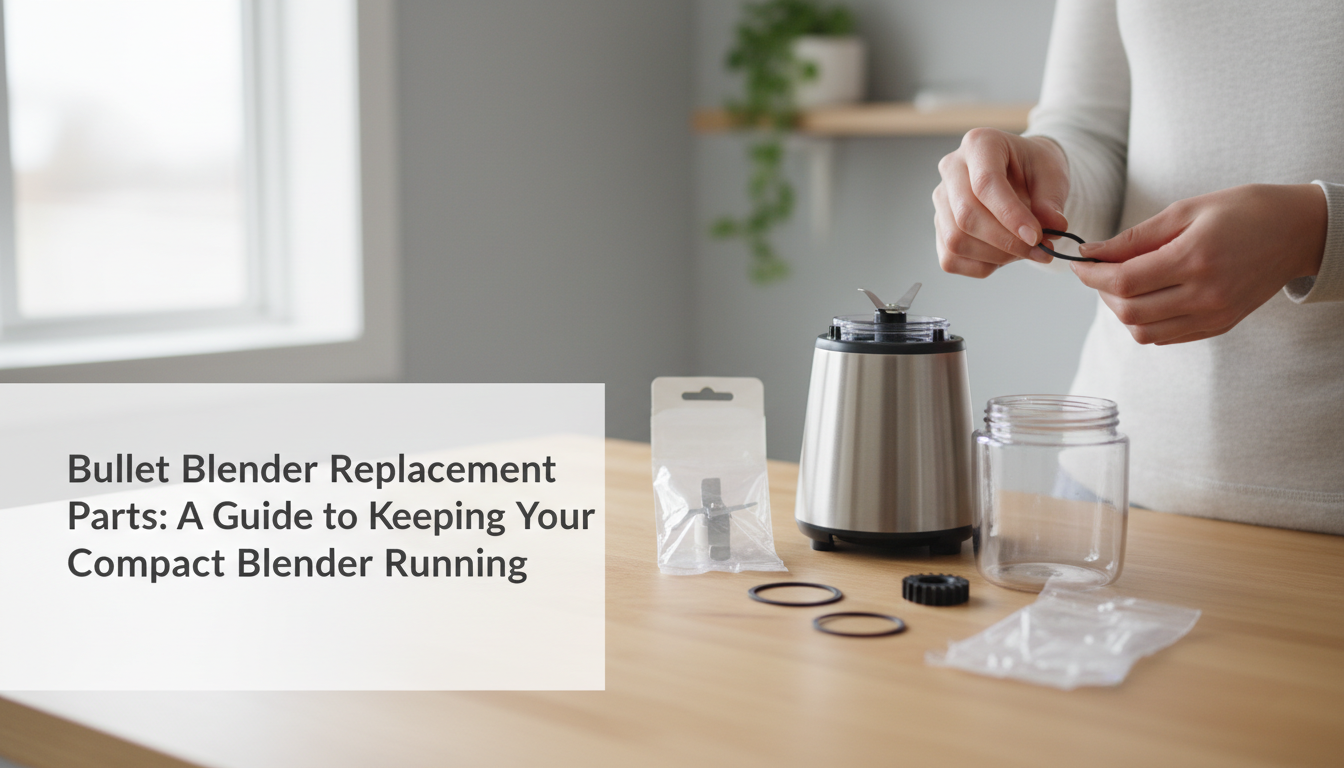
Extend Your Bullet Blender's Life: A Guide to Replacement Parts
Bullet blenders have become a staple in many kitchens, prized for their compact size, powerful blending capabilities, and ease of use in preparing smoothies, sauces, and more. Their convenience, however, means frequent use, which inevitably leads to wear and tear on components. Blades can dull, gaskets can degrade, and cups can crack over time, affecting performance and even safety.
Rather than discarding a perfectly good motor base, replacing worn parts offers a smart, sustainable, and cost-effective alternative. Repairing your appliance not only saves money compared to purchasing a new unit but also reduces electronic waste, contributing to a more environmentally friendly household.
This guide will equip you with the knowledge to confidently navigate the world of bullet blender replacement parts. You'll learn how to identify the correct components for your specific model, understand the critical differences between genuine and third-party options, assess quality and safety considerations, and make informed decisions to extend your blender's lifespan.
Why Parts Fail: Common Bullet Blender Components That Need Replacing
Bullet blenders endure significant mechanical stress and chemical exposure with each use, leading to inevitable wear and tear on their components. Understanding the typical failure points and their causes can help owners anticipate maintenance needs and extend the life of their appliance.
Several key components are prone to degradation over time:
- Blades: The extractor blades are at the forefront of the blending process. With consistent use, especially when processing hard ingredients like ice, nuts, or frozen fruits, the edges can dull. A dull blade reduces blending efficiency, leaving chunks or requiring longer blending times. Beyond dulling, the blade assembly often contains a seal or gasket that can deteriorate, leading to leaks from the bottom of the blade unit. Bearings within the blade assembly can also wear out, causing increased friction, noise, or complete seizure.
- Cups: The plastic cups are subject to repeated impact, thermal cycling (from hot liquids or friction during blending), and chemical exposure from food acids and detergents. This can lead to stress cracks, particularly around the threading where they connect to the motor base or blade assembly. Over time, cups may also become cloudy, scratched, or discolored, affecting their appearance and potentially harboring residues if not cleaned thoroughly.
- Gaskets and Seals: These rubber or silicone components are critical for creating a watertight seal between the cup and the blade assembly, or between the blade assembly and the motor base. Gaskets can harden, crack, stretch, or become brittle due to age, heat, and exposure to food oils and cleaning agents. A compromised gasket is a primary cause of leaks, which can damage the motor base if liquid seeps inside.
The longevity of these parts is directly influenced by usage patterns and maintenance routines. Frequent blending of tough ingredients accelerates blade wear and puts more strain on cups and motor components. Similarly, cleaning practices play a significant role; harsh detergents, abrasive scrubbing, or high-temperature dishwashing can degrade plastic cups and rubber gaskets more rapidly than gentle hand washing.
Recognizing the signs of component failure is crucial for timely replacement. Look for:
- Reduced Blending Efficiency: If your blender struggles to achieve smooth consistency, leaves unblended chunks, or takes longer than usual, your blade may be dull or the motor struggling due to a worn blade bearing.
- Leaks: Any liquid seeping from the bottom of the cup, around the blade assembly, or onto the motor base indicates a failing gasket or a crack in the cup or blade housing.
- Unusual Noises: Grinding, rattling, squealing, or an excessively loud motor during operation can signal worn bearings in the blade assembly or a loose component.
- Visible Damage: Inspect cups for cracks, cloudiness, or significant scratches. Check gaskets for discoloration, brittleness, tears, or stretching. Examine blades for chips, bends, or excessive dullness.
Identifying Your Specific Bullet Blender Model and Essential Parts
Before considering any replacement part, accurately identifying your bullet blender's specific model is the most critical step. Bullet blenders, while similar in design, often have model-specific components that are not interchangeable across different series or wattage levels. For example, an extractor blade designed for a NutriBullet 600W system will likely not fit or function correctly with a NutriBullet 900W or a Magic Bullet model. Using incompatible parts can lead to poor performance, damage to your appliance, or even pose significant safety hazards.
To locate your blender's model number, inspect the appliance's motor base. This information is typically found on a sticker or embossed directly onto the plastic on the bottom or sometimes the side of the unit. The model number or series name is crucial for ensuring any replacement part you purchase is a perfect fit.
Common categories of replacement parts for bullet blenders include:
- Extractor Blades: These are often the first components to show wear, with blades dulling or seals degrading over time. They are typically identified by the number of fins (e.g., 6-fin, 4-fin) and are highly model-specific.
- Blending Cups: Available in various capacities, such as 18oz, 24oz, or 32oz, these cups can crack, warp, or lose their threading with repeated use. Ensure the replacement cup's threading and size match your blender's motor base and existing blades.
- Lids and Rings: This includes sip-and-seal lids, storage lids, and lip rings, which can wear out or become lost.
- Gaskets and Seals: These small but vital components prevent leaks and are often integrated into blade assemblies or lids. Separate replacement gaskets might be available for some models.
- Motor Base Gears: Less common, but the drive gear on the motor base or the gear on the blade assembly can wear down, requiring replacement.
The risks associated with using incompatible parts extend beyond just a poor fit. An ill-fitting blade might not seal properly, leading to leaks and potential motor damage from liquid ingress. Incorrectly sized cups could prevent the blender from activating or cause excessive vibration, stressing the motor. In some cases, incompatible parts can break during operation, sending fragments into your blend or creating dangerous projectiles. Always prioritize model-specific compatibility to maintain both the functionality and safety of your bullet blender.
Genuine vs. Third-Party: Navigating Your Replacement Part Options
When a bullet blender component needs replacing, owners face a fundamental choice: source a genuine part directly from the original manufacturer or opt for an aftermarket, third-party alternative. Each path presents distinct advantages and disadvantages that can impact performance, safety, and cost. Understanding these trade-offs is crucial for making an informed decision that aligns with your priorities.
Genuine Manufacturer Parts
These parts are produced by the original appliance manufacturer or their authorized suppliers. They are designed to exact specifications for your specific blender model.
- Benefits:
- Guaranteed Fit and Compatibility: Engineered to seamlessly integrate with your blender, minimizing installation issues and ensuring proper function.
- Quality Assurance: Manufactured to the brand's original material and performance standards, often implying greater durability and reliability.
- Potential Warranty Preservation: Using genuine parts may be a requirement to maintain any remaining manufacturer warranty on your appliance.
- Drawbacks:
- Higher Cost: Generally priced higher than third-party options due to brand value, R&D, and quality control.
- Limited Availability: May only be available through the manufacturer's official website or authorized service centers, potentially limiting purchasing options.
Third-Party Replacement Parts
Third-party parts are produced by companies independent of the original blender manufacturer. They aim to replicate the function and fit of genuine parts, often at a lower price point.
- Benefits:
- Lower Cost: Typically more affordable, offering a budget-friendly repair solution.
- Wider Availability: Often found on various e-commerce platforms and through independent retailers, providing more purchasing avenues.
- Drawbacks:
- Inconsistent Quality: Quality can vary significantly between different third-party manufacturers. Some may offer comparable quality, while others use inferior materials or manufacturing processes.
- Potential Fit Issues: While designed to be compatible, minor discrepancies in dimensions or tolerances can lead to poor fit, leaks, increased noise, or premature wear on other components.
- Safety Concerns: Substandard materials, such as plastics that degrade quickly or blades that dull rapidly, can pose performance or even safety risks over time.
The Importance of Source Reputation
When considering third-party replacement parts, the reputation of the seller and manufacturer is paramount. Opting for the cheapest available part without vetting its source can lead to dissatisfaction or further issues.
- Reputable Online Retailers: Platforms known for robust customer review systems and clear return policies can help you gauge product quality and seller reliability. Look for listings with numerous positive reviews specifically mentioning compatibility and durability.
- Unknown Sellers: Exercise caution with sellers lacking transparent information, customer feedback, or clear product specifications. The risk of receiving a low-quality, ill-fitting, or potentially unsafe part increases significantly in these instances. Prioritizing well-received products over the absolute cheapest can mitigate these risks.
Key Criteria for Selecting the Right Bullet Blender Replacement Parts
Choosing replacement parts for your bullet blender involves more than just finding a component that looks similar. A methodical approach ensures you select parts that are safe, compatible, and durable, extending the life of your appliance without compromising performance or safety.
Consider the following factors before making a purchase:
- Exact Model Compatibility
- Always verify the specific model number and series of your bullet blender. This information is typically found on the bottom of the motor base or in the original user manual.
- Incompatible parts, even if they appear to fit, can lead to improper sealing, motor strain, or even permanent damage to your appliance. For instance, a pitcher designed for one series may not create a secure seal with the blade assembly of another, risking leaks and operational hazards.
- Material Quality
- Prioritize parts made from durable, food-grade materials. For blending cups, look for BPA-free plastics that resist cracking and discoloration over time.
- Blades should be constructed from stainless steel for optimal sharpness retention and resistance to rust.
- Gaskets and seals are critical for preventing leaks; ensure they are made from high-quality, food-safe silicone or rubber designed to withstand repeated use and exposure to various food types.
- User Reviews and Ratings
- When evaluating third-party replacement parts, critically assess user feedback. Look beyond the overall star rating and delve into specific comments.
- Pay close attention to reviews mentioning fit issues (e.g., "too loose," "cross-threads easily"), durability (e.g., "broke after a few uses," "lasted as long as the original"), or performance problems (e.g., "blades don't blend smoothly," "noisy operation").
- Consistently negative feedback regarding fit or rapid wear often indicates a lower-quality product that may not be a cost-effective solution in the long run.
- Safety Considerations
- Poorly fitting or low-quality replacement parts pose significant safety risks. A primary concern is liquid leakage, which can damage the motor, create electrical hazards, or lead to messy and frustrating cleanups.
- Blades that do not secure properly can detach during operation, and inferior materials may degrade or break, potentially contaminating food or causing injury. Always prioritize parts that promise a secure, leak-proof fit.
- Seller Reputation
- Purchase replacement parts from reputable sources. Official brand websites or authorized dealers are typically the most reliable for genuine parts, ensuring compatibility and quality directly from the manufacturer.
- For third-party alternatives, choose established online retailers with clear return policies and a history of positive customer service. Avoiding unverified sellers can mitigate the risk of receiving counterfeit or substandard products.
Installation and Maintenance Tips for New Replacement Parts
Successfully replacing a bullet blender component is only the first step; proper installation and ongoing maintenance are crucial for ensuring the part performs as intended, maintains safety, and extends the overall lifespan of your appliance. Neglecting these steps can lead to premature wear, reduced performance, or even damage to the motor base.
-
Secure Installation for Safety and Performance:
- Prioritize Safety First: Always unplug your bullet blender from the power outlet before attempting to remove or install any parts. This prevents accidental activation and reduces the risk of injury.
- Blade Assembly: When installing a new blade, ensure it is seated correctly and tightened securely onto the cup. An improperly tightened blade can lead to leaks, inefficient blending, or even detachment during operation. For models with separate gaskets, confirm the gasket is flush and properly positioned within the blade housing before attaching it to the cup.
- Cups and Lids: Verify that replacement cups thread smoothly and securely onto the motor base. Test new lids for a tight seal to prevent spills during blending or storage. A loose fit can indicate incompatibility or improper installation.
-
Best Practices for Cleaning and Care:
- Immediate Cleaning: Clean all parts immediately after each use. Food residue, especially from acidic ingredients, can degrade plastics and rubber gaskets over time.
- Gentle Washing: Most bullet blender cups and lids are top-rack dishwasher safe, but always check manufacturer guidelines. For blades, hand washing with warm, soapy water is often recommended to protect the delicate seals and bearings from harsh dishwasher cycles. Avoid abrasive scrubbers or harsh chemical cleaners that can scratch plastic or damage seals.
- Thorough Drying: Ensure all components, especially gaskets and blade assemblies, are completely dry before reassembling or storing. Moisture can lead to mold, mildew, and unpleasant odors, and can also contribute to the degradation of rubber seals.
-
Extending the Life of Replacement Parts:
- Respect Capacity Limits: Avoid overfilling your blending cups beyond the indicated maximum fill line. Overloading strains the motor and can put excessive pressure on blades and seals, leading to premature wear.
- Prevent Overheating: Bullet blenders are designed for short, intermittent blending cycles. Avoid running the blender continuously for extended periods, as this can overheat the motor and stress the blade assembly's bearings. If the motor feels hot or emits a burning smell, stop blending and allow it to cool.
- Proper Ingredient Preparation: Cut larger, harder ingredients (e.g., ice cubes, frozen fruit, dense vegetables) into smaller pieces before blending. This reduces the workload on the blades and motor, promoting longevity.
- Storage: Store replacement parts in a clean, dry place. If storing blade assemblies separately, ensure they are completely dry to prevent rust or degradation of internal components.
Despite diligent care, some issues may signal problems beyond a simple part replacement. Persistent leaks, unusual grinding noises from the motor base, a burning smell, or inconsistent blending even with new parts, might indicate a deeper issue with the motor itself or other internal mechanisms. In such cases, weigh the cost of professional repair against the investment in a new unit, considering that a motor base failure often warrants a full blender replacement for safety and reliable performance.
Frequently Asked Questions About Bullet Blender Replacement Parts
Navigating the options for bullet blender replacement parts can bring up several questions about compatibility, safety, and longevity. Here are direct answers to common queries to help you make informed decisions.
How do I find the correct replacement part for my specific bullet blender model?
Identifying your blender's exact model is the most critical step. Bullet blender parts are often brand and model-specific, meaning a blade for one series might not fit another, even from the same manufacturer.
- Check the Motor Base: Most bullet blenders have a label or sticker on the bottom of the motor base that lists the model number or series.
- Consult Your User Manual: The original manual will specify your model and often list available replacement parts or where to find them.
- Manufacturer's Website: Visit the official website of your blender's brand. They typically have dedicated sections for replacement parts, often searchable by model number.
- Visual Comparison: While less reliable, comparing images of parts with your existing component can help, but always prioritize model number verification.
Is it safe to use third-party or 'knock-off' replacement parts?
The safety and efficacy of third-party or 'knock-off' parts can vary significantly. While they often present a more affordable option, they introduce potential trade-offs and risks.
- Quality and Fit: Genuine parts are engineered to precise specifications for your blender. Third-party alternatives may have slight variations in dimensions, material quality, or sealing mechanisms, potentially leading to poor fit, leaks, or increased wear on your motor.
- Performance: Blades, for instance, might be made from lower-grade steel that dulls quickly or has an inferior design, reducing blending efficiency.
- Safety Concerns: Poorly manufactured parts can fail during operation, potentially causing leaks, overheating, or even breaking apart, which poses a safety risk. Some users report issues like blades moving incorrectly or liquid leaking through seals with non-genuine replacements.
- Warranty: Using non-genuine parts might void your blender's warranty, if applicable.
When considering third-party parts, prioritize those with clear compatibility statements and positive, detailed reviews from other users who own your specific blender model. Avoid the cheapest options without verifiable quality.
How often should I replace the blade or gasket on my bullet blender?
There's no universal schedule for replacing bullet blender blades or gaskets, as wear depends heavily on usage frequency, types of ingredients blended, and cleaning habits. Instead, monitor for specific indicators:
- Blades:
- Reduced Efficiency: If your blender struggles to process ingredients that were once easy, or leaves larger chunks, the blade may be dull.
- Increased Noise: A grinding or rattling sound from the blade assembly can indicate worn bearings.
- Leaking: If liquid seeps from the bottom of the blade assembly, the internal gasket or seal within the blade unit is likely compromised.
- Gaskets:
- Visible Wear: Cracks, tears, or hardening of the rubber gasket.
- Leaking: Any liquid escaping between the cup and the blade assembly during blending is a direct sign the gasket needs replacement.
For frequent users (daily or multiple times a week), inspecting these components every 3-6 months is advisable. Occasional users might find their parts last a year or more.
What are the risks of using incompatible replacement parts?
Using replacement parts that are not specifically designed for your bullet blender model carries several risks that can compromise both appliance performance and user safety.
- Damage to the Appliance: Incompatible parts, especially blades or cups, may not seat correctly, leading to strain on the motor, overheating, or even permanent damage to the motor base.
- Leaks and Spills: Gaskets or blade assemblies that don't fit perfectly can result in liquid leaking during operation, creating a mess and potentially damaging the motor's electrical components.
- Reduced Performance: A blade that doesn't align correctly or has an incorrect design will not blend efficiently, leading to unsatisfactory results and requiring longer blending times.
- Safety Hazards: Parts that are ill-fitting or made from inferior materials can break or detach during high-speed blending, potentially ejecting contents or fragments and posing a physical injury risk.
- Voided Warranty: Manufacturers typically specify that using non-approved or incompatible parts will void any existing warranty on your appliance.
Making the Smart Choice for Your Bullet Blender's Future
As you consider replacement parts for your bullet blender, three primary considerations should guide your decision: precise model compatibility, the inherent quality of the part, and the reliability of your source. These factors collectively determine not only the performance of your repaired appliance but also its safety and longevity.
First, always verify that any replacement part is an exact match for your specific bullet blender model. Manufacturers often design components, such as pitchers and blade assemblies, with unique specifications. Using an incompatible part, even if it appears to fit, can lead to operational issues, damage to the appliance, or create safety hazards. Consult your blender's user manual or the manufacturer's website for precise model numbers and corresponding part identifiers.
Second, assess the quality of the replacement part. You'll generally encounter a choice between genuine manufacturer parts and third-party alternatives. Genuine parts typically offer assured fit, material integrity, and adherence to original safety standards. While some third-party options can provide a cost-effective solution, their quality can vary significantly. Prioritize durability and safety over the lowest price point. Parts that are substantially cheaper may compromise on materials or manufacturing standards, potentially leading to premature wear, inadequate performance, or even failure.
Finally, purchase from reputable vendors. Whether you opt for genuine or third-party components, the source matters. Official brand websites, authorized retailers, or established online platforms with strong buyer protections and transparent reviews are generally more reliable. This approach helps reduce the risk of receiving counterfeit or substandard parts, ensuring you invest in a component that will perform as expected.
By carefully considering these factors, you not only ensure your bullet blender continues to perform optimally but also embrace a more sustainable approach to appliance ownership. Repairing and extending the life of a trusted kitchen tool offers the satisfaction of resourcefulness and keeps a beloved appliance blending for years to come.
More in Blender Replacement Parts
View All
Osterizer 14-Speed Blender Replacement Parts: Keeping Your Vintage Blender Running
Braun Immersion Blender Replacement Parts: Essential for Hand Blending Tasks