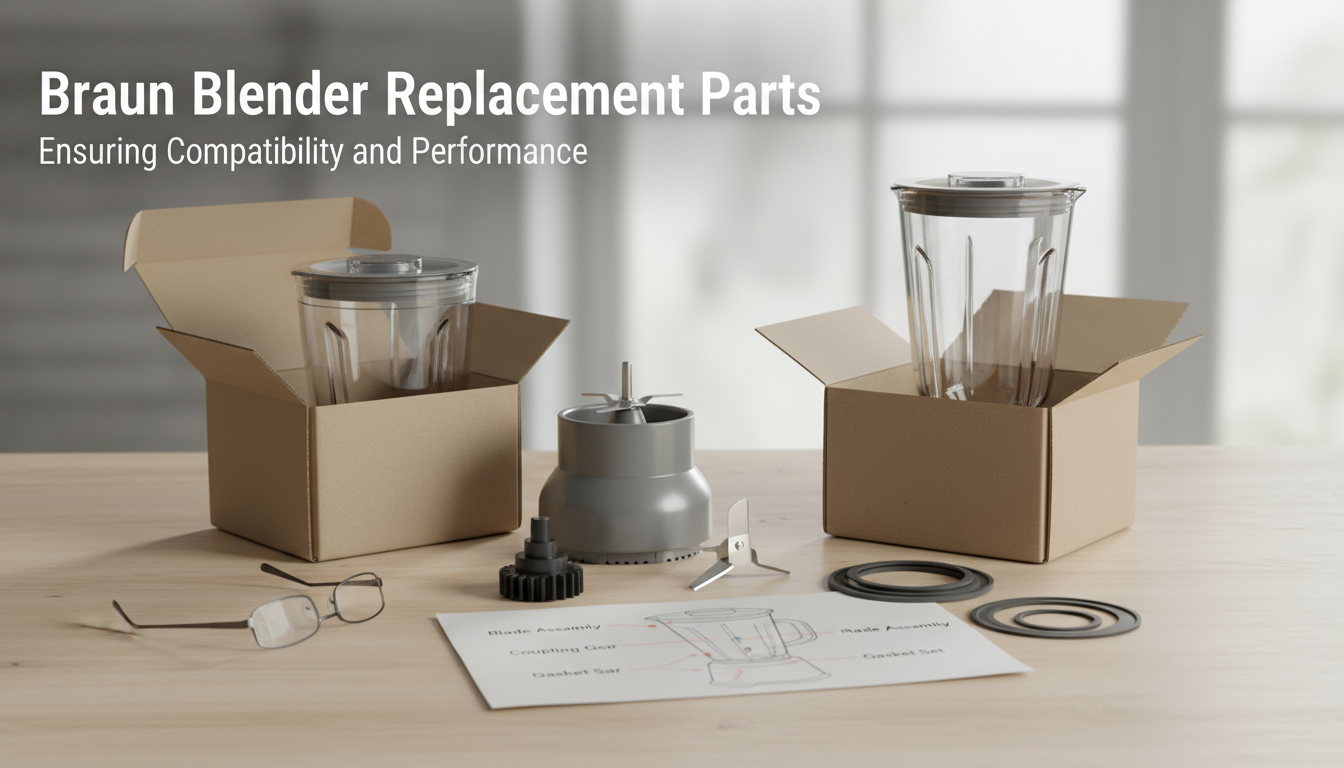
Why Choose Genuine Ninja Blender Replacement Parts? A Guide to Authenticity
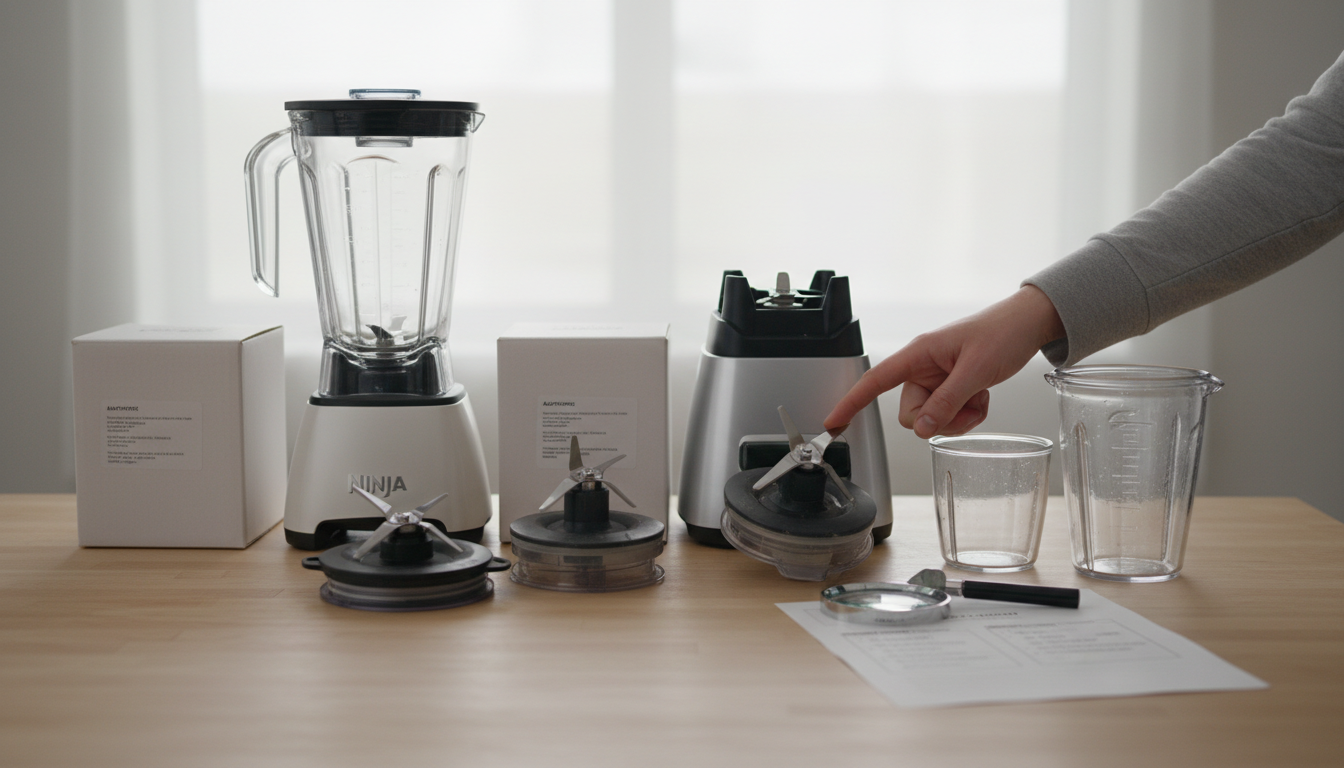
Revitalize Your Ninja: The Essential Guide to Genuine Replacement Parts
Even high-performance appliances like Ninja blenders can experience wear and tear over time. From dull blades to cracked pitchers or worn gaskets, replacing a damaged component is often a more sustainable and cost-effective solution than purchasing an entirely new unit. This necessity, however, introduces a critical decision: choosing between genuine Ninja replacement parts and a multitude of generic alternatives.
Navigating the market for replacement parts can be complex. While non-genuine options might initially appear more affordable, they often come with significant trade-offs that can compromise your blender's performance, safety, and lifespan. Buyers frequently report issues with non-genuine parts, including:
- Poor fit and compatibility: Leading to leaks, excessive noise, or improper operation.
- Reduced durability: Parts may break down quickly, requiring more frequent replacements.
- Suboptimal performance: Blades might struggle with tough ingredients or fail to achieve desired blending consistency.
- Potential safety hazards: Inferior materials or design could lead to unexpected malfunctions.
This guide aims to cut through the confusion, empowering you to confidently identify, select, and purchase authentic Ninja blender replacement parts. By understanding the critical importance of authenticity, you can ensure your blender continues to deliver optimal performance and longevity, avoiding common pitfalls associated with ill-fitting or substandard components.
Beyond the Blend: Why Authentic Ninja Parts Are Non-Negotiable
When a crucial component of your Ninja blender requires replacement, the choice between genuine manufacturer parts and generic alternatives presents a significant decision. While non-genuine options might seem appealing due to lower upfront costs, they often introduce a range of issues that genuine Ninja replacement parts are specifically designed to prevent. Opting for authenticity directly addresses and resolves common buyer concerns regarding performance, safety, and the long-term viability of their appliance.
Genuine Ninja parts offer distinct advantages that generic alternatives often fail to replicate:
- Uncompromised Performance and Blending Consistency: Ninja blenders are engineered for specific power and blade dynamics to achieve consistent results, whether crushing ice, pureeing ingredients, or blending tough fibers. Genuine replacement blades, containers, and gears are manufactured to precise specifications, ensuring the blender maintains its intended performance. Non-genuine blades, for instance, may not be optimized for tasks like ice crushing, potentially leaving chunks or struggling with dense ingredients, and may not withstand the high-speed demands of the appliance.
- Assured Safety Standards and Material Quality: Safety is paramount in kitchen appliances. Genuine Ninja parts are constructed from food-grade materials that meet stringent safety standards, preventing leaching of harmful substances into food and ensuring durability under operational stress. This includes robust plastics for containers and high-grade stainless steel for blades. Inferior materials in generic parts can degrade prematurely, leading to component failure or potential contamination risks.
- Guaranteed Compatibility and Precise Fit: One of the most frequently reported problems with non-genuine parts is an imperfect fit. Genuine Ninja replacement parts are manufactured to exact dimensions for specific blender models, ensuring a seamless connection. This precision prevents common operational issues such as leaks from ill-fitting gaskets or containers, excessive noise from misaligned components, or undue strain on the motor that could lead to premature failure. Parts returned due to "unexpected size" highlight the critical importance of this compatibility.
- Extended Appliance Lifespan and Warranty Preservation: Investing in genuine parts contributes directly to the longevity of your Ninja blender. Components designed to work in harmony reduce wear and tear on the entire system. Furthermore, using non-genuine parts could, in some cases, void any remaining manufacturer warranty on your appliance, leaving you without recourse should further issues arise.
Ultimately, genuine Ninja blender replacement parts solve the critical buyer problem of uncertainty and potential compromise. They offer the assurance that your blender will continue to operate as intended, safely, efficiently, and for its expected lifespan, avoiding the frustrations of poor performance, premature breakage, or compatibility headaches often associated with non-authentic components.
Authenticity Check: How to Identify Genuine Ninja Replacement Parts
Verifying the authenticity of Ninja replacement parts before purchase is a critical step to ensure compatibility, safety, and performance. Generic or counterfeit parts can mimic genuine components but often fall short in material quality, precise fit, and overall durability. Use the following indicators to guide your assessment:
- Official Branding and Packaging: Genuine Ninja parts typically arrive in professional, branded packaging that clearly displays the Ninja logo, product name, and relevant part numbers. The part itself should also feature clear, well-printed Ninja branding, not stickers or poorly etched labels. Look for consistent font, color, and logo design.
- Authorized Retailers: Prioritize purchasing directly from the official Ninja website or from authorized, reputable retailers. These channels are most likely to supply authentic components. Be cautious of third-party sellers on marketplaces without clear indications of their authorization or direct sourcing from Ninja.
- Part Number and Model Compatibility: Always cross-reference the part number listed on the product with your specific Ninja blender model number. This information is usually found on the blender's base. Ninja's official support resources or product manuals can confirm the exact part numbers required for your model. A genuine part will have a precise match.
- Warning Signs of Non-Genuine Parts:
- Unusually Low Prices: While discounts exist, prices significantly below the typical market rate for genuine parts can indicate a counterfeit or generic item.
- Generic or Substandard Packaging: Absence of official branding, flimsy materials, or misspelled words on packaging are red flags.
- Vague Product Descriptions: Descriptions that use terms like "compatible with Ninja" without explicitly stating "Genuine Ninja Part" or lack specific model numbers can suggest a non-authentic item.
- Material Quality: Examine product images for signs of cheaper plastics, rough edges, or inconsistent finishes compared to your original part.
Selecting Your Match: Critical Criteria for Ninja Replacement Parts
Choosing the correct replacement part for your Ninja blender involves more than just a visual match. Several technical and functional criteria are paramount to ensure the part integrates seamlessly, performs as expected, and maintains the safety and longevity of your appliance. Understanding these specific requirements will significantly refine your selection process and prevent common frustrations.
Exact Model Compatibility is Paramount
Ninja produces a wide array of blenders, each often with unique design specifications for its components. A replacement part designed for one Ninja model may not be compatible with another, even if they appear similar. Overlooking this can lead to parts that don't fit, function improperly, or even damage your blender's motor.
- Locate your model number: This is typically found on a label on the bottom of your blender's motor base. It's crucial to have this exact number before searching for parts.
- Verify part-specific compatibility: Even within the same series, some parts might differ. Always check the part's listed compatibility against your blender's full model number.
This criterion serves as the foundational filter for your shortlist; any part not explicitly listed as compatible with your specific Ninja model should be immediately deselected.
Blade Configuration and Fin Count
For blade assemblies, a critical detail is the fin count and overall configuration. Ninja blenders utilize different blade designs, commonly featuring either 6-fin or 7-fin bases that connect to the motor drive. This distinction is not merely cosmetic.
- Matching fin count: The number of fins on the replacement blade base must precisely match the drive gear on your blender's motor. A mismatch will prevent the blade from engaging or spinning correctly, rendering the part useless and potentially damaging the motor or the blade assembly itself.
- Blade design specifics: Beyond fin count, the overall shape and height of the blade assembly can vary, impacting how it fits into specific cups or pitchers and its ability to process ingredients effectively.
Incorrect blade configuration or fin count will prevent the part from functioning, making this a non-negotiable criterion that materially changes any shortlist. Research indicates that blades are "frequently returned due to unexpected size," underscoring the importance of this match.
Material Quality and Construction
The durability and safety of a replacement part are directly tied to its material quality and construction. Genuine Ninja parts are manufactured to specific standards to withstand high-speed blending and regular use.
- Blade material: High-quality blades are typically made from durable stainless steel, designed to retain sharpness and resist corrosion. Inferior metals can dull quickly, chip, or even rust, compromising performance and food safety.
- Plastic components: For pitchers, cups, and lids, look for robust, impact-resistant plastics that are often BPA-free. Low-grade plastics can crack under stress, degrade over time, or leach chemicals.
- Overall build: Inspect the part for solid construction, smooth finishes, and a lack of visible defects. Flimsy or poorly assembled parts are prone to premature failure.
Parts exhibiting signs of low-quality materials or poor construction should be excluded from consideration, as they represent a significant risk to both performance and longevity.
Sealing Mechanisms and Leak Prevention
Effective sealing is vital to prevent leaks during blending, which can be messy and potentially damage your blender's motor base. Gaskets and O-rings are integral to this function.
- Integrated gaskets: Many Ninja blade assemblies include a built-in rubber or silicone gasket. This gasket must be precisely sized and made from a resilient material to form a tight seal with the blending cup or pitcher.
- Separate seals: For some parts, such as lids or specific pitcher components, separate seals or O-rings are used. These must fit snugly and be free from cracks or deformities.
- Leak-proof design: Genuine parts are engineered with tight tolerances to ensure a secure, leak-proof connection during operation. Poorly designed or low-quality seals are a common cause of leaks.
Any replacement part that lacks a robust, perfectly fitting sealing mechanism should be critically evaluated and likely removed from your shortlist, as it introduces a direct risk of leakage and potential appliance damage.
Navigating Realities: Common Challenges and Performance Limits (Even with Genuine Parts)
While choosing genuine Ninja replacement parts is crucial for compatibility and safety, it's important to approach the purchase with realistic expectations. Even authentic components have inherent limitations and are subject to wear over time. Understanding these potential trade-offs and failure points can help manage expectations and inform your decision-making process.
Durability Expectations and Wear Points
Genuine Ninja parts are designed to meet specific quality standards, but they are not immune to the stresses of high-performance blending. Over extended use, components like blades, gaskets, and drive fins can show signs of wear. Buyers sometimes report that even authentic blades or fins can eventually strip or dull, particularly with frequent processing of tough ingredients. This wear is a natural consequence of mechanical friction and material fatigue, meaning that while genuine parts offer optimal initial performance, they still have a finite lifespan influenced by usage patterns.
Specific Blending Limitations
Even with a new, genuine blade assembly, certain blending tasks may present challenges. For instance, some Ninja blade designs might excel at crushing ice into smaller pieces but may not consistently achieve a fine, powdery consistency without leaving some chunks behind. Similarly, not all blade assemblies are rated for blending very hot liquids, and attempting to do so could pose a safety risk or damage the part. Tough ingredients like dense nuts or seeds can also push the limits of even genuine blades, potentially impacting their longevity or the fineness of the blend.
Addressing Fit Issues and Returns
A common challenge, even when seeking genuine parts, is ensuring exact model compatibility. Ninja produces numerous blender models, and a part designed for one series might not fit another, even if it appears similar. Evidence suggests that replacement parts are frequently returned due to unexpected size discrepancies. To avoid this, meticulously verify your specific Ninja blender model number against the part's compatibility list. A genuine part for the wrong model will still result in an improper fit, leading to potential operational issues or the need for a return.
Noise Levels and Operational Concerns
Replacing a worn part with a genuine one can often reduce excessive noise or leakage. However, it's not a guaranteed solution for all operational concerns. Some users report that even with new, genuine components, their blender might still exhibit increased noise levels, especially if the base unit itself has aged or if the new part subtly alters the balance. Similarly, while genuine gaskets are designed for a tight seal, leakage can still occur if the part is not installed perfectly, or if there's an underlying issue with the blender's pitcher or motor base.
Maximizing Lifespan: Care and Maintenance for Your Genuine Ninja Parts
Investing in genuine Ninja replacement parts is a step towards restoring your blender's performance and safety. To fully realize this investment and ensure these authentic components deliver their intended longevity, consistent care and proper usage are essential. Even genuine parts benefit significantly from mindful maintenance practices that prevent premature wear and maintain their optimal function.
Maintaining the cleanliness and integrity of your Ninja parts begins with regular, appropriate cleaning:
- Blades: After each use, rinse the blade assembly immediately under warm, running water. For more thorough cleaning, use warm soapy water and a soft brush to dislodge any trapped food particles, paying careful attention to the sharp edges. Always ensure blades are completely dry before storing to prevent corrosion.
- Jars and Lids: Most Ninja blender jars and lids are designed for easy cleaning. Many are top-rack dishwasher safe, but consulting your specific model's manual is always recommended. For hand washing, use warm, soapy water and a non-abrasive sponge. Avoid using harsh chemicals or abrasive scrubbers that could scratch the plastic or compromise seals.
- Gaskets and Seals: Gaskets, often found in blade assemblies and lids, are crucial for preventing leaks. Remove them periodically for a thorough cleaning. Wash them gently with warm, soapy water, ensuring all food residue is removed. Inspect them for any signs of cracking, stretching, or damage, as compromised gaskets are a common source of leaks. Ensure they are completely dry before reassembly to prevent mold or mildew formation.
Beyond cleaning, operational habits play a significant role in preventing wear and tear on your genuine parts:
- Respect Fill Lines: Overfilling the blender jar places undue stress on the motor and blade assembly. Adhering to the "Max Fill" lines prevents excessive strain, which can lead to premature wear of the blade bearings and motor coupling.
- Correct Assembly: Always ensure the blade assembly is securely twisted onto the jar and the jar is properly seated on the motor base before operating. A loose connection can result in inefficient blending, increased noise, and potential damage to the coupling mechanisms.
- Ingredient Preparation: While Ninja blenders are powerful, pre-cutting larger or harder ingredients (like large ice cubes, frozen fruits, or dense vegetables) into smaller, manageable pieces reduces the workload on the blades and motor, extending their lifespan. Avoid blending items not recommended by the manufacturer, such as overly hard spices or extremely fibrous ingredients without adequate liquid.
- Avoid Over-Processing: Continuous, prolonged blending without breaks can lead to motor overheating and increased stress on internal components. Follow recommended blending times and allow the motor to rest between cycles, especially when processing tough ingredients.
Proper storage practices also contribute to the longevity of your genuine Ninja parts:
- Dry and Protected Storage: Always store all components completely dry to inhibit bacterial growth, mold, and potential corrosion, particularly for metal blade parts.
- Blade Safety: Store blade assemblies with care, ideally with a protective cover if provided, or in a manner that prevents accidental contact with the sharp edges and protects them from dulling or chipping.
- Gasket Integrity: Store gaskets either flat or reassembled in their respective parts (blade or lid) to help them retain their original shape and elasticity. Avoid folding or creasing, which can lead to permanent deformation and reduced sealing effectiveness.
- Secure Placement: Store jars and lids in a stable location where they are unlikely to fall, crack, or get scratched, preserving their structural integrity and appearance.
Frequently Asked Questions About Genuine Ninja Replacement Parts
Navigating the world of replacement parts can bring up several questions. Here are concise answers to common queries about genuine Ninja components, aimed at reinforcing informed decision-making.
-
Q: What specific problems do genuine Ninja parts address that generic alternatives might not? Genuine Ninja replacement parts are engineered to the exact specifications of your blender model. This precision addresses critical issues often seen with generic alternatives, such as:
- Improper Fit and Leaks: Generic parts may have slight dimensional differences, leading to loose connections, excessive vibration, or leaks from the pitcher base or lid. Genuine parts ensure a sealed, stable connection.
- Suboptimal Performance: Blades from generic manufacturers might use different metallurgy or design, resulting in less efficient blending, struggling with tough ingredients, or failing to achieve the desired consistency. Genuine blades are designed for Ninja's motor power and jar dynamics.
- Reduced Durability and Safety Risks: Inferior materials in generic parts can lead to premature wear, cracking, or even breakage during use. This not only shortens the part's lifespan but can also pose safety hazards, such as plastic fragments in food or blade detachment. Genuine parts are typically constructed from materials tested to meet Ninja's quality and safety standards.
-
Q: What are the most critical criteria for selecting the right genuine Ninja replacement part? The most crucial factor is exact model compatibility. Ninja produces numerous blender series and models, each with potentially unique part designs.
- Identify Your Blender Model Number: This is usually found on a label on the base of your blender. It's essential for ensuring the replacement part matches your specific unit.
- Match the Part Number (if available): If your original part has a visible part number, use it for cross-referencing.
- Visual Comparison: Always compare images of the genuine replacement part with your existing component to confirm details like blade fin count, base diameter, and connection points. Parts that look similar may still have subtle, critical differences.
-
Q: Are there any known limitations or potential issues even with genuine Ninja replacement parts? Even genuine Ninja replacement parts, while offering superior compatibility and quality, are subject to certain realities:
- Normal Wear and Tear: Like any mechanical component, genuine parts have a lifespan and will eventually show wear, especially with frequent, intensive use. Blades can dull, and gaskets can degrade over time.
- Inherent Design Limitations: Some genuine blades, depending on their specific design and your blender model, may not be optimized for pulverizing ice into a fine powder or blending extremely hot liquids. It's important to understand the capabilities of your specific blender and its components.
- Specific Model Durability Concerns: While generally robust, some specific genuine parts or models have, on occasion, been noted for particular durability challenges, such as certain blade components experiencing wear under heavy stress. These instances are less common than with generic alternatives but can occur.
Your Confident Choice for a Revitalized Ninja Blender
Opting for genuine Ninja replacement parts is a strategic decision that directly contributes to your appliance's sustained performance, user safety, and overall longevity. By prioritizing authenticity, you ensure seamless compatibility and maintain the blending power and consistency you expect from your Ninja system. Always meticulously verify your specific blender model number and carefully check for clear authenticity indicators to avoid common compatibility issues. While genuine components offer superior reliability, it's also important to acknowledge that even authentic parts have a designed lifespan and may not resolve issues stemming from other underlying appliance problems. Armed with this comprehensive understanding, you are empowered to make an informed selection, confidently extending the utility and efficiency of your Ninja blender.
More in Blender Replacement Parts
View All
Hamilton Beach Hand Blender Replacement Parts: Keeping Your Immersion Blender Working
Choosing the Right Ninja Blender Blade Replacement Parts for Optimal Performance