Essential Breville Blender Replacement Parts: A Buyer's Guide
Introduction: Revitalizing Your Breville Blender with the Right Parts
Your Breville blender represents a significant investment in kitchen performance and durability. Rather than replacing the entire appliance when a single component shows wear, sourcing the correct replacement part can extend its lifespan, maintain its functionality, and often prove more cost-effective. Addressing issues like dull blades, cracked jars, worn gaskets, or failing couplings can restore your blender to optimal condition.
This comprehensive guide is designed to empower Breville blender owners to confidently identify, source, and purchase the precise replacement parts needed. We will navigate the nuances of brand-specific compatibility and value, ensuring you make an informed decision that supports the long-term functionality of your appliance. Whether you require a new blade assembly, a replacement blending jar, a fresh sealing gasket, or a robust motor coupling, understanding the options is key to a successful repair.
Identifying the Right Fit: A Breville Blender Model Guide
Successfully sourcing replacement parts for your Breville blender begins with an accurate identification of your specific appliance model. Breville produces a range of blenders, and parts are often designed with precise compatibility in mind. A component from one Breville model may not fit or function correctly with another, even if they appear similar. Ensuring you have the exact model number is paramount to avoid purchasing incompatible parts, saving time and potential frustration.
To locate your Breville blender's model information, check several common locations. The model number is frequently printed on a label affixed to the underside of the blender's motor base. Alternatively, it may be found on a tag attached to the power cord, within the original user manual, or on the appliance's original packaging. This number, often a combination of letters and digits (e.g., BBL605, BBL920), is your key reference point for part compatibility.
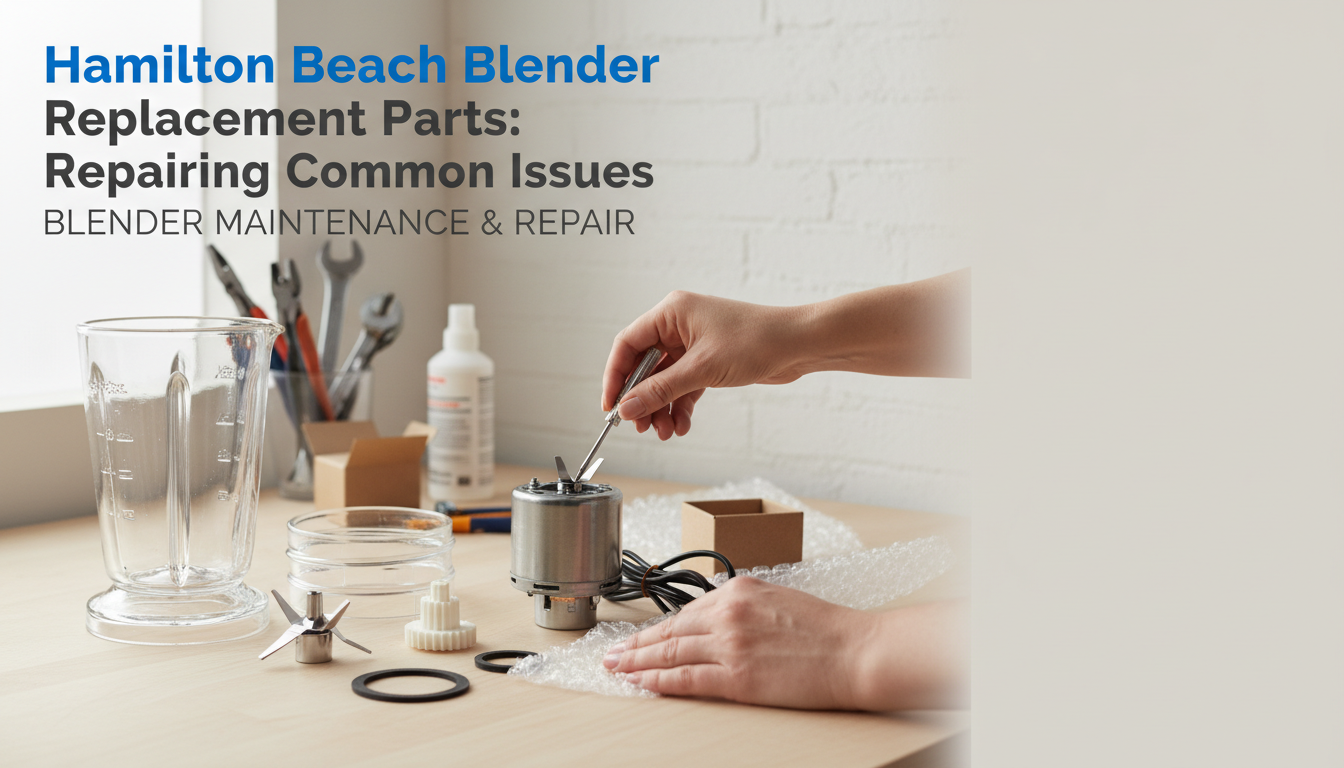
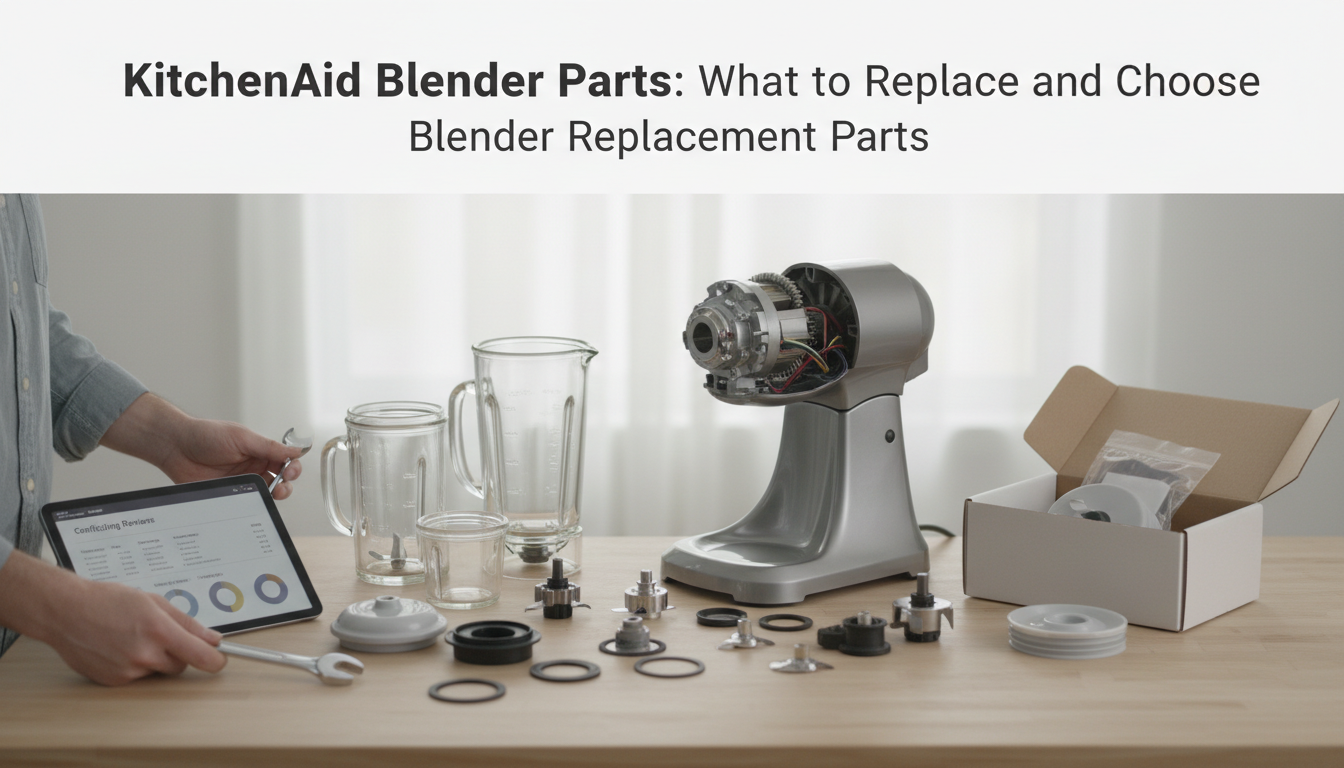
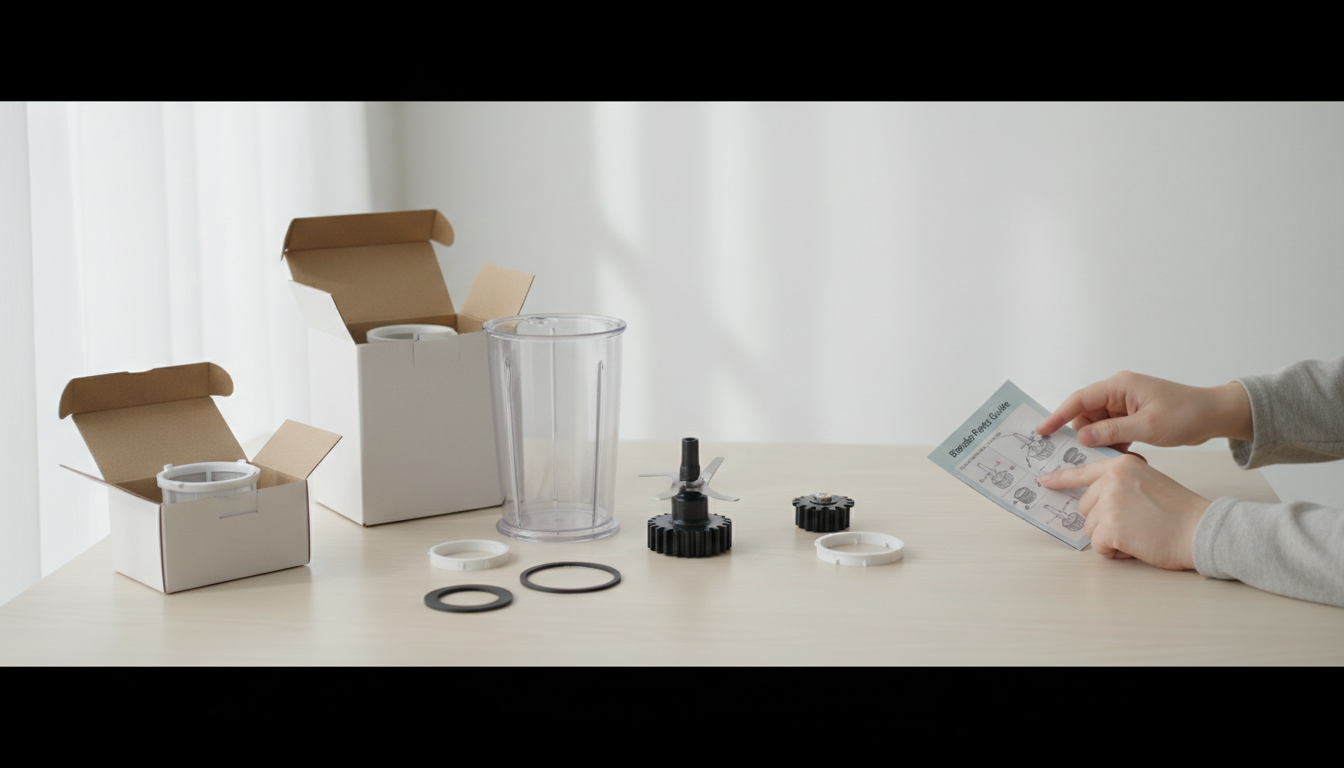
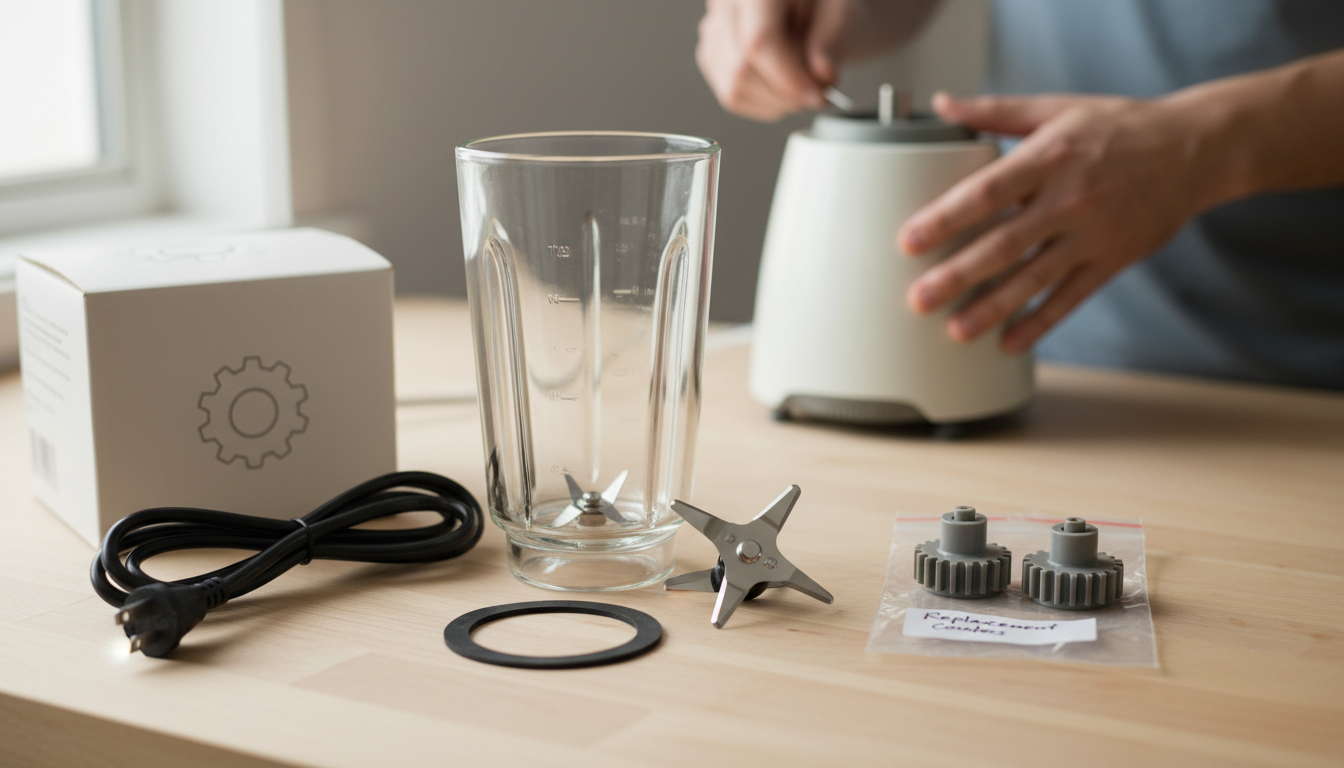
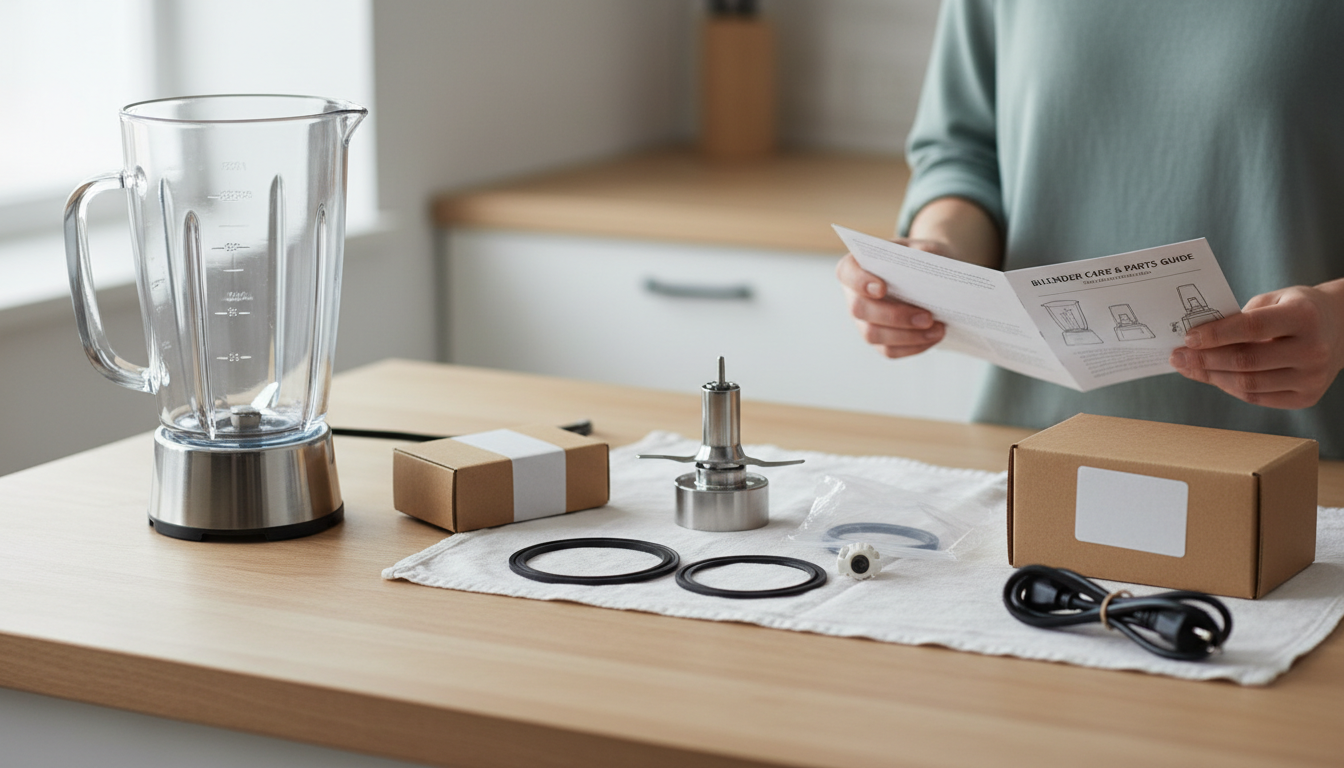
Breville blenders, like most appliances, have several components that are commonly subject to wear or damage and are designed to be replaceable. Understanding these parts helps you pinpoint what needs attention:
- Blade Assembly: This crucial component includes the blades and their housing, often sold as a single unit that screws into the bottom of the jar. Wear can manifest as dullness, nicks, or issues with the bearing that allows the blades to spin freely.
- Blending Jar: Jars can crack, chip, or become cloudy over time, especially with heavy use or accidental drops. Breville offers jars in various materials and capacities, so matching the original type is important.
- Gaskets/Seals: These rubber or silicone rings create a watertight seal between the blade assembly and the jar, or the jar and the motor base. They can harden, crack, or tear, leading to leaks.
- Motor Couplings/Drive Sockets: Located on both the motor base and the blade assembly, these interlocking gears transmit power from the motor to the blades. They can strip or wear down, causing the blades to stop spinning even when the motor runs.
Visually identifying the worn or broken part is often straightforward. For blade assemblies, look for visible damage to the blades themselves or resistance when trying to spin them by hand. A leaking blender points directly to a compromised gasket or seal. If the motor runs but the blades do not turn, inspect both the motor coupling on the base and the drive socket on the blade assembly for stripped teeth. Cracks or chips in the jar are usually obvious. Once you've identified the specific component and confirmed your blender's model number, you're well-equipped to seek out the correct replacement.
Navigating Your Options: Genuine Breville vs. Compatible Third-Party Parts
When seeking replacement components for your Breville blender, you'll generally encounter two primary categories: genuine Breville (OEM) parts and compatible third-party (aftermarket) alternatives. Each option presents a distinct set of considerations regarding cost, quality, and overall impact on your appliance's performance and longevity. Understanding these differences is crucial for making an informed decision that aligns with your priorities and budget.
The Assurance of Genuine Breville Parts
Genuine Breville parts, often referred to as Original Equipment Manufacturer (OEM) parts, are produced by or for Breville specifically for their blenders. Opting for these parts offers several potential advantages designed to maintain the original integrity of your appliance.
- Perfect Fit and Function: OEM parts are engineered to exact specifications, ensuring a seamless fit and optimal interaction with other blender components. This precision can minimize issues like leaks, excessive vibration, or premature wear.
- Material Quality Consistency: Genuine parts typically use the same materials as the original components, which can contribute to consistent performance and expected durability. Breville's official channels provide access to these parts, often directly from their website.
- Warranty Considerations: While not always explicitly stated, using genuine replacement parts may help maintain any remaining warranty on your blender, or at least avoid potential issues related to using non-approved components.
Exploring Third-Party Alternatives
Third-party or aftermarket parts are manufactured by companies other than Breville but are designed to be compatible with specific Breville blender models. These options can be appealing for various reasons, but they also come with a different set of considerations.
- Potential Cost Savings: Aftermarket parts are often available at a lower price point than genuine OEM parts, which can be a significant factor for budget-conscious owners.
- Availability: For older or less common Breville models, third-party manufacturers might offer parts that are no longer readily available directly from Breville.
- Material Variation: The quality and type of materials used in third-party parts can vary widely. Some manufacturers may use different plastics, metals, or rubber compounds, which could affect the part's durability, food safety (e.g., BPA content), or overall performance compared to the original.
- Fit and Performance Risks: While advertised as compatible, the precision of third-party parts might not always match OEM standards. This can sometimes lead to minor fit issues, increased noise, or a slight deviation in performance.
Quality Markers: What to Look For
Regardless of whether you choose genuine or third-party parts, evaluating quality is paramount to ensure your replacement component performs reliably and safely.
- Explicit Compatibility: Verify that the part explicitly lists your specific Breville blender model number. Generic "fits most" claims can be risky.
- Material Specifications: Look for clear indications of materials used. For jars and lids, confirm "BPA-free" labeling. For blades, inquire about the grade of stainless steel if possible.
- Construction and Finish: Examine product images or, if possible, the physical part for clean molding, smooth edges, and robust construction. Avoid parts with visible flaws, rough finishes, or flimsy feel.
- Seller Reputation (for Third-Party): When considering aftermarket options, research the seller's reputation and read customer reviews specifically pertaining to the part's fit, durability, and performance. Consistent positive feedback can be an indicator of a reliable product.
Beyond the Part: Factors Influencing Your Breville Replacement Purchase
When a component of your Breville blender malfunctions, the decision extends beyond simply identifying the correct part. Several broader considerations can influence your purchasing strategy, impacting both cost-effectiveness and the long-term satisfaction with your repair. Evaluating these factors ensures your investment in replacement parts is both practical and beneficial.
Cost-Benefit Analysis: Repair or Replace the Entire Blender?
Before committing to a replacement part, it's prudent to weigh the economic viability of repairing your existing Breville blender against the cost of a new appliance. Breville blenders represent a notable investment, and often, a single worn or damaged component can be replaced at a fraction of the cost of a brand-new unit. For parts like gaskets, couplings, or even a blending jar, repair typically offers a significant cost saving.
However, the balance shifts if the damage involves major internal components, such as the motor, or if multiple critical parts require replacement. Consider the age and overall condition of your blender; if other components show significant wear or if the model is nearing the end of its typical lifespan, investing in a new appliance might offer better long-term value and access to newer technology or features. The decision often boils down to comparing the total cost of the part(s), shipping, and your time or repair service fees against the price of a comparable new Breville blender.
Sourcing Your Parts: Official Channels and Reputable Retailers
The reliability and compatibility of your replacement part are heavily influenced by where you choose to purchase it. Sourcing from trusted channels minimizes the risk of receiving an incorrect, incompatible, or substandard component.
- Breville's Official Website: The most direct and reliable source for genuine Breville replacement parts is often the manufacturer's own website. This ensures you receive original equipment manufacturer (OEM) parts designed specifically for your model, guaranteeing compatibility and adhering to Breville's quality standards. Their product hub typically allows you to search for parts by model number.
- Authorized Retailers: Various online and brick-and-mortar retailers are authorized to sell Breville products and genuine replacement parts. These channels often provide similar assurances regarding authenticity and compatibility. It's advisable to verify a retailer's authorization if you have doubts.
- Third-Party Sellers and Aftermarket Options: A wider market exists for third-party or aftermarket replacement parts, often at a lower cost. While these can be a budget-friendly alternative, they introduce variables in terms of material quality, precise fit, and durability. When considering these options, thoroughly research the seller's reputation, read customer reviews specific to the part, and understand their return policy to mitigate potential risks. Always cross-reference the part's specifications with your blender's requirements.
Return Policies and Customer Support
An often-overlooked but critical aspect of purchasing replacement parts is the seller's return policy and the availability of customer support. Even with careful research, there's a possibility of ordering an incorrect part, receiving a defective item, or simply changing your mind.
Before finalizing a purchase, review the seller's return policy for key details:
- Return Window: How many days do you have to initiate a return?
- Condition for Return: Does the part need to be unopened, unused, or in its original packaging?
- Restocking Fees: Are there any charges for returning an item?
- Return Shipping: Who is responsible for the cost of return shipping?
Additionally, consider the quality of customer support offered. The ability to easily contact a representative for questions about compatibility, order status, or troubleshooting can provide significant peace of mind and simplify the resolution of any issues that may arise post-purchase.
Troubleshooting Common Breville Blender Issues Before Buying
Before committing to purchasing a replacement part, a systematic approach to troubleshooting can help pinpoint the exact problem and potentially save you from an unnecessary expense. Many common Breville blender issues can be diagnosed through careful observation and simple checks, ensuring that any replacement part you acquire directly addresses the root cause. This diagnostic process is crucial for making an informed decision about what your appliance truly needs.
Worn Blades and Decreased Performance
The blade assembly is central to your blender's effectiveness. Over time, constant use can lead to dulling or damage, impacting blending performance.
- Signs of Dull Blades: While blender blades are not sharpened like knives, their edges can become less effective, appearing rounded or rough rather than crisp. You might notice ingredients are not processed uniformly, requiring longer blending times, or leaving larger chunks behind.
- Failing Blade Assembly: Beyond dullness, the entire blade assembly can fail. This might manifest as increased noise during operation, a wobbling blade, or an inability to spin freely when the jar is empty. If the blade shaft develops excessive play, it can also lead to leaks.
- Performance Impact: A struggling blade assembly places additional strain on the motor, potentially leading to overheating or premature wear of other components. If your blender seems to labor more than usual, or ingredients are consistently poorly blended, the blades are a primary suspect.
Leaky Gaskets and Jar Problems
Leaks are a clear indicator of an issue with the blending jar or its sealing components. Identifying the source of a leak is critical to preventing damage to the motor base.
- Identifying Leaks: Look for liquid seeping from the bottom of the jar where it connects to the blade assembly, or from the base of the blade assembly itself. Even small drips can indicate a problem.
- Cracks or Worn Seals: Inspect the blending jar for hairline cracks, especially near the base or around the handle. Examine the rubber or silicone gasket (O-ring) that seals the blade assembly to the jar. A healthy gasket should be pliable and free of tears, cracks, or significant flattening. A worn gasket loses its ability to create a tight seal.
- Jar Fit Issues: Ensure the blade assembly is securely tightened onto the jar. If it feels loose or misaligned even when fully tightened, the threads on the jar or blade assembly might be worn.
Motor Couplings and Drive Socket Wear
The motor coupling, or drive socket, is the component that transfers power from the motor to the blade assembly. This part is designed to wear out before the motor itself, acting as a sacrificial component.
- Recognizing Issues: If your blender motor runs but the blades do not spin, or if you hear a grinding noise coming from the motor base, the coupling is likely worn.
- Visual Inspection: Carefully inspect the teeth or splines on both the motor coupling (on the motor base) and the drive socket (on the bottom of the blade assembly). They should be sharp and intact. If they appear rounded, chipped, or have black, powdery residue around them, it indicates significant wear. This wear prevents the motor from effectively engaging and turning the blades.
Simple Checks to Perform
Sometimes, a perceived problem can be resolved with basic maintenance or adjustment, avoiding the need for new parts.
- Secure Assembly: Ensure the blending jar is correctly seated and locked onto the motor base. Many Breville models have safety interlocks that prevent operation if the jar is not positioned correctly.
- Blade Assembly Tightness: Verify that the blade assembly is tightly screwed onto the bottom of the blending jar. A loose assembly can cause leaks or prevent proper blade rotation.
- Overloading: An overloaded jar can strain the motor and give the impression of a failing component. Try blending smaller batches with adequate liquid.
- Ventilation: Check that the motor base's ventilation slots are clear of debris. Blocked vents can lead to overheating, which might trigger thermal protection and shut down the blender temporarily.
- Power Supply: Confirm the blender is plugged into a working outlet and that no circuit breakers have tripped.
Your Breville Replacement Part Buying Checklist
Before finalizing your purchase of a Breville blender replacement part, a systematic review of key factors can help ensure you select the correct component and make a confident decision. This checklist serves as a final verification to align your choice with your specific needs and expectations for quality and longevity.
- Confirm Your Exact Breville Blender Model Number: Double-check the underside of your blender's motor base or the original manual for the precise model number (e.g., BBL605, BBL920). This is the most critical step for ensuring compatibility.
- Clearly Identify the Specific Part You Need: Ensure you know the exact name and function of the part requiring replacement (e.g., blade assembly, blending jug, sealing gasket, motor coupling). Cross-reference with your blender's manual or Breville's official parts diagrams if available.
- Decide Between Genuine Breville or Reputable Third-Party: Weigh the trade-offs. Genuine Breville parts typically offer assured compatibility and adherence to original specifications. Third-party alternatives may offer cost savings but require careful vetting for quality and fit. Base your choice on your priorities for warranty, performance, and budget.
- Verify Material Quality and Safety Standards: For parts that contact food, confirm they are made from food-grade materials and are BPA-free, if applicable. Look for clear indications from the seller regarding material composition and safety certifications.
- Check Seller Reputation, Return Policies, and Shipping Costs: Purchase from sellers with established positive reviews and clear return policies. Understand the shipping costs and estimated delivery times to avoid unexpected expenses or delays.
- Consider the Overall Cost-Effectiveness: Compare the total cost of the replacement part (including shipping) against the price of a new blender. While repairing is often more economical, evaluate if the part's cost justifies extending the life of your current appliance, especially for older or heavily used models.
Frequently Asked Questions About Breville Blender Replacement Parts
Navigating the world of appliance parts can raise several questions. Here are answers to common inquiries to help you confidently select and purchase the right components for your Breville blender.
Q: How do I find the correct replacement part for my specific Breville blender model? A: The most critical step is to accurately identify your blender's model number. This is typically located on a label on the underside of the motor base, on the power cord, or within your original user manual. Once you have this number, cross-reference it with the part's compatibility information on the manufacturer's website or reputable seller listings to ensure an exact match. Parts are often designed with precise model-specific dimensions and connections.
Q: Are genuine Breville replacement parts always better than third-party options? A: Genuine Breville parts, often referred to as Original Equipment Manufacturer (OEM) parts, are designed and manufactured to the exact specifications of your appliance. This typically ensures a precise fit, consistent material quality, and compatibility with your blender's performance characteristics. Third-party options can sometimes offer a lower initial cost, but their quality, fit, and durability can vary significantly. Using non-genuine parts may also, in some cases, affect your appliance's warranty or performance.
Q: Where is the best place to buy authentic Breville blender replacement parts? A: For guaranteed authenticity and precise compatibility, the official Breville website or authorized Breville service centers and retailers are generally the most reliable sources. These channels provide access to genuine parts designed for your specific model. When considering other online retailers, verify their reputation and ensure they explicitly state the parts are genuine Breville products and list compatible models clearly.
Q: Is it more cost-effective to replace a part or buy a new Breville blender? A: This depends on the cost of the specific replacement part, the overall condition of your existing blender, and the price of a new appliance.
- Cost-effective to replace: For common wear-and-tear items like gaskets, blade assemblies, or blending jars, replacing the part is often significantly more economical than purchasing an entirely new blender, especially if the motor and other core components are still functioning well.
- Consider a new blender: If multiple major components are failing, or if the cost of a single critical part (e.g., a motor assembly, if available) approaches a substantial percentage of a new blender's price, it might be more practical to invest in a new appliance. Evaluate the long-term value and expected lifespan of your repaired blender.
Q: What are the most common Breville blender parts that need replacing? A: Certain components experience more wear and tear due to regular use. These frequently replaced parts include:
- Blade Assemblies: Blades can dull over time, or the bearing within the assembly can wear out.
- Blending Jars: Jars can crack, chip, or become cloudy from repeated use and washing.
- Gaskets and Seals: These rubber or silicone components can degrade, leading to leaks.
- Motor Couplings (Drive Sockets): The part that connects the blade assembly to the motor can wear down, especially under heavy loads.
Q: Can I use parts from a different Breville blender model? A: Generally, no. Breville blenders, even within the same brand, often have distinct designs, dimensions, and connection mechanisms for their components. A blade assembly or jar from one model is unlikely to fit or function correctly with another. Always prioritize model-specific compatibility to ensure safety, optimal performance, and to avoid damaging your appliance.
Final Blend: Ensuring Your Breville Blender's Continued Performance
Maintaining your Breville blender through informed part replacement is a testament to both practicality and value. This guide has aimed to equip you with the knowledge to confidently navigate the selection of components, from understanding model-specific compatibility to weighing the nuances of various sourcing options. The decision to replace a worn part, rather than the entire appliance, is a strategic one that preserves your initial investment and supports sustainable appliance use.
By prioritizing accurate identification and thoughtful selection, you ensure that your Breville blender continues to deliver the performance and reliability you expect. Each correctly chosen replacement part contributes directly to the longevity of your machine, restoring its efficiency and preventing potential issues down the line. Approach your purchase with the confidence that an informed decision protects your appliance's functionality and extends its useful life.