Essential Breville Immersion Blender Replacement Parts: What to Look For
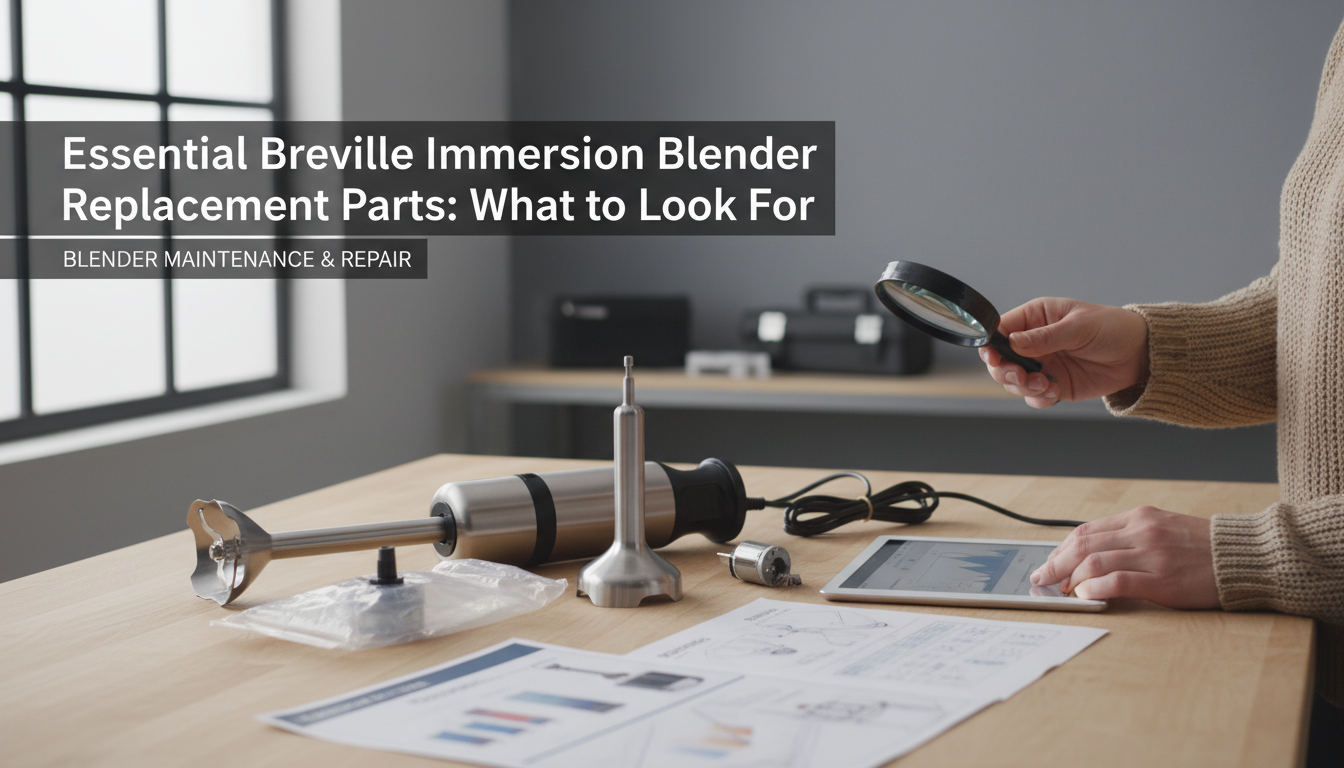
Revitalize Your Breville Immersion Blender: A Guide to Replacement Parts
Maintaining your Breville immersion blender with the right replacement parts can extend its operational life and preserve its performance, often proving more cost-effective than purchasing an entirely new unit. These appliances are valued for their versatility, and ensuring their components function correctly is key to consistent results in the kitchen.
Parts may require replacement for several common reasons:
- Wear and Tear: Over time, components like blending shafts, gears, or seals can degrade from regular use.
- Accidental Damage: Drops, impacts, or improper cleaning can lead to cracks, bends, or electronic malfunctions.
- Loss: Smaller attachments, such as whisk heads or chopper bowls, can sometimes be misplaced.
When addressing these issues, selecting appropriate parts is crucial. Using genuine Breville parts or carefully vetted compatible alternatives helps ensure proper fit, sustained functionality, and adherence to the appliance's original design specifications. This guide aims to empower Breville immersion blender owners to confidently identify, source, and select the correct replacement parts, ensuring compatibility and a reliable repair outcome.
Key Components: What Breville Immersion Blender Parts Can Be Replaced?
Understanding which components of your Breville immersion blender are replaceable is the first step toward maintaining its performance and extending its service life. Not all parts are designed for user replacement, but several key elements are commonly available to address wear, damage, or loss. Identifying the correct part often hinges on knowing its function and its compatibility with your specific Breville model.
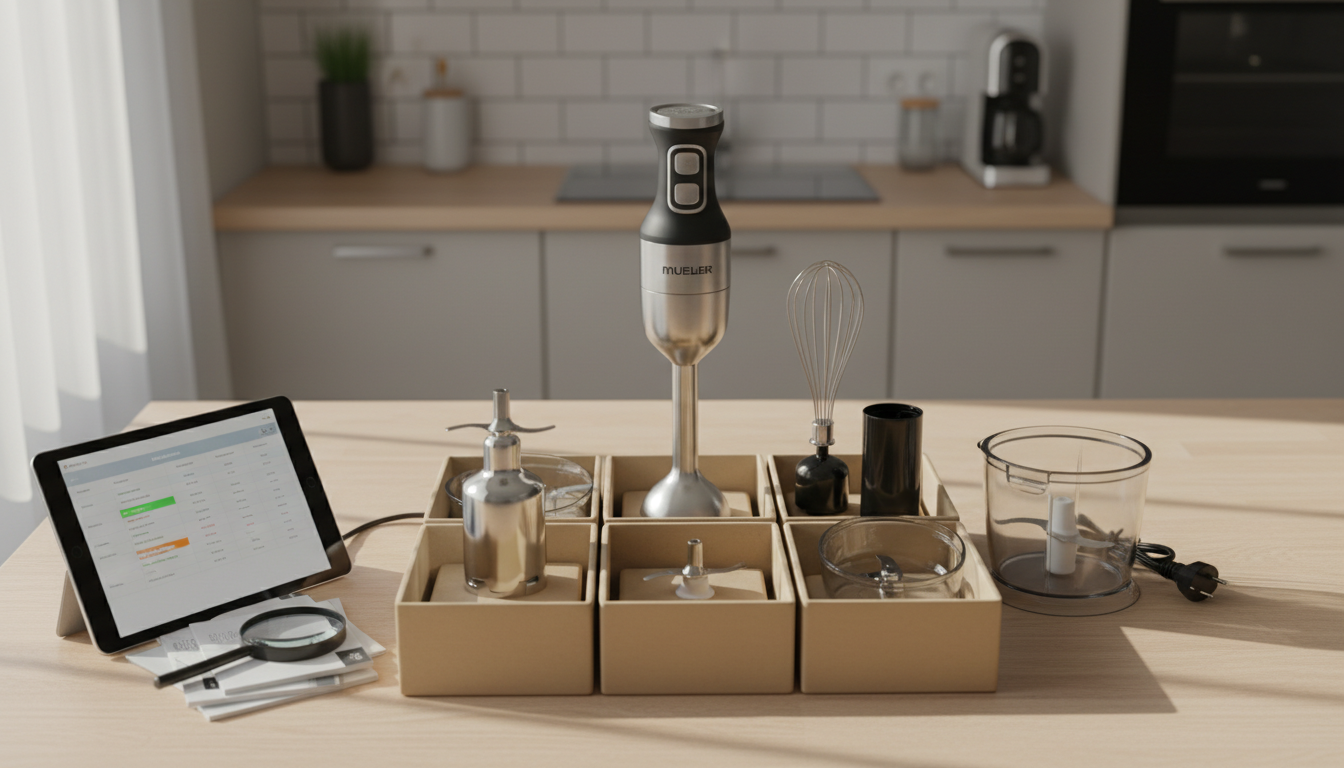
Commonly available replacement parts for Breville immersion blenders typically include:
- Blending Shaft Assembly: This is often the core functional component, comprising the shaft, internal drive mechanism, and the blade head. Issues like dull blades or a damaged shaft often necessitate replacing this entire assembly.
- Whisk Attachment: For models that include a whisk, this accessory can be replaced if bent, broken, or lost. It's distinct from the main blending shaft.
- Chopper Bowl Assembly: Many Breville immersion blenders come with a mini-chopper attachment. Replacement parts for this can include the bowl itself, the lid, or the chopper blade, which are often sold as individual components or a set.
- Blending Jug or Beaker: The container designed to fit your immersion blender is a common replacement item if it cracks, discolors, or goes missing.
It's crucial to distinguish between essential functional parts, like the blending shaft, which directly impact the blender's primary operation, and accessory attachments, such as whisks or chopper bowls, which expand its utility. When seeking replacement parts, the most critical piece of information is your specific Breville immersion blender model number. For example, owners of the 'Control Grip' model would look for parts specifically designed for the BSB510. This model-specific approach ensures compatibility and proper fit.
For reliable sourcing and to confirm the exact parts available for your unit, Breville's official parts pages are the primary resource. These platforms typically allow you to search by model number, ensuring you find components engineered to meet the brand's specifications.
Your Checklist for Choosing the Right Breville Immersion Blender Parts
Selecting the correct replacement parts for your Breville immersion blender involves a systematic approach to ensure compatibility, performance, and value. Before making a purchase, consider these critical factors to confidently restore your appliance's functionality.
-
Verify Model-Specific Compatibility: The most crucial step is to identify your Breville immersion blender's exact model number. This number is typically found on a label on the underside of the motor unit, within the user manual, or on the original packaging. Breville's official parts resources often require this specific model information to display compatible components. Purchasing a part without confirming its fit for your model can lead to incompatibility, wasted expense, and frustration.
-
Evaluate Authenticity vs. Aftermarket Options: You generally have two choices for replacement parts: official Breville components or aftermarket alternatives.
- Official Breville Parts: These are designed to meet the manufacturer's original specifications, often ensuring a precise fit and expected performance. While they might come at a higher cost, they typically offer peace of mind regarding quality and compatibility.
- Reputable Aftermarket Parts: These can be a more budget-friendly option and may be more readily available. However, quality can vary significantly. When considering aftermarket parts, prioritize sellers with strong reviews specifically mentioning fit, durability, and customer satisfaction for your blender model. Scrutinize product descriptions for material claims and compatibility assurances.
-
Assess Material Quality and Food Safety: For parts that come into contact with food, such as blending shafts, blades, or chopper bowls, material quality is paramount for both durability and safety.
- Blending Shafts and Blades: Look for food-grade stainless steel for corrosion resistance and sharpness. The housing components should be made from robust, BPA-free plastics that can withstand repeated use and cleaning.
- Seals and Gaskets: Ensure these are made from food-grade silicone or rubber to prevent leaks and maintain hygiene. Inferior materials can degrade quickly, affecting performance and potentially contaminating food.
-
Determine Repair vs. Replacement: Before investing in replacement parts, assess the extent of the damage to your Breville immersion blender.
- Part Replacement is Advisable When: The damage is isolated to a single, easily replaceable component (e.g., a bent whisk, a cracked chopper bowl, or a worn blending shaft), and the main motor unit is still functioning without issues like overheating, unusual noises, or power loss. The cost of the part should be significantly less than purchasing a new unit.
- Consider Full Unit Replacement If: Multiple critical components are damaged, the motor unit itself is exhibiting significant functional problems, or the cumulative cost of necessary replacement parts approaches the price of a new immersion blender. While Breville blenders are known for their quality, some consumer blenders have internal components that are not designed for easy or cost-effective repair if the core motor or complex internal mechanisms fail. This decision weighs the effort and cost of repair against the long-term reliability of a new appliance.
Avoiding Common Pitfalls When Buying Breville Immersion Blender Replacement Parts
Navigating the market for replacement parts can present several challenges that, if not addressed, can lead to wasted time, money, and continued appliance malfunction. Understanding these potential issues helps in making informed decisions.
-
Incompatible Parts: The most significant pitfall is purchasing a part that does not fit your specific Breville immersion blender model. Even subtle differences between model numbers can mean vastly different component designs. Always verify the full model number of your appliance, typically found on a label on the motor housing, and cross-reference it with the part's compatibility information. Breville's official parts portal often requires model selection to ensure accuracy.
-
Issues with Non-Genuine Components: While aftermarket parts may sometimes offer a lower upfront cost, they can introduce risks. Non-genuine parts might not meet Breville's original specifications for material quality, precise fit, or electrical safety. This can lead to:
- Poor Fit: Components that don't align correctly can cause increased wear on other parts or prevent the appliance from operating smoothly.
- Reduced Durability: Inferior materials may degrade faster, leading to premature failure and the need for another replacement.
- Safety Concerns: Especially with electrical components or parts that contact food, non-genuine items might not adhere to safety standards, posing risks during use.
-
Cost-Effectiveness and Total Cost of Ownership (TCO): It's important to evaluate whether replacing a part is truly the most economical solution. As noted by repair experts, the internal components of some consumer appliances can be manufactured in a way that makes extensive repairs less cost-effective over the long term. If the cost of the replacement part, combined with the potential for other components to fail soon, approaches the price of a new unit, a replacement might not be the best investment. Consider the age of your blender and the severity of the damage.
-
Misdiagnosing the Problem: Incorrectly identifying the root cause of a malfunction can lead to purchasing the wrong part. For example, if your blender isn't powering on, the issue might stem from the power cord or the motor unit itself, rather than a blade assembly or whisk attachment. Before buying, perform basic troubleshooting steps:
- Ensure the blender is properly assembled.
- Check the power outlet.
- Listen for unusual noises to pinpoint the area of failure. Accurate diagnosis ensures you invest in the correct solution.
Extending the Lifespan: Care and Maintenance for Your Breville Immersion Blender and Its Parts
Proper care and consistent maintenance are key to maximizing the operational life of your Breville immersion blender and its various attachments. While Breville appliances are often recognized for their robust construction, regular attention to cleaning, storage, and usage practices can significantly reduce the frequency of needing replacement parts. This proactive approach not only preserves performance but also ensures your blender remains a reliable tool in your kitchen for years.
To keep your Breville immersion blender functioning optimally and minimize wear, consider these practices:
- Prompt Cleaning of Blending Attachments: After each use, detach the blending shaft, whisk, or chopper blades immediately. Rinse them under warm running water to prevent food from drying and hardening. For thorough cleaning, use warm, soapy water and a brush to remove any residue. Ensure the motor unit itself is never submerged in water; wipe it clean with a damp cloth.
- Blending Shaft: Pay attention to the blade area and the seal where it connects to the motor unit.
- Whisk Attachment: Gently clean the wires to avoid bending or deforming them, which can affect performance.
- Chopper Bowl and Blades: Disassemble the chopper bowl, lid, and blade assembly. Wash all components carefully, paying close attention to the sharp blades.
- Strategic Storage: Storing your immersion blender and its accessories correctly prevents accidental damage and loss.
- Keep all components, especially smaller attachments like whisks or chopper blades, together in a designated drawer or cabinet.
- Use any provided storage containers or stands to protect blades and delicate parts from impacts.
- Ensure all parts are completely dry before storing to prevent mildew or corrosion.
- Preventing Motor Strain and Component Wear:
- Avoid Overworking the Motor: Breville immersion blenders are powerful, but continuously blending very dense or frozen ingredients for extended periods can strain the motor. Use the pulse function for tough tasks and allow the motor to rest if it feels warm.
- Appropriate Blending Techniques: Do not force the blender through ingredients. Use a gentle up-and-down motion to draw food into the blades. Ensure there's sufficient liquid when blending solids to create a smooth vortex.
- Leverage Non-Scratch Features: Breville's design often includes a non-scratch base on the blending shaft. Utilize this feature by blending directly in pots and pans without worry, but avoid scraping against rough surfaces that could still cause damage.
- Gentle Handling: Avoid dropping the appliance or its attachments. Impacts can crack housings, bend shafts, or damage internal mechanisms.
- Choose the Right Attachment: Use the whisk for aerating, the chopper for dicing, and the blending shaft for pureeing. Using the wrong attachment for a task can lead to premature wear or breakage.
By integrating these simple care and maintenance steps into your routine, you can significantly extend the life of your Breville immersion blender, reducing the likelihood of needing replacement parts and ensuring consistent, reliable performance for all your culinary needs.
Frequently Asked Questions About Breville Immersion Blender Replacement Parts
Navigating the world of appliance parts can bring up several common questions. Understanding these points can help Breville immersion blender owners make informed decisions when seeking replacements.
-
Where can I find my Breville immersion blender model number? The model number is crucial for ensuring compatibility when purchasing replacement parts. It is typically located on the underside of the motor housing, on the base of the blender, or sometimes on a label attached to the power cord. Look for a sticker or engraved text that includes "Model No." or "BSB" followed by a series of numbers.
-
Are third-party replacement parts safe to use? While third-party parts might offer a lower initial cost, they can introduce variables regarding safety and performance. Genuine Breville replacement parts are designed and manufactured to meet the specific standards and tolerances of your appliance, ensuring proper fit, material quality, and intended function. Third-party alternatives may not adhere to these same standards, potentially leading to issues with fit, durability, or even compromising the blender's operational safety. When considering non-genuine parts, carefully evaluate the seller's reputation, product reviews, and any stated certifications.
-
How do I know if I need a new part or a new blender? The decision to replace a part versus buying a new blender often comes down to cost-effectiveness and the nature of the damage. Consider these factors:
- Cost Comparison: Compare the price of the necessary replacement part(s) against the cost of a new Breville immersion blender. If the repair cost approaches or exceeds a significant percentage of a new unit, replacement might be more practical.
- Severity of Damage: If only a single, easily replaceable component (like a blending shaft or whisk) is damaged, a part replacement is usually viable. However, if the motor unit itself is failing, or multiple critical components are compromised, a new blender could be a more reliable long-term solution.
- Age of the Blender: An older blender that has already provided extensive service might be a candidate for full replacement if a significant repair is needed, especially if newer models offer improved features or efficiency.
-
Does Breville offer a warranty on replacement parts? Warranty coverage for replacement parts can vary and is typically distinct from the original product warranty. It is advisable to consult Breville's official website or contact their customer support directly for the most current and accurate information regarding warranties on specific replacement parts. This ensures you understand any coverage terms before making a purchase.
Making the Right Decision: Your Path to a Fully Functional Breville Immersion Blender
Restoring your Breville immersion blender to full functionality involves a considered approach, weighing several factors to ensure a successful and cost-effective repair. By carefully evaluating your options, you can extend the life of your appliance and continue to enjoy its utility in your kitchen.
Key elements to guide your decision include:
- Model Compatibility: The absolute first step is confirming your Breville immersion blender's specific model number. This detail is paramount, as parts are often designed for particular series or versions, and a mismatch will lead to incompatibility.
- Specific Part Type: Clearly identify the component that needs replacement. Whether it's a blending shaft, whisk, chopper bowl, or another accessory, precision in identification prevents ordering incorrect items.
- Sourcing Options: Consider where you will purchase the part. Official Breville channels often guarantee genuine parts and compatibility, while reputable third-party suppliers might offer alternatives. Each option presents different trade-offs regarding cost, warranty, and exact fit.
- Overall Investment: Assess the cost of the replacement part against the price of a new Breville immersion blender. Repairing is often the more economical and sustainable choice, especially for minor component failures or wear.
To confidently proceed with a replacement, follow these steps:
- Locate Your Model Number: Check the base of your blender's motor housing or the original packaging for the precise model identification.
- Identify the Damaged Part: Visually inspect the blender to pinpoint the exact component requiring replacement. Refer to your user manual or Breville's online diagrams if unsure.
- Research Part Availability: Visit the official Breville website's parts section or authorized retailers. Compare part numbers and descriptions to ensure a match for your model.
- Evaluate Sourcing and Cost: Compare prices and shipping from official sources versus vetted third-party vendors. Consider the warranty and return policies associated with each option.
- Make an Informed Purchase: Select the option that best balances compatibility, quality assurance, and your budget.
Investing in replacement parts for your Breville immersion blender is a practical strategy that often outweighs the expense of purchasing a new appliance. A well-maintained blender performs reliably, offers consistent results, and reduces electronic waste. By taking these deliberate steps, Breville owners can ensure their blenders remain efficient and ready for any culinary task.
More in Blender Replacement Parts
View All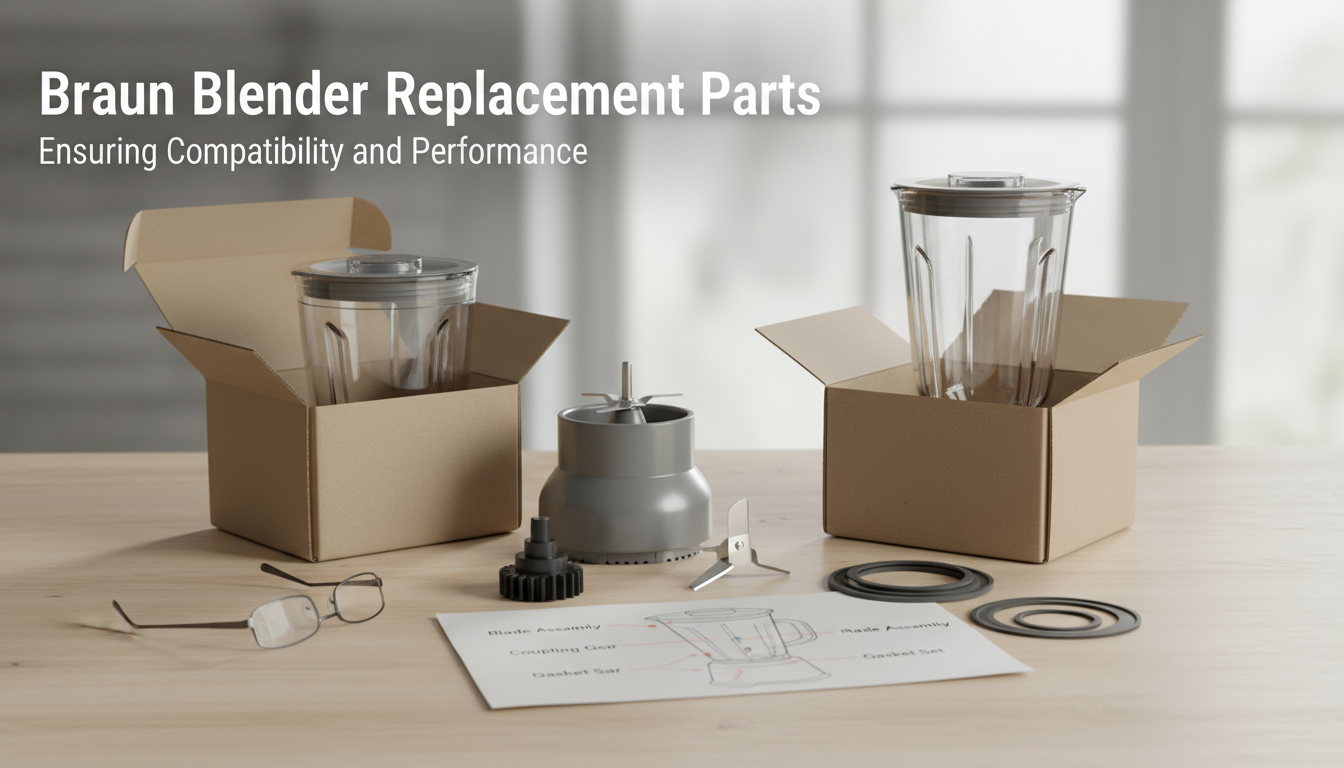
Braun Blender Replacement Parts: Ensuring Compatibility and Performance
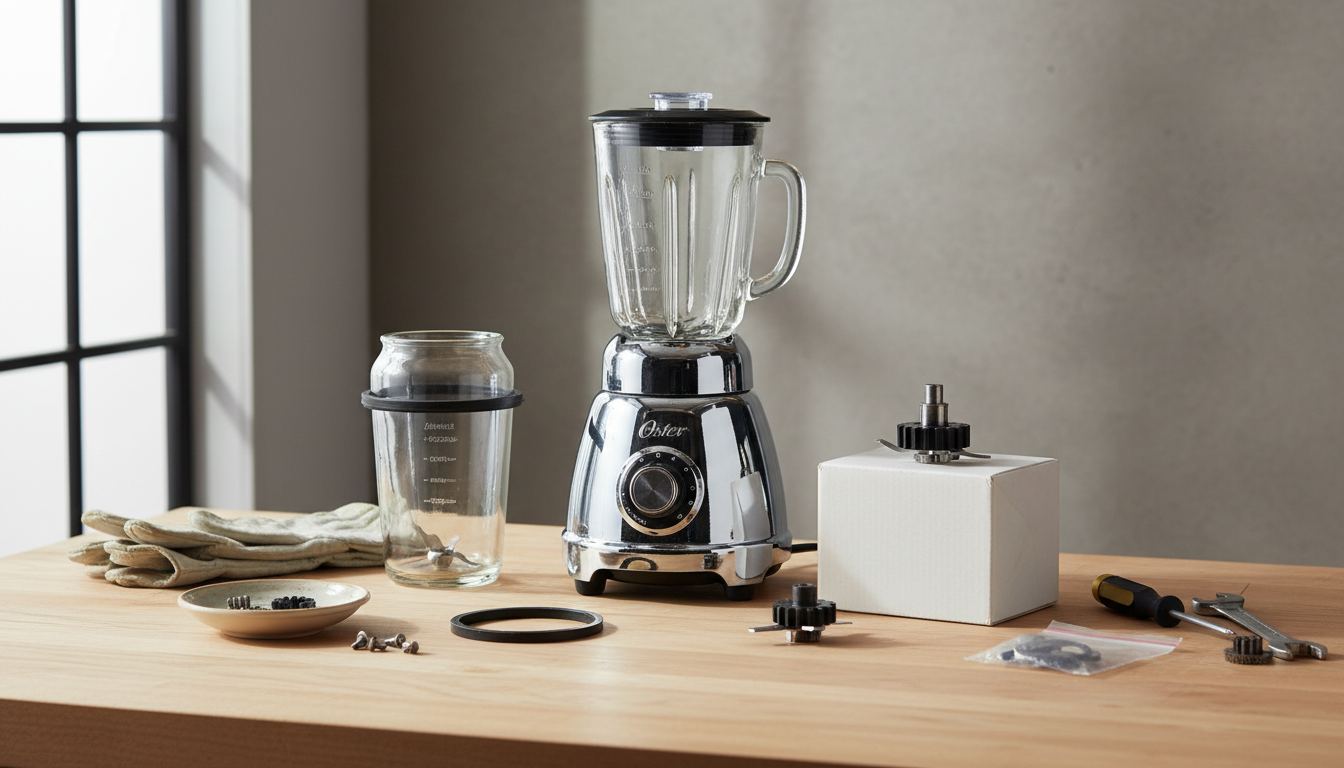
Osterizer Classic Blender Replacement Parts: Restoring Vintage Models