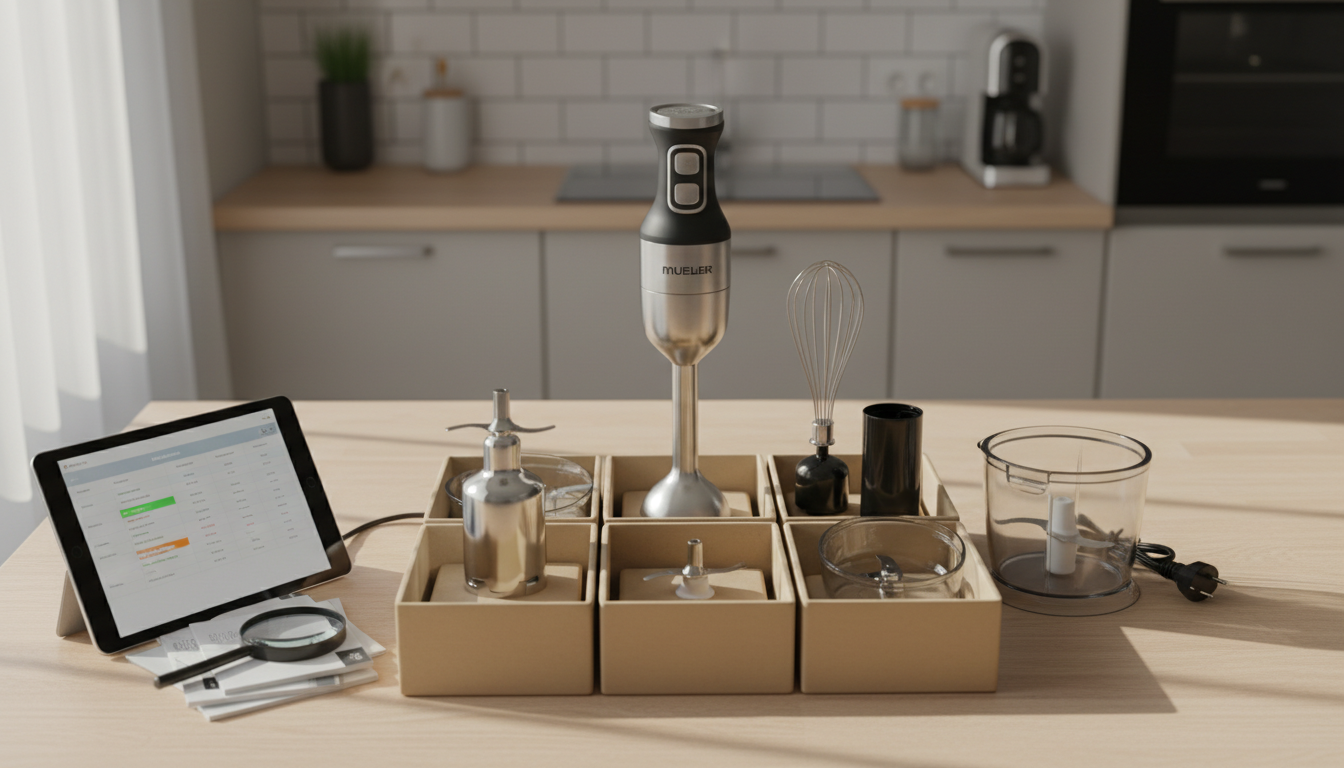
Finding the Right Replacement Parts for Your KitchenAid Hand Blender
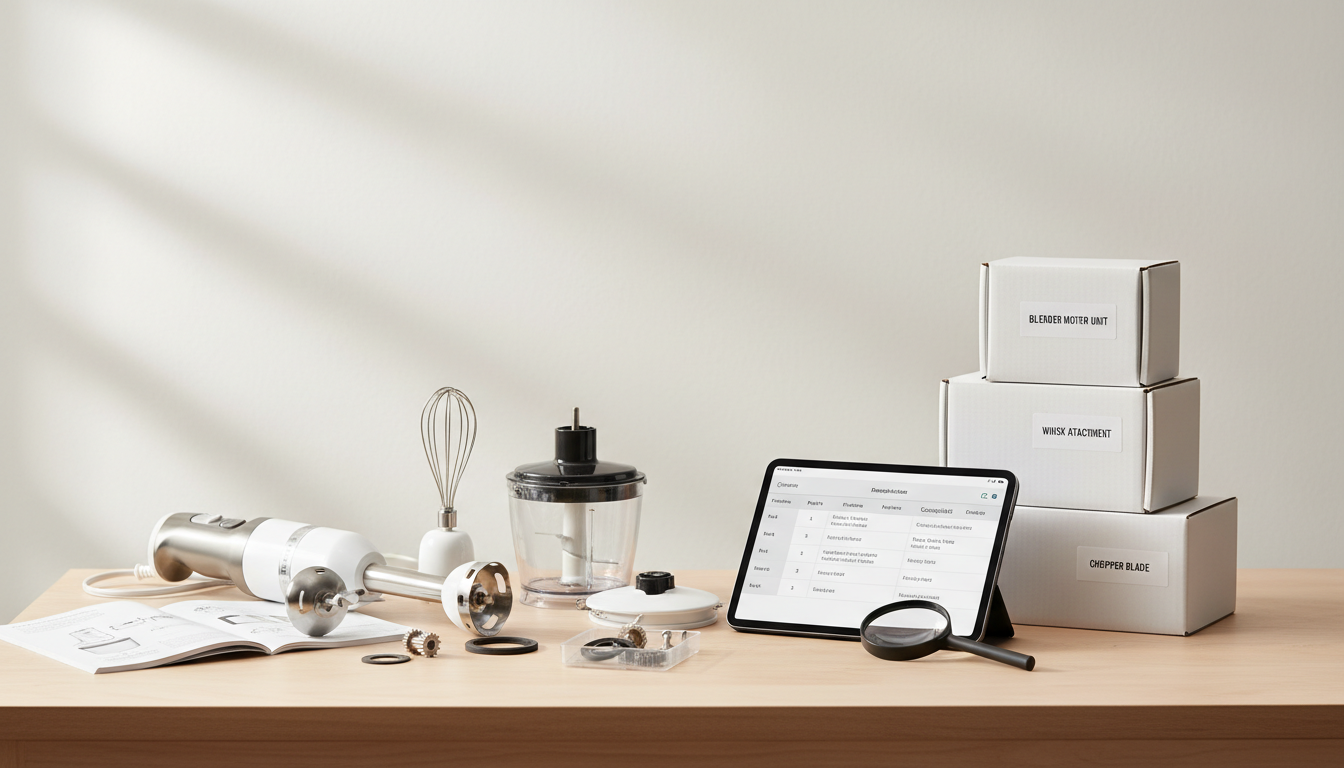
Extend the Life of Your KitchenAid Hand Blender with the Right Parts
Even reliable kitchen appliances, like your KitchenAid hand blender, can experience wear or damage over time. Components such as blending arms, whisks, or even the motor housing may eventually require attention, leading owners to seek specific replacement parts. Rather than discarding a functional appliance due to a single faulty component, identifying and replacing the necessary part can offer a practical solution.
This guide aims to equip KitchenAid hand blender owners with the knowledge to confidently identify, source, and select the correct replacement parts. Focusing on compatibility and the value of genuine components, we'll navigate the options available.
Choosing to replace a specific part offers several advantages:
- Cost-Effectiveness: Often, replacing a single worn part is significantly less expensive than purchasing an entirely new hand blender.
- Sustainability: Repairing extends the lifespan of your appliance, reducing electronic waste and promoting a more sustainable approach to kitchenware.
- Extended Appliance Life: By addressing issues promptly with appropriate parts, you can maintain your KitchenAid hand blender's performance and continue to enjoy its convenience for years to come.
Crucial First Step: Identifying Your KitchenAid Hand Blender Model
Before sourcing any replacement part for your KitchenAid hand blender, accurately identifying its specific model number is paramount. KitchenAid produces various hand blender series, and parts are rarely universally interchangeable. An incorrect part may not fit, could compromise performance, or even pose a safety risk, leading to wasted effort and expense. Precision in model identification ensures you acquire a component designed to integrate seamlessly with your appliance's engineering.
Locating your model number typically involves a quick check of the appliance itself or its documentation.
- Motor Housing: Look for a sticker or engraved information on the main body of the hand blender, often near the base or where the blending arm attaches.
- Original Packaging/Manual: The model number is prominently displayed on the product box and within the user manual that came with your hand blender.
- KitchenAid Website: If you registered your product, your account might list the model number.
KitchenAid hand blenders vary significantly across different series. For instance, cordless models have distinct power components compared to their corded counterparts. Similarly, models with different wattages or design generations (e.g., those with varying attachment mechanisms or blending arm lengths) will require specific parts. These variations mean that a blending arm from one series might not securely attach to another, or a whisk attachment designed for a high-wattage motor could be incompatible with a lower-powered unit. Confirming your model number ensures you match the replacement part to the exact specifications of your appliance.
Understanding the Most Commonly Replaced KitchenAid Hand Blender Parts
Over time, consistent use can lead to wear and tear on various components of your KitchenAid hand blender. Identifying which parts are prone to needing replacement can help owners anticipate potential issues and confidently source the correct items. These parts often experience stress or impact during typical kitchen tasks, making them primary candidates for repair rather than discarding the entire appliance.
Commonly replaced KitchenAid hand blender parts include:
- Blending Arms: These detachable shafts house the blending blade. They might need replacing due to bending, damage to the internal drive shaft, or wear on the locking mechanism that connects to the motor body. KitchenAid offers various lengths, which are also considered accessory parts.
- Blades: Integrated within the blending arm, the sharp edges can dull over extended use, especially when processing tough ingredients. Damage from accidental impact with hard objects in food is another reason for replacement.
- Whisk Attachments: Designed for aerating and whipping, the delicate wires of the whisk can bend or break. The plastic or metal collar connecting it to the motor can also wear down, affecting its secure fit.
- Chopper Attachments: Often including a small bowl and a separate blade assembly, these are prone to damage if the plastic bowl cracks, the lid mechanism fails, or the chopper blade dulls or breaks.
- Motor Housing: While the internal motor is less frequently replaced by consumers, the external housing can crack from drops or impacts. Issues with power buttons or speed controls on the housing may also necessitate replacement of this unit.
- Power Cords: Fraying, cuts, or internal breaks in the cord can prevent the blender from receiving power. This is a critical safety component that requires replacement if damaged.
- Storage Cases: Although not functional for blending, a damaged or lost storage case impacts organization and protection for your appliance and its attachments.
Essential Criteria for Choosing the Right KitchenAid Hand Blender Parts
After accurately identifying your KitchenAid hand blender's model, selecting the correct replacement part requires evaluating several key criteria. These factors ensure the part not only fits but also performs reliably and offers lasting value, preventing further issues or repeat purchases.
-
Compatibility with Your Model The most critical factor is ensuring the replacement part is explicitly designed for your KitchenAid hand blender's specific model number. KitchenAid produces various series, and components are rarely interchangeable across different models. An incompatible part may physically not fit, could lead to improper function, or potentially damage other working components of your appliance. Always cross-reference the part number with your blender's model to guarantee a perfect match, as indicated in your appliance's manual or on KitchenAid's official parts diagrams.
-
Authenticity: OEM vs. Aftermarket When sourcing parts, you'll encounter two main categories: Original Equipment Manufacturer (OEM) and aftermarket.
- OEM Parts: These are genuine components manufactured by or for KitchenAid. They are guaranteed to meet the original specifications for fit, function, and material quality. Opting for OEM parts often ensures the highest level of performance, durability, and safety, maintaining your appliance's original warranty where applicable. The primary trade-off is typically a higher cost.
- Aftermarket Parts: These are produced by third-party manufacturers. While often more affordable, their quality can vary significantly. Some aftermarket parts may offer a satisfactory alternative, especially for less critical components, but others might not match the original's durability or precise fit. Carefully consider the reputation of the aftermarket manufacturer and the specific function of the part before choosing this option.
-
Material Quality and Durability The materials used in a replacement part directly impact its performance and lifespan. For KitchenAid hand blender components, look for:
- Blades: High-grade stainless steel is crucial for resistance to corrosion and maintaining sharpness over time. Inferior metals can dull quickly or rust.
- Blending Arms/Shafts: These should be made from robust metals or durable, food-grade plastics that can withstand repeated use and immersion in various food textures without cracking or degrading.
- Attachments (e.g., whisk, chopper bowls): Ensure any plastic components are BPA-free for food safety. Clear plastics should be resistant to clouding or staining. Review product descriptions for material specifications to assess potential durability.
-
Seller Reputation Purchasing from a reputable seller is vital to avoid counterfeit items, incorrect parts, or poor customer service.
- Authorized Sources: Prioritize buying directly from KitchenAid's official website or through authorized KitchenAid service centers and retailers. These channels guarantee genuine parts and often provide reliable support.
- Established Retailers: For online purchases, choose well-known appliance parts suppliers with a history of positive customer reviews and clear return policies. Inspect seller ratings and feedback specifically concerning accuracy of product descriptions and shipping.
- Red Flags: Be wary of unusually low prices from unknown sellers, vague product descriptions, or images that don't clearly show the part. These can indicate lower quality or non-genuine items.
Repair or Replace? When to Consider a New KitchenAid Hand Blender
Deciding whether to repair your KitchenAid hand blender or invest in a new one often comes down to a careful assessment of cost, damage severity, and the appliance's age. This evaluation helps ensure you make a choice that is both practical and economical, extending the utility of your current appliance or wisely transitioning to a new one.
Consider repairing your KitchenAid hand blender when:
- Specific Component Failure: If the issue stems from a single, identifiable part that is easily replaceable, repair is often the most cost-effective solution. This typically includes accessories like a damaged blending arm, a worn whisk attachment, or a cracked chopping bowl. These parts are designed for user replacement and can restore full functionality without significant expense.
- Minor Wear and Tear: Problems like dull blades on an attachment or a loose accessory connection can often be resolved by replacing just the affected component, assuming the main motor unit remains robust.
Conversely, a full replacement might be the more sensible option if:
- Major Motor Failure: If the hand blender's motor exhibits signs of failure—such as unusual noises, smoke, or complete non-functionality—the repair cost can often approach or exceed the price of a new unit. Motor repairs are typically complex and require professional service or specialized parts.
- Multiple Damaged Parts: When several components, including the main housing or multiple attachments, are simultaneously broken or severely worn, the cumulative cost of individual part replacements can quickly become prohibitive.
- Appliance Age and Discontinued Models: For older KitchenAid hand blender models, parts availability can become scarce, driving up prices or making repairs impossible. If your model has been discontinued for an extended period, sourcing genuine parts may be challenging, and a new blender could offer updated features and a fresh warranty.
- Warranty Expiration and Repair Costs: If your KitchenAid hand blender is still under warranty, any covered repair is typically handled by the manufacturer, making repair the obvious choice. However, for out-of-warranty appliances, compare the estimated repair cost (including parts and potential labor) against the price of a new hand blender. If the repair cost is a substantial percentage of a new unit's price, replacement offers better long-term value and a new warranty.
Sourcing Genuine KitchenAid Hand Blender Replacement Parts
Acquiring the correct replacement part for your KitchenAid hand blender relies heavily on identifying reliable sources. Opting for genuine KitchenAid components or those from officially authorized suppliers helps ensure compatibility, performance, and the longevity of your appliance. This approach minimizes the risk of issues stemming from ill-fitting or substandard parts.
Official KitchenAid Channels
The most direct and reliable avenue for obtaining genuine KitchenAid hand blender replacement parts is through the manufacturer's own channels.
- KitchenAid's Official Website: The dedicated parts and accessories section on the KitchenAid website typically offers a comprehensive catalog of components specific to their various appliance models. This is often the first place to check for authenticity and direct availability.
- Authorized Service Centers: KitchenAid maintains a network of authorized service centers. These facilities often stock genuine parts and can also provide professional installation or repair services, ensuring the part is fitted correctly.
Authorized Retailers and Parts Suppliers
Beyond KitchenAid's direct offerings, a selection of authorized third-party entities can provide genuine replacement parts.
- Reputable Appliance Parts Specialists: Certain online and brick-and-mortar stores specialize exclusively in appliance replacement parts. When these retailers are officially authorized by KitchenAid, they serve as trustworthy sources for components.
- Major Retailers with Authorized Brand Stores: Larger online marketplaces or department stores may host official KitchenAid brand stores or sections. Purchasing through these verified storefronts within broader platforms can offer convenience while maintaining a link to authorized supply chains. When considering these options, look for explicit indications of their authorized status.
Avoiding Unverified Sources
The market for replacement parts can include sellers offering non-genuine or incompatible components. Exercising caution when sourcing parts is crucial to avoid potential drawbacks.
- Risk of Counterfeit or Incompatible Parts: Unverified sellers, particularly on general online marketplaces, might offer parts that are not genuine KitchenAid products. These can be poorly manufactured, fail prematurely, or simply not fit your specific hand blender model, leading to frustration and potential damage to the appliance.
- Lack of Warranty or Support: Parts purchased from unauthorized sources typically do not come with a manufacturer's warranty, leaving you without recourse if the component is faulty.
Verifying Seller Authenticity
To mitigate risks, consider these steps when evaluating a seller:
- Look for "Authorized Dealer" Badges: Reputable online retailers and physical stores that are officially sanctioned to sell KitchenAid parts often display "Authorized Dealer" badges or similar certifications on their websites or in-store.
- Review Customer Feedback: While not foolproof, examining customer reviews related to product authenticity, fit, and seller responsiveness can offer insights into a vendor's reliability. Pay attention to comments specifically addressing whether parts were genuine or if fit issues arose.
- Check Return Policies: A clear and reasonable return policy is a positive indicator. Be wary of sellers with overly restrictive or non-existent return options, particularly for electronic or mechanical components.
- Consult KitchenAid Directly: If you are uncertain about a seller's authorization, contact KitchenAid's customer service. They can often confirm if a particular retailer or service center is an authorized distributor of their genuine replacement parts.
Frequently Asked Questions About KitchenAid Hand Blender Replacement Parts
Navigating replacement parts can raise several questions for KitchenAid hand blender owners. Understanding these common queries can help clarify decisions and ensure a successful repair.
-
How do I find my KitchenAid hand blender model number? Accurately locating your model number is crucial for finding compatible parts. Check the motor housing of your hand blender for a sticker or engraved information, often found near the base or where the blending arm connects. If available, your original product packaging or user manual will also clearly display this number. This unique identifier ensures any part you purchase is designed for your specific appliance.
-
Are aftermarket KitchenAid hand blender parts reliable? Aftermarket parts, while often more affordable, can vary significantly in quality and reliability. Genuine KitchenAid parts are manufactured to precise specifications, ensuring optimal fit, performance, and durability. Third-party alternatives may not meet these standards, potentially leading to improper fit, reduced performance, or a shorter lifespan. When considering aftermarket options, research the manufacturer's reputation and read reviews carefully to assess potential risks.
-
When should I consider replacing my entire hand blender instead of just a part? The decision to replace an entire hand blender often hinges on the cost of the part versus a new appliance, and the nature of the malfunction. If a major component like the motor fails, especially outside of warranty, the repair cost might approach or exceed the price of a new unit. For minor issues like a worn blending arm or a cracked pitcher, replacing the part is generally more economical. Consider the appliance's age and overall condition; if multiple components are failing or the unit is very old, a full replacement might offer better long-term value.
-
What are the most common KitchenAid hand blender parts that need replacing? Certain components experience more wear and tear due to their function. Common replacement parts include the blending arm (the shaft with the blade), whisk attachments, chopper attachments, and blending pitchers or cups. These parts are frequently exposed to food, impacts, or consistent mechanical stress. Less common but significant issues can involve the motor housing or internal motor components, which often point towards a larger repair or replacement decision.
-
Can I use parts from a different KitchenAid blender model? KitchenAid hand blender parts are typically model-specific due to variations in design, size, and connection mechanisms. Even within the KitchenAid brand, different series or generations of hand blenders may have distinct component designs. Using a part from an incompatible model can lead to an improper fit, inefficient operation, or potential damage to the appliance. Always verify the part's compatibility with your specific hand blender model number to ensure safe and effective functionality.
Empowering Your KitchenAid Hand Blender's Continued Performance
By now, you understand that extending the life of your KitchenAid hand blender hinges on informed decisions regarding replacement parts. The critical steps involve accurately identifying your specific model, understanding the function of the part you need, and prioritizing compatibility, ideally with genuine KitchenAid components. This systematic approach helps ensure that any replacement integrates correctly and performs as expected, drawing on the appliance's original design specifications.
Maintaining your KitchenAid hand blender through judicious part replacement offers clear advantages. It's often a more economical choice than purchasing a new unit, contributes to reducing electronic waste by extending the appliance's service life, and ensures your kitchen tool continues to deliver reliable performance for various culinary tasks. This proactive approach supports both your budget and sustainable practices.
Equipped with this knowledge, you are now empowered to confidently navigate the process of finding and selecting the right replacement parts. Making an informed choice allows you to restore your KitchenAid hand blender's full functionality, ensuring its continued presence as a valuable asset in your kitchen for years to come.

More in Blender Replacement Parts
View All
Braun Blender Replacement Parts: Ensuring Compatibility and Performance
Osterizer Classic Blender Replacement Parts: Restoring Vintage Models