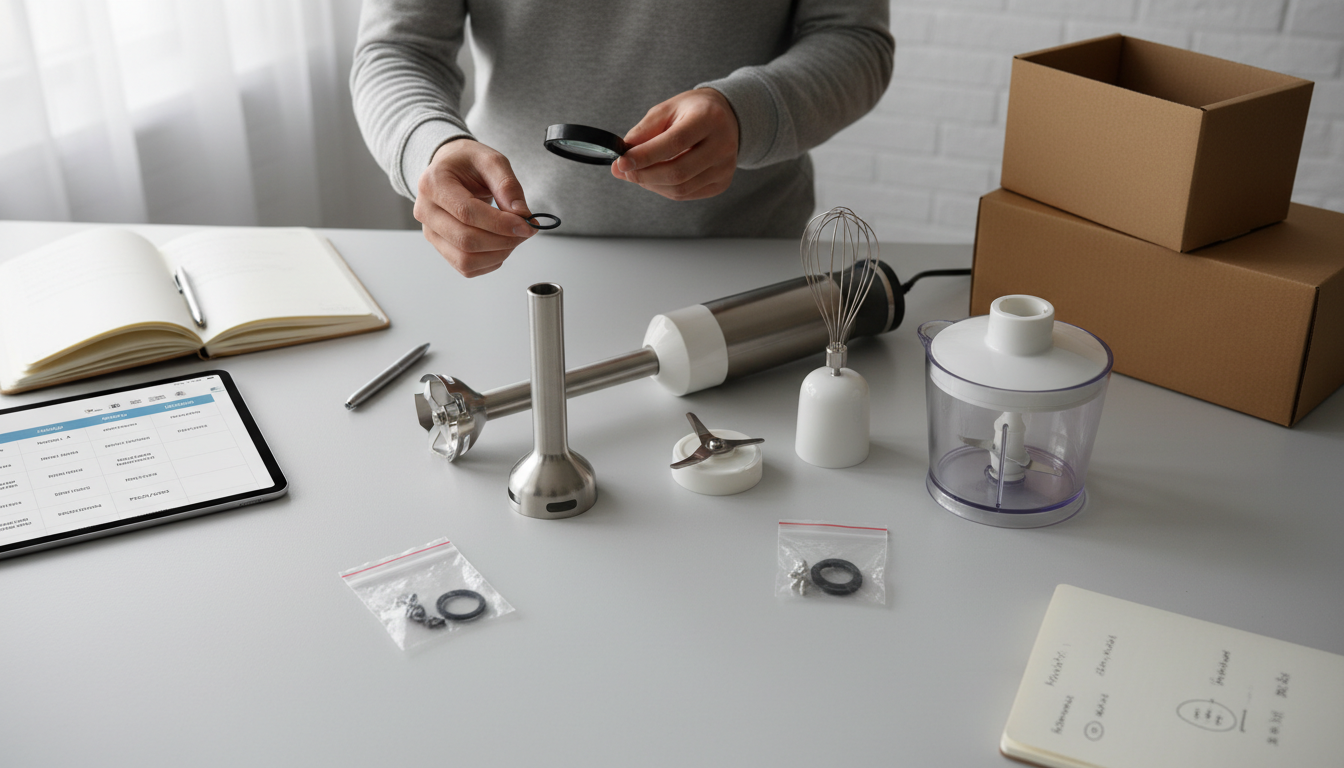
Hamilton Beach Immersion Blender Replacement Parts: A Guide to Maintenance
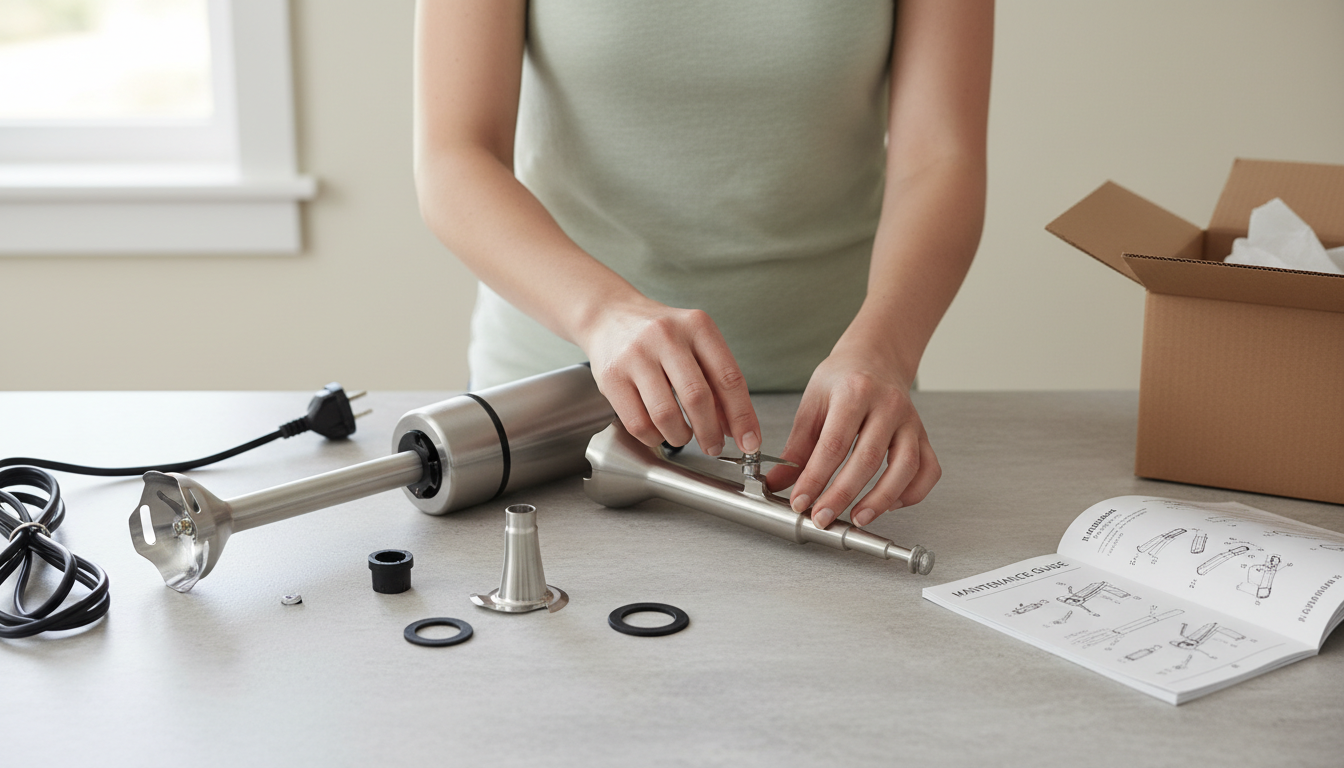
Keep Your Hamilton Beach Immersion Blender Running: The Essential Guide to Replacement Parts
Even the most reliable kitchen appliances, including your Hamilton Beach immersion blender, experience wear and tear over time. Components like blades, seals, or whisk attachments are subject to friction, repeated use, and exposure to various food textures, leading to natural degradation. When these parts begin to show signs of wear or malfunction, they can compromise your blender's efficiency and performance.
Replacing specific components is a practical and cost-effective strategy to maintain your appliance. Rather than investing in an entirely new unit, sourcing the correct replacement part can restore your Hamilton Beach immersion blender to optimal working condition. This not only extends its functional life but also ensures consistent blending results and prevents potential issues that could arise from a failing part.
This guide is designed to empower you, a Hamilton Beach immersion blender owner, with the knowledge to confidently identify the exact replacement parts you need. We'll walk through understanding compatibility, exploring sourcing options, and making informed decisions to keep your appliance performing reliably for years to come.
Understanding Your Hamilton Beach Immersion Blender's Needs: Pinpointing the Right Part
Successfully replacing a component on your Hamilton Beach immersion blender begins with precise identification. An incorrect part, even if visually similar, can lead to poor performance, further damage, or simply not fitting at all. This upfront effort ensures compatibility and prevents the frustration and waste of purchasing unsuitable items.
To confidently identify the correct replacement part, focus on two critical steps:
- Locate Your Blender's Model Number: This alphanumeric code is the most reliable identifier for your specific appliance. Hamilton Beach often prints the model number on the motor housing, the underside of the main unit, or near the power cord. If you still have the original packaging or instruction manual, it will also be listed there. Note down the full model number, as even slight variations can indicate different part specifications.
- Conduct a Thorough Visual Inspection: Once you have your model number, visually examine the damaged or worn part. This helps confirm the nature of the issue and can guide your search.
- Blades: Look for dullness, bends, cracks, or missing sections.
- Whisk Attachments: Check for bent wires or a loose connection point.
- Gaskets/Seals: Inspect for tears, hardening, or signs of degradation that could cause leaks.
- Motor Housing: Look for cracks or damage that might affect internal components or safety.
By cross-referencing your blender's exact model number with the visual evidence of damage, you significantly reduce the risk of acquiring incompatible parts. This dual approach ensures that the replacement component not only fits physically but also functions as intended with your specific Hamilton Beach immersion blender.
Key Replacement Parts for Hamilton Beach Immersion Blenders
Understanding the components most susceptible to wear and tear is crucial for maintaining your Hamilton Beach immersion blender. Identifying these parts and their common failure points allows for proactive replacement, preventing larger issues and extending your appliance's functional life.
Here are the key replacement parts to consider:
- Blades and Cutter Assemblies:
- Function: These are the primary components responsible for blending, chopping, and pureeing ingredients. Hamilton Beach immersion blenders typically feature stainless steel blades at the end of the blending shaft.
- Common Issues: Over time, blades can become dull, reducing blending efficiency and leaving unblended chunks. Physical damage, such as bent or chipped blades from contact with hard ingredients or accidental drops, can compromise performance and safety. A damaged blade assembly may also cause excessive vibration or noise.
- Trade-offs: While most blades are stainless steel for durability and hygiene, the quality of the steel and the sharpness of the grind can vary, impacting longevity and blending efficacy.
- Gaskets and O-Rings:
- Function: These small, flexible seals are vital for preventing leaks, particularly where the blending shaft connects to the motor housing or where any detachable attachments (like chopper bowls) seal.
- Common Issues: Gaskets and O-rings are prone to drying out, cracking, tearing, or stretching due to repeated use, exposure to food acids, and washing. Signs of wear include visible cracks, hardening of the material, or most notably, leaks during operation.
- Trade-offs: Most are made of rubber or silicone. Silicone offers better heat resistance and longevity but might be slightly more expensive. Regular inspection can help catch wear before leaks occur.
- Jars and Containers:
- Function: Many Hamilton Beach immersion blenders include blending beakers, measuring cups, or small chopper bowls designed to hold ingredients during processing.
- Common Issues: These containers can develop cracks or chips from impact, thermal shock (e.g., hot liquids into a cold container), or repeated stress. Over time, plastic containers may also become cloudy, stained, or absorb odors.
- Trade-offs: Plastic containers are lightweight and shatter-resistant but can scratch, stain, and may degrade faster. Glass containers are more resistant to staining and odors but are heavier and prone to breakage. Stainless steel containers offer durability and odor resistance but lack transparency.
- Detachable Shafts and Whisk Attachments:
- Function: The detachable blending shaft houses the blade assembly and connects to the motor unit. Whisk attachments are used for aerating liquids.
- Common Issues: The connection points on detachable shafts can wear down, leading to a loose fit or difficulty in attachment/detachment. The shaft itself can bend if mishandled. Whisk wires can bend or break, especially with thicker mixtures.
- Trade-offs: Most shafts are plastic or stainless steel. Stainless steel shafts offer greater durability and are easier to clean, while plastic alternatives may be lighter but more susceptible to damage.
Diagnosing Common Immersion Blender Problems and Their Part Solutions
Understanding the symptoms your Hamilton Beach immersion blender exhibits can often lead directly to identifying the necessary replacement part, transforming a frustrating malfunction into a straightforward repair. This diagnostic approach helps pinpoint the issue, ensuring you source the correct component and avoid unnecessary purchases.
Consider these common operational issues and their likely part-based solutions:
- Ineffective Blending: If your immersion blender struggles to achieve smooth textures or leaves large chunks, the issue often lies with the blade assembly. Over time, blades can become dull or damaged, reducing their cutting efficiency. While motor strain can indirectly result from dull blades forcing the motor to work harder, the primary solution is typically a new blade cutter. Inspect the existing blade for nicks, bends, or overall dullness.
- Leaks or Messy Operation: Liquid escaping from the base of the blending shaft or around the blade housing indicates a compromised seal. Hamilton Beach immersion blenders, like many appliances, rely on gaskets or O-rings to create a watertight seal. If you observe drips or seepage, carefully examine these rubber components for any signs of cracking, tearing, or flattening, which can diminish their sealing capability.
- Unusual Noises or Vibrations: Grinding, rattling, or excessive wobbling during operation can signal a problem with the blade assembly or its connection. A loose blade, a damaged shaft, or worn bearings within the assembly can cause these symptoms. Power off and unplug the unit, then physically inspect the blade for any play or visible damage to its attachment point.
- Motor Overheating: While motor overheating can stem from various causes, worn components can contribute significantly. A dull blade forces the motor to exert more effort, generating excess heat. Similarly, a compromised seal causing friction or resistance can overtax the motor. If your blender frequently overheats or emits a burning smell, evaluate the condition of the blades and seals as potential contributing factors before considering more complex motor issues.
Risk Guidance: Misdiagnosing a problem can lead to purchasing an incorrect part, wasting time and money. Always verify your Hamilton Beach immersion blender's model number and cross-reference it with the part's compatibility information. A thorough visual inspection of the suspected faulty part, comparing it against images of potential replacements, can significantly reduce the risk of error.
Where to Find Authentic and Compatible Hamilton Beach Immersion Blender Replacement Parts
Sourcing the correct replacement parts for your Hamilton Beach immersion blender is crucial for its longevity and performance. While numerous options exist, understanding the characteristics of each source—including their benefits and potential drawbacks—empowers you to make an informed decision and avoid compatibility issues.
Consider these primary avenues for acquiring components:
-
Official Hamilton Beach Channels: Purchasing directly from Hamilton Beach, typically through their official website or customer service, offers the highest assurance of authenticity and compatibility. You're guaranteed to receive genuine parts designed specifically for your model. While this route might sometimes involve standard shipping times or prices, it provides direct access to product support for any questions regarding fit or installation. This is particularly valuable for newer models or complex components where exact specifications are paramount.
-
Specialty Appliance Parts Suppliers: Dedicated appliance parts retailers often stock a wide array of components for various brands, including Hamilton Beach. Stores like Goodman's, for example, are known to carry specific Hamilton Beach blender parts such as blades, O-ring seals, and jars. These suppliers frequently offer both genuine and high-quality compatible aftermarket parts. Their staff may possess specialized knowledge, assisting you in identifying the precise part needed. Always verify their return policies and the origin of the parts (genuine vs. compatible) before purchasing.
-
Online Marketplaces: Platforms such as eBay present a vast selection of Hamilton Beach immersion blender replacement parts, ranging from new to used, and including both genuine and aftermarket options. This can be an excellent resource for finding discontinued parts or competitive pricing. However, the variety comes with inherent risks.
- Quality Variation: Aftermarket parts may not always meet the same quality standards as genuine components, potentially affecting performance or durability.
- Counterfeits: Be vigilant for non-genuine or falsely advertised parts that could damage your appliance.
- Seller Reputation: Scrutinize seller ratings, reviews, and transaction history. A seller with consistently high positive feedback and a clear return policy is generally more reliable.
Regardless of the source, prioritize seller reputation and return policies. A reputable seller provides accurate product descriptions and stands behind their sales, while a clear return policy offers recourse if the part is incorrect or defective. Always cross-reference the part number and visual description with your blender's model to ensure a perfect match.
Ensuring Compatibility and Quality: Your Buying Checklist for Replacement Parts
After identifying the specific part you need for your Hamilton Beach immersion blender, the next step involves making an informed purchase. This checklist guides you through critical considerations to ensure the replacement part fits correctly, performs reliably, and offers lasting value.
-
Reconfirm Model Compatibility: Even if you've identified your model, double-check the part's listing against your blender's full model number. Slight variations in model numbers (e.g., HB51101 vs. HB51101A) can indicate different component specifications. A misaligned part risks damage to your appliance or the new component itself.
-
Evaluate OEM vs. Aftermarket Options:
- Original Equipment Manufacturer (OEM) Parts: These are produced by Hamilton Beach or their authorized manufacturers. They typically offer guaranteed compatibility, consistent material quality, and performance identical to the original component. The trade-off is often a higher price point.
- Aftermarket Parts: Manufactured by third-party companies, these parts are generally more affordable and widely available. However, quality, material specifications, and precise fit can vary significantly. While some aftermarket options perform adequately, others may not last as long or fit as snugly, potentially leading to leaks or reduced efficiency. Consider the balance between cost savings and potential compromises in durability or fit.
-
Inspect Material Quality and Durability:
- Blades: For cutter assemblies, prioritize food-grade stainless steel. Look for solid construction and sharp, unblemished edges. Flimsy or poorly finished blades may dull quickly or corrode.
- Plastic Components: Ensure any plastic parts (like blending shafts or gear housings) are made from robust, food-safe plastic, ideally BPA-free. Avoid parts with visible mold lines, rough edges, or thin, flexible sections that suggest low durability.
- Rubber Gaskets and Seals: These are crucial for preventing leaks. High-quality rubber should feel flexible and resilient, not stiff or brittle. Inspect for any cracks or deformities, as these indicate a short lifespan or immediate failure.
-
Assess Seller Reputation and Reviews: When purchasing from third-party retailers or online marketplaces, investigate the seller's track record. Look for consistent positive feedback regarding product accuracy, shipping, and customer service. Be wary of listings with generic reviews or a lack of specific product details, as this can be a red flag for quality or authenticity.
-
Understand Return Policies and Warranties: Before finalizing your purchase, review the seller's return policy. Confirm the return window, conditions for returns (e.g., unused, in original packaging), and who bears the cost of return shipping. Some sellers or manufacturers may offer a limited warranty on replacement parts, providing an additional layer of assurance against defects.
-
Address Fit Limits and Performance Expectations: If a replacement part arrives and does not fit correctly or fails to perform as expected, first re-verify your blender's model number against the part's specifications. Do not attempt to force the part into place, as this can damage both the part and your blender. Contact the seller immediately to report the issue and initiate a return or exchange process based on their stated policies.
Frequently Asked Questions About Hamilton Beach Immersion Blender Parts
Navigating the world of replacement parts can raise several questions for Hamilton Beach immersion blender owners. Understanding these common concerns can help you make informed decisions about maintaining your appliance.
-
Why replace parts instead of buying a new immersion blender? Replacing a specific component, such as a blade assembly or whisk, can often be a more cost-effective solution than purchasing an entirely new appliance. This approach extends the lifespan of your current immersion blender, reducing electronic waste and offering a sustainable alternative to frequent replacements. It's particularly beneficial if only one part is worn or damaged while the motor unit remains fully functional.
-
Are generic replacement parts as good as original Hamilton Beach parts? Original Equipment Manufacturer (OEM) parts from Hamilton Beach are designed to precise specifications for your specific model, ensuring an exact fit, optimal performance, and adherence to manufacturing standards. Generic, or aftermarket, parts can vary significantly in quality, material, and fit. While some aftermarket options may offer a lower price point, they might not perform identically, could wear out faster, or potentially impact the overall efficiency and safety of your blender. Evaluating vendor reputation and reading product reviews can offer insight into the reliability of non-OEM options.
-
How do I ensure the replacement part I buy is compatible with my specific model? Compatibility is paramount. The most reliable method is to locate the exact model number of your Hamilton Beach immersion blender, typically found on the motor housing, base, or power cord. Cross-reference this model number with the part's description or compatibility list provided by the seller or manufacturer. Many parts also have unique part numbers; matching these ensures you're getting the correct component designed for your appliance's specifications.
-
What should I do if I can't find a replacement part for my older Hamilton Beach immersion blender model? For older or discontinued Hamilton Beach immersion blender models, finding new replacement parts can be more challenging. Start by checking specialized appliance parts retailers, both online and local, as they sometimes stock legacy components. Online marketplaces may also list parts from third-party sellers or even used, but functional, components. If a specific part remains elusive, consider if the cost and effort of sourcing a compatible alternative outweigh the investment in a newer, readily supported immersion blender.
Maintain Your Blend: A Final Word on Hamilton Beach Immersion Blender Care
The longevity and consistent performance of your Hamilton Beach immersion blender largely depend on informed maintenance and timely part replacement. Successfully refreshing your appliance hinges on accurately identifying your model number and visually assessing the specific part needing attention. This diligent approach ensures you acquire components that are not only compatible but also meet the necessary quality standards for effective repair.
Beyond addressing specific failures, embracing a routine of regular care is fundamental. Simple practices like thorough cleaning after each use and proper storage can significantly mitigate wear and tear, preventing many common issues before they escalate. This proactive stance helps preserve the integrity of seals, blades, and motor components, extending the operational life of your appliance.
Ultimately, a well-maintained Hamilton Beach immersion blender represents more than just a functional kitchen tool. It signifies a smart investment, offering continued convenience and reliable performance for your culinary tasks while avoiding the expense and environmental impact of premature replacement.
More in Blender Replacement Parts
View All
Gourmia Blender Replacement Parts: A Buyer's Guide to Compatibility and Durability
Ninja Blender Pitcher Replacement Parts: What to Look for in a Durable Upgrade