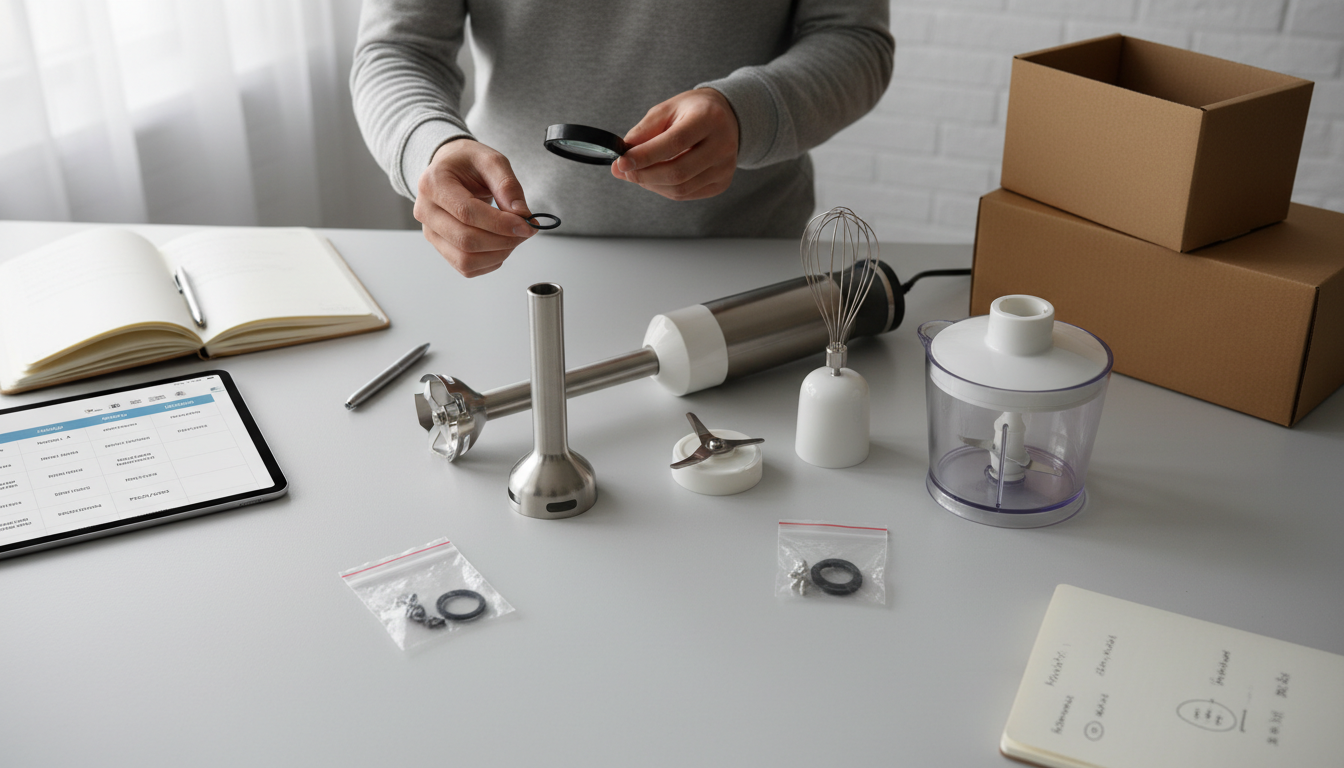
Finding Cooks Blender Replacement Parts: A Guide to Maintaining Your Appliance
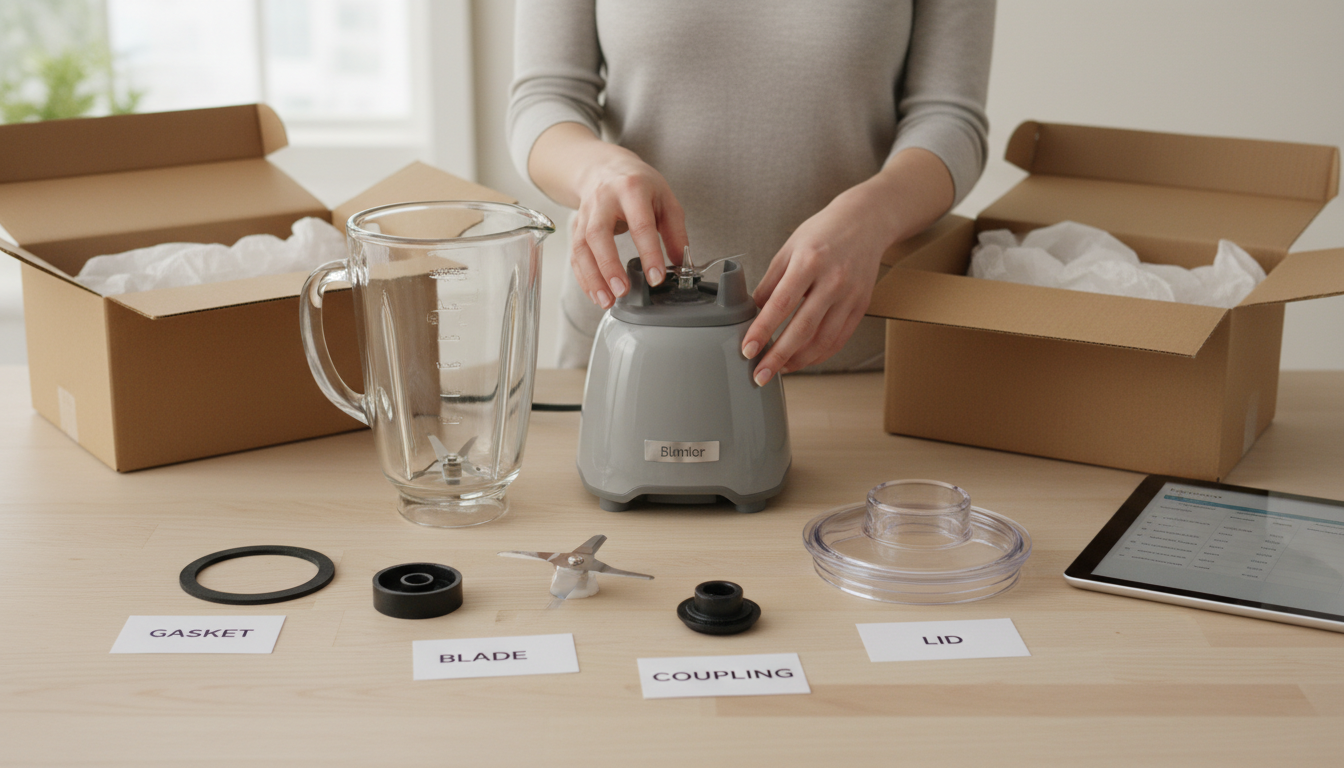
Cooks Blender brand fit snapshot
For individuals evaluating Cooks blenders, understanding the brand's general positioning can clarify expectations around replacement parts. Cooks often targets an accessible market segment, providing functional appliances at a lower price point. This approach can influence both the initial investment and the long-term ownership experience, particularly regarding durability and the eventual need for maintenance.
Buyers considering Cooks should recognize that some models, as noted by independent testing, have shown limitations in durability. This suggests that while a Cooks blender might serve immediate blending needs effectively, owners should anticipate a potentially higher likelihood of seeking replacement parts sooner than with brands known for robust, heavy-duty construction. The intent behind Cooks blenders appears to lean towards affordability and basic utility rather than extended, high-intensity performance.
- Buyer Fit:
- Individuals seeking an economical entry into home blending.
- Those with light or occasional blending needs.
- Buyers comfortable with a potentially shorter appliance lifespan or the proactive sourcing of replacement components.
- Who Should Compare:
- Users requiring a blender for frequent, demanding tasks or heavy-duty ingredients.
- Buyers prioritizing long-term appliance durability and minimal maintenance over initial cost savings.
- Those who expect consistent high performance and are willing to invest more for a blender with a proven track record of longevity.
This brand profile indicates that while Cooks blenders offer an accessible option, the trade-off may involve a greater need for replacement parts over time. This factor should weigh into a buyer's decision-making process, influencing whether to proceed with a Cooks model or explore alternatives that align with different durability and performance expectations.
Cooks-Blender Evidence evidence checklist
When evaluating replacement parts for Cooks blenders, buyers benefit from separating verifiable facts from common claims. This checklist highlights key considerations regarding the brand's parts, focusing on concrete proof points, operational limits, and critical purchasing terms.
- Part Availability Proof Points: Cooks blender replacement parts are demonstrably available through various online retailers, including platforms like AliExpress. This indicates a supply chain for components, though the reliability and quality of third-party sources can vary.
- Durability Claims & Spec Limits: Reports from organizations such as Consumer Reports have noted durability issues with certain Cooks blender models. For replacement parts, this suggests a need for careful evaluation of component material and construction, especially for frequently stressed parts like blades or gears, to avoid recurring failures.
- Compatibility Verification: Each replacement part must precisely match the specific Cooks blender model number. Variations in model series can lead to incompatible fittings, affecting performance and safety. Always cross-reference part numbers and model specifications, as even minor differences can render a part unusable.
- Material Specifications and Quality: While detailed material data for all Cooks replacement parts may not be universally published, buyers should scrutinize product descriptions for information on materials used (e.g., stainless steel blades, BPA-free plastic jars). The quality of these materials directly impacts the part's longevity and the blender's overall performance.
- Retailer-Specific Return Policy: The return policy for Cooks blender replacement parts is typically dictated by the individual retailer rather than a universal brand policy. Before purchase, confirm the seller's terms for returns, exchanges, and any specific warranty offered on the part to mitigate risk if the component is incorrect or defective.
- Installation Complexity: While not a "spec limit" of the part itself, the design of Cooks blenders may influence the ease of part replacement. Buyers should consider if the part requires specialized tools or expertise for installation, which could add to the overall cost or effort of the repair.
Cooks-Blender Use Case ownership experience
For owners of Cooks blenders, the practical experience often centers around managing expectations set by the brand's accessible price point. Daily use typically involves common kitchen tasks, such as preparing smoothies, sauces, or light batters. Given that Cooks appliances frequently cater to individuals with occasional or moderate blending needs, the ownership experience is generally straightforward for these applications. However, the nature of its construction, which allows for its affordability, can influence the long-term interaction with the appliance.
Comfort in using a Cooks blender extends beyond its initial operation to include the ease of maintenance. While the controls are generally intuitive, the comfort of ownership can be impacted by how readily components can be cleaned, disassembled, and reassembled. When it comes to replacement parts, the comfort factor shifts to the clarity of part identification and the simplicity of installation. Owners benefit from understanding their specific model's components to ensure any necessary replacements fit correctly and can be integrated without specialized tools or extensive technical knowledge.
Maintenance becomes a more pronounced aspect of Cooks blender ownership, particularly in light of observations regarding potential durability limitations. Unlike blenders designed for heavy-duty, continuous operation, a Cooks blender may require more frequent attention to key components subject to wear and tear. This proactive approach to maintenance, including timely replacement of parts, is crucial for extending the appliance's functional life.
- Daily Use Realities: Primarily suited for routine, non-intensive blending tasks. Expect performance consistent with its entry-level positioning, rather than high-demand commercial-grade output.
- Ownership Comfort Considerations: Evaluate the ease of cleaning and disassembling the blender for routine hygiene. For replacement, prioritize parts designed for straightforward, user-level installation.
- Maintenance Imperatives: Be prepared for the possibility of needing replacement parts for common wear items like blades, gaskets, or jars, potentially sooner than with more robust, higher-priced alternatives. Regular inspection and timely part sourcing are key to sustained operation.
This ownership profile suggests that while Cooks blenders offer an accessible entry into blending, a mindful approach to daily use and a proactive stance on maintenance, including sourcing compatible replacement parts, are integral to a satisfactory long-term experience.
Cooks-Blender Trade-Offs alternatives to compare
When considering a Cooks blender, evaluating its position relative to other brands can clarify whether it aligns with your long-term needs for appliance maintenance and replacement parts. The decision often involves weighing initial cost savings against potential future expenses and convenience for part sourcing.
Cooks blenders typically target an accessible market segment, which influences the availability and nature of their replacement parts. This contrasts with both lower-tier generic options and higher-end specialized brands.
-
Substitutes and Nearby Alternatives:
- Generic or Unbranded Blenders: These often represent the absolute lowest entry point. While initial cost is minimal, finding compatible replacement parts can be highly challenging, often leading to a "replace, not repair" scenario for the entire appliance. Cooks generally offers a clearer path to finding some parts compared to completely generic options, but still less robust than established mid-range brands.
- Mid-Range Appliance Brands (e.g., Hamilton Beach, Oster): These brands often sit a step above Cooks in terms of price point and may offer a more established ecosystem for replacement parts. They might have wider retail distribution for parts, more consistent model numbering for identification, and a larger aftermarket for third-party compatible components. The trade-off is a slightly higher initial investment, but potentially greater ease of repair.
- Specialized or High-Performance Brands (e.g., Ninja, Vitamix): These blenders command a premium due to features like powerful motors, advanced blade designs, and robust construction. Their replacement parts, while more expensive, are typically readily available directly from the manufacturer or authorized dealers, ensuring compatibility and quality. This category is a better fit for users with demanding blending needs who prioritize durability and long-term support over initial cost.
-
Better-Fit Scenarios for Alternatives:
- For frequent, heavy-duty use: If your blending involves daily smoothies with frozen ingredients, crushing ice regularly, or preparing nut butters, a Cooks blender may require more frequent part replacements (e.g., blades, gaskets) due to the strain. Alternatives known for stronger motors and more durable components would likely offer better longevity and consistent performance.
- When specific performance is critical: If achieving ultra-smooth textures or precise blending consistency is paramount, blenders from brands specializing in blending technology often provide superior results. Their parts are designed for specific performance metrics, which a more general-purpose Cooks blender might not match.
- For guaranteed long-term support: Buyers who prioritize the ability to easily find genuine, high-quality replacement parts for many years should consider brands with a strong commitment to post-purchase support and a wide network for parts distribution.
-
Deal Breakers for Cooks Blenders (and why alternatives might be preferred):
- Durability Concerns: If independent reviews or personal experience suggest a higher propensity for wear and tear on key components (like the motor, blade assembly, or jar base) with Cooks models, the ongoing cost and hassle of sourcing replacements could negate initial savings.
- Limited Part Availability for Specific Models: While some Cooks parts may be available, specific or older models might have limited or discontinued component support, leading to premature appliance obsolescence.
- Proprietary Parts Without Clear Identification: Difficulty in precisely identifying the correct part number or ensuring compatibility for a Cooks blender can be a significant hurdle. Some alternative brands offer clearer model-to-part matching.
Ultimately, the choice hinges on your blending frequency, performance expectations, and willingness to navigate the replacement part market. For those prioritizing robust durability and assured part availability, exploring mid-range to high-performance alternatives may offer a more suitable long-term solution.
Cooks Blender Replacement Parts FAQ
Understanding the nuances of replacement parts for a brand like Cooks, known for its accessible price point, can help buyers make informed decisions. This section addresses common concerns regarding value, alternative options, and potential missteps when maintaining your Cooks blender.
-
What value do Cooks blender replacement parts offer, given the brand's accessible price point? Cooks replacement parts primarily offer a cost-effective way to extend the service life of an appliance that often represents a lower initial investment. Rather than discarding a functional blender due to a single worn component, sourcing a replacement part can restore operation for a fraction of the cost of a new unit. This approach aligns with the brand's value proposition, allowing owners to maximize their initial purchase for light to moderate blending needs.
-
Are there alternatives to brand-specific Cooks blender replacement parts, and what are the trade-offs? Yes, alternatives often exist, particularly from third-party manufacturers or on marketplaces like AliExpress, as indicated by research. These options can sometimes be more affordable than official brand parts. However, the trade-offs can include potential fit issues, varying material quality that might impact durability, and the absence of a brand warranty. While a third-party part might function, it may not offer the same longevity or precise fit as a component designed specifically for your Cooks model, potentially leading to earlier failure or reduced performance.
-
What are common pitfalls to avoid when purchasing Cooks blender replacement parts? A primary mistake is failing to verify exact model compatibility. Cooks, like many brands, may have subtle variations between models that require specific parts. Another pitfall is neglecting to assess the material quality of third-party options; given that some Cooks blenders have been noted for durability issues, a low-quality replacement part could exacerbate existing weaknesses. Finally, overlooking installation instructions or necessary tools can lead to damage during the replacement process, negating the benefit of the new part. Always prioritize precise model matching and consider the reputation of the part supplier.
Cooks-Blender-Pick buy-or-skip verdict
For owners of Cooks blenders, the decision to invest in replacement parts often hinges on a clear cost-benefit analysis framed by the brand's accessible market position. Given that Cooks appliances are typically positioned for affordability, the "buy-or-skip" verdict for replacement parts is qualified by the specific part needed and the overall condition of your existing unit.
Consider buying replacement parts if:
- The required part is a common wear-and-tear item (e.g., gasket, blade assembly, jar lid) and its cost is a small fraction of a new blender's price.
- Your Cooks blender is otherwise functioning well, and the replacement addresses a single, isolated issue.
- You prioritize extending the life of your current appliance over purchasing a new one, and the repair is straightforward.
Consider skipping replacement parts (and potentially replacing the blender) if:
- The cost of the replacement part, especially for core components like motors or complex assemblies, approaches or exceeds half the price of a comparable new Cooks blender.
- Your blender exhibits multiple issues, suggesting a broader decline in performance or impending failure beyond the single part.
- Durability concerns, as sometimes noted for accessible brands, make you question the long-term value of repairing an appliance that may soon develop other problems.
Ultimately, the decision to purchase Cooks blender replacement parts is a practical one. If the repair is minor, cost-effective, and extends the utility of an otherwise satisfactory appliance, it's a sensible path. However, if the repair cost is significant or indicative of deeper issues, evaluating a new blender may offer better long-term value and reliability. Your next action should be to accurately identify the specific part needed, source its cost, and then weigh that against the current market price of a new Cooks blender or a comparable model from another brand.
More in Blender Replacement Parts
View All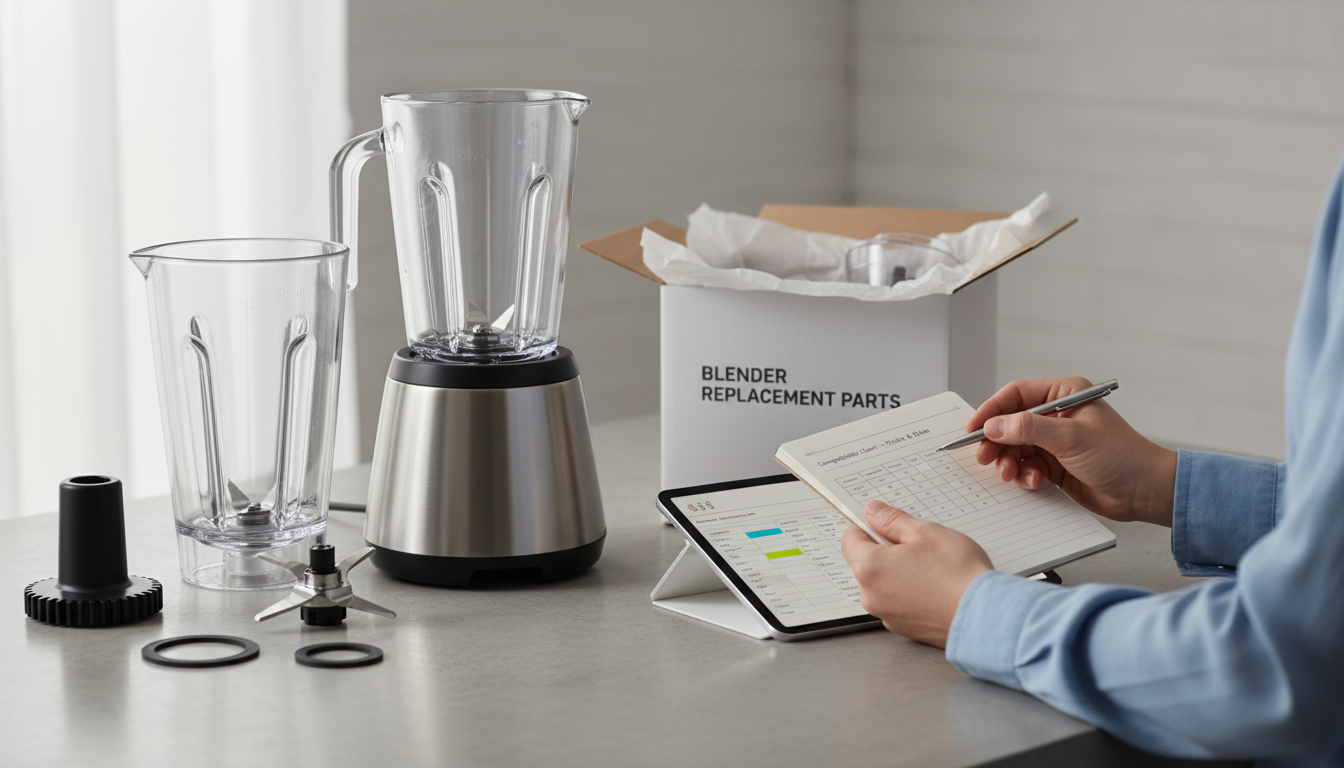
Gourmia Blender Replacement Parts: A Buyer's Guide to Compatibility and Durability
Ninja Blender Pitcher Replacement Parts: What to Look for in a Durable Upgrade