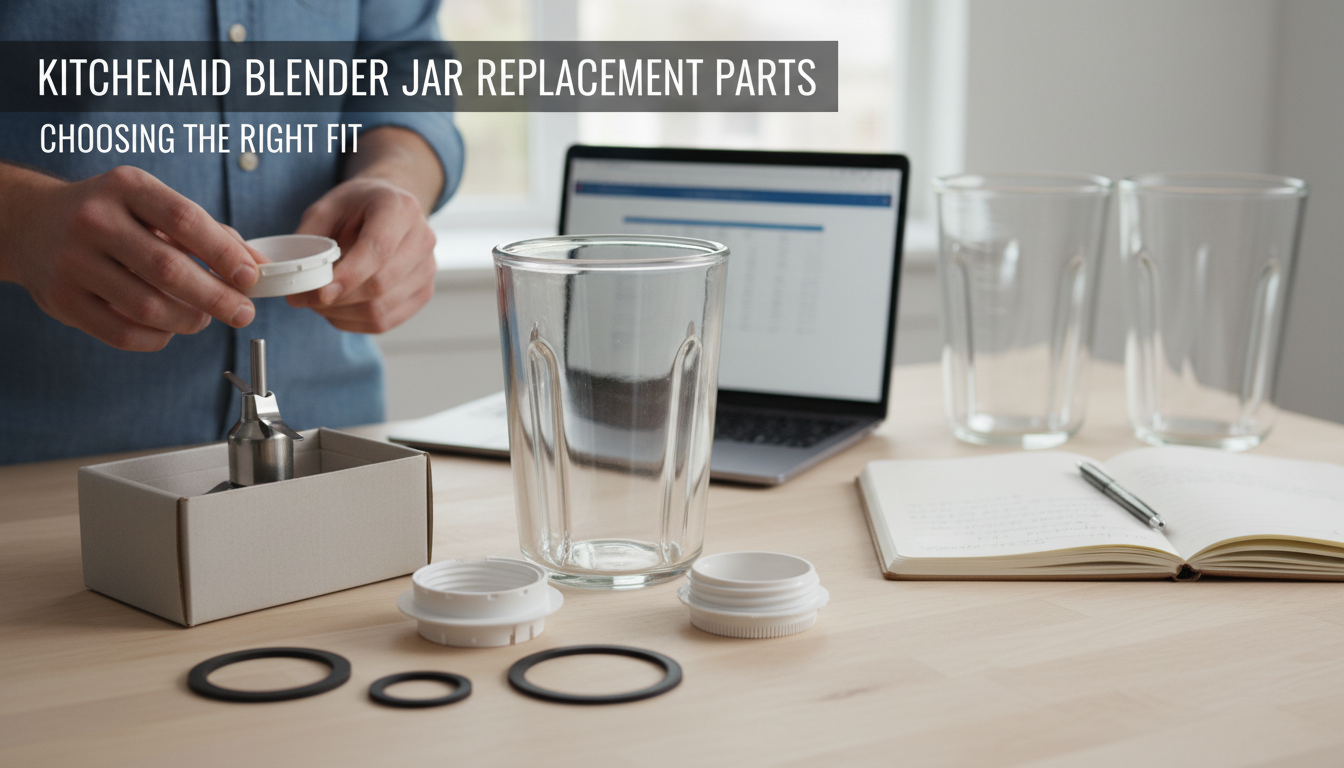
Ninja Blender Parts & Accessories: A Comprehensive Replacement Guide
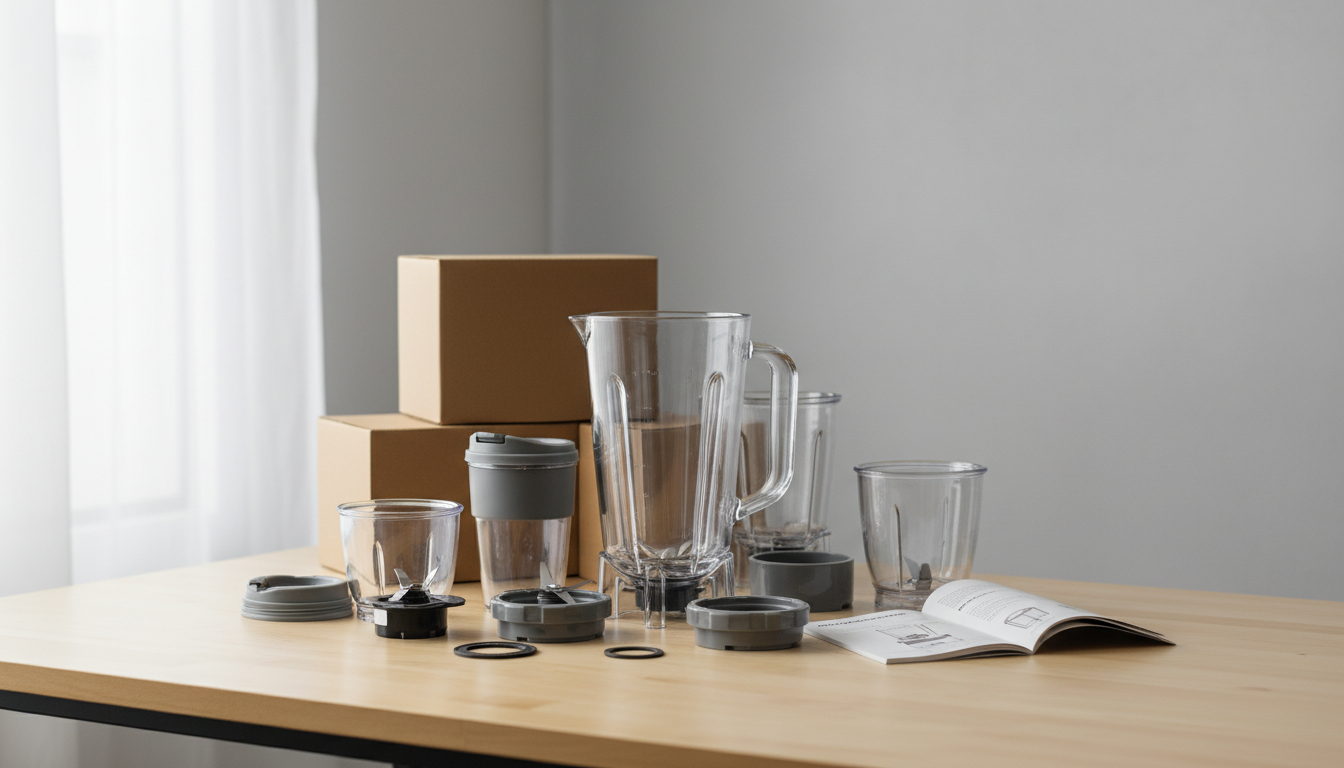
Revitalize Your Ninja: The Ultimate Guide to Replacement Parts & Accessories
Your Ninja blender is a versatile kitchen tool, but like any frequently used appliance, its components can experience wear and tear over time. Blades may dull, gaskets can degrade, and jars might crack, impacting performance or even rendering the unit unusable. Rather than replacing the entire blender, understanding how to identify and select appropriate replacement parts offers a cost-effective solution to restore its full functionality.
Beyond simple repairs, the right accessories can unlock new capabilities for your existing Ninja blender. From expanding your blending capacity with larger jars to specialized blade assemblies designed for specific ingredients, these additions can enhance your kitchen workflow without investing in a new appliance.
Making informed decisions about replacement parts and accessories is crucial for ensuring both compatibility and lasting performance. Choosing the correct part for your specific Ninja model prevents issues like leaks or improper fit, while opting for quality materials can extend the lifespan of your blender and maintain its efficiency. This guide will help you navigate these choices, empowering you to confidently maintain and upgrade your Ninja blender.
Decoding Ninja Blender Components: What You Can Replace and Upgrade
Ninja blenders are designed with modularity in mind, allowing owners to replace specific components that experience wear or to add accessories that expand functionality. Understanding these individual parts and their roles is key to maintaining your blender's performance and extending its lifespan. This approach offers a practical alternative to replacing the entire unit when only a single element is compromised.
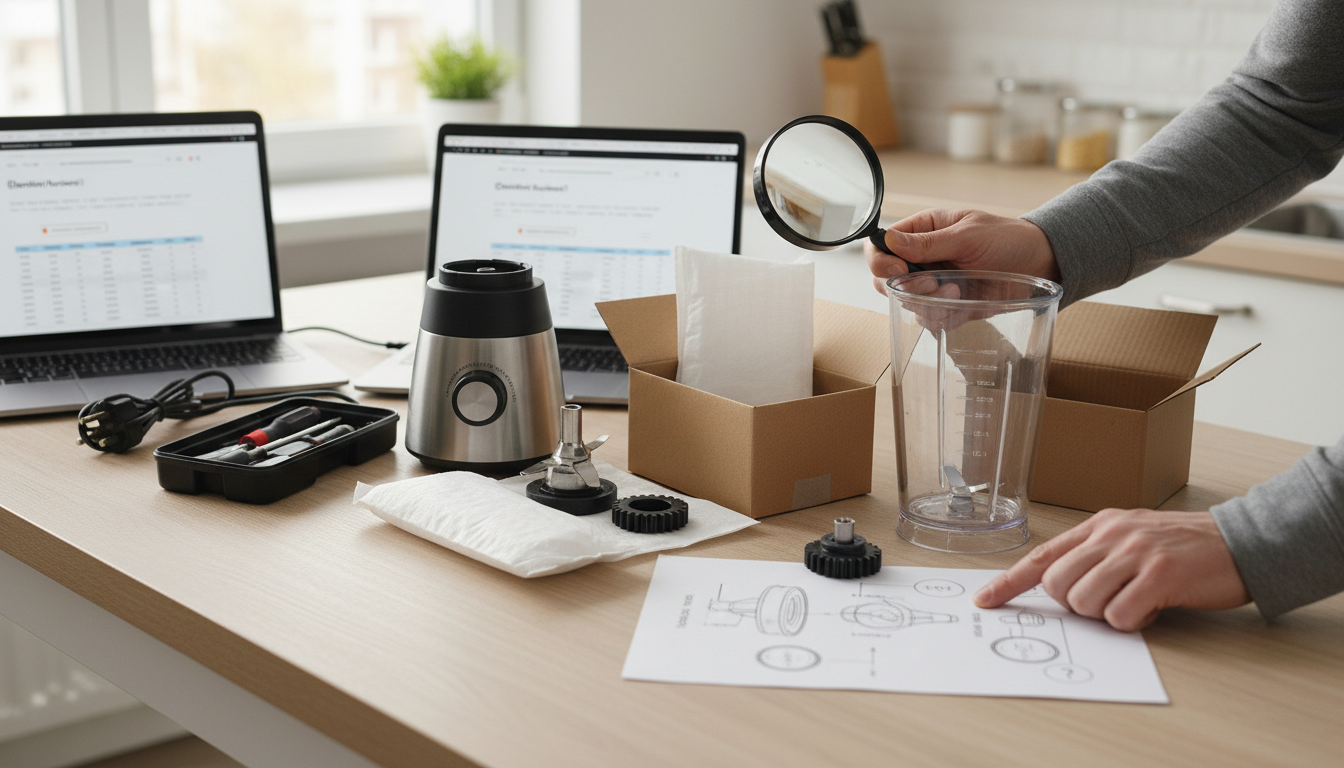
The core components of most Ninja blenders that are commonly replaced or upgraded include the blade assemblies, blending jars or cups, lids, and essential sealing gaskets. Each plays a distinct role in the blending process, and their condition directly impacts the blender's efficiency and safety.
- Blade Extractor Assemblies: These are the heart of the blending action, responsible for pulverizing ingredients. Over time, blades can dull, or the internal bearings of the assembly can wear out, leading to reduced blending efficiency, increased noise, or even leakage from the base. Ninja often uses specialized "extractor" blade designs, frequently with a specific number of fins (e.g., 7-fin), which must precisely match your blender model for proper function and secure fit. A worn blade assembly might struggle with tough ingredients, leave chunks behind when blending ice, or even be unsuitable for hot liquids due to material limitations, impacting the quality of your blends.
- Blending Jars and Cups: These containers hold your ingredients during blending. They can suffer from cracks, clouding, or odor absorption over prolonged use, particularly if not cleaned promptly. Ninja offers various sizes, from single-serve cups (like 24oz or 32oz options) to larger pitcher-style jars. Replacing a damaged jar or cup restores hygienic blending and prevents leaks, while acquiring different sizes can enhance versatility for varying batch requirements.
- Lids: Critical for containing contents and preventing spills, lids can crack, lose their seal, or have their pouring spouts or locking mechanisms break. Many Ninja systems include standard lids for storage or pouring, as well as specialized "to-go" lids that transform blending cups into portable drink containers. A compromised lid can lead to messy operation or compromise the blender's vacuum-seal capabilities, if applicable.
- Gaskets and Seals: These small but vital components, often found within blade assemblies or lid mechanisms, create a watertight seal to prevent leakage during operation. Gaskets can degrade, stretch, or become brittle over time, leading to drips or spills. Regular inspection for wear and timely replacement of these seals are crucial for maintaining a leak-free blending experience and preventing damage to the blender's motor base.
Beyond essential replacements, several accessories can enhance your Ninja blender's utility. Different cup sizes, for instance, allow you to prepare anything from a quick smoothie to a larger batch of soup. Specialized travel lids convert blending cups into portable containers, adding convenience for on-the-go lifestyles. These additions are not about fixing a problem but about optimizing your blender to better suit your diverse culinary needs. When considering any part, whether for replacement or upgrade, ensuring precise compatibility with your specific Ninja model is paramount to avoid fitment issues and ensure optimal performance.
Critical Factors for Selecting the Right Ninja Blender Parts
Choosing the correct replacement parts and accessories for your Ninja blender involves more than simply finding a component that looks similar. A careful evaluation of specific criteria ensures not only a proper fit but also sustained performance, safety, and the long-term functionality of your appliance. Understanding these factors will empower you to make informed decisions that extend the life and enhance the capabilities of your blender.
The most critical factor is model compatibility. Ninja blenders come in numerous series and models, and parts are often not interchangeable across different lines. For instance, blade assemblies frequently feature a specific number of fins (e.g., 7-fin blades) designed to fit particular motor bases and cup sizes. Similarly, features like Auto IQ technology may require specific accessories or blade types to function correctly. Always verify the exact model number of your Ninja blender, typically found on the bottom of the motor base, and cross-reference it with the part's compatibility list to prevent issues like leaks, improper seating, or damage to the motor.
Material quality directly impacts both durability and safety. For blades, look for robust stainless steel construction that resists dulling and corrosion, ensuring efficient blending over time. Blending cups and jars should be made from durable, impact-resistant, and BPA-free plastics to withstand repeated use and maintain food safety. Gaskets and sealing rings require flexible, food-grade materials that create a tight, leak-proof seal and resist degradation from blending various ingredients. Inferior materials can lead to premature wear, breakage, or compromise food safety.
Performance considerations are crucial for matching a part to your specific blending needs. Not all blades are designed for every task. Some blade designs excel at pulverizing ice into a fine powder, while others might leave small chunks. Similarly, certain cups or blade assemblies may not be suitable for blending hot liquids due to material limitations or pressure buildup. If you frequently process tough ingredients like nuts or fibrous vegetables, ensure the replacement blade assembly is engineered to handle such demands without quickly wearing down.
Finally, the role of reliable brands cannot be overstated. Opting for parts from the original manufacturer or well-regarded third-party brands often correlates with better quality control, precise fit, and adherence to safety standards. While seemingly cheaper generic options exist, they sometimes lead to issues like unexpected sizing discrepancies, poor sealing, or rapid wear, potentially costing more in the long run through frequent replacements or even damage to the blender's motor.
Avoiding Common Pitfalls with Ninja Blender Replacement Components
Navigating the market for Ninja blender replacement parts can present several challenges that, if overlooked, may lead to frustration, wasted money, or even damage to your appliance. Understanding these common pitfalls before purchasing can significantly improve your experience and ensure you select components that perform reliably.
A frequently reported issue with some replacement parts, particularly blade assemblies and cups, involves leakage and rust developing after only a few months of use. This often stems from inferior materials or poor manufacturing quality, where gaskets fail prematurely or metal components are not adequately rust-resistant. While a new part might initially seem to function, these underlying quality issues become apparent over time, compromising hygiene and performance.
Another significant risk is purchasing a part with an "unexpected size", leading to frequent returns. This highlights a critical compatibility problem where a component, despite appearing correct, does not precisely fit the specific Ninja blender model. Even subtle differences in dimensions or connector types can render a part unusable, emphasizing the necessity of verifying exact model numbers and part specifications.
The market offers a spectrum of options, from genuine manufacturer parts to various third-party alternatives. While some aftermarket options provide excellent value and quality, there's a risk of encountering subpar third-party components. These may use cheaper plastics, thinner metals, or poorly designed seals that fail quickly, leading to the leakage, rust, or poor fit issues mentioned above. Distinguishing between high-quality aftermarket parts and low-quality imitations requires careful evaluation.
To mitigate these risks, thoroughly checking user reviews for durability and common failure points is crucial. Look for patterns in feedback, particularly comments related to:
- Longevity: Do users report parts breaking or failing soon after purchase?
- Leakage: Are there consistent complaints about leaks from cups, lids, or blade bases?
- Rust: Is there mention of rust appearing on blades or metal components?
- Fit: Do multiple reviews indicate issues with the part not fitting correctly or being "too loose" or "too tight"?
Prioritizing parts that clearly state compatibility with your exact Ninja model and have a track record of positive, detailed reviews regarding long-term performance can help avoid these common pitfalls.
Maximizing the Lifespan of Your Ninja Blender Parts and Accessories
Extending the life of your Ninja blender's components, whether original or newly replaced, relies on consistent care and proper handling. Proactive maintenance not only preserves functionality but also delays the need for future replacements, ensuring your blender remains a reliable kitchen tool. Understanding the best practices for cleaning, assembly, and knowing when to replace a part versus attempting a repair are key to achieving this longevity.
Proper cleaning and care are fundamental to preventing premature wear and tear on critical components. For blades, rinse them immediately after use to prevent food residue from drying and hardening, which can strain the blade assembly during subsequent use. While some blade assemblies are dishwasher safe, handwashing can be gentler on the internal bearings and seals. Always handle blades with caution due to their sharpness. Cups and jars benefit from prompt washing with warm, soapy water. Avoid abrasive sponges or harsh chemicals that can scratch the plastic, leading to cloudiness or micro-fissures that can eventually compromise structural integrity. Gaskets and seals should be removed and cleaned separately to eliminate trapped food particles. Ensure these flexible parts are completely dry before reassembly to prevent mold or mildew growth and to maintain an effective seal. Regularly inspect gaskets for any signs of cracking, stretching, or brittleness, as these are clear indicators that replacement is imminent.
Correct assembly and disassembly techniques also play a crucial role in preventing undue stress and damage to your blender's parts. When assembling, ensure all components, especially the blade assembly and cup, are aligned properly before twisting them into place. Avoid overtightening the blade assembly onto the cup; a firm, hand-tight seal is typically sufficient. Excessive force can strip threads, deform gaskets, or put unnecessary strain on the motor coupling. Similarly, during disassembly, untwist parts gently and avoid forcing them apart. If a component feels stuck, check for food residue or misalignment rather than applying excessive force. Keeping the motor base clean and dry, wiping spills immediately, and never immersing it in water will protect its internal electronics and prolong its operational life.
Deciding whether to replace a part or attempt a repair often comes down to safety, effectiveness, and cost. For blade assemblies, if you notice significant dullness, bending, unusual noises during operation, or any leakage from the base, replacement is almost always the safer and more effective option. Attempting to sharpen blades or repair internal seals within the assembly is generally not recommended and can pose a safety risk. Gaskets that show any signs of damage—such as cracks, tears, stretching, or persistent leaks—should be replaced immediately. Their integrity is vital for preventing spills and maintaining proper suction. For cups and jars, minor cosmetic scratches are usually harmless, but any cracks, chips, or significant cloudiness that affects visibility or compromises the seal warrant replacement. In general, if a part directly impacts the blender's safety, its ability to create a consistent blend, or causes leaks, investing in a compatible replacement part is the most practical and reliable solution.
Making an Informed Choice for Your Ninja Blender
Selecting the right replacement parts or accessories for your Ninja blender involves more than just finding a match; it requires a thoughtful balance between initial cost, the quality of the component, and your specific blending requirements. This approach ensures you invest wisely, extending your appliance's life and enhancing its utility rather than facing repeated issues or dissatisfaction.
Consider the trade-offs inherent in different options. While some aftermarket parts may offer a lower upfront cost, they might not always provide the same durability or precise fit as genuine or high-quality compatible alternatives. Conversely, investing in a robust, well-engineered part can prevent future problems like leaks, reduced blending efficiency, or premature wear, ultimately saving money and frustration in the long run. Focus on components designed to withstand the rigors of frequent use, especially if your blending habits involve tough ingredients or daily operation.
Before finalizing any purchase, asking specific questions can clarify your needs and help evaluate potential options:
- Does this part directly address a specific problem I'm experiencing, or will it genuinely enhance my blending experience? Avoid impulse purchases by linking the part to a clear need.
- Have I double-checked the exact model number of my Ninja blender against the part's compatibility list? Even slight variations can lead to improper fit or malfunction.
- What materials are used in the part's construction, and do they meet my durability and safety expectations (e.g., BPA-free plastics, food-grade stainless steel)? Quality materials contribute to both performance and longevity.
- Are there any known limitations or common issues reported for this specific type of replacement part (e.g., blade dulling quickly, gasket leaks)? Researching user feedback can highlight potential pitfalls.
- How does the warranty or return policy compare between different sellers or brands for this component? This provides a safety net if the part doesn't meet expectations.
Emphasizing the long-term value of durable and compatible components is paramount. A well-chosen replacement part or accessory not only restores or upgrades your Ninja blender but also contributes to its overall lifespan. This strategic approach transforms your blender from a disposable appliance into a sustainable kitchen asset, capable of consistently delivering optimal performance for years to come.
Frequently Asked Questions About Ninja Blender Components
Navigating the world of replacement parts for your Ninja blender can raise several questions, especially when aiming to maintain performance and extend the appliance's life. Understanding these common queries can empower you to make informed decisions.
-
How do I find the correct replacement part for my Ninja blender model? The most crucial step is to accurately identify your specific Ninja blender model number. This number is typically found on a label on the underside of the blender's motor base. Once you have this, you can use it to cross-reference compatibility when searching for parts. Official Ninja channels and authorized retailers often provide compatibility charts or search functions that require your model number to ensure a precise match. Generic searches without this specific detail can lead to purchasing incompatible items.
-
What are the key differences between genuine Ninja parts and aftermarket alternatives? Genuine Ninja parts are manufactured by the brand itself, designed to exact specifications for fit, function, and material quality. They typically offer guaranteed compatibility and performance, often at a higher price point. Aftermarket alternatives, produced by third-party manufacturers, can be more budget-friendly and widely available. However, their quality, material composition, and precise fit can vary significantly. Some users report issues with aftermarket parts, such as unexpected sizing leading to returns or concerns about long-term durability, including potential leaks or rust after use. The trade-off often lies between assured quality and fit versus potential cost savings.
-
What are common problems to watch out for with replacement parts, like leaks or poor fit? When selecting replacement parts, vigilance is key to avoiding common pitfalls. Leaks, particularly from the blade assembly or cup, are often a sign of an ill-fitting gasket or a blade assembly that doesn't seal correctly with the blender base or cup. Poor fit can manifest as difficulty attaching the cup or blade, excessive vibration during operation, or even damage to the motor over time. Some replacement blades might also struggle with specific tasks, such as thoroughly pulverizing ice, potentially leaving larger chunks. These issues can arise from slight variations in manufacturing tolerances, especially with aftermarket components.
-
How often should I consider replacing my Ninja blender blades or cups? There isn't a universal schedule for replacing Ninja blender blades or cups, as usage frequency and types of ingredients blended heavily influence wear. For blades, consider replacement when you notice a decrease in blending efficiency, increased noise during operation, or visible signs of dullness, rust, or damage to the bearing mechanism. Cups or jars should be replaced if they develop cracks, become cloudy and difficult to clean, retain persistent odors, or if the locking tabs or sealing surfaces show signs of wear that could compromise safety or lead to leaks. Regular inspection for these indicators will help determine the optimal replacement timing.
Blend On: Confidently Choosing Your Ninja Blender Upgrades
Empowering yourself with knowledge about Ninja blender replacement parts and accessories means you're no longer at the mercy of a worn blade or a cracked jar. The decision to replace components, rather than the entire unit, is a practical step towards extending your appliance's lifespan and maintaining its peak performance. By prioritizing compatibility with your specific Ninja model and scrutinizing the quality of materials, you ensure that every replacement or upgrade contributes positively to your blending experience.
Throughout this guide, the emphasis has been on making informed choices—understanding the trade-offs between genuine and aftermarket parts, recognizing potential failure points like dull blades or leaky gaskets, and accurately identifying the right fit for your needs. This methodical approach not only saves money but also minimizes environmental impact by extending the utility of your existing kitchen investment.
With a clear understanding of the criteria, potential risks, and the benefits of selecting appropriate parts, you are now equipped to confidently navigate the world of Ninja blender maintenance and enhancement. Continue to enjoy the versatility and power of your Ninja blender, knowing that you can keep it running efficiently for years to come.
More in Blender Replacement Parts
View All
Kenwood Blender Replacement Parts: Ensuring Compatibility and Long-Term Reliability
Ninja Bullet Blender Replacement Parts: Restoring Your Compact Blender's Performance