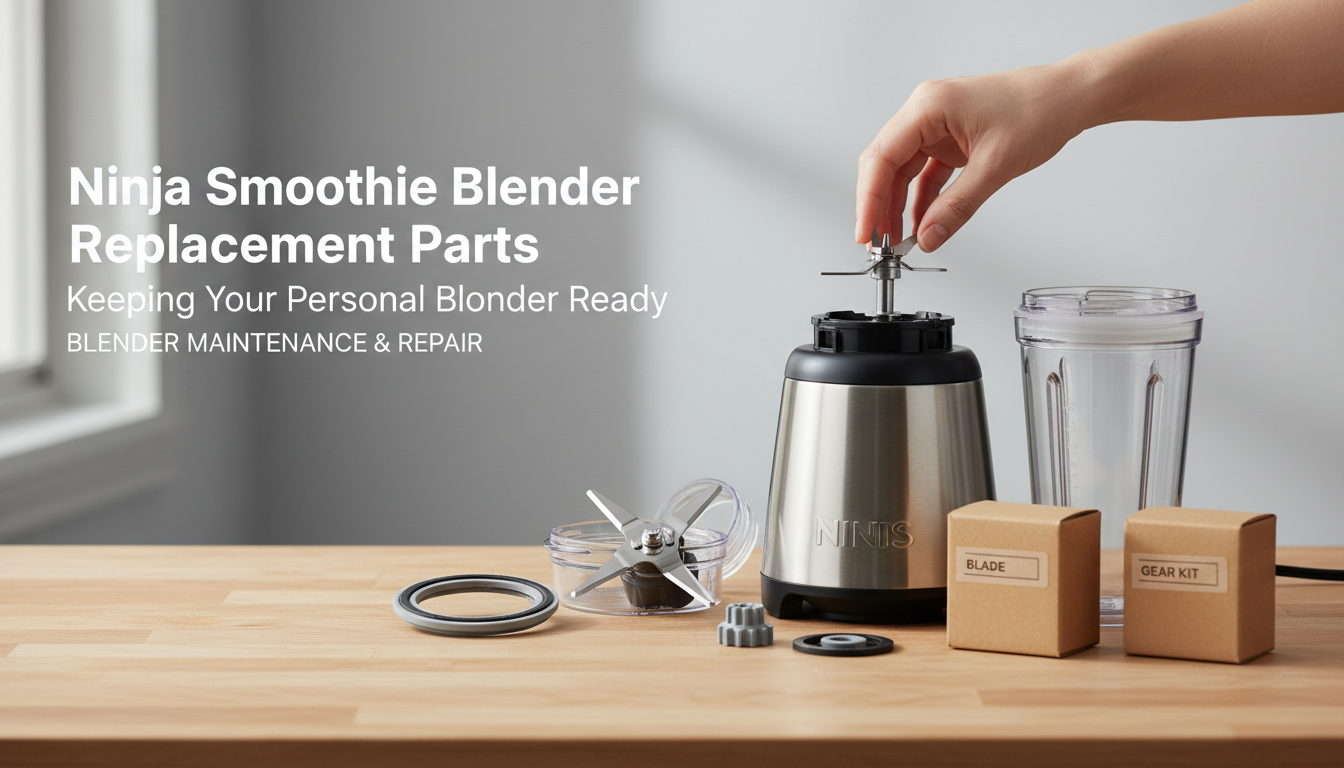
Ninja Pro Blender Replacement Parts: Ensuring Continued High-Performance Blending
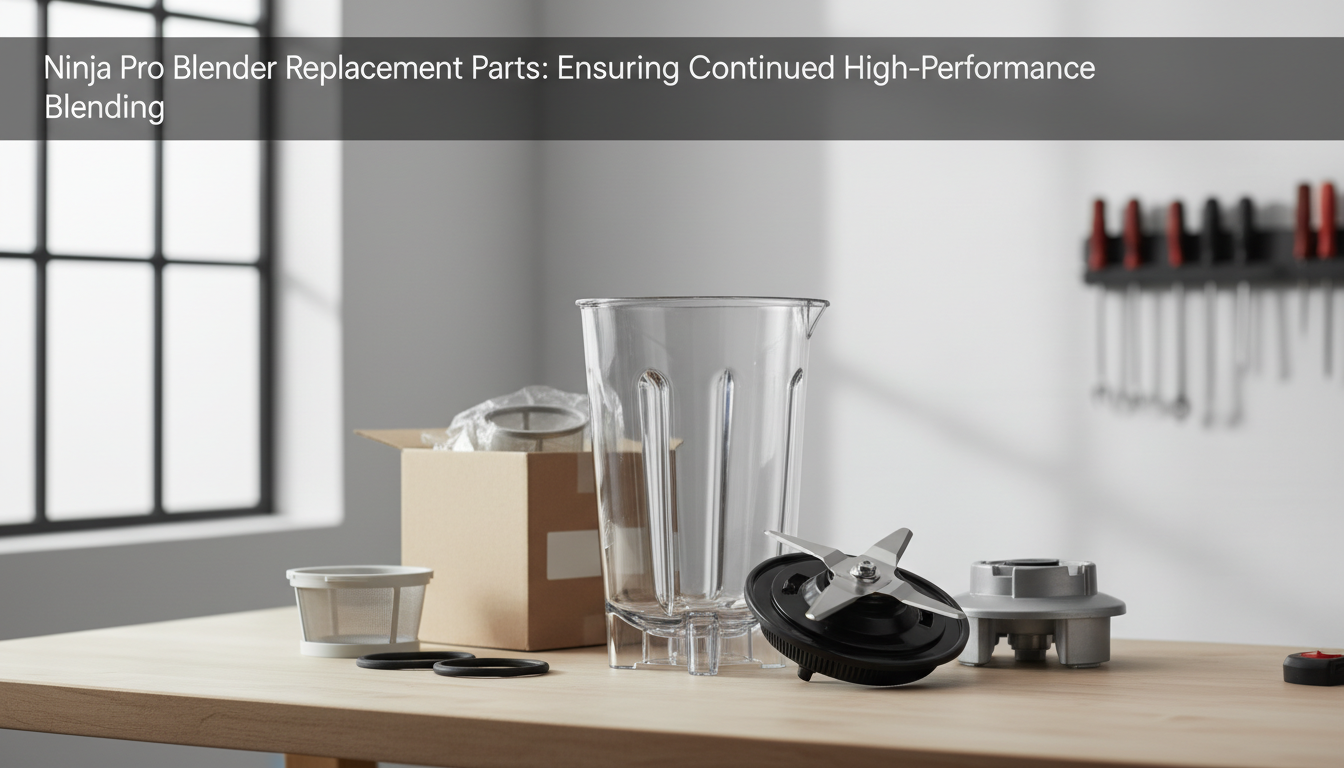
Revitalize Your Blend: The Essential Guide to Ninja Pro Replacement Parts
Ninja Pro blenders are a cornerstone in many kitchens, valued for their robust power and consistent performance in tackling everything from smoothies to tough ingredients. This high-performance design, however, doesn't exempt them from the natural wear and tear that all mechanical appliances experience. Over time, components like blades, seals, and containers can show signs of degradation, potentially compromising your blender's efficiency and the quality of your blends.
This guide aims to empower Ninja Pro owners to confidently identify, evaluate, and acquire the necessary replacement parts. Our focus is on ensuring these parts are:
- Precisely compatible: Matching your specific Ninja Pro model is critical for safe and effective operation.
- Built for durability: High-quality materials are essential to withstand the demands of powerful blending.
- Performance-restoring: The right parts will help your blender return to its peak operational capacity.
By making informed choices about replacement components, you can maintain the powerful performance you expect from your Ninja Pro blender and significantly extend its useful lifespan, ensuring your investment continues to deliver consistent results.
Why Your Ninja Pro Needs Quality Replacement Parts to Maintain Peak Performance
Your Ninja Pro blender is engineered for powerful, consistent performance, designed to pulverize ingredients and deliver smooth results. However, even robust appliances experience wear and tear. Over time, the demanding work of blending can degrade critical components, leading to a noticeable decline in performance and potentially compromising the safety and longevity of your appliance. Identifying and addressing these issues with high-quality replacement parts is essential to preserving the "Pro" level functionality you expect.
Common indicators that your Ninja Pro blender parts are wearing down include:
- Dull or Damaged Blades: The sharp edges of the extractor blades can become dull or chipped from processing hard ingredients like ice or frozen fruit. This results in longer blending times, uneven textures, and ingredients that remain chunky rather than smooth.
- Leaking Gaskets or Seals: Over time, rubber or silicone gaskets can crack, stretch, or become brittle. A compromised seal often leads to leaks around the blade assembly or cup, creating a mess and potentially allowing liquid to enter the motor base, risking damage.
- Cracked or Hazy Cups/Pitchers: Repeated use, impacts, or exposure to high temperatures can cause blending cups or pitchers to develop hairline cracks or become cloudy. Beyond aesthetics, cracks can weaken the container, leading to potential breakage during operation.
- Worn Drive Gear or Couplings: The plastic or rubber coupling that connects the blade assembly to the motor base can wear down, leading to grinding noises, inconsistent power transfer, or the blades failing to spin altogether.
Faulty or worn components directly impact your blender's core function. Dull blades force the motor to work harder, increasing energy consumption and potentially shortening its lifespan. Leaks not only create cleanup headaches but also pose a safety risk if liquids reach electrical components. Using compromised parts can also lead to an inferior blending experience, where your smoothies are gritty or your sauces are uneven.
Timely replacement with parts designed to meet the original specifications is a proactive measure. It prevents minor issues from escalating into more significant, costly repairs or the need to replace the entire unit. By ensuring components like blades, gaskets, and cups are in optimal condition, you maintain the powerful vortex action and precise pulverization that define the Ninja Pro experience. This commitment to quality replacement parts ensures your blender continues to operate efficiently, safely, and at its peak performance for years to come.
Essential Ninja Pro Blender Replacement Parts to Consider
Maintaining the powerful performance of your Ninja Pro blender often hinges on the condition of its key components. Over time, even the most durable parts can experience wear and tear, necessitating replacement to ensure your appliance continues to blend efficiently and safely. Understanding the function of these parts and common failure points is crucial for selecting the right replacements.
-
Extractor Blades: These are the workhorses of your Ninja Pro, responsible for pulverizing ingredients. Their performance is critical for achieving smooth textures.
- Function: Designed with specific blade configurations (e.g., 6-fin, 7-fin) to extract nutrients and break down tough ingredients.
- Common Wear: Blades can dull over time from processing hard items like ice or frozen fruits, leading to less efficient blending and chunky results. Bearing issues within the blade assembly can also develop, causing increased noise, leakage, or the blade to seize entirely.
- Impact: Dull or faulty blades strain the motor, increase blending time, and compromise the consistency of your recipes.
-
Blending Cups/Jars: The primary containers for your ingredients, these come in various sizes for single servings or larger batches.
- Function: Designed to withstand the forces of high-speed blending and provide a secure, sealed environment.
- Common Damage: Cracks can form from drops, impacts, or thermal shock (e.g., hot liquids followed by cold). Wear on the threads that connect to the motor base or lid can lead to an insecure fit or leaks.
- Necessity of Proper Sealing: A compromised cup or jar can leak, create a mess, and prevent the blender from creating the necessary vortex for optimal blending.
-
Gaskets and O-Rings: These small but vital components are typically made of rubber or silicone.
- Function: They create a watertight seal between the blade assembly and the cup, or within the lid mechanism, preventing leaks during operation.
- Critical Role: A tight seal is essential for both safety and blending efficiency, as it contains liquids and helps maintain pressure within the blending chamber.
- Wear: Over time, these can become brittle, stretched, cracked, or discolored, losing their sealing effectiveness.
-
Lids and Spout Covers: Essential for containment and user convenience.
- Function: Lids secure the blending container, preventing splashes and spills, while spout covers allow for easy pouring.
- Importance: A properly functioning lid ensures safety during operation and prevents ingredient loss. Broken tabs or worn seals on lids can lead to spills and compromised blending.
-
Other Components: While less frequently replaced, other parts might occasionally require attention. These can include drive gears (small plastic or metal gears that connect the motor to the blade assembly, which can strip) or, in rare cases, the motor base itself if the internal electronics or motor fail. Such issues are often more complex and may warrant professional assessment or considering a full unit replacement.
Navigating Compatibility: Finding the Right Fit for Your Ninja Pro Model
Ensuring precise compatibility is the most critical step when seeking replacement parts for your Ninja Pro blender. Unlike generic kitchen appliances, Ninja Pro blenders come in various series and models, each with specific design nuances that dictate which parts will fit and function correctly. Using an incompatible part can lead to poor blending performance, leaks, damage to the appliance, or even safety hazards.
To confidently select the correct component, consider these essential steps:
-
Pinpoint Your Ninja Pro Model Number:
- Every Ninja Pro blender has a unique model number, often found on a sticker or label located on the base of the motor unit. This number is usually a combination of letters and digits (e.g., BL480, BL682, CT680).
- Consult your original owner's manual if the label is worn or missing. This specific identifier is paramount, as parts designed for one series may not align or seal properly with another, even if they appear similar.
-
Understand the Risks of Misalignment:
- Performance Degradation: Incorrect blades may not achieve optimal cavitation, leading to chunky or uneven blends.
- Leaks and Spills: Improperly fitting cups, lids, or seals can result in liquid escaping during operation, creating a mess and potentially damaging the motor.
- Appliance Damage: Forcing an ill-fitting part can strip threads, crack plastic, or strain the motor coupling, leading to costly repairs or rendering the blender unusable.
- Safety Concerns: Loose or improperly secured components can detach during high-speed blending, posing a physical risk.
-
Cross-Reference Part Numbers and Model Ranges:
- Once you have your model number, carefully review the product description of any potential replacement part. Reputable sellers will explicitly list the compatible Ninja Pro models or series.
- Be aware that some parts are designed for a broad range of models, while others are highly specific. For instance, a blade assembly might fit all BL480 series blenders but not a BL682.
-
Evaluate Original Equipment Manufacturer (OEM) vs. Aftermarket Options:
- OEM Parts: These are manufactured by Ninja or an authorized supplier, often ensuring an exact fit, identical material quality, and consistent performance with the original component. The trade-off is typically a higher cost.
- Aftermarket Parts: Produced by third-party manufacturers, these can offer a more budget-friendly alternative. However, quality, material durability, and precise fit can vary significantly. When considering aftermarket options, prioritize sellers with transparent product specifications, positive user feedback, and clear return policies to mitigate potential risks associated with inconsistent quality.
Evaluating Quality and Durability: What to Look For in Ninja Pro Replacement Parts
Maintaining the high-performance blending capabilities of your Ninja Pro appliance hinges on the quality of its replacement parts. Not all replacement components are created equal, and understanding key indicators of durability and proper construction can prevent future issues and ensure your blender continues to operate effectively and safely. Focus on the materials, build integrity, and precise fit to make an informed purchase.
When assessing potential replacement parts, consider the following:
-
Material Considerations for Blades, Cups, and Seals
- Blades: The extractor blades are central to the Ninja Pro's performance. Look for blades crafted from food-grade stainless steel. This material resists corrosion and maintains a sharp edge longer, crucial for efficiently breaking down tough ingredients. Inferior metals can dull quickly or even rust, compromising both performance and food safety.
- Cups/Containers: Replacement cups should be made from durable, food-grade plastic that is BPA-free. These plastics are designed to withstand repeated impact from blending, temperature fluctuations, and regular cleaning without cracking or clouding prematurely. Check for thickness and clarity, as thin or hazy plastics may indicate lower quality.
- Seals and Gaskets: These components, often made of rubber or silicone, are vital for preventing leaks. High-quality seals will be flexible yet resilient, capable of forming a tight seal over time. Avoid seals that appear brittle, overly soft, or have visible imperfections, as these are prone to tearing or losing elasticity.
-
Assessing Build Quality and Longevity The overall construction of a replacement part can hint at its lifespan.
- Sturdy Construction: Parts should feel solid and substantial, not flimsy. Examine connection points, threads, and edges for clean finishes without burrs or rough spots.
- Tight Tolerances: A well-made part will fit precisely with other components of your Ninja Pro blender. This means minimal wobble or play when attached, which is critical for efficient operation and preventing premature wear on the motor or other parts.
- Common Failure Points: Be aware of areas frequently reported for durability issues. For Ninja Pro blades, issues with blade bearings seizing can occur, leading to grinding noises or complete failure. For plastic components like cups or lids, cracking around stress points (e.g., threads, handles) is a common concern. High-quality replacements often address these vulnerabilities with improved designs or materials.
-
The Importance of Well-Fitting Parts Beyond material and construction, the fit of a replacement part is paramount. A part that doesn't fit correctly can lead to several problems:
- Leaks: An improper seal or ill-fitting cup can result in messy and wasteful leaks during blending.
- Inefficient Operation: Blades that don't align perfectly with the cup or motor base may not blend effectively, leaving chunks or requiring more power.
- Damage to the Blender: Poorly fitting parts can put undue stress on the motor coupling, threads, or other components, potentially causing damage to the blender itself over time. Always ensure the replacement part is explicitly stated to be compatible with your specific Ninja Pro model number.
Making an Informed Choice: Criteria and Trade-offs for Your Ninja Pro Parts
When your Ninja Pro blender requires a replacement part, the decision extends beyond simply finding an available component. It involves a strategic evaluation to ensure the new part not only fits but also upholds the performance standards you expect. Navigating the options requires understanding the interplay between cost, quality, and long-term reliability.
Balancing Cost and Performance The market for replacement parts typically offers a spectrum from lower-cost alternatives to genuine manufacturer components or high-quality third-party options. While a cheaper part might seem appealing initially, it often comes with trade-offs that can impact your blender's longevity and performance.
- Lower-Cost Options: These might use less durable materials, have slightly less precise manufacturing tolerances, or lack rigorous quality control. This can lead to premature wear, reduced blending efficiency, or even damage to other parts of your blender over time.
- Higher-Quality Options (Original or Reputable Third-Party): These typically involve a greater upfront investment. However, they are often manufactured to stricter specifications, using materials designed to withstand the stress of high-speed blending. This usually translates to a more precise fit, enhanced durability, and consistent performance, ultimately extending the life of your appliance and providing better value.
The long-term value of investing in appropriate replacements cannot be overstated. A part that fails quickly or compromises the blender's function may necessitate another replacement sooner, negating any initial savings and causing additional inconvenience.
Recognizing Potential Fit Issues and Risks One of the most critical aspects of purchasing Ninja Pro replacement parts is ensuring exact compatibility. Ninja offers various blender models, and parts are rarely universally interchangeable. Incorrectly fitted parts pose several risks:
- Operational Hazards: A blade assembly that doesn't seat correctly can leak, cause excessive vibration, or even detach during operation, posing a safety risk.
- Reduced Performance: Ill-fitting lids may not create a proper seal, leading to spills, while an incompatible container might not activate the blender's safety mechanisms, preventing it from working at all.
- Damage to the Blender: Misaligned or poorly manufactured parts can strain the motor, strip gears, or cause other internal damage, potentially leading to costly repairs or rendering the entire appliance unusable.
- Material Concerns: Low-quality plastics may not be BPA-free or durable enough to withstand repeated use and cleaning, potentially impacting food safety and product lifespan.
Key Questions Before Purchasing To mitigate risks and make an informed decision, consider these questions:
- Model Compatibility: Does the part explicitly state compatibility with your exact Ninja Pro model number (e.g., BL660, BL770, CT680)? Always verify your blender's model number, usually found on the base.
- Material Specifications: Are the materials used clearly stated (e.g., food-grade stainless steel for blades, BPA-free plastic for containers)?
- Seller Reputation: Does the seller have positive reviews regarding the quality and accuracy of their replacement parts?
- Return Policy: What is the return or exchange policy if the part doesn't fit or is defective upon arrival?
- Warranty/Guarantee: Does the part come with any warranty or guarantee of performance?
By thoroughly vetting these aspects, you can confidently select replacement parts that restore your Ninja Pro blender to its powerful, high-performance state, ensuring its continued reliability for years to come.
Frequently Asked Questions About Ninja Pro Blender Replacement Parts
Navigating the world of replacement parts can bring up several questions for Ninja Pro blender owners. Understanding these common queries can help you make informed decisions and ensure your appliance continues to operate at its best.
-
How often should I replace my Ninja Pro blender blades or gaskets? The lifespan of blades and gaskets depends heavily on usage frequency and the types of ingredients processed.
- Blades: Look for signs of wear such as increased blending time, chunky results, or visible dullness, nicks, or cracks on the blade edges. Processing tough ingredients like ice, frozen fruits, or nuts regularly can accelerate wear. While there's no universal timeline, inspecting your blades every 6-12 months for heavy users is a practical approach.
- Gaskets: These flexible seals are prone to wear from compression, heat, and exposure to various liquids. Inspect your gaskets for cracks, tears, brittleness, or stretching. A clear indicator for replacement is any leakage from the blender cup or pitcher during operation. Replace gaskets immediately if damage or leakage is observed.
-
Can I use parts from a different Ninja model for my Ninja Pro? Generally, it is not recommended. Ninja produces various blender lines (e.g., Nutri Ninja, Ninja Professional, Ninja Foodi), and even within the "Pro" series, there can be significant model-specific variations. Components like blade assemblies, cups, and lids are often designed with precise dimensions, threading, and coupling mechanisms unique to certain model numbers. Using an incompatible part can lead to a poor fit, leaks, damage to your blender's motor base, or potential safety hazards. Always verify compatibility with your specific Ninja Pro model number before purchasing any replacement part.
-
Are all '7-fin' or '6-fin' blades the same for Ninja Pro blenders? No, the number of fins on a blade assembly (e.g., 6-fin or 7-fin) is a common characteristic, but it does not guarantee universal compatibility across all Ninja Pro blenders. While the fin count indicates the motor coupling design, other critical factors like the blade base diameter, the threading type, and the overall blade height can vary significantly between different Ninja Pro models. Always cross-reference the replacement part's compatibility list with your specific Ninja Pro blender model number (e.g., BL770, BL660, BL450 series) to ensure an exact and safe fit.
-
How do I know if my replacement part is food-grade and safe? Ensuring your replacement parts are food-grade is crucial for health and safety.
- Source Reliability: Purchase parts from reputable vendors, whether directly from Ninja or from established third-party retailers known for quality.
- Material Specifications: Look for explicit declarations that the materials are "food-grade," "BPA-free," or meet specific safety standards (e.g., FDA compliance for plastics). Reputable sellers typically provide this information in product descriptions.
- Visual and Olfactory Inspection: Upon receiving a new part, visually inspect it for any unusual residues, discoloration, or manufacturing defects. A strong, unpleasant chemical odor can also be a red flag.
-
What should I do if a new replacement part doesn't fit or causes issues? If a newly acquired replacement part for your Ninja Pro blender doesn't fit correctly or causes operational problems, take the following steps:
- Re-verify Compatibility: Double-check your specific Ninja Pro blender model number against the part's listed compatibility. Small discrepancies in model numbers can lead to fit issues.
- Review Installation: Ensure you have installed the part correctly, following any provided instructions. Sometimes a gasket or blade assembly needs to be seated precisely.
- Contact the Seller: If you've confirmed compatibility and correct installation, and the issue persists, contact the vendor or manufacturer where you purchased the part. Provide details of the problem, and include photos or videos if they help illustrate the issue. They may offer troubleshooting advice, an exchange, or a refund.
- Prioritize Safety: Do not force a part that doesn't fit, and avoid operating the blender if the new part causes unusual noises, leaks, or instability. This could lead to further damage to your appliance or pose a safety risk.
Maintaining Your Ninja Pro's Peak Performance for Years to Come
The longevity and consistent high performance of your Ninja Pro blender hinge significantly on the judicious selection of replacement parts. Rather than viewing a worn component as a sign of obsolescence, consider it an opportunity to renew your appliance's capabilities. By making informed choices, you actively contribute to its sustained efficiency.
To ensure your Ninja Pro continues to deliver powerful blends, always prioritize:
- Precise Compatibility: Verifying that a part is specifically designed for your Ninja Pro model is non-negotiable. An ill-fitting component can compromise performance, lead to further damage, or even pose safety risks.
- Assured Quality: Opting for parts known for their robust construction and appropriate materials ensures they can withstand the demanding tasks your blender performs. This directly impacts both the effectiveness of your blends and the lifespan of the replacement part itself.
- Durability: Investing in durable replacements minimizes the frequency of future repairs, providing greater long-term value and consistent blending results.
Your diligence in evaluating these factors during the selection process empowers you to maintain the "Pro" level performance you expect. Ultimately, by understanding and applying these principles to your replacement part purchases, you can significantly extend the operational life of your Ninja Pro blender, ensuring it remains a reliable tool in your kitchen for many years to come.

More in Blender Replacement Parts
View All
Osterizer 14-Speed Blender Replacement Parts: Keeping Your Vintage Blender Running
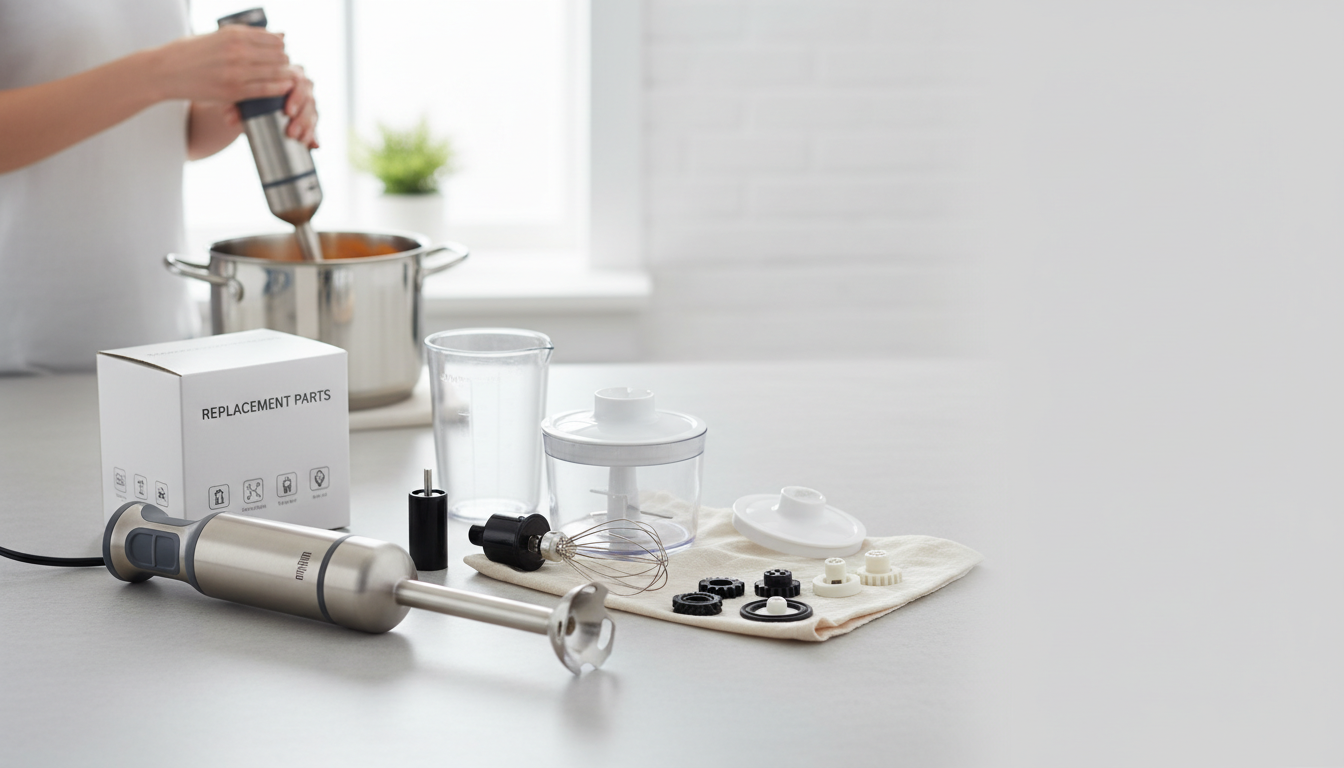
Braun Immersion Blender Replacement Parts: Essential for Hand Blending Tasks