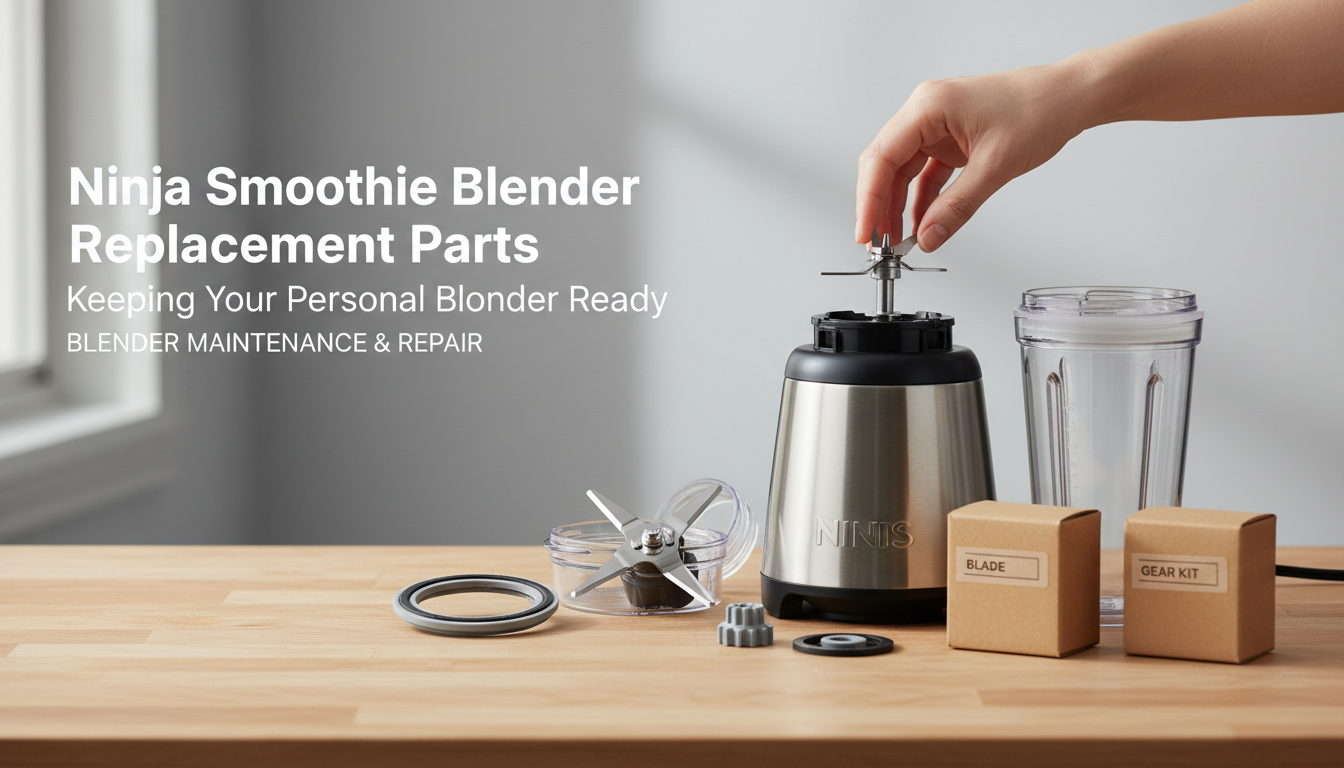
Chefman Blender Replacement Parts: Maintaining Your Appliance's Reliability
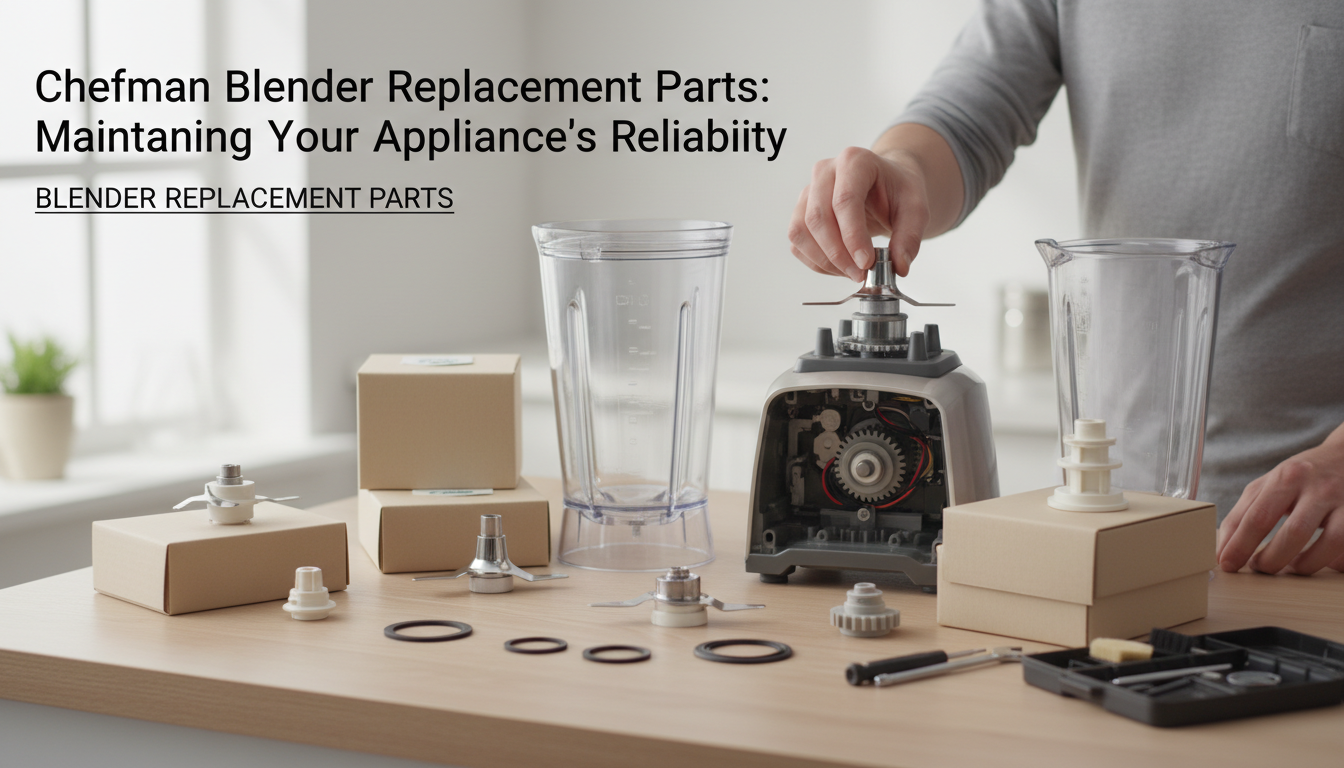
Extend Your Chefman Blender's Life with the Right Replacement Parts
Maintaining your Chefman blender through strategic part replacement offers a practical and economical alternative to purchasing an entirely new appliance. When a component shows wear, damage, or malfunction, identifying and sourcing the correct replacement can significantly extend your blender's operational lifespan and uphold its performance. This approach not only supports sustainability but also maximizes the value of your initial investment.
This guide empowers Chefman blender owners to confidently navigate the process of finding and selecting necessary replacement parts. We'll outline how to accurately identify the specific part you need, understand available purchasing options, and evaluate the trade-offs between genuine manufacturer parts and aftermarket alternatives. The primary goal is to ensure your chosen part offers perfect compatibility with your Chefman model and meets the quality standards required for continued, reliable blending. Making an informed decision at this stage is crucial for restoring your appliance's functionality and ensuring its long-term durability.
Common Chefman Blender Issues Requiring Replacement Parts
Understanding the typical failure points and wear patterns in Chefman blenders is crucial for proactive maintenance and accurate part identification. Recognizing the signs of a failing component early can prevent further damage to your appliance and guide you in selecting the correct replacement part to restore full functionality.
Signs of Wear and Tear on Key Components
The performance of your Chefman blender can gradually decline as components age or experience stress. Observing these changes helps pinpoint which part might need attention:
- Reduced Blending Efficiency: If your blender struggles with tasks it once handled easily, or leaves behind unblended chunks, the blade assembly might be dull or damaged.
- Unusual Noises: Grinding, squealing, or excessive rattling during operation can indicate issues with the motor coupling, blade bearings, or a loose jar.
- Visible Damage: Cracks in the blender jar, fraying power cords, or hardening and cracking of rubber seals are clear indicators that replacement is necessary.
- Leaks: Any liquid escaping from the bottom of the jar or around the lid during blending signals a compromised seal, gasket, or a cracked jar.
- Intermittent Operation: If the blender stops unexpectedly or fails to start consistently, it could point to issues with the motor coupling, control panel, or power cord.
Specific Parts Prone to Malfunction
Certain components of a Chefman blender are more susceptible to wear, damage, or degradation over time due to their function and material.
- Blade Assemblies: The blades themselves can dull with repeated use, especially when processing tough ingredients or ice. More critically, the bearings within the blade assembly can wear out, leading to leaks from the bottom of the jar, increased noise, or the blades seizing entirely.
- Gaskets and Seals: These rubber or silicone components, particularly the lid rubber ring, are vital for preventing leaks and maintaining a secure seal. Over time, they can harden, crack, or become brittle, leading to breakage and compromising the blender's integrity. The sealing gasket at the base of the blade assembly is also prone to wear, causing leaks.
- Blender Jars: While durable, jars can develop hairline cracks from impacts, thermal shock (e.g., blending hot then cold ingredients), or prolonged exposure to harsh cleaning agents. The base of the jar, where it connects to the blade assembly, can also show wear.
- Lids: Lids can crack if dropped or mishandled, and their sealing mechanisms or pour spouts can break, making it difficult to secure the lid properly or pour without spills.
- Motor Couplings/Drive Sockets: This component connects the motor's drive shaft to the blade assembly. It can wear down or strip if the blender is overloaded or if the blade assembly encounters resistance, leading to the motor spinning but the blades not turning.
Beyond Normal Use: Accidental Damage Scenarios
While wear and tear are gradual, accidental damage can necessitate immediate part replacement. These scenarios often involve sudden impacts or misuse that compromise the structural integrity or functionality of a component.
- Dropping the Blender Jar: This is a common cause of cracks or shattering, particularly for glass or plastic jars. Even a seemingly minor drop can create micro-fractures that worsen over time.
- Foreign Objects in the Blender: Accidentally blending non-food items, such as utensils or hard seeds not intended for blending, can bend or chip blades, damage the blade assembly bearings, or even crack the jar.
- Overfilling or Overloading: Consistently exceeding the blender's capacity or attempting to blend overly dense mixtures can strain the motor, strip the motor coupling, or prematurely wear out the blade assembly.
- Improper Cleaning: Using abrasive cleaners or extremely hot water on certain plastic components or seals can degrade their material, leading to cracks, discoloration, or reduced sealing effectiveness.
Essential Chefman Blender Replacement Parts to Know
Understanding the core components of your Chefman blender is fundamental to identifying which part needs replacement and why. Each element plays a distinct role in the appliance's overall function, and recognizing their importance helps in making informed decisions about maintenance and repair. Focusing on the function and potential points of wear for each part empowers you to restore your blender's reliability efficiently.
Blade Assemblies: Ensuring Efficient Blending and Safety
The blade assembly is the operational heart of any blender, directly responsible for processing ingredients. Its effectiveness dictates the smoothness and consistency of your blends. Over time, blades can dull, bend, or their internal bearings can wear, leading to reduced performance or even leaks.
- Function: To cut, chop, and pulverize ingredients into desired textures.
- Importance: Directly impacts blending efficiency and consistency. A sharp, well-maintained blade assembly is crucial for optimal results and prevents motor strain.
- Wear Indicators: Dullness, visible damage, excessive vibration, or a gritty sound during operation.
Blender Jars: Material, Capacity, and Durability Considerations
The blender jar contains your ingredients during operation and must withstand the forces of blending and repeated use. Its material and structural integrity are key to both safety and longevity. Cracks or damage to the jar necessitate replacement to prevent leaks and ensure hygienic operation.
- Function: Holds ingredients during blending, often featuring measurement markings.
- Importance: Provides a secure, contained environment for blending. The material choice (e.g., plastic, glass) influences its durability, weight, and resistance to odors or stains.
- Wear Indicators: Cracks, chips, cloudiness, persistent odors, or difficulty seating properly on the base.
Gaskets and Seals: Preventing Leaks and Maintaining Hygiene
Gaskets and seals, though small, are critical for maintaining a leak-proof blender. They typically sit between the blade assembly and the jar, or within the lid, creating a tight barrier. Degradation of these components can lead to messy leaks and compromise food hygiene.
- Function: Creates a watertight seal between different parts of the blender, primarily between the blade assembly and the jar, or the lid and the jar.
- Importance: Prevents liquid from escaping during blending, ensuring clean operation and preventing damage to the motor base. Also vital for hygiene, preventing food residue buildup in crevices.
- Wear Indicators: Visible cracks, hardening, stretching, discoloration, or any sign of liquid leaking from the blender jar during use.
Lids and Filler Caps: Secure Operation and Spill Prevention
The lid and its integrated filler cap are essential for safe and clean blending. They prevent spills, contain splashes, and often allow for the addition of ingredients mid-blend. A damaged or ill-fitting lid can compromise safety and create a mess.
- Function: Secures the contents of the jar during blending, prevents splashes, and can provide a vent for steam or a port for adding ingredients.
- Importance: Ensures safe operation by containing ingredients and preventing spills. A secure fit is paramount to avoid accidents.
- Wear Indicators: Cracks, warping, loose fit, or a damaged filler cap that no longer seals properly.
Motor Base Components (e.g., drive couplings, feet) – if applicable for user replacement.
While the motor itself is typically not user-replaceable, certain external components on the motor base can be. The drive coupling, which connects the motor's power to the blade assembly, and the rubber feet, which stabilize the unit, are common examples. Their proper function is vital for efficient power transfer and stable operation.
- Function:
- Drive Coupling: Transmits rotational power from the motor to the blade assembly.
- Feet: Provide stability, reduce vibration, and prevent the blender from moving during operation.
- Importance: The drive coupling ensures the blades receive adequate power. Stable feet prevent the blender from "walking" on the countertop, reducing noise and enhancing safety.
- Wear Indicators:
- Drive Coupling: Stripped gears, grinding noises, or the motor running but blades not spinning.
- Feet: Missing, hardened, or damaged feet leading to instability or increased noise.
Navigating the Purchase: Finding Compatible Chefman Replacement Parts
Securing the correct replacement part for your Chefman blender is a critical step in extending its utility and maintaining its performance. This process involves accurately identifying your specific appliance, understanding where to source parts, and evaluating the suitability of different options. Making an informed decision at this stage directly impacts your blender's longevity and your satisfaction.
Identifying Your Specific Chefman Blender Model and Part Number
Before searching for any replacement part, pinpointing your Chefman blender's exact model number is essential. This unique identifier ensures that any part you purchase will fit and function correctly.
- Locate the Model Number: Typically, the model number is found on a label affixed to the underside or back of the blender's motor base. It may also be printed on the power cord tag or listed in your original owner's manual.
- Consult the Manual: Your blender's user manual often includes a diagram or list of common replacement parts, sometimes with corresponding part numbers. If you no longer have a physical copy, Chefman's official website may offer downloadable PDFs.
- Visual Confirmation: While the model number is paramount, visually comparing your broken part with images of potential replacements can help confirm your selection, especially for components like blade assemblies or jars.
Where to Look: Official Sources vs. Reputable Third-Party Retailers
Once you know what you need, the next step is to determine where to buy it. Your choice of vendor can influence part availability, authenticity, and support.
- Chefman's Official Channels: For direct authenticity and often the most accurate fit, Chefman's official website or customer support is a primary resource. They can guide you to available parts or advise on warranty replacements if applicable (Chefman offers a one-year warranty against mechanical defects, with some models like the Obliterator having a five-year warranty for manufacturer defects under normal use).
- General Reputable Third-Party Retailers: Many online marketplaces and appliance parts specialists stock components compatible with various brands, including Chefman. When considering these sources, prioritize retailers with clear return policies, positive customer reviews, and detailed product descriptions that explicitly state compatibility with your Chefman model number. Avoid unverified sellers to mitigate the risk of receiving incorrect or low-quality parts.
Understanding Part Compatibility and Fit: Why Model Matters
The precise fit of a replacement part is non-negotiable for both performance and safety. Even seemingly minor variations between Chefman blender models can render a part incompatible.
- Design Specificity: Blender components, such as blade assemblies, jars, and lids, are engineered with specific dimensions, mounting mechanisms, and material tolerances unique to each model. A blade designed for one Chefman series might not properly seat or seal in another, leading to leaks or inefficient blending.
- Functional Integration: The motor coupling, for instance, must precisely engage with the blade assembly to transfer power effectively. An ill-fitting coupling can strip gears, cause excessive wear, or damage the motor itself.
- Safety Implications: Using parts that don't fit perfectly can compromise the blender's stability during operation, potentially causing spills, motor strain, or even component ejection. Always verify that the replacement part's specifications match your blender model's requirements.
Genuine vs. Compatible Aftermarket Parts: Trade-offs in Quality, Price, and Warranty Implications
When selecting a replacement, you'll generally encounter two categories: genuine manufacturer parts and compatible aftermarket alternatives. Each comes with distinct advantages and considerations.
- Genuine Manufacturer Parts: These are components produced by or for Chefman, designed to meet the original equipment specifications.
- Pros: Guaranteed compatibility, consistent quality, and adherence to safety standards. Using genuine parts often ensures your blender performs as intended and avoids potential warranty invalidation.
- Cons: Typically higher in price than aftermarket options.
- Compatible Aftermarket Parts: These are produced by third-party manufacturers and are designed to function with Chefman blenders.
- Pros: Often more affordable, potentially offering a cost-effective solution for older or discontinued models. Wider availability from various sellers.
- Cons: Quality can vary significantly; some may not match the durability or precision of genuine parts. An imperfect fit or inferior materials could lead to premature wear, reduced performance, or potential damage to other blender components. Using non-genuine parts might also void any remaining manufacturer warranty on your Chefman blender, as warranties typically cover defects under "normal household use" and exclude damage from "improper workmanship or handling," which could include the use of incompatible parts.
Your decision should weigh the immediate cost savings of aftermarket parts against the long-term reliability, performance, and potential warranty implications associated with genuine components.
Chefman Warranty and Support: What to Expect for Replacements
Understanding Chefman's warranty policies is crucial when considering replacement parts, as it can significantly impact whether a repair is covered or if you need to purchase components independently. Familiarizing yourself with these terms can mitigate risk and guide your decision-making process for maintaining your blender.
Standard Warranty Coverage: Duration and Conditions
Chefman typically provides a limited warranty for its products, covering mechanical defects under normal household use. This coverage usually begins from the date of purchase. It's important to retain your proof of purchase, as it will be required for any warranty claims.
- Duration: Most Chefman blenders come with a one (1) year warranty period.
- Conditions: The warranty applies to mechanical defects arising from improper workmanship or materials, assuming the appliance is used according to the directions in the user guide.
Extended Warranties for Specific Models
While a one-year warranty is standard, some Chefman blender models may offer extended coverage, reflecting their design or intended use. These extended warranties provide a longer period of protection against manufacturing defects.
- Example: Certain high-performance models, such as the Obliterator blender, have been noted to carry an extended warranty of five (5) years. This extended period covers defects in material and workmanship under normal household use.
What the Warranty Covers and Excludes
Chefman's warranty is designed to protect consumers from manufacturing flaws, but it does not cover all types of damage or wear. Knowing these distinctions helps set realistic expectations for warranty claims.
- Covered: The warranty primarily covers defects in material and workmanship that lead to mechanical failure. If the product does not function as intended due to a manufacturing fault, Chefman may, at its discretion, repair or replace the product.
- Excluded: Common exclusions typically include damage resulting from:
- Misuse or improper maintenance.
- Normal wear and tear of components (e.g., dull blades, worn seals).
- Accidental damage or neglect.
- Commercial use.
- Unauthorized repairs or modifications.
How to Contact Chefman Support for Warranty Claims or Part Inquiries
Should you suspect a warranty-covered defect or need to inquire about purchasing replacement parts, contacting Chefman's customer support is the recommended first step. Having your model number and proof of purchase readily available will streamline the process.
- Email: For warranty claims or general inquiries, you can typically reach Chefman support via email at
[email protected]. - Information Required: When contacting them for a warranty replacement, be prepared to provide confirmation of the issue and proof of purchase.
- Website Resources: The official Chefman website (chefman.com) often contains dedicated support pages, FAQs, and contact forms that can guide you through the warranty claim process or assist with identifying and sourcing specific parts.
Making Your Final Decision: A Checklist for Buying Chefman Parts
Once you've identified the specific Chefman blender part needed, making a confident purchase requires careful consideration. This final checklist helps ensure you select a compatible, durable replacement that offers value and restores your appliance's performance without unnecessary risk.
Essential Buying Criteria for Replacement Parts
Evaluating potential replacement parts against a clear set of criteria is vital for a successful purchase. Focus on these aspects to ensure compatibility and long-term reliability.
- Material Quality: Assess if the replacement part's material matches or exceeds the original's durability. For instance, blade assemblies should ideally feature food-grade stainless steel, and gears or couplings should be made from robust plastics or metal designed for high torque.
- Precise Compatibility: Double-check that the part is explicitly listed as compatible with your exact Chefman blender model number. Slight variations between models can lead to ill-fitting or non-functional parts.
- Seller Reputation: Purchase from authorized retailers, the Chefman official store, or reputable third-party sellers known for quality and customer service. Verify their return policies and guarantees for replacement parts.
- User Feedback: Consult reviews specific to the replacement part, if available. Look for comments on fit, performance, and longevity to gauge real-world satisfaction.
- Return Policy and Warranty: Understand the seller's return window and any warranty offered on the replacement part itself. This provides recourse if the part is defective or incompatible upon arrival.
Avoiding Common Pitfalls
Navigating the market for replacement parts can present challenges. Being aware of potential pitfalls helps protect your investment and ensures a smooth replacement process.
- Incorrect Model Identification: The most frequent error is ordering a part for a similar but not identical Chefman model. Always cross-reference your blender's full model number with the part's compatibility list.
- Unverified Sellers: Be wary of sellers with limited information, poor reviews, or suspiciously low prices, as these can indicate counterfeit or low-quality aftermarket parts that may not perform to standard or last.
- Misleading Descriptions: Some product listings may use generic terms or images. Confirm specific dimensions, material, and features if the description lacks clarity to prevent purchasing an incompatible item.
- Ignoring Installation Requirements: Some parts may require specific tools or knowledge for installation. Ensure you are comfortable with the process or can seek appropriate assistance to avoid damaging the new part or your blender.
Extending the Life of Your New Parts: Basic Care and Maintenance Tips
Once you've successfully installed your new Chefman blender part, adopting good habits can significantly prolong its lifespan and maintain your appliance's overall reliability.
- Proper Installation: Ensure the new part is installed correctly, following any instructions provided. Improper seating or overtightening can lead to premature wear or damage.
- Regular Cleaning: Adhere to Chefman's cleaning guidelines for your blender and its components. Promptly clean blade assemblies, jars, and lids after each use to prevent residue buildup that can strain parts or harbor bacteria.
- Appropriate Usage: Avoid overloading your blender or running it continuously for extended periods, which can stress the motor and blade assembly. Use the recommended settings for different ingredients and allow the motor to rest between cycles.
- Careful Storage: Store your blender and any detachable parts in a way that prevents accidental damage, such as dropping the jar or bending blade components. Keep seals and gaskets clean and free from debris when not in use.
Frequently Asked Questions About Chefman Blender Parts
Navigating the world of replacement parts can raise several questions. This section addresses common queries to help you make informed decisions about maintaining your Chefman blender.
How do I identify my Chefman blender model for replacement parts?
Accurately identifying your specific Chefman blender model is crucial for ensuring compatibility with replacement parts. Look for a label or sticker, typically located on the underside of the blender's motor base. This label usually contains the model number, serial number, and sometimes the product name. If the label is worn, check your original user manual or the packaging the blender came in. The model number is the primary identifier for sourcing correct components.
Are genuine Chefman replacement parts always necessary?
The decision between genuine Chefman parts and aftermarket alternatives involves considering several factors.
- Genuine parts are manufactured by or for Chefman, designed to meet original specifications, and generally offer guaranteed fit and performance. They may come at a higher cost.
- Aftermarket parts can be more affordable. However, their quality, fit, and durability can vary significantly. Using non-genuine parts might also, in some cases, affect your appliance's warranty or introduce unforeseen compatibility issues. For critical components like blade assemblies or motor couplings, genuine parts often provide greater assurance of reliability and safety.
Can I replace any part of my Chefman blender myself?
Many Chefman blender parts are designed for user-friendly replacement. Components such as the blender jar, lid, tamper, or sealing gaskets can typically be swapped out without specialized tools or technical expertise. However, internal components like the motor, wiring, or complex electronic boards are generally not intended for user replacement. Attempting to repair these parts can pose safety risks and may void any remaining warranty. Always consult your blender's user manual for guidance on user-serviceable parts and recommended procedures.
What should I do if my Chefman part breaks under warranty?
Chefman products typically come with a warranty against manufacturer defects. The duration can vary by model, often ranging from one to five years. If a part of your Chefman blender breaks due to a manufacturing defect within its warranty period, you should:
- Locate your proof of purchase (receipt or order confirmation).
- Contact Chefman's customer support directly.
- Be prepared to provide details about the issue and your blender's model information. Chefman, at its discretion, may offer a repair or replacement for the defective part or the entire unit, provided the issue falls within the warranty terms and conditions, which generally exclude damage from misuse or normal wear and tear.
Where is the best place to buy Chefman replacement parts?
For the most reliable sourcing, consider these options:
- Chefman's Official Website: This is often the primary source for genuine parts, ensuring direct compatibility and quality.
- Authorized Retailers: Major appliance parts suppliers or online retailers authorized to sell Chefman products may carry genuine replacement parts.
- Reputable Online Marketplaces: While these platforms offer a wider selection, exercise caution. When purchasing aftermarket parts, prioritize sellers with high ratings and positive reviews for similar products to mitigate risks associated with quality and fit. Always verify the part's specifications against your blender model before purchasing.
Keep Your Chefman Blender Running Smoothly
The reliability and extended lifespan of your Chefman blender ultimately depend on the integrity of its components. By diligently identifying and selecting the correct replacement parts, you make a direct investment in your appliance's future performance. Each compatible and quality part ensures your blender continues to operate efficiently, preventing further wear and maintaining the consistent blending power you rely on.
Armed with the knowledge to accurately pinpoint necessary components, understand compatibility nuances, and evaluate sourcing options, you are now empowered to make confident purchasing decisions. Applying these insights allows you to navigate the market with assurance, selecting parts that not only fit but also uphold the operational standards of your specific Chefman model. This informed approach minimizes uncertainty and maximizes the value of your repair efforts.
Choosing to maintain your Chefman blender through strategic part replacement is a practical and environmentally conscious decision. It represents a significant cost-saving alternative to premature appliance replacement and contributes to reducing electronic waste. By extending the functional life of your blender, you reinforce its utility in your kitchen while embracing a more sustainable consumption model.
More in Blender Replacement Parts
View All
Osterizer 14-Speed Blender Replacement Parts: Keeping Your Vintage Blender Running
Braun Immersion Blender Replacement Parts: Essential for Hand Blending Tasks