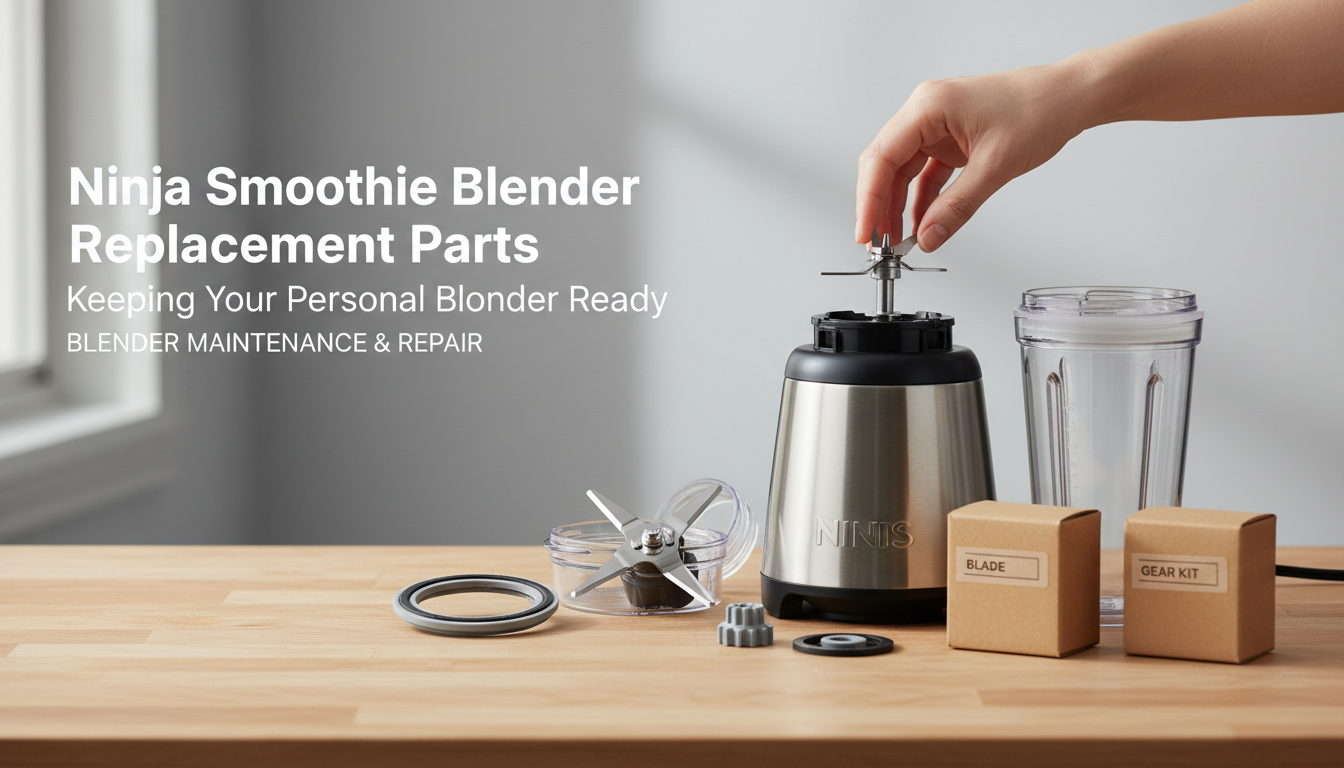
Ninja Professional Blender Replacement Parts: A Guide to Extending Your Blender's Life
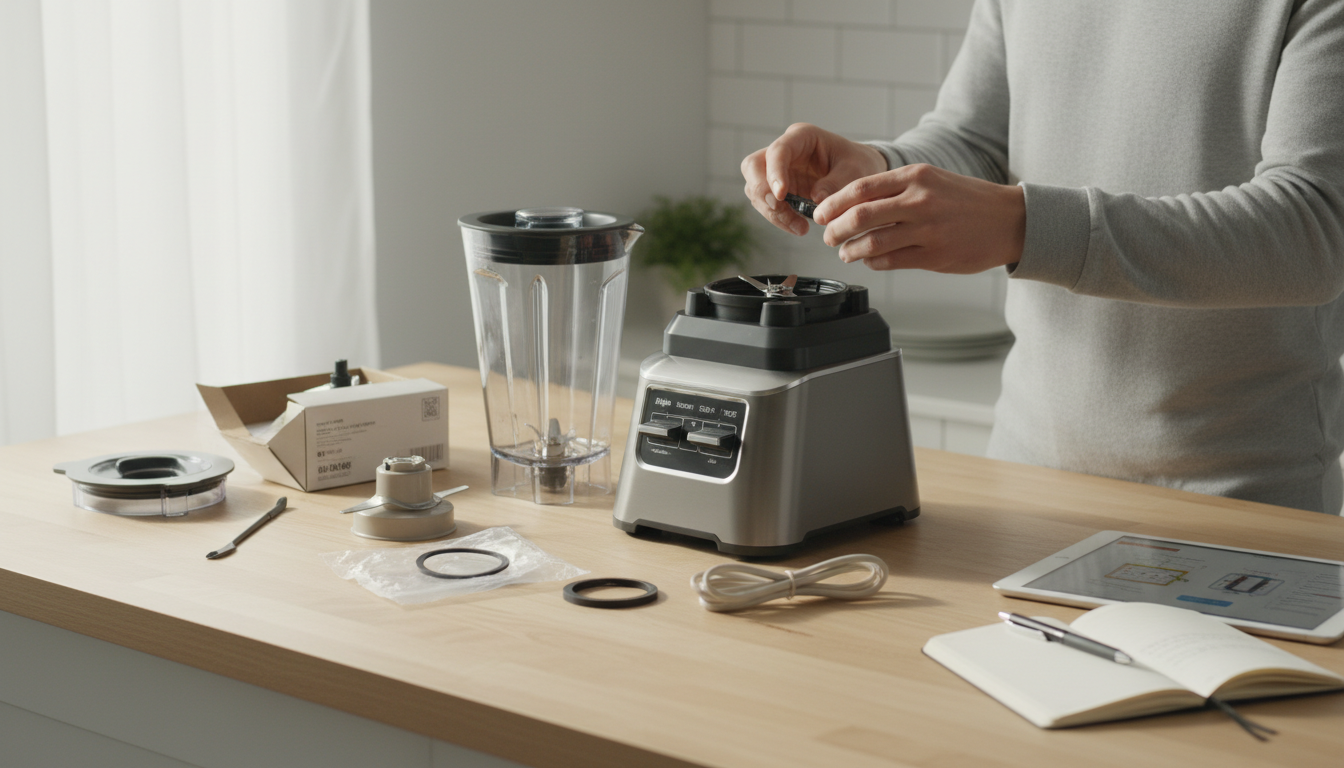
Is Your Ninja Professional Blender Losing Its Edge? A Guide to Replacement Parts
Ninja Professional blenders are valued kitchen workhorses, relied upon for their powerful performance in daily blending tasks. Yet, even the most dependable appliances experience wear and tear, which can gradually diminish their efficiency and reliability. When your once-smoothies become chunky or your blender starts making unusual noises, it often signals that specific components are no longer performing optimally.
Common signs that your Ninja Professional blender may need attention include:
- Dull or damaged blades: Leading to less efficient blending and requiring more effort from the motor.
- Leaking pitcher or cups: Often caused by worn gaskets, seals, or cracks in the plastic.
- Loose or ill-fitting lids: Impacting safety and blending consistency.
- Motor base issues: While less common for replacement, signs like unusual smells or sounds can indicate internal problems.
Instead of opting for an entirely new unit, replacing worn parts can be a cost-effective and sustainable solution to extend your blender's lifespan. This guide is designed to empower Ninja Professional blender owners to confidently navigate the complexities of identifying, sourcing, and selecting the correct replacement parts. Our goal is to help you understand crucial compatibility factors and quality considerations, ensuring you avoid common pitfalls and restore your blender to its peak performance.
Identifying Your Ninja Professional Blender Model and Worn Parts
Before sourcing any replacement components, accurately identifying your specific Ninja Professional blender model is the most critical first step. Ninja produces a range of blenders, and while they may appear similar, their parts are often not universally interchangeable. Using an incorrect part can lead to poor fit, compromised performance, leaks, or even damage to your appliance, negating the effort to extend its life. Each model features unique dimensions and connection points for its blade assemblies, jars, and lids, making precise identification paramount for compatibility.
To locate your blender's model number, check the bottom of the motor base. It is typically printed on a sticker or embossed directly into the plastic. This number often begins with letters such as "BL," "BN," or "CT," followed by a series of digits (e.g., BL610, BN750, CT680). If the sticker is missing or illegible, consult your original owner's manual or the product packaging, if available. Once identified, this model number will be essential for finding compatible replacement parts.
After confirming your model, assess which components show signs of wear or damage. Certain parts are more prone to degradation due to frequent use, material stress, or direct contact with food.
- Blades:
- Stacked Blade Assembly (for pitchers) and Nutri Ninja Blade Assembly (for cups): Look for visible dullness on the blade edges, which reduces blending efficiency and can leave unblended chunks. Inspect for any bent, chipped, or broken blades. A common issue is bearing wear, indicated by excessive wobble, difficulty spinning freely, or a grinding noise during operation even when the motor is running.
- Jars/Pitchers:
- 72oz Pitcher and Nutri Ninja Cups: Examine the plastic for cracks, especially around the base, handle, or rim, which can lead to leaks. Cloudiness or haziness, particularly from repeated dishwashing or abrasive cleaning, might affect appearance but typically not function unless accompanied by material degradation. Persistent leaks from the base, even with a properly seated blade assembly, often point to a crack.
- Gaskets/Seals:
- These rubber or silicone rings are found in blade assemblies, lids, and sometimes pitcher bases. Signs of wear include tearing, stretching, hardening, or becoming brittle. A compromised gasket is a primary cause of leaks during blending, allowing liquid to escape from the jar or cup.
- Lids:
- Pitcher Lids (often with locking handles) and To-Go Lids (for cups): Check for broken locking tabs, cracks in the plastic, or warping that prevents a tight seal. A loose-fitting lid can lead to spills and an inconsistent blend due to air incorporation.
- Motor Coupler/Drive Socket:
- This component, located on the motor base, connects directly with the blade assembly. Inspect its plastic gears for stripping, visible wear, or damage. If the motor runs but the blades do not spin or only turn intermittently, a worn or stripped motor coupler is a likely culprit, failing to transfer power effectively.
Key Criteria for Selecting Compatible Ninja Professional Blender Parts
Choosing the correct replacement parts for your Ninja Professional blender involves more than just finding a component that looks similar. Several critical factors influence whether a part will function safely, effectively, and durably within your specific appliance. Understanding these criteria helps ensure your investment extends your blender's life rather than leading to further issues.
Ensuring Exact Compatibility
The most crucial step in selecting any replacement part is verifying its compatibility with your specific Ninja Professional blender model. Ninja's product lines, even within the "Professional" series, feature distinct designs and specifications.
- Model Number Matching: Always refer to the full model number, typically found on a sticker beneath the motor base. This number is the definitive guide for cross-referencing parts.
- Component Variations: Even for seemingly identical parts, subtle differences exist. For example, blade assemblies can vary significantly:
- Fin Count: Some Ninja Professional models use 6-fin blade assemblies, while others require 7-fin designs. An incorrect fin count will prevent the blade from engaging properly with the motor base or fitting into the pitcher.
- Blade Construction: Stacked blade assemblies are common in larger pitchers for processing bulk ingredients, whereas smaller Nutri Ninja cups often use a flat, single-serve blade assembly. These are not interchangeable.
- Pitcher Size and Shape: Different blender models feature pitchers of varying capacities and designs, each requiring a specific lid and blade assembly to ensure a secure fit and proper function.
Assessing Material Quality and Durability
The longevity and performance of your replacement part are directly tied to its material quality. Inferior materials can lead to premature wear, reduced efficiency, and potential safety concerns.
- Blades:
- Stainless Steel Grade: Look for blades made from food-grade stainless steel, which resists corrosion and maintains sharpness. While specific grades are rarely advertised for replacement parts, a reputable source is key.
- Sharpness and Construction: Blades should be sharp and securely attached to their base. For stacked blades, ensure the central shaft is robust and the blade tiers are firmly fixed, as loose blades can compromise blending power.
- Jars and Pitchers:
- BPA-Free Plastic: Prioritize pitchers and cups made from BPA-free plastic to avoid chemical leaching into food.
- Resistance to Cracking and Clouding: High-quality plastics are more resistant to impact, thermal shock from hot liquids, and the clouding that can occur with repeated use and washing.
- Gaskets and Seals:
- Food-Grade Silicone or Rubber: These materials offer flexibility and resilience, which are essential for creating a watertight seal.
- Proper Fit and Flexibility: A gasket must be flexible enough to conform to the contours of the blade assembly or lid, yet firm enough to maintain its shape and prevent leaks during high-speed blending.
Official Ninja Parts Versus Third-Party Alternatives
When sourcing replacement parts, you'll encounter options from Ninja directly and various third-party manufacturers. Each approach presents distinct advantages and trade-offs.
- Official Ninja Parts:
- Pros: Guaranteed compatibility, adherence to original manufacturing standards, and often come with Ninja's support. This option minimizes the risk of fitment issues or performance discrepancies.
- Cons: Typically higher cost, and availability might be limited for older or less common models.
- Third-Party Alternatives:
- Pros: Often more cost-effective, wider availability, and can sometimes offer design improvements or different material choices.
- Cons: Compatibility is not always guaranteed, and quality can vary significantly. Poorly manufactured third-party parts may not fit correctly, could wear out quickly, or even damage your blender's motor if they create excessive resistance. Thoroughly vetting seller reviews and product descriptions is crucial to mitigate these risks.
Navigating the Risks: What to Watch Out For When Buying Replacement Parts
While replacing parts can extend your Ninja Professional blender's life, navigating the market for these components comes with potential pitfalls. Awareness of these risks can help you make informed decisions and avoid issues that could compromise your blender's performance or even safety.
Incompatibility Issues
The primary risk when sourcing replacement parts is incompatibility. Ninja Professional blenders come in various models, and parts are rarely universally interchangeable. An incorrect fit can lead to several problems:
- Leaks and Poor Performance: Parts that don't seal correctly, such as a mismatched pitcher or lid, can cause leaks during operation. Similarly, a blade assembly that doesn't align perfectly with the motor drive can lead to inefficient blending or excessive noise.
- Damage to the Motor Base: Forcing an incompatible part can strain the motor, potentially leading to overheating or premature failure of the motor base itself. This can turn a simple repair into a need for a full unit replacement.
- Specific Examples: Pay close attention to details like blade fin count (e.g., 6-fin versus 7-fin assemblies) and the specific design of the pitcher or cup base. Even slight variations in diameter or threading can render a part unusable or unsafe for your particular Ninja model.
Substandard Quality
The market includes both official Ninja replacement parts and numerous third-party alternatives. While third-party options may appear more affordable, their quality can vary significantly, posing several risks:
- Blades: Low-quality replacement blades may be made from inferior stainless steel that dulls quickly, bends, or even breaks during use. This not only compromises blending efficiency but can also introduce metal fragments into your food.
- Jars and Cups: Substandard plastic jars or cups might crack easily under stress or temperature changes. Some non-food-grade plastics could also leach chemicals into your ingredients, especially when blending warm liquids or acidic foods.
- Gaskets and Seals: These small but critical components are often overlooked. Poorly manufactured gaskets can degrade rapidly, lose elasticity, or fail to create an effective seal, leading to persistent leaks and messy operation.
Safety Concerns
Beyond performance and durability, using incompatible or low-quality replacement parts can introduce significant safety hazards:
- Component Failure: Blades made from weak materials can shatter or detach during high-speed blending, potentially causing injury or contaminating food. Jars or lids that fail can result in hot liquids or sharp fragments being ejected.
- Motor Overheating: Incompatible blade assemblies or worn drive gears can create excessive friction and resistance, forcing the motor to work harder. This increased strain can lead to the motor overheating, which may trigger safety shutdowns or, in severe cases, pose a fire risk.
- Electrical Hazards: Leaks from poorly sealed parts can allow liquids to seep into the motor base, creating a short circuit or electrical shock hazard. Always ensure all components form a tight, secure seal before operating your blender.
Common Components Susceptible to Wear: Longevity and Care
Even with robust design, certain components of your Ninja Professional blender will naturally experience wear and tear over time, necessitating eventual replacement. Understanding the typical lifespan and common failure points of these parts, along with proper maintenance, can significantly extend their utility.
Blade Assemblies
The blade assembly is central to your blender's performance. Its effectiveness diminishes due to:
- Abrasive ingredients: Frequent blending of hard items like ice, nuts, seeds, or frozen fruits without sufficient liquid can dull the blades' edges. Each impact causes microscopic damage, reducing sharpness.
- Frequent use: High-frequency operation naturally accelerates material fatigue and wear.
Signs of wear:
- Ineffective blending: Ingredients remain chunky or require longer processing times to achieve desired consistency.
- Gritty texture: Smoothies or purees may have an uncharacteristic gritty feel.
- Increased motor strain: The motor sounds like it's working harder than usual to process ingredients.
- Visible dullness or nicks: Close inspection may reveal blunted edges or small chips.
Maintenance tips:
- Prompt cleaning: Rinse the blade assembly immediately after use to prevent food residue from hardening. Use warm, soapy water and a brush, exercising caution around sharp edges.
- Adequate liquid: Always add sufficient liquid when blending ice or frozen items. This creates a vortex, drawing ingredients into the blades more efficiently and reducing direct impact stress.
- Avoid overloading: Do not exceed the maximum fill line, as this forces the blades to work against excessive resistance.
Jars and Cups
Blender jars and individual cups, while durable, are prone to damage from physical stress and environmental factors.
- Physical impact: Drops or knocks can cause cracks, especially in plastic materials.
- Extreme temperatures: Sudden temperature changes, such as pouring very hot liquid into a cold jar, can induce thermal shock and lead to stress fractures. High heat dishwashing cycles can also degrade plastic over time.
- Harsh cleaning: Abrasive sponges or strong chemical cleaners can scratch the surface, leading to cloudiness or material weakening.
Signs of wear:
- Cracks: Hairline fractures or larger splits, often leading to leaks.
- Cloudiness: Plastic jars may become opaque or hazy, impairing visibility and aesthetics.
- Persistent odors: Plastic can absorb strong food aromas, which may linger even after thorough cleaning.
- Leaking: Beyond cracks, worn gaskets or seals within the jar or lid can cause leaks during operation.
Maintenance tips:
- Gentle cleaning: Hand wash jars and cups with mild dish soap and a soft cloth or sponge. While some are dishwasher-safe, hand washing can preserve clarity and extend material life.
- Temperature moderation: Allow very hot liquids to cool slightly before blending. Avoid extreme temperature differentials.
- Avoid abrasive materials: Steer clear of scouring pads or harsh chemicals that can scratch or degrade the plastic.
- Careful storage: Store jars and cups securely to prevent accidental drops or impacts.
Making Your Choice: Official vs. Aftermarket and Where to Buy
Deciding between official Ninja replacement parts and aftermarket alternatives involves weighing cost, quality, and specific component needs. Each option presents distinct advantages and considerations that can influence your blender's performance and longevity. Understanding these trade-offs is crucial for making an informed purchase that aligns with your budget and expectations.
Weighing Your Options
The choice between manufacturer-produced and third-party components often comes down to the part's function and your priority for guaranteed compatibility versus potential cost savings.
-
When to prioritize official Ninja parts:
- Critical Components: For parts directly impacting blending performance or safety, such as blade assemblies, motor couplings, or main pitcher lids, official Ninja parts offer guaranteed compatibility and adherence to original specifications. This precision is vital for effective operation and to prevent potential damage to the motor base or other components.
- Warranty Concerns: Using official parts can help maintain any existing warranty on your blender, as manufacturers often specify that only genuine parts should be used for repairs. They also typically come with their own manufacturer's warranty.
- Guaranteed Fit and Quality: Official parts are exact replicas, ensuring a perfect fit and consistent material quality, reducing the risk of leaks, poor performance, or premature wear.
-
When aftermarket parts might be a viable, cost-effective alternative:
- Less Critical Components: For items like individual gaskets, smaller cups, or specific lid types that don't directly interact with the motor or blade mechanism, aftermarket options can offer significant cost savings.
- Older Models: As blenders age, official parts may become harder to find or are discontinued. Aftermarket manufacturers often fill this gap, providing solutions for extending the life of older units.
- Budget Considerations: When cost is a primary concern, aftermarket parts can provide a functional replacement at a lower price point, provided you carefully vet their quality and compatibility.
Where to Source Replacement Parts
The source of your replacement parts can be as important as the part itself, influencing authenticity, return options, and customer support.
- Official Ninja Website/Service Centers: Purchasing directly from Ninja ensures you receive genuine parts designed specifically for your model. This is the most reliable option for authenticity and often provides access to customer support for compatibility questions.
- Reputable Online Retailers: Platforms like Amazon or specialized appliance parts stores offer a wide selection of both official and aftermarket parts. When using these channels:
- Emphasize checking seller ratings and reviews: Look for sellers with consistently high ratings and positive feedback specifically regarding the parts they sell and their accuracy in descriptions.
- Verify product descriptions: Ensure the part explicitly states compatibility with your specific Ninja Professional blender model number.
- Importance of verifying seller return policies: Before finalizing any purchase, especially for aftermarket parts, confirm the seller's return policy. A clear and reasonable return process is essential in case the part doesn't fit, is defective, or doesn't meet your expectations.
Final Checklist Before Purchase
Before committing to a purchase, run through this checklist to minimize potential issues:
- Model Match: Does the part explicitly state compatibility with your Ninja Professional blender's exact model number?
- Part Specificity: Is it the correct version of the part (e.g., 6-fin vs. 7-fin blade, specific jar capacity)?
- Material Review: For aftermarket options, are there details or reviews indicating durable, food-grade materials?
- Seller Reputation: Does the seller have a strong track record and positive customer feedback?
- Return Policy: Is the return process clear and acceptable if the part is unsuitable?
- Cost vs. Risk: Does the price reflect a reasonable balance with the perceived quality and the potential risks of an aftermarket component?
Frequently Asked Questions About Ninja Professional Blender Replacement Parts
Navigating the world of replacement parts can bring up several questions. Here are some common queries to help clarify key aspects of maintaining your Ninja Professional blender.
-
Q: How do I find my Ninja Professional blender model number?
- A: The model number is typically located on the bottom of the motor base. It's usually printed on a sticker or embossed into the plastic and often begins with letters such as "BL" or "BN," followed by a series of numbers. If you no longer have the physical unit, check your original user manual or packaging.
-
Q: Are third-party replacement parts safe to use?
- A: While many third-party parts are functional and more widely available, it's crucial to verify their compatibility with your specific Ninja Professional model. Always read customer reviews for feedback on quality, durability, and fit before purchasing. Incompatible or poorly manufactured parts can compromise performance or even safety.
-
Q: What's the most common part that needs replacing?
- A: Blades and gaskets are frequently replaced components. Blades can dull or become damaged over time from regular use, especially with hard ingredients, while gaskets can wear out, crack, or lose their elasticity, leading to leaks.
-
Q: Can using the wrong part damage my blender?
- A: Yes, using an incompatible replacement part can lead to several problems. These include leaks, poor blending performance, increased strain on the motor, and potentially permanent damage to your blender's internal components. Always prioritize precise model compatibility to mitigate these risks.
Restore Your Blender's Performance: A Smart Investment
Having navigated the complexities of identifying and sourcing Ninja Professional blender replacement parts, you're now equipped to make informed decisions. Opting to replace a specific worn component rather than the entire unit represents a practical and often significantly more economical approach to appliance maintenance. This strategy not only extends the functional life of your blender but also contributes to more sustainable consumption habits.
The diligent effort invested in accurately identifying your specific model and carefully selecting compatible, quality parts is the cornerstone of a successful repair. This guide has provided the tools to understand crucial compatibility factors and evaluate quality considerations, empowering you to avoid common pitfalls associated with incorrect part selection. With this knowledge, you can confidently take proactive steps to maintain your appliance, ensuring it continues to serve your blending needs effectively. Ultimately, the satisfaction of restoring your Ninja Professional blender to its full, reliable performance is a testament to mindful ownership and a smart investment in its longevity.
More in Blender Replacement Parts
View All
Osterizer 14-Speed Blender Replacement Parts: Keeping Your Vintage Blender Running
Braun Immersion Blender Replacement Parts: Essential for Hand Blending Tasks