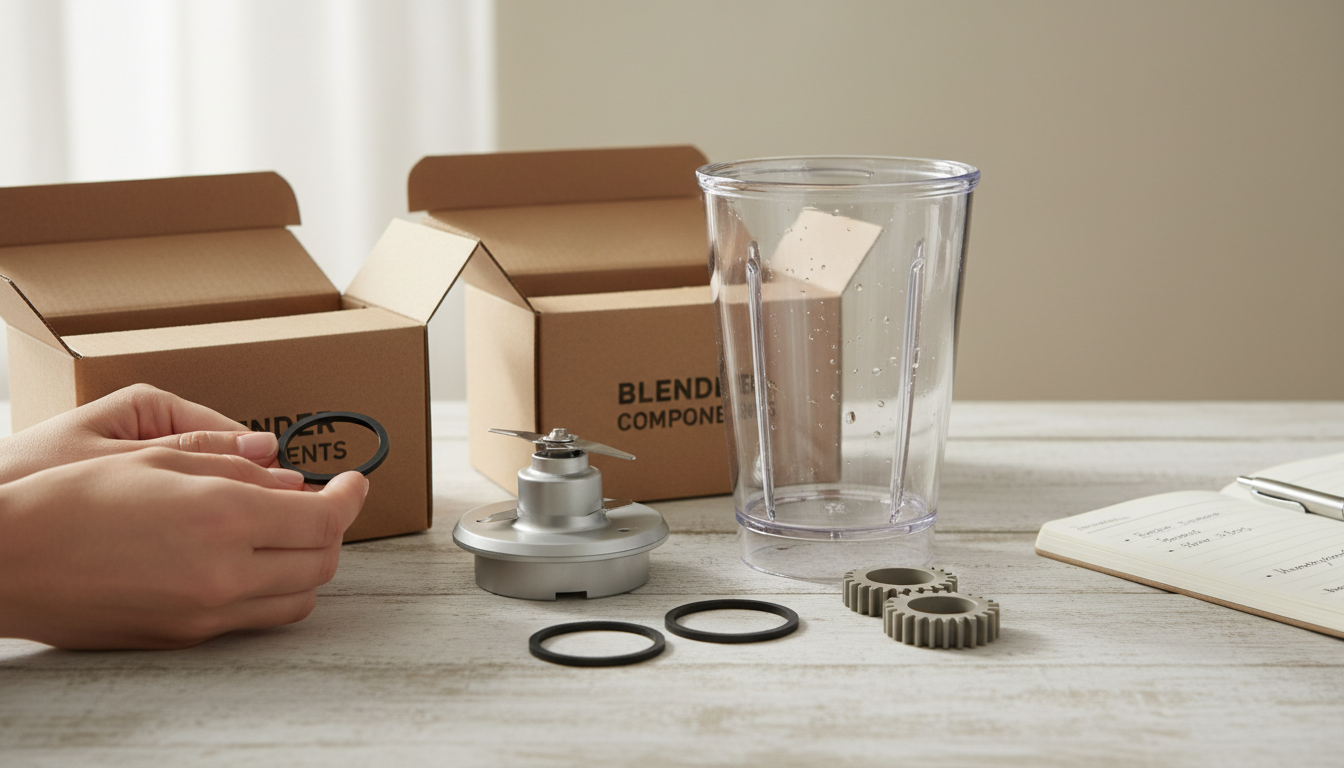
Osterizer 12-Speed Blender Replacement Parts: A Guide for Vintage Model Maintenance
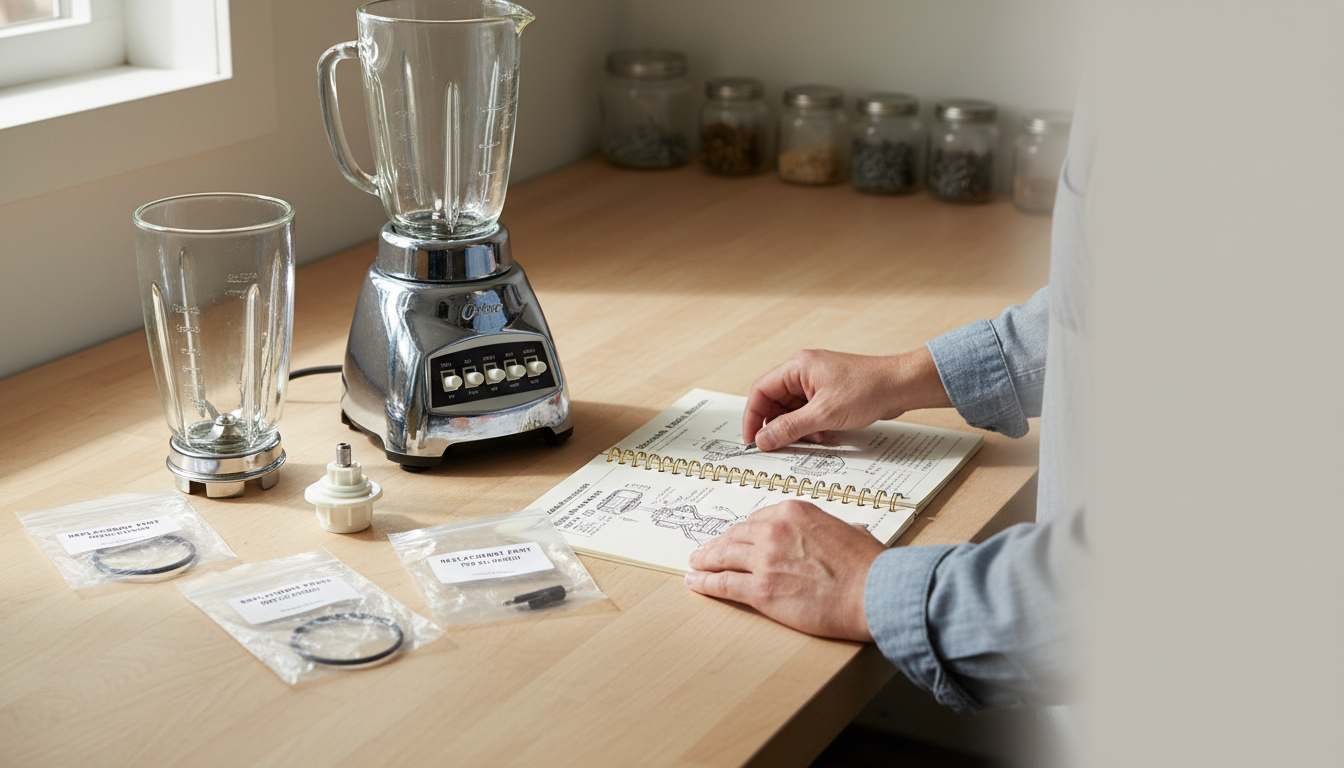
Revitalizing Your Vintage Osterizer 12-Speed Blender: A Guide to Replacement Parts
Many owners value their vintage Osterizer 12-speed blenders for their lasting appeal and reliable performance, often outperforming newer appliances. These robust machines, built to endure, represent a commitment to quality that stands the test of time. To maintain this longevity, however, proper care and the right replacement parts are essential.
This guide is designed to empower you with the knowledge to confidently identify, source, and select suitable replacement components specifically for your vintage Osterizer 12-speed model. By focusing on compatibility and quality, you can address common wear-and-tear issues and ensure your cherished appliance continues to function reliably for many more years, preserving its original blending capabilities.
Understanding Your Osterizer 12-Speed Blender's Common Wear Points
Even with robust construction, vintage Osterizer 12-speed blenders have components that naturally degrade over time and with consistent use. Identifying these common wear points is crucial for proactive maintenance, allowing owners to address issues before they lead to complete appliance failure or diminished performance. The primary parts that frequently require attention are the blades, gaskets, jar bases, and the blender jars themselves.
- Blades: The cutting blades, often made of stainless steel, are subjected to high-speed rotation and friction against various ingredients, including ice and frozen fruits. Over years of operation, this can lead to dulling, pitting, or even fracture, especially if hard, non-food items are accidentally introduced. Material fatigue from repeated stress cycles also contributes to their eventual failure.
- Gaskets and Seals: These rubber or silicone rings create a watertight seal between the blade assembly and the blender jar. With age, exposure to food acids, detergents, and temperature fluctuations, these materials can dry out, crack, or lose elasticity. A compromised gasket is a common cause of leaks, indicating a clear need for replacement.
- Jar Bases (Bottom Caps): The jar base, which secures the blade assembly to the bottom of the jar, often features plastic threads and sometimes an integrated drive gear. Regular tightening and loosening, along with the torque from the motor, can cause the plastic threads to strip or crack. The drive gear, if present, can also wear down, leading to a loss of power transmission from the motor.
- Blender Jars: While durable, glass or plastic jars can suffer from impact damage, resulting in chips or cracks. Plastic jars, in particular, may become cloudy, discolored, or brittle over extended periods due to UV exposure, harsh cleaning agents, or repeated thermal stress from blending hot or cold contents.
Recognizing these typical failure points allows vintage Osterizer owners to anticipate potential issues and focus their search for replacement parts effectively. These specific components are among the most commonly sought after for Osterizer models, reflecting their susceptibility to the wear and tear of long-term use.
Essential Replacement Parts for Your Osterizer 12-Speed Blender
Maintaining a vintage Osterizer 12-speed blender often comes down to replacing a few key components that bear the brunt of regular use. Understanding the function and critical characteristics of these parts is vital for selecting appropriate replacements that ensure continued performance and a leak-free blending experience. These parts are frequently available individually or as part of convenient "refresh kits."
-
Blades: The heart of your blender's processing capability, the blades are responsible for cutting, crushing, and emulsifying ingredients.
- Function: Efficiently breaks down food for smooth blends. Over time, blades can dull, bend, or corrode, diminishing performance.
- Types: Vintage Osterizer models commonly use different blade configurations. Look for specific designs like the "ice crusher" blade, designed for tougher ingredients, or multi-point "fusion" blades (e.g., 6-point) that offer broader coverage.
- Material: Opt for stainless steel blades, which offer superior durability, corrosion resistance, and food safety compared to lesser materials. Ensure the replacement blade's hub is compatible with your blender's drive shaft.
-
Gaskets/Sealing Rings: These small but critical components prevent leaks and maintain the integrity of your blending container.
- Function: Creates a tight, watertight seal between the blade assembly and the blender jar, preventing liquid from escaping during operation.
- Characteristics: Gaskets are typically made from rubber or silicone. With age and repeated exposure to heat, cold, and detergents, they can dry out, crack, or lose elasticity. A new gasket should feel pliable and fit snugly. Inspecting your current gasket for signs of wear, such as flattening, tears, or brittleness, indicates a clear need for replacement.
-
Jar Bases/Bottom Caps: This component secures the blade assembly to the bottom of the blender jar and connects to the motor's drive.
- Function: Provides the structural connection between the blade and the jar, allowing the motor to spin the blades.
- Common Issues: These caps, often made of durable plastic (like ABS plastic), can crack, or their internal threads can strip due to overtightening or high-torque blending. This compromises the seal and stability of the blade assembly.
- Compatibility: Ensure the replacement cap's threading precisely matches your existing blender jar and that its central opening aligns with your blade assembly.
-
Blender Jars: While often durable, jars can break, scratch, or become cloudy over decades of use.
- Function: Contains ingredients during blending.
- Material Options:
- Glass: Many vintage Osterizer blenders originally came with glass jars, prized for their scratch resistance, clarity, and inability to absorb odors or stains. They are heavier and more prone to breaking if dropped.
- Plastic: Modern replacement jars are often made from durable, BPA-free plastics. These are lighter and more shatter-resistant but can scratch over time and may absorb odors if not cleaned promptly.
- Capacity and Compatibility: Confirm the replacement jar's capacity meets your needs and, crucially, that its base rim is designed to fit securely with your existing jar base/bottom cap and blade assembly.
Key Considerations: Ensuring Compatibility and Quality for Vintage Osterizer Parts
Maintaining a vintage Osterizer 12-speed blender requires careful attention to detail when selecting replacement components. Unlike modern appliances with standardized parts, older models often have unique specifications, making compatibility and material integrity paramount to a successful repair and continued performance.
-
Verifying Model Specificity The term "12-speed" describes the blender's motor functionality, not a universal part standard. Many vintage Osterizer blenders, while sharing the 12-speed designation, belong to different series or model lines (e.g., various models within the 400 or 600 series). To ensure a precise fit, it is crucial to locate the specific model number of your blender, typically found on a label on the base. This number is your primary reference point for cross-checking against part descriptions, as even minor variations in design can lead to incompatibility.
-
OEM vs. Aftermarket Components When sourcing parts, you will generally encounter two categories: Original Equipment Manufacturer (OEM) and aftermarket.
- OEM parts are produced by Oster or licensed manufacturers to the original specifications. These typically offer guaranteed compatibility and quality consistent with the blender's initial build. However, finding new OEM parts for vintage models can be challenging due to their age and potential discontinuation.
- Aftermarket parts are produced by third-party manufacturers. They are often more readily available and can be more affordable. However, the quality can vary significantly. Some aftermarket parts may offer comparable performance, while others might exhibit issues like leakage or reduced durability, as noted by some users. When considering aftermarket options, prioritize sellers with clear compatibility statements and positive reviews regarding fit and longevity.
-
Material Quality and Durability The longevity and performance of your vintage blender largely depend on the quality of its replacement parts.
- Blades: Opt for high-grade stainless steel blades that resist corrosion and maintain sharpness. Blades described as "ice crusher" often indicate a more robust construction capable of handling demanding tasks. Inspect product images for blade thickness and design.
- Gaskets and Seals: These critical components prevent leaks. Look for durable rubber or silicone materials that are flexible yet resilient to repeated use, temperature changes, and exposure to food acids. Inferior materials can quickly degrade, leading to leaks and the need for frequent replacement.
- Jar Bases and Couplings: The plastic or metal components that connect the blade assembly to the jar and the motor drive should be robust. Weak plastics can strip threads or crack under the torque of the motor, compromising the blender's safety and function.
-
Heeding Exclusion Warnings Many replacement part listings include explicit disclaimers about models they do not fit. For vintage Osterizer 12-speed owners, it is particularly important to pay attention to warnings such as "Does NOT fit Pro, Master, or Versa models." These newer series often feature different coupling mechanisms, jar designs, or blade assemblies that are incompatible with older, classic Osterizer units. Ignoring these warnings can result in purchasing an unusable part, leading to frustration and wasted effort.
Common Pitfalls and How to Avoid Them When Buying Osterizer Parts
While a wide array of replacement parts exists for vintage Osterizer 12-speed blenders, navigating the market requires careful attention to avoid common frustrations. Buyers frequently report issues ranging from immediate operational failures to premature wear, underscoring the importance of informed selection. Understanding these potential problems can help you secure parts that genuinely extend your appliance's life.
-
Leakage Issues A primary complaint among buyers involves new replacement parts failing to create a watertight seal, leading to leaks. This often stems from poorly fitting gaskets or damaged jar bases. Gaskets that are too thin, too thick, or made from inferior materials may not compress correctly, allowing liquid to escape. Similarly, a jar base with imprecise threading or a warped plastic mold can prevent a secure connection to the blender jar and motor base. Always inspect the new gasket for pliability and the jar base for clean, consistent threading before assembly.
-
Durability Concerns Some replacement components, particularly blades and drive gears, have been noted by buyers to fail prematurely. This can manifest as dulling blades after only a few uses, or plastic gears stripping under normal load. Such issues often indicate lower-quality materials or manufacturing processes that do not meet the original equipment standards of vintage Osterizer models. Look for parts described with material specifications, such as "stainless steel" for blades, and consider the overall finish as an indicator of quality.
-
Incorrect Fit A part that doesn't seat correctly can lead to various operational problems beyond just leaks. An ill-fitting blade assembly might wobble, causing excessive noise, vibration, or inefficient blending. A jar base that doesn't thread properly onto the jar or motor base can strip threads, damage the motor's drive pin, or even dislodge during operation, posing a safety risk. Even seemingly minor discrepancies in dimensions can compromise performance and safety.
-
Misleading Descriptions The online marketplace can present challenges with product descriptions that are vague or inaccurate regarding compatibility. Some listings may broadly claim "Osterizer compatibility" without specifying the exact models or series they fit. Given the long production history of Oster blenders, including the 12-speed variants, subtle design changes over time mean that not all parts are universally interchangeable. Scrutinizing product images for visual cues and cross-referencing part numbers with your blender's manual or known compatible lists is crucial to ensure an accurate match.
Where to Find Reliable Osterizer 12-Speed Blender Replacement Parts
Securing the correct replacement parts for a vintage Osterizer 12-speed blender requires a focused approach to ensure compatibility and quality. While the original manufacturer may still offer some components, a broader search across various online channels is often necessary to find suitable items for older models.
-
Online Retailers and Marketplaces: Major e-commerce platforms such as Amazon and Walmart host numerous third-party sellers offering blender components. These sites provide a wide selection of parts, from individual gaskets to blade assemblies and jar bases. Beyond these general marketplaces, specialized blender parts websites often stock a deeper inventory of components specifically designed for various blender brands, including vintage Osterizer models. These specialized sites can be a valuable resource for hard-to-find items.
-
Checking Reviews and Seller Ratings: Before making a purchase, examine customer feedback. Look for high average ratings and detailed reviews that speak to the product's fit, durability, and performance. Pay attention to comments regarding compatibility with specific Osterizer models, as this can offer practical insights beyond the product description. A seller with a consistent history of positive feedback indicates reliability and good customer service, which is particularly important when sourcing parts for vintage appliances.
-
Verifying Product Details for Compatibility: The most critical step is to cross-reference the product description with your blender's specifications. Many replacement parts are designed for a range of Osterizer models, but not all. Confirming details like model numbers, part dimensions, and specific features (e.g., blade type, jar base threading) is essential. Some listings explicitly state which models they do not fit, such as "Does NOT fit Pro, Master, or Versa models," which is crucial information for vintage owners.
-
Considering Bundled Kits: For comprehensive maintenance or if multiple components show wear, look for "refresh kits" or "accessory kits." These bundles often include common wear items like new blades, gaskets, and jar bases, providing convenience and potential cost savings compared to purchasing each item separately. Such kits can be a practical way to revitalize several aspects of your blender's performance in one purchase.
Frequently Asked Questions About Osterizer 12-Speed Blender Replacement Parts
Navigating the market for replacement parts for a vintage Osterizer 12-speed blender can raise several questions for owners aiming to extend their appliance's life. Understanding common issues and sourcing strategies is key to a successful repair.
-
What are the most commonly needed replacement parts for an Osterizer 12-speed blender? The components most prone to wear and tear in vintage Osterizer 12-speed blenders are typically the blade assembly, the rubber or silicone gasket (sealing ring), and the jar base (bottom cap). The blender jar itself can also crack or break over time. These parts are subjected to high mechanical stress, temperature changes, and exposure to various ingredients, leading to eventual degradation.
-
How do I ensure compatibility when buying replacement parts for my vintage Osterizer 12-speed blender? Compatibility is critical for vintage models. Always verify the part's description against your specific blender model number, if available, or confirm it's designed for "Osterizer 12-speed" blenders or a range of older Oster models. Be cautious of parts that claim universal fit without specific model exclusions, as some newer Oster series (e.g., Pro, Master, Versa) use different fittings. Comparing the visual appearance and dimensions of the replacement part to your original component can also help confirm a match.
-
What are the risks of buying aftermarket Osterizer replacement parts? While aftermarket parts can be more affordable, they carry potential risks. Issues such as improper fit, leading to leaks, or accelerated wear due to lower material quality are commonly reported. An ill-fitting blade assembly might not spin correctly, potentially straining the motor or failing to blend effectively. Always evaluate product descriptions and user reviews for any indications of these problems before purchase.
-
Where can I find reliable replacement parts for my Osterizer 12-speed blender? Reliable sources for vintage Osterizer parts include specialized online appliance parts retailers, which often stock components for older models. Major online marketplaces also carry a variety of options, including both genuine and compatible aftermarket parts. When using these platforms, prioritize sellers with high ratings, detailed product descriptions, and clear return policies.
-
What should I look for to avoid common problems like leaks or poor durability? To mitigate risks, examine the material specifications of replacement parts. For gaskets, look for durable rubber or silicone that resists cracking and maintains elasticity. For blades, stainless steel construction is often preferred for longevity and resistance to dulling. For jar bases, seek sturdy plastic or metal that can withstand repeated use and motor torque. Pay close attention to customer reviews that specifically mention issues like leaking after installation or parts breaking prematurely. A tight, secure fit upon assembly is the primary indicator against future leaks.
Making an Informed Decision for Your Osterizer's Longevity
Sustaining the performance of your vintage Osterizer 12-speed blender hinges on thoughtful replacement part selection. Each component you choose contributes directly to the appliance's continued functionality and lifespan. Approaching this process with careful consideration ensures your investment in repair yields lasting results, preserving the unique character and utility of your trusted blender.
To confidently select parts that will extend your blender's operational life, focus on these critical elements:
- Verified Compatibility: Confirm that any part explicitly matches your specific Osterizer 12-speed model. Mismatched components, even if they appear similar, can lead to inefficiencies, premature wear, or even damage to the motor or jar, undermining the repair effort.
- Material Quality: Assess the durability and composition of the replacement parts. For instance, robust gaskets maintain a leak-proof seal longer, and high-grade blade materials resist dulling and corrosion, crucial for consistent blending performance over time. Quality materials are key to avoiding frequent re-repairs.
- User Feedback and Reviews: Consult available user experiences for insights into a part's real-world performance and longevity. These observations can highlight common issues or confirm the effectiveness of a replacement part, offering a practical perspective beyond product descriptions.
Investing time in this discernment process helps avoid common pitfalls such as purchasing ill-fitting or substandard parts that quickly fail. By prioritizing compatibility, material integrity, and community-validated performance, you empower your vintage Osterizer 12-speed blender to continue its reliable service for many years to come.
More in Blender Replacement Parts
View All
Kenwood Blender Replacement Parts: Ensuring Compatibility and Long-Term Reliability
Buying Blender Replacement Parts at Walmart: A Guide to Selection and Value