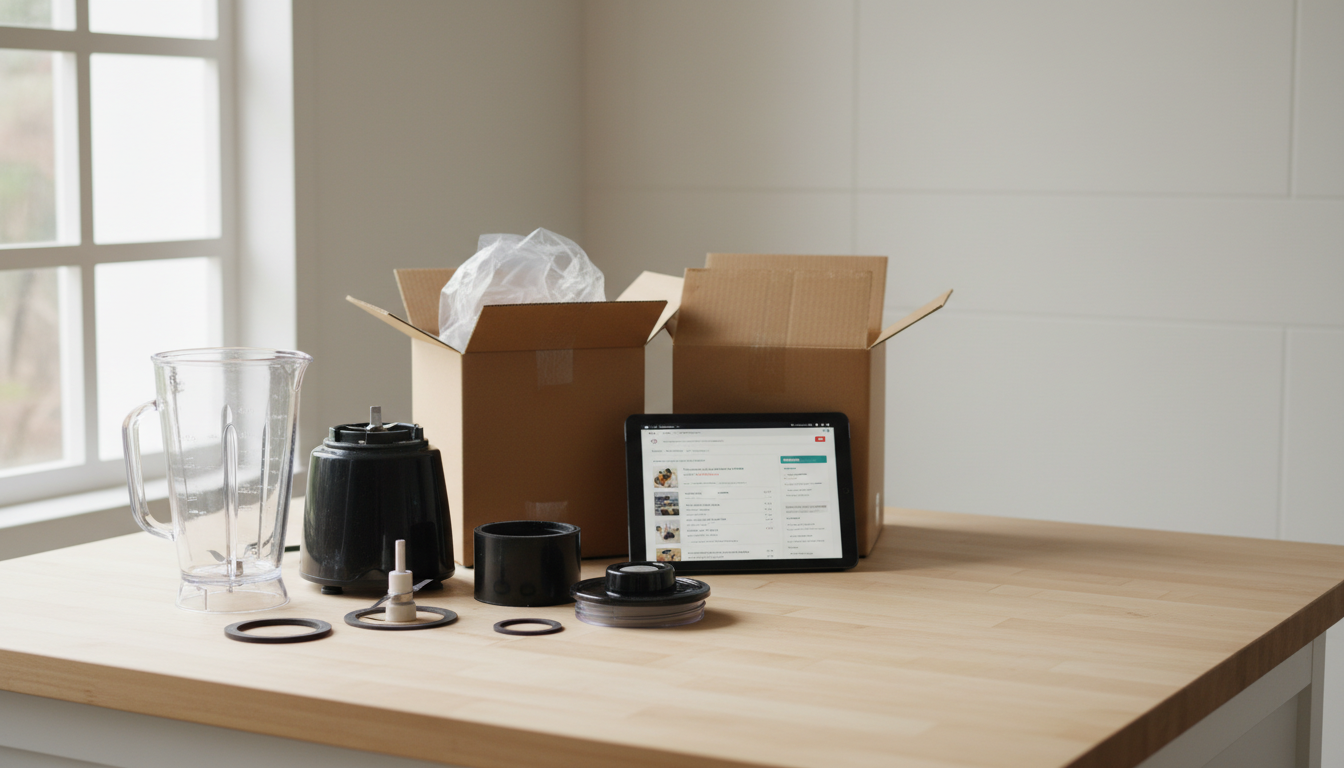
Buying Ninja Blender Replacement Parts on Amazon: What to Look For
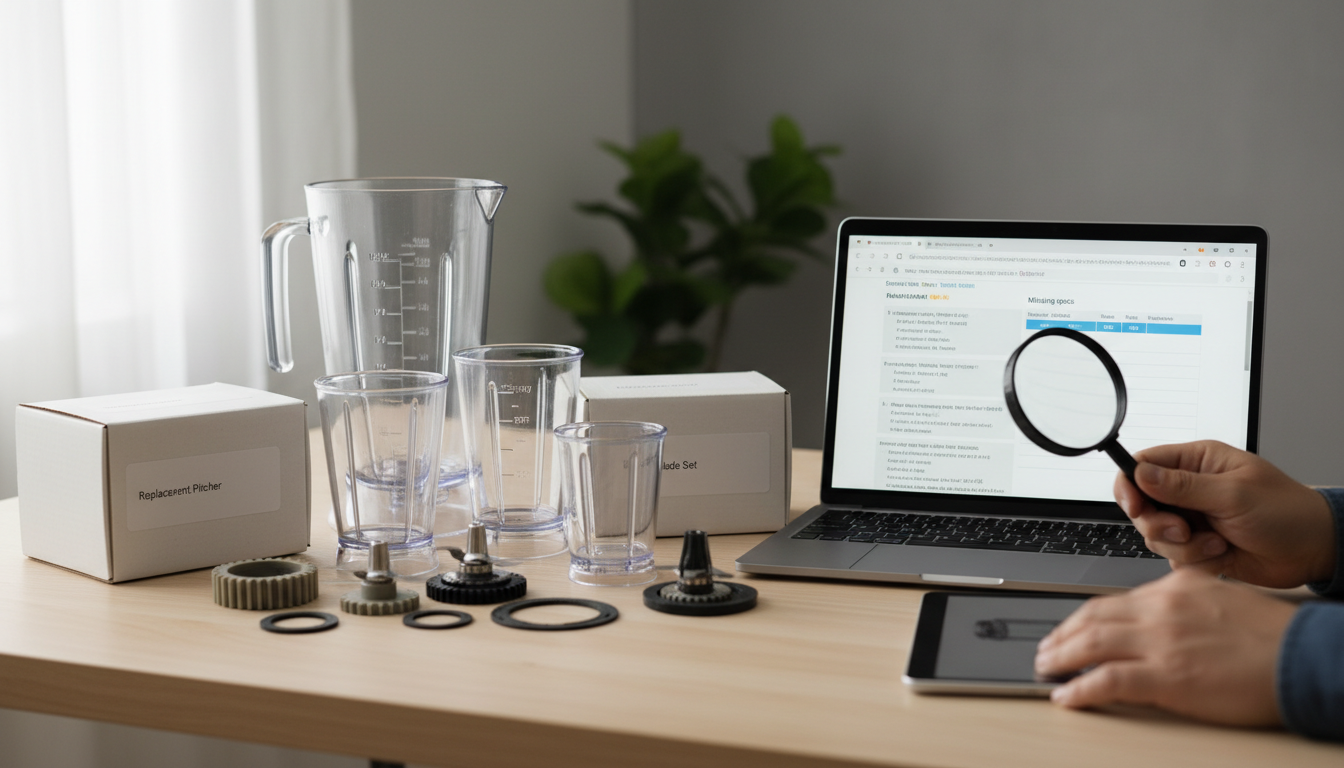
Revitalize Your Blender: A Guide to Ninja Replacement Parts on Amazon
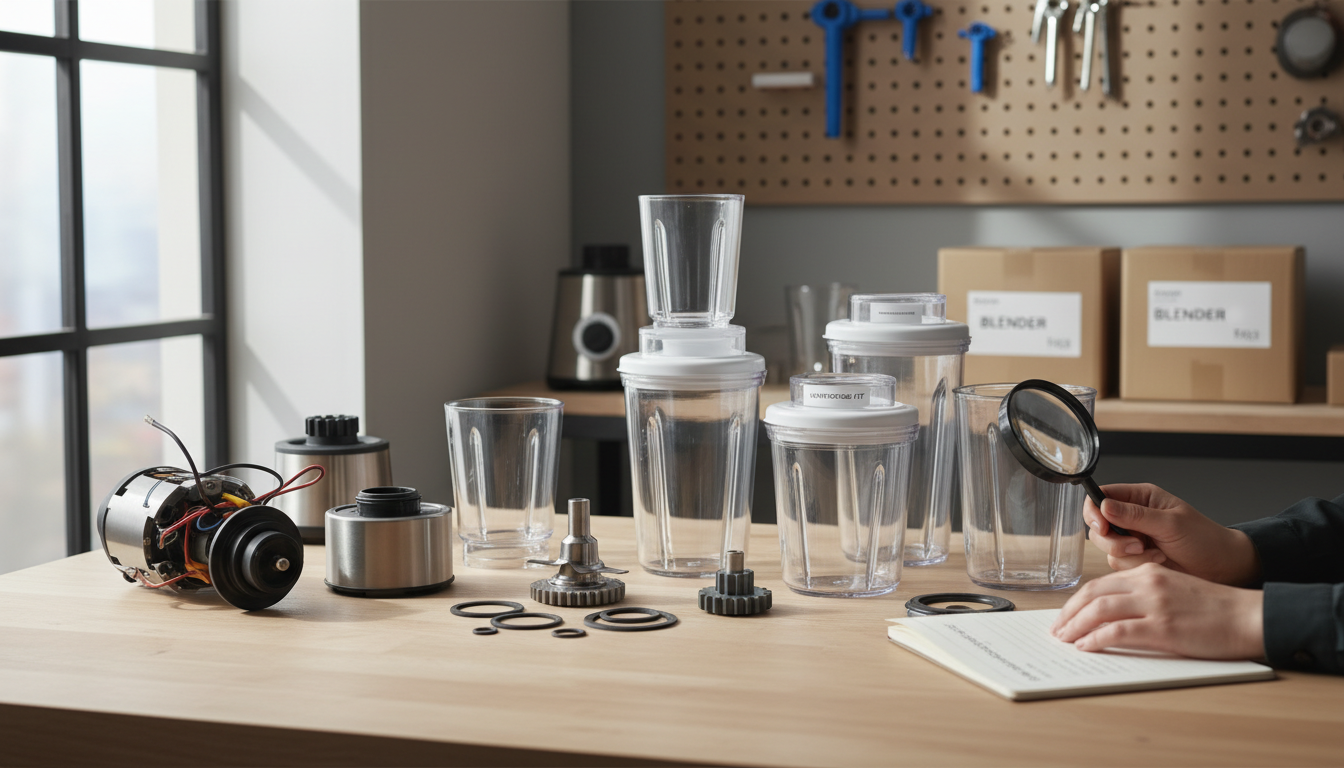
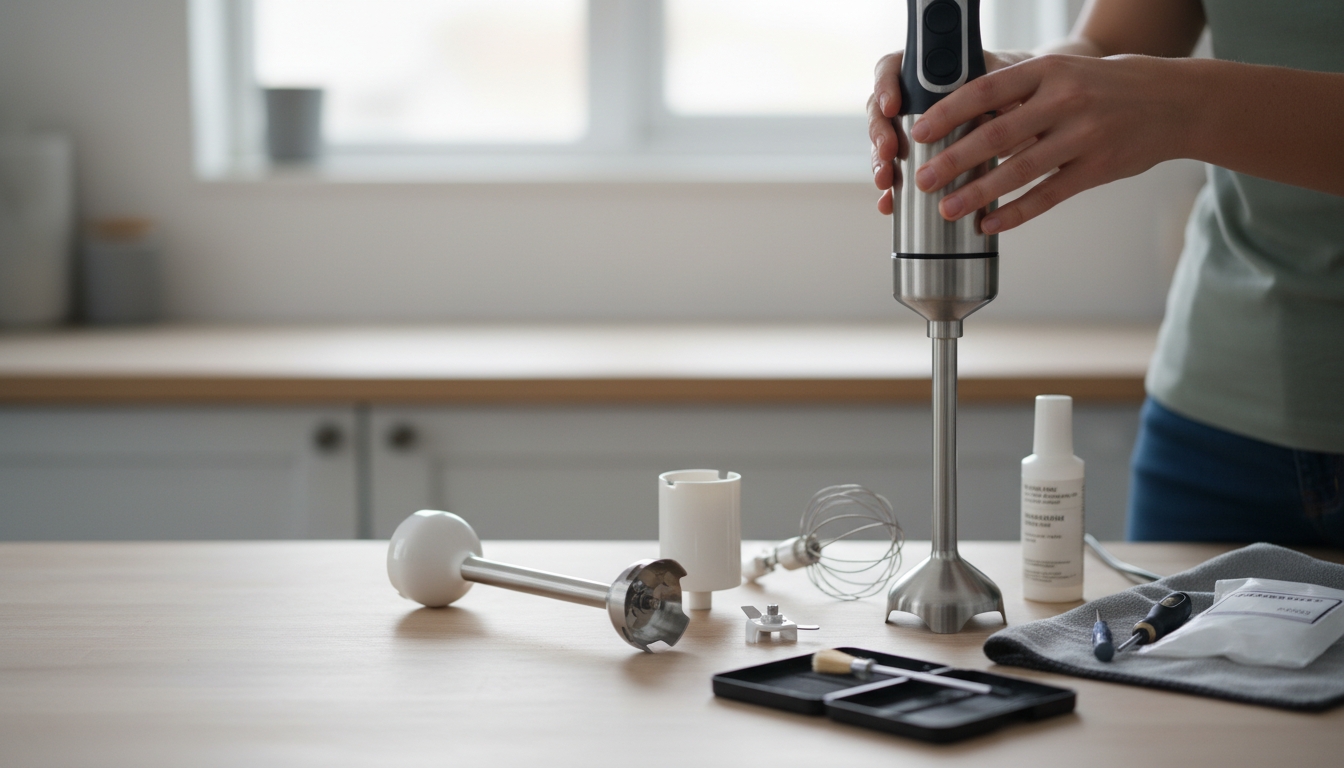
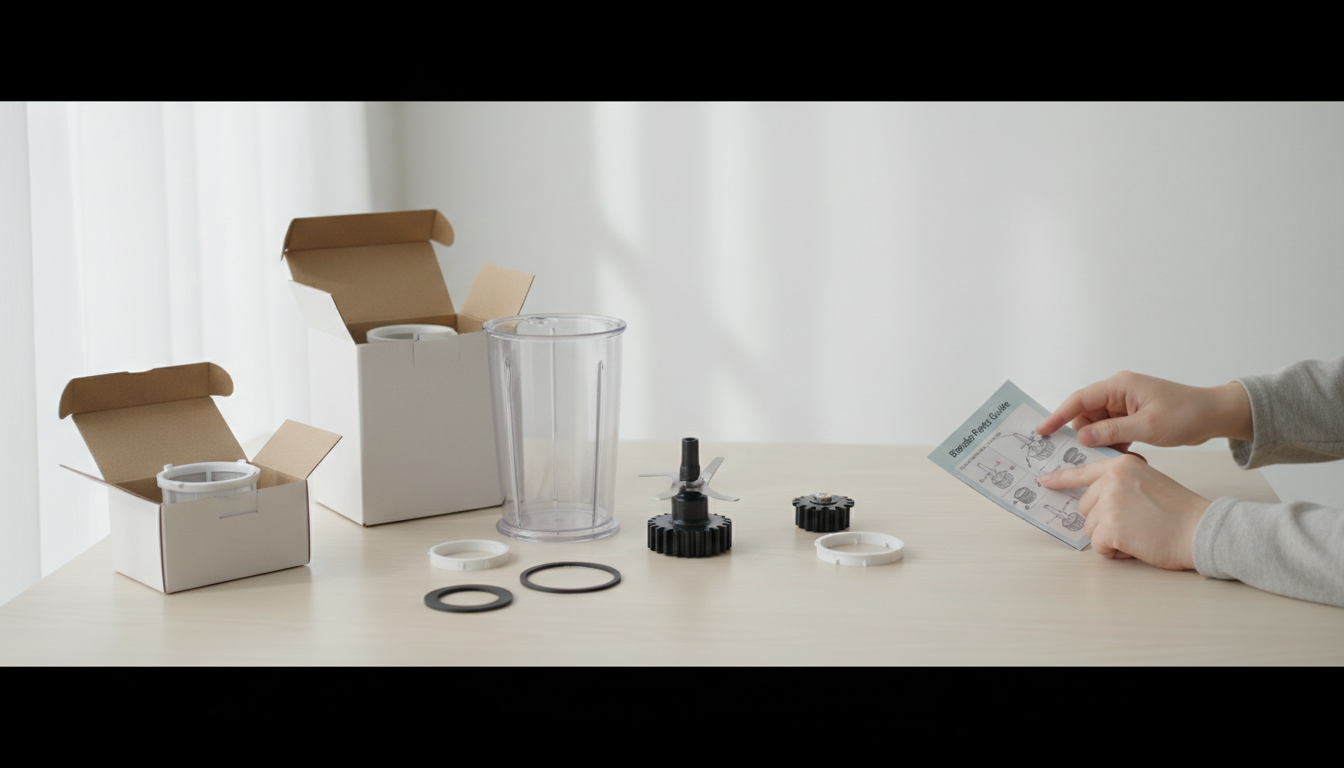
Ninja blenders are a kitchen workhorse, valued for their powerful performance and versatility. Over time, however, even the most durable appliances experience wear and tear. Common components like extractor blades, blending cups, lids, or even gaskets can degrade from frequent use, affecting your blender's efficiency and safety.
When these parts need replacing, many turn to Amazon for its convenience and extensive selection. Yet, the sheer volume of listings for Ninja blender replacement parts can make confident purchasing a challenge. Distinguishing between genuine components and compatible aftermarket options, and ensuring an exact fit for your specific model, are crucial steps to avoid disappointment.
This guide empowers you to confidently navigate Amazon's offerings. We'll focus on key considerations for identifying compatible, high-quality replacement parts, helping you restore your Ninja blender's full functionality while minimizing the common risks of incorrect purchases or premature part failure.
Why Choose Amazon for Your Ninja Blender Parts?
Amazon stands out as a primary destination for many shoppers seeking Ninja blender replacement parts, largely due to its extensive marketplace and logistical convenience. For Ninja owners facing a worn blade or a cracked pitcher, Amazon often provides a quick path to finding a potential solution, addressing the immediate need to restore blender functionality without extensive searching.
The platform offers several compelling advantages:
- Vast Selection: You'll typically find a wide array of parts, including both official Ninja components and numerous third-party alternatives. This breadth of choice can be particularly useful for locating parts for older or less common Ninja models.
- Competitive Pricing: The high volume of sellers often fosters competition, potentially leading to more affordable prices compared to direct manufacturer purchases or specialty stores.
- Customer Reviews: User-generated reviews and ratings provide insights into product fit, durability, and common issues, offering a collective knowledge base from other Ninja owners.
- Convenient Delivery: Amazon's established shipping infrastructure, including expedited options, can get replacement parts to your door quickly, minimizing blender downtime.
However, these benefits come with inherent trade-offs and risks that require careful navigation. The abundance of third-party sellers means a significant portion of available parts may not be manufactured by Ninja itself. These aftermarket components can vary substantially in material quality, precise dimensions, and overall performance. Compatibility challenges are common; a part advertised as fitting a "Ninja Blender" might not perfectly match your specific model number, leading to issues like blades that don't seat correctly or lids that don't seal. Some third-party blades, for instance, might not handle tough ingredients or hot liquids as effectively as original parts.
Navigating Amazon's ecosystem demands a critical eye. While customer reviews are a valuable resource, they can also be misleading. Always scrutinize reviews for mentions of your specific Ninja model, look for detailed feedback on fit and function, and be wary of generic praise. Product listings sometimes carry warnings like "frequently returned due to unexpected size," signaling potential compatibility issues. Amazon's return policy offers a safety net for incompatible purchases, but the effort and delay of returning and reordering can be a frustrating experience. Therefore, thorough vetting of product details and seller reputation is crucial to mitigate the risk of acquiring an ill-fitting or substandard part.
Essential Checks Before Buying Ninja Blender Parts on Amazon
Navigating the vast selection of Ninja blender replacement parts on Amazon requires a systematic approach to ensure compatibility and quality. Before adding any item to your cart, a thorough verification process can prevent common issues like incorrect fit, poor performance, or the hassle of returns. Focus on these critical factors to make an informed purchase.
Pinpoint Your Ninja Blender Model Number
The single most important piece of information for purchasing a replacement part is your specific Ninja blender model number. Ninja produces numerous blender series and models, and parts are rarely universally interchangeable. A blade designed for one series may not fit another, even if they appear visually similar.
- Location: The model number is typically found on a sticker or embossed label on the underside of your blender's motor base. It often starts with "BL," "BN," or "NN" followed by a series of numbers and sometimes letters (e.g., BL610, BN801, NN100-30).
- Verification: Double-check the product listing's compatibility section against your exact model number. Listings often specify a range of compatible models. Ignoring this step is a primary reason for parts being "frequently returned due to unexpected size" as noted in buyer feedback.
Identify the Exact Part Needed
Once your model number is confirmed, clearly define the specific part you need to replace. Many Ninja parts have subtle variations that are crucial for proper function and fit.
- Blade Configuration: Ninja blades come in various designs, most notably differing in the number of fins (e.g., 6-fin vs. 7-fin). Count the fins on your existing blade to ensure an exact match.
- Jar and Cup Sizes: Blending jars and cups are available in different capacities (e.g., 24 oz, 32 oz, 64 oz, 72 oz). Confirm the volume of your existing container, as lids and bases are often sized accordingly.
- Lid Variations: Lids can vary significantly, from basic pour-spout designs to locking lids for travel cups or specialized food processor lids. Match the exact lid type and its locking mechanism to your original.
- Gaskets and Seals: These small but vital components ensure leak-proof operation. Verify the shape, diameter, and material of your current gasket to find a precise replacement.
OEM vs. Third-Party Parts
When browsing Amazon, you'll encounter both Original Equipment Manufacturer (OEM) parts, sold directly by Ninja or authorized resellers, and numerous third-party alternatives. Each option presents distinct trade-offs.
- OEM (Original Equipment Manufacturer) Parts:
- Pros: Guaranteed compatibility, consistent quality, and often come with Ninja's own branding or packaging. These parts are designed to meet the original product specifications.
- Cons: Typically higher priced than third-party options.
- Third-Party Parts:
- Pros: Often significantly more affordable, providing a budget-friendly repair solution. A wider variety might be available for older or less common models.
- Cons: Quality can vary widely. Potential risks include less durable materials, imperfect fit, or performance issues (e.g., blade not blending as efficiently, leakage). Read reviews carefully for mentions of these issues.
Scrutinize Seller Reputation and Return Policies
Even with the correct part identified, the reliability of the seller and their return policy can significantly impact your buying experience on Amazon.
- Seller Ratings and Reviews: Check the seller's overall rating and read recent reviews specific to their Ninja replacement parts. Look for comments regarding product accuracy, shipping, and customer service.
- Return Policy: Understand both Amazon's general return policy and any specific stipulations from the individual seller. Given that parts can be "frequently returned due to unexpected size," a clear and hassle-free return process is crucial if the part doesn't fit or perform as expected.
- Warranty Information: While less common for small replacement parts, note if any warranty is offered, especially for third-party components, as this can indicate a seller's confidence in their product quality.
What to Look For in Specific Ninja Blender Replacement Parts
When searching for Ninja blender replacement parts on Amazon, understanding the specific characteristics and potential pitfalls of each component can significantly improve your buying experience. Each part has unique compatibility requirements and performance considerations that directly impact your blender's functionality and longevity.
Blades and Extractors
The blade assembly is central to your Ninja blender's performance, and selecting the correct replacement is critical.
- Fin Count and Model Compatibility: Ninja blenders utilize various blade designs, most commonly featuring 6-fin or 7-fin extractor blades. It is paramount to verify the exact fin count of your original blade and match it precisely with the replacement part's description. An incorrect fin count will prevent the blade from seating properly in the motor base or engaging with the cup, leading to non-functionality or damage. Always cross-reference the replacement part's compatibility list with your specific Ninja blender model number.
- Material and Construction: Most Ninja blades are made from stainless steel. Look for descriptions that specify "food-grade stainless steel" or "premium grade" to suggest better durability and resistance to corrosion. The quality of the internal bearing is also important for smooth operation and preventing leaks over time.
- Performance Considerations:
- Ice Blending: Some aftermarket blades may not replicate the efficiency of original Ninja blades, potentially leaving larger ice chunks rather than a fine blend. If frequent ice blending is a primary use, scrutinize reviews for feedback on ice-crushing capability.
- Hot Liquids: Not all replacement blades are designed or rated for blending hot liquids. If you intend to blend soups or other hot ingredients, confirm that the replacement blade is explicitly stated to be heat-resistant to avoid material degradation or safety issues.
Jars and Cups
Ninja blenders come with a range of jar and cup sizes, each designed for specific blending tasks.
- Capacity Match: Replacement jars and cups are available in various capacities, such as 24oz personal cups or larger 72oz pitcher-style jars. Ensure the replacement capacity aligns with your needs and, more importantly, is compatible with your blender's base and existing blade assembly. Some bases are designed for specific cup sizes only.
- Material Quality: Most Ninja jars and cups are constructed from durable, BPA-free plastic. Verify that replacement parts also adhere to this standard for food safety. The plastic's thickness and rigidity can indicate its resistance to cracking or clouding over time.
- Lid Compatibility: Personal cups often come with "to-go" lids, while larger jars have specific pouring or locking lids. Confirm that the replacement jar or cup either includes a compatible lid or that your existing lid will fit securely and create a tight seal. Incompatible lids can lead to spills or prevent the blender from operating due to safety interlocks.
Lids and Gaskets
Lids and their associated gaskets are crucial for both safety and preventing leaks during operation.
- Secure Locking Mechanisms: Many Ninja blenders feature safety interlocks that require the lid to be securely locked in place before the motor will activate. A common issue with worn or incompatible lids is that the blender only works if the lid is physically held down, indicating a failure in the locking mechanism. Ensure any replacement lid is designed to properly engage these safety features for your specific model.
- Gasket Integrity: Lids typically incorporate a rubber or silicone gasket to ensure a leak-proof seal. Check if the replacement lid includes a new gasket, or if your existing gasket can be safely transferred. The gasket material should be flexible yet durable, and its fit must be precise to prevent leaks, especially when blending liquids.
- Lid Type: Ninja offers various lid types, from simple personal cup lids to more complex pitcher lids with pour spouts or measuring caps. Match the replacement lid to the exact type and function of your original lid, considering how it interacts with the blender's safety features and overall design.
Navigating Common Pitfalls When Buying Online
While Amazon offers convenience and a broad selection for Ninja blender replacement parts, it also presents specific challenges that can lead to frustration or wasted money. Understanding these common pitfalls and how to mitigate them is essential for a successful purchase.
The 'Doesn't Fit' Frustration
One of the most common issues buyers encounter is receiving a part that simply doesn't fit their specific Ninja blender model. Even subtle differences in model numbers or series can mean a complete incompatibility, especially for components like blades, lids, or cups.
- Actionable Advice: Before adding any item to your cart, locate the exact model number of your Ninja blender, typically found on the bottom of the motor base. Cross-reference this number meticulously with the product's compatibility list. Be wary of listings that claim "universal fit" without specifying a range of models. Should an item arrive and not fit, initiate a return promptly. Amazon's product pages sometimes indicate that an item is "frequently returned due to unexpected size," which can serve as an early warning sign. Familiarize yourself with the seller's return policy before purchasing, particularly for third-party merchants.
Performance Discrepancies
Aftermarket or third-party replacement parts, while often more affordable, may not always deliver the same performance as original equipment manufacturer (OEM) parts. Differences in design, materials, or manufacturing tolerances can impact your blender's functionality.
- Actionable Advice: Be aware that a replacement blade might not blend as efficiently as the original, potentially leaving larger chunks of ice or unblended ingredients. Some users report issues with blades not fitting snugly, leading to leaks or increased noise during operation. Material choices can also affect durability and cleaning; a blade made from a different grade of stainless steel might dull faster, or a plastic cup might be less resistant to staining or odor retention. Consider if the part is designed to handle the same range of ingredients (e.g., ice, hot liquids, tough nuts) as your original component.
Quality and Durability Concerns
The quality of materials and manufacturing processes can vary significantly among different third-party sellers. This can lead to parts that fail prematurely or, in some cases, could potentially damage your blender.
- Actionable Advice: Inferior plastics might crack or warp under stress, and poorly sealed gaskets could lead to leaks, damaging the motor base. Blades made with lower-grade metal or bearings might seize up or break, potentially introducing metal fragments into your blend. Always inspect product images closely for material appearance and read reviews for mentions of premature failure, leaks, or unusual noises after installation. Prioritize parts that describe their materials and construction in detail.
Misleading Product Descriptions
Some online listings may use vague language, incomplete information, or exaggerated claims to attract buyers, making it difficult to assess a part's true compatibility or quality.
- Actionable Advice: Scrutinize product titles and descriptions for specificity. Generic terms like "compatible with Ninja blenders" without a list of specific model numbers should raise a red flag. Look for detailed specifications, clear images from multiple angles, and information about the materials used. Compare the listing's details with your original part. Be cautious of claims that seem too good to be true, such as "universal fit for all Ninja models" or promises of enhanced performance without supporting evidence. Cross-reference information with customer reviews and Q&A sections on the product page to gain a more realistic understanding of the part.
Frequently Asked Questions About Ninja Blender Parts on Amazon
Navigating the array of Ninja blender replacement parts on Amazon can lead to several common questions. Understanding these points can help clarify your purchase decisions and minimize potential issues.
How do I find my Ninja blender model number?
Locating your Ninja blender's model number is the most critical step for ensuring part compatibility. Without it, you risk purchasing an incorrect component that won't fit or function properly.
- Bottom of the Motor Base: The most common location is a sticker or embossed label on the underside of the blender's motor base. This label typically contains the model number (e.g., BL610, BN801, CT682SP).
- Power Cord Tag: For some models, a small tag attached to the power cord may display the model number.
- Original Packaging or Manual: If you still have the original box or instruction manual, the model number will be clearly printed there.
Always double-check this number against the product description on Amazon before finalizing your purchase.
Are third-party Ninja blender parts reliable?
The reliability of third-party or aftermarket Ninja blender parts can vary significantly. While genuine Ninja parts (OEM - Original Equipment Manufacturer) offer the highest assurance of fit and quality, third-party options often present a more budget-friendly alternative.
- OEM Parts: Typically manufactured to exact specifications, offering consistent quality, material safety, and a guaranteed fit. They are generally more expensive.
- Third-Party Parts: Can be considerably cheaper. Quality ranges from comparable to OEM to significantly inferior. Risks include:
- Poor Fit: Leading to leaks, improper blending, or component damage.
- Subpar Materials: Resulting in quicker wear, cracking, or potential chemical leaching.
- Reduced Performance: Blades might not be as sharp or efficient.
- Warranty Concerns: Using non-OEM parts might, in some cases, void any remaining warranty on your blender, though this is less common for older appliances.
When considering third-party parts, scrutinize product reviews for feedback on fit, durability, and performance. Look for sellers with high ratings and detailed product descriptions that confirm compatibility with your specific model number.
Can I use a different fin blade count than my original?
No, it is generally not advisable to use a Ninja blender blade with a different fin count than your original. The fin count (e.g., 6-fin, 7-fin) is specific to certain Ninja blender models and cup designs.
- Compatibility: Different fin configurations are engineered to engage precisely with the motor base and the threading of the blending cup. An incorrect fin count can prevent the blade from screwing on properly, seating correctly, or activating the blending mechanism.
- Performance and Safety: Using an incompatible blade can lead to leaks, damage to the blade assembly or motor, or even prevent the blender from operating safely. Always match the fin count exactly to your original blade for optimal performance and to avoid potential hazards.
What if my new part doesn't fit or work?
Even with careful selection, occasionally a replacement part may not fit or function as expected. Amazon provides recourse for such situations, but understanding the process is key.
- Check Amazon's Return Policy: Most items sold on Amazon are eligible for returns within a specific timeframe (e.g., 30 days), often with free returns if the item is defective or not as described.
- Review Seller-Specific Policies: If the part is sold by a third-party seller (not "Ships from and sold by Amazon.com"), check their specific return policy on the product page, as it might differ slightly.
- Contact the Seller First: Before initiating a return, consider contacting the seller directly. They may offer troubleshooting tips, a replacement, or a refund without requiring a full return process.
- Initiate a Return Through Amazon: If direct resolution isn't possible, use Amazon's online return center. Select the reason for the return (e.g., "Doesn't fit," "Defective," "Not as described") to ensure you receive the appropriate return label and refund.
- Keep Original Packaging: Always retain the original packaging for any replacement part until you've confirmed it fits and works correctly. This simplifies the return process if needed.
Making Your Confident Purchase Decision
Navigating Amazon for Ninja blender replacement parts culminates in a final selection that balances several critical factors. Before finalizing your order, consolidate the information gathered and re-evaluate your choices with a holistic perspective. This ensures the part you receive not only fits but also performs as expected, restoring your blender's functionality effectively and safely.
Consider these final checkpoints:
- Model-Specific Match: Double-check your Ninja blender's exact model number against the part's compatibility list. Discrepancies in model numbers are a frequent cause for returns of replacement parts on Amazon due to unexpected size or fit issues.
- Part Identification Accuracy: Verify that the part pictured and described precisely matches the component you need to replace. Pay attention to details like the number of fins on a blade, the capacity of a cup, or the specific locking mechanism of a lid.
- Seller Credibility: Examine the seller's ratings and reviews on Amazon. A history of positive feedback, prompt shipping, and accurate product descriptions can indicate reliability.
- Review Analysis: Beyond overall star ratings, read recent customer reviews, especially those mentioning fit, durability, or specific problems. Look for consistent feedback regarding the part's performance with various Ninja models or blending tasks.
- Material and Construction: While direct inspection isn't possible online, product descriptions and customer photos can offer clues about the quality of materials. Consider whether the part's stated capabilities (e.g., blending ice, handling hot liquids) align with your intended use, as some third-party options may have limitations.
Your goal is to confidently select a replacement part that offers a suitable blend of quality, compatibility, and value. A part that is significantly cheaper but doesn't fit, or quickly fails, ultimately costs more in time and frustration. Prioritize a precise fit and reliable performance to ensure your Ninja blender returns to its optimal state, ready for your next blend.
Get Your Ninja Blender Blending Again
Navigating Amazon for Ninja blender replacement parts requires a discerning eye, but with the right approach, it's a straightforward path to restoring your appliance. By prioritizing model compatibility, scrutinizing product details, and leveraging customer feedback, you empower yourself to make informed decisions.
Remember, each careful check you perform minimizes the risk of incompatibility or premature wear, ensuring your investment in a replacement part truly extends your blender's utility. Confidently proceed with your purchase, knowing that your diligence will keep your Ninja blender performing at its best for many more blends to come.