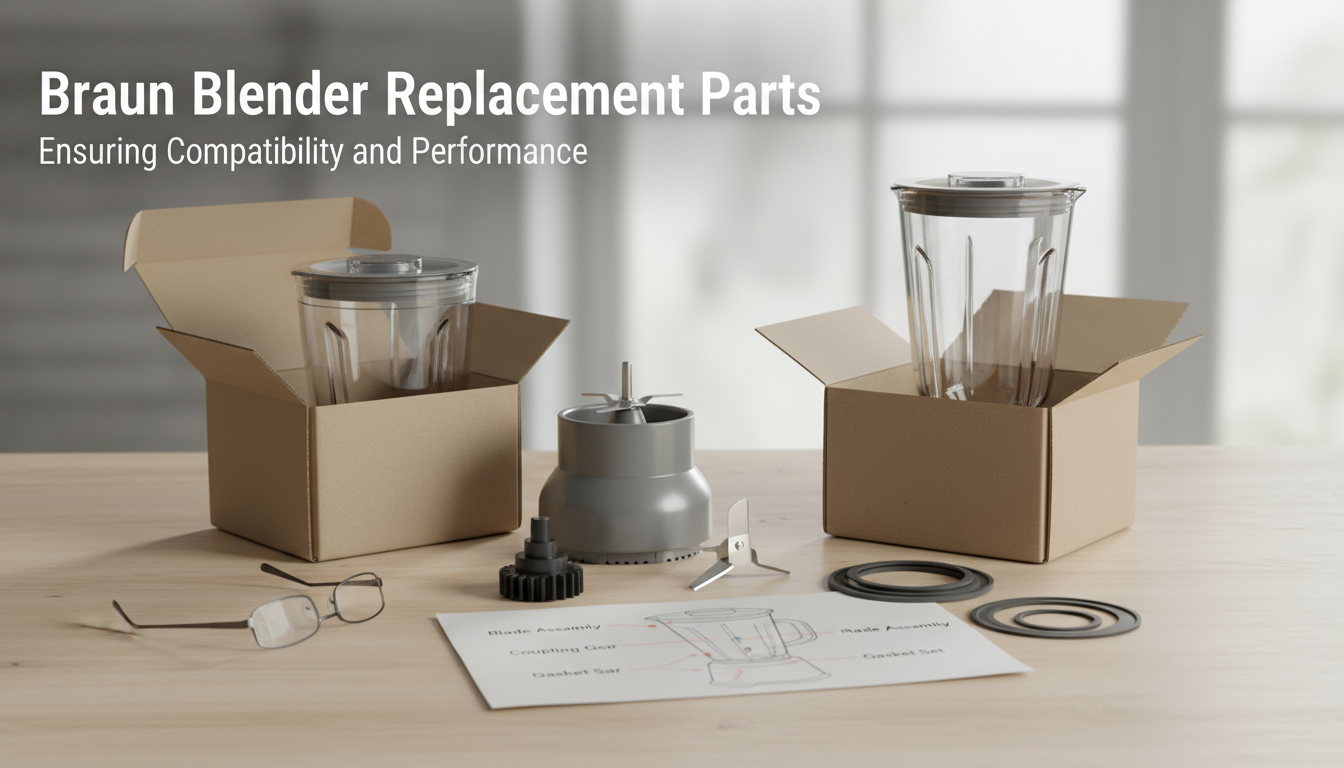
Beautiful Blender Replacement Parts: Maintaining Your Appliance's Aesthetic and Function
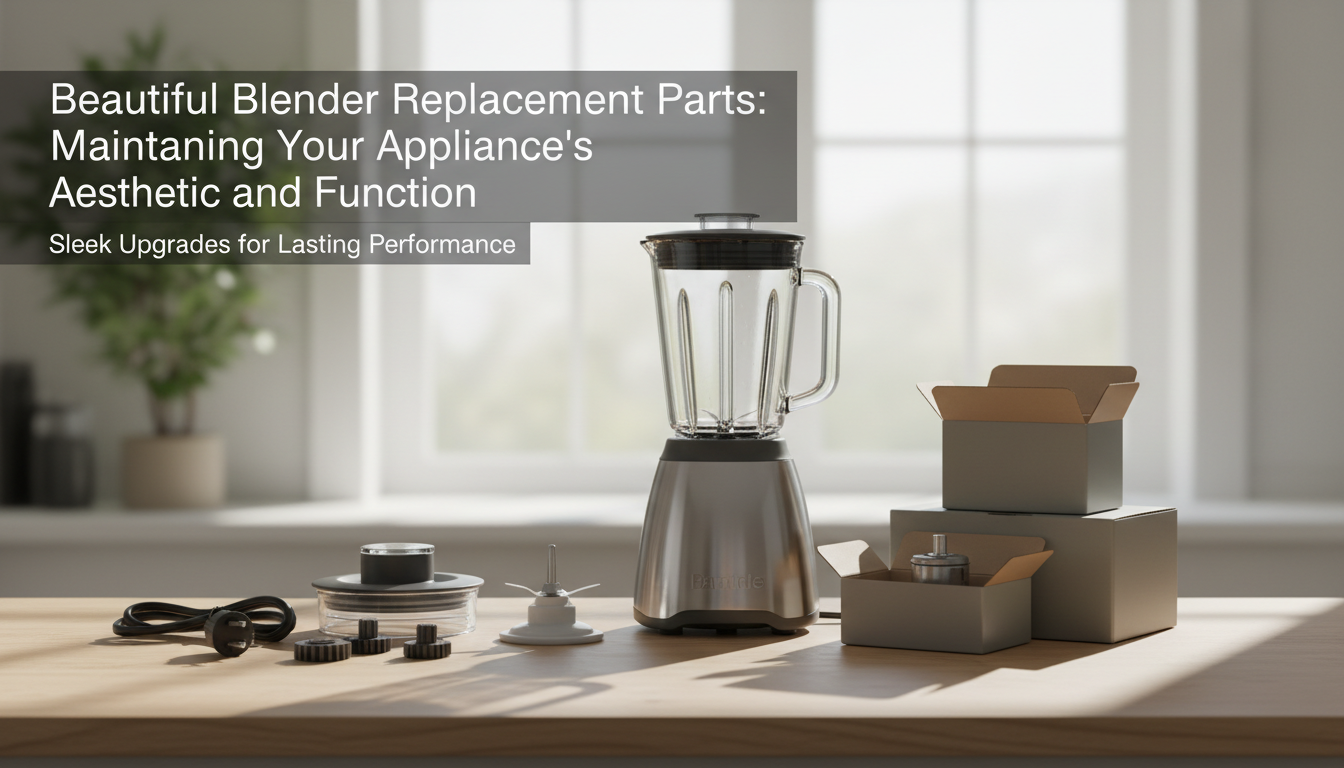
Preserving Your Beautiful Blender: Functionality Meets Flawless Design
Owners of Beautiful by Drew Barrymore blenders value these appliances for their distinctive aesthetic as much as their blending capabilities. Known for their elegant colors and soft matte finishes, these blenders are designed to be a prominent and stylish fixture in any kitchen. When a component requires replacement, the challenge extends beyond merely restoring function; it involves maintaining that original, cohesive design.
Finding replacement parts for your Beautiful blender means navigating options that uphold both the appliance's performance and its signature visual appeal. A worn blade or a cracked jar can diminish blending efficiency, but a mismatched replacement can also disrupt the carefully curated look of your countertop. This dual consideration is central to ensuring your appliance continues to operate effectively while retaining its intended design integrity.
This guide is crafted to assist you in making informed decisions about replacement parts. We will explore the critical factors to consider, helping you select components that not only fit precisely and perform reliably but also seamlessly integrate with the unique style of your Beautiful blender.
Understanding Your Beautiful Blender's Essential Replacement Parts
Maintaining a Beautiful blender involves more than just ensuring its blending capabilities; it also means preserving the appliance's distinctive aesthetic. When seeking replacement parts, owners should consider both functional compatibility and how each component contributes to the blender's signature look. Key parts often requiring attention include the blending jars, blade assemblies, sealing gaskets, lids, and motor couplings.
- Blending Jars: These are central to the blender's function, holding ingredients during processing. For Beautiful blenders, jars are often designed with specific capacities (e.g., 16oz travel cups) and are typically BPA-free. Aesthetically, they are crafted to complement the blender's overall design, sometimes featuring clear, durable materials that integrate seamlessly with the base's soft matte finish and color palette. Scratches, cracks, or clouding can diminish both function and visual appeal.
- Blade Assemblies: The blade assembly, including the blades and their housing, is critical for efficient blending and grinding. Beautiful blenders often feature emulsifying blade systems designed for specific tasks. When selecting a replacement, ensuring the blade type matches the original's design and material is crucial for performance. The assembly's integration into the jar also contributes to the sleek, unbroken lines characteristic of the brand's aesthetic.
- Gaskets: These small, flexible rings create a watertight seal between the blade assembly and the jar, preventing leaks during operation. While not always visible, their material and fit are vital. A worn or damaged gasket can lead to leaks, compromising functionality and potentially damaging the motor. Replacing them ensures continued hygiene and operational integrity.
- Lids: Lids secure the jar during blending and often include features like drinking spouts or vents. For Beautiful blenders, lids are designed to match the jar's contours and the overall color scheme, often with "no-drippy" features for convenience. Aesthetically, they maintain the appliance's streamlined appearance, making material quality and color consistency important for replacements.
- Couplings: The coupling is the component that connects the blade assembly to the blender's motor base, transmitting power to spin the blades. These parts can wear down over time due to friction and torque. While often hidden, a worn coupling can lead to operational failure. Replacing it is essential for restoring the blender's core function, and ensuring compatibility with both the motor base and blade assembly is paramount.
Crucial Factors When Choosing Beautiful Blender Replacement Parts
Selecting replacement parts for your Beautiful by Drew Barrymore blender requires a methodical approach to ensure both functional restoration and aesthetic preservation. The brand's distinctive design means that generic solutions may not suffice. Consider these specific criteria to maintain your appliance's original performance and visual appeal.
-
Precise Model and Series Compatibility The most critical step is to verify the exact model number and series of your Beautiful blender. Unlike universal parts, components for these blenders are often designed with specific dimensions and connection points unique to their model line. An incorrect part, even if it appears similar, can lead to poor fit, reduced efficiency, or even damage. Locate the model number, typically found on the underside of the blender base, and cross-reference it meticulously with any potential replacement part's specifications. This ensures the part integrates seamlessly with your specific Beautiful appliance.
-
Material Quality and Durability Expectations The longevity and performance of a replacement part are directly tied to its material quality. For Beautiful blenders, this extends beyond just functionality to how the material holds up visually.
- Jars and Lids: Look for BPA-free plastics that resist clouding or staining over time, maintaining clarity and the original appearance. The durability of the plastic impacts resistance to cracks and scratches from daily use.
- Blades and Couplings: High-grade stainless steel blades are essential for efficient blending and resistance to corrosion. Motor couplings, often made of durable plastic or rubber, need to withstand rotational forces without premature wear, which can lead to functional issues. Inferior materials can compromise blending power, accelerate wear, and detract from the blender's overall aesthetic.
-
Authentic Aesthetic Match A hallmark of Beautiful blenders is their cohesive design, characterized by specific color palettes and soft matte finishes. When replacing parts, maintaining this aesthetic is paramount.
- Color and Finish: Ensure the replacement part's color precisely matches your blender's original shade (e.g., Sage Green, Cornflower Blue, Black Sesame). The finish, whether matte or glossy, should also align to avoid a mismatched appearance.
- Design Details: Pay attention to subtle design elements, such as handle contours, lid textures, or base accents, to ensure the replacement part integrates visually rather than standing out as an aftermarket addition. This preserves the appliance's intended design integrity on your countertop.
-
Source Reliability and Authenticity The origin of your replacement part can significantly impact its quality, fit, and aesthetic consistency.
- Original Equipment Manufacturer (OEM) Parts: These are produced by or for the original blender manufacturer. They generally offer the highest assurance of compatibility, material quality, and aesthetic match, as they are designed to the exact specifications of your appliance.
- Third-Party/Aftermarket Parts: While often more budget-friendly, these parts can vary widely in quality. Some third-party manufacturers produce high-quality alternatives, but others may use inferior materials, leading to poor fit, reduced durability, or an aesthetic mismatch that clashes with your Beautiful blender's design. Carefully vet the seller and product descriptions for claims of compatibility and material standards.
By prioritizing these factors, you can confidently select replacement parts that not only resolve functional issues but also uphold the distinctive aesthetic and brand identity of your Beautiful by Drew Barrymore blender.
Troubleshooting Common Issues and Knowing When to Replace
Even with careful use, components of your Beautiful by Drew Barrymore blender can experience wear and tear over time. Recognizing the signs of common issues is crucial for maintaining both the appliance's distinctive aesthetic and its reliable performance. Ignoring these indicators can lead to inefficient blending, potential damage to other parts, or a diminished visual appeal that detracts from your kitchen's style.
Identifying problems early helps you decide when a replacement part is necessary, preventing minor inconveniences from escalating into more significant issues.
- Blades: The blending blade assembly is central to performance.
- Signs of wear: Dullness, nicks, or visible corrosion can reduce blending efficiency, leaving ingredients chunky or unevenly processed. A more critical sign is leaking from the blade assembly's base, indicating a compromised seal.
- Impact: Dull blades strain the motor, potentially shortening its lifespan, while leaks can create a mess and even damage the motor housing if liquid seeps in. Aesthetically, a corroded or visibly damaged blade detracts from the appliance's clean design.
- Jars: The blending jar endures frequent use and washing.
- Signs of wear: Fine cracks, cloudiness, or permanent discoloration can develop over time. Physical damage like chips or larger cracks is an immediate concern.
- Impact: Cracks pose a safety risk and lead to leaks, while cloudiness or discoloration makes it difficult to monitor blending progress and compromises the blender's sleek appearance. For a brand emphasizing visual appeal, a pristine jar is key.
- Gaskets: These small, often overlooked seals are vital for preventing leaks.
- Signs of wear: Becoming brittle, cracking, stretching out of shape, or showing visible degradation.
- Impact: A degraded gasket is a primary cause of leaks, leading to messy countertops and potential liquid ingress into the motor. The visible residue from leaks can stain the blender base, undermining its soft matte finish.
- Couplings: Often referred to as drive sockets, these connect the motor to the blade assembly.
- Signs of wear: Users sometimes report "worn couplings" that manifest as the motor running but the blades failing to turn, or producing a grinding noise. This indicates that the connection point between the motor and the blade is stripped or damaged.
- Impact: A faulty coupling renders the blender unusable, as power isn't effectively transferred to the blades. This directly impacts functionality and can be a source of frustration regarding "durability and fit" issues if not addressed.
The trade-off of continuing to use a faulty part versus replacing it often weighs heavily on both performance and the blender's appearance. A compromised part not only delivers subpar results but also risks further damage to the appliance, potentially leading to a more expensive repair or outright replacement of the entire unit. Moreover, a visibly damaged or leaking component directly conflicts with the Beautiful blender's design ethos, diminishing its intended role as an elegant kitchen centerpiece. Replacing a worn part ensures continued optimal performance and preserves the cohesive, stylish look of your appliance.
Extending the Life of Your Beautiful Blender: Care and Maintenance Tips
Maintaining the distinctive aesthetic and reliable performance of your Beautiful by Drew Barrymore blender relies significantly on consistent care. Proactive maintenance can prevent many common issues, safeguarding both the appliance's functionality and its elegant appearance, thereby delaying the need for replacement parts.
Proper cleaning is fundamental for all components, ensuring both hygiene and longevity. While many Beautiful blender jars and lids are designed to be BPA-free and dishwasher-safe, hand washing with warm, soapy water is often gentler, especially for parts with seals or delicate finishes. For the blender base and its signature soft matte premium finish, use a soft, damp cloth and avoid abrasive cleaners that could scratch or dull its surface. Ensure all parts are thoroughly dry before reassembly or storage to prevent residue buildup or mold. Carefully clean blade assemblies immediately after use, using a soft brush to remove stubborn food particles without dulling the blades. Avoid harsh scrubbing or prolonged soaking of the blade unit itself, as this can affect the seals and bearings over time.
Strategic storage also protects parts from premature wear and damage. Store jars upright, separate from blade assemblies, to prevent accidental dulling or bending of the blades. Keep lids flat or inverted to maintain their shape and sealing integrity, avoiding warping. Avoid stacking heavy items on top of blender parts, which can lead to stress fractures or deformation.
To prevent common stressors that lead to part failure, be mindful of operational practices:
- Avoid Overfilling: Respect the maximum fill lines indicated on the jar to prevent strain on the motor and blade assembly. Overfilling can cause leaks and excessive motor load.
- Do Not Run Dry: Operating the blender without sufficient liquid can overheat the motor and potentially damage the blades, coupling, or internal components.
- Prevent Continuous Operation: During heavy blending tasks, give the motor short breaks (e.g., 30-60 seconds) to prevent overheating, which can shorten its lifespan.
- Ensure Proper Assembly: Always confirm the jar, blade assembly, and lid are securely fastened before starting the blender. Improper assembly can lead to leaks, stripped gears, or component stress.
By integrating these practices into your routine, you can significantly extend the lifespan of your Beautiful blender's original components. This diligent approach often proves to be the most effective way to prevent many blender problems, preserving its unique design and consistent performance.
Navigating Your Options: A Decision Guide for Beautiful Blender Parts
When a component of your Beautiful by Drew Barrymore blender needs replacing, the decision involves more than just finding a part that fits. It's about preserving the appliance's unique blend of functionality and distinctive aesthetic. Weighing the trade-offs between cost, quality, and aesthetic match is crucial to ensuring your blender continues to perform reliably while maintaining its intended visual appeal.
Choosing replacement parts requires a careful balance of priorities:
- Cost vs. Quality vs. Aesthetic Match: Less expensive, generic parts might offer a quick fix, but they often come with compromises. Lower quality materials can lead to reduced durability and a shorter lifespan, requiring more frequent replacements. Critically, generic parts rarely replicate the specific colors, finishes, or design nuances that define the Beautiful brand. Opting for parts designed to match the original ensures the aesthetic integrity of your kitchen appliance, though this may involve a higher initial investment.
- Prioritizing Needs:
- If your primary concern is immediate restoration of basic blending function (e.g., a broken jar that prevents any use), a readily available, functional part might suffice temporarily.
- However, if maintaining the long-term aesthetic harmony and performance of your kitchen is important, investing in parts that precisely match the original design and material quality becomes paramount. This approach ensures the blender remains a cohesive element of your kitchen décor, consistent with the brand's promise.
Understanding the Risks of Suboptimal Choices
Selecting incompatible or low-quality replacement parts for your Beautiful blender carries several risks that extend beyond simple functionality:
- Fit Limitations and Performance Issues:
- Improper Sealing: Non-standard gaskets or lids can lead to leaks, creating mess and potential safety hazards.
- Blade Inefficiency: Poorly manufactured blades may not align correctly, resulting in suboptimal blending, increased noise, or strain on the motor.
- Component Wear: Incorrectly sized or weighted jars can cause undue stress on the motor coupling, leading to premature wear of the base unit.
- Accelerated Failure Points: Low-quality plastics or metals can degrade quickly, particularly under the stress of blending. This can lead to cracks, breaks, or dulling of blades, necessitating further replacements sooner than expected. Such parts might also lack the BPA-free certifications often found in original Beautiful blender components.
- Aesthetic Disruption: The most distinctive aspect of Beautiful blenders is their design. A mismatched jar color, an off-texture lid, or a visibly different blade assembly can significantly detract from the appliance's visual appeal, undermining the very reason many chose the brand. This diminishes the integrated look of your kitchen space.
By carefully considering these factors, you can confidently select replacement parts that not only restore your Beautiful blender's performance but also uphold its unique design integrity, ensuring it remains a functional and beautiful centerpiece in your kitchen for years to come.
Frequently Asked Questions About Beautiful Blender Replacement Parts
Navigating the world of replacement parts for your Beautiful blender can raise several questions, especially when balancing functional needs with the appliance's distinctive aesthetic. Here are answers to common queries to help you make informed choices.
-
Can I use generic parts for my Beautiful blender? While some generic parts might appear similar, they often do not meet the specific design, material quality, or color matching of Beautiful by Drew Barrymore appliances. The brand emphasizes a unique soft matte finish and specific color palettes. Generic alternatives may compromise the blender's original aesthetic and potentially its long-term durability or performance due to variations in manufacturing standards or fit. For optimal function and to preserve the appliance's signature look, sourcing parts designed specifically for Beautiful blenders is generally recommended.
-
How do I find my Beautiful blender's model number? Your blender's model number is crucial for identifying compatible replacement parts. This number is typically located on a label on the underside or back of the blender's motor base. It can also often be found on the original packaging or within the owner's manual that came with your appliance.
-
What should I do if my replacement part doesn't fit? If a replacement part doesn't fit correctly, first double-check that the part number matches your specific Beautiful blender model number. Even slight variations can lead to incompatibility. If you've confirmed compatibility and the part still doesn't fit, contact the retailer or manufacturer from whom you purchased the part. They can assist with troubleshooting, exchanges, or returns, ensuring you receive the correct component.
-
Are Beautiful blender parts covered by a warranty? Warranty coverage for replacement parts can vary depending on the specific part, the retailer, and the manufacturer's policy. Generally, new, genuine replacement parts purchased directly from the manufacturer or authorized sellers may come with their own limited warranty. It's advisable to consult the official Beautiful by Drew Barrymore website or contact their customer service directly for detailed information regarding warranty terms for individual components.
-
Where are the best places to look for genuine Beautiful brand parts? To ensure you receive authentic parts that match your blender's aesthetic and functional specifications, the most reliable sources are:
- The official Beautiful by Drew Barrymore website: This is often the primary channel for genuine replacement parts.
- Authorized retailers: Check major appliance retailers or their online stores that are known to carry the Beautiful by Drew Barrymore brand.
- Reputable online parts suppliers: Some specialized online vendors may stock genuine parts, but always verify their authenticity and return policies before purchasing.
More in Blender Replacement Parts
View All
Hamilton Beach Hand Blender Replacement Parts: Keeping Your Immersion Blender Working
Choosing the Right Ninja Blender Blade Replacement Parts for Optimal Performance