Finding Koios Blender Replacement Parts: A Guide for Owners
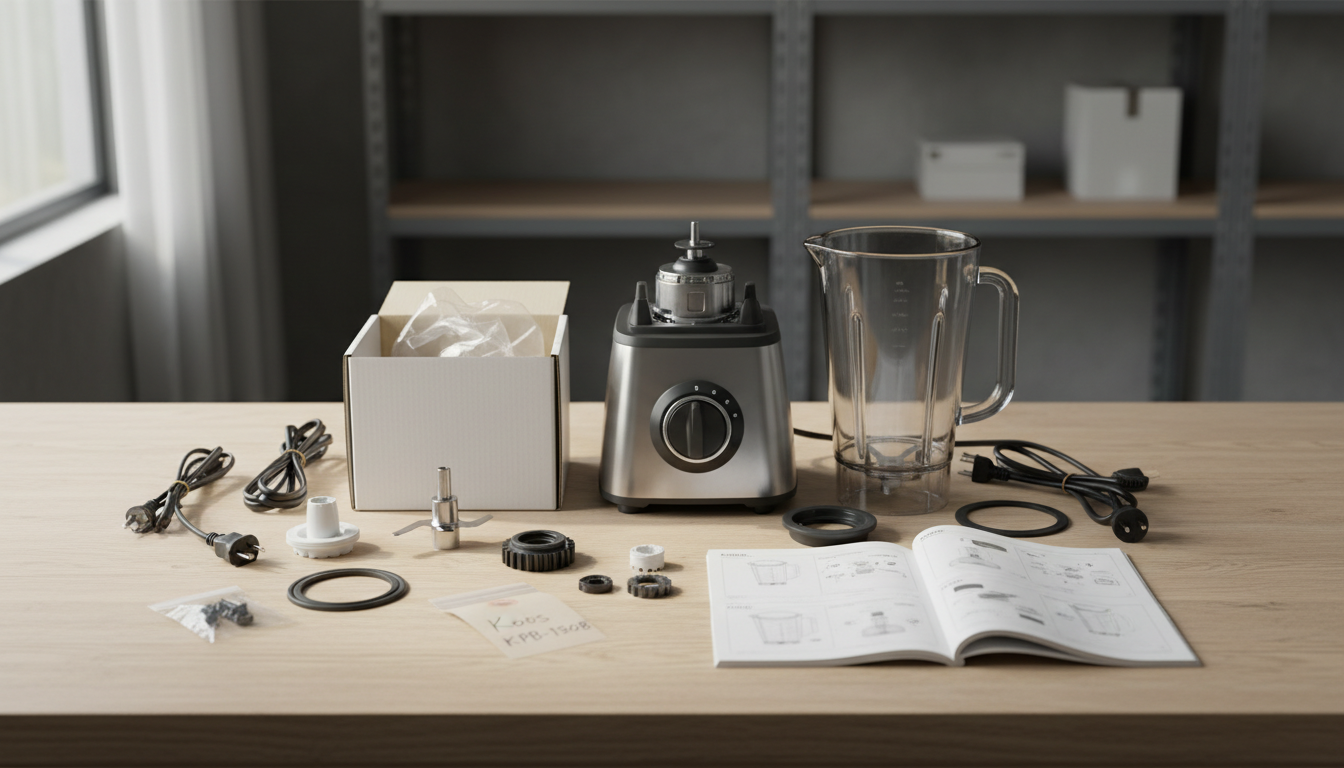
Keep Your Koios Blender Running: A Guide to Replacement Parts
Koios blenders are valued for their consistent performance in the kitchen, but even the most dependable appliances experience wear and tear over time. From frequently used blade assemblies to sealing gaskets, certain components may eventually require replacement to maintain optimal functionality. Addressing these needs with the correct parts is essential for extending your blender's lifespan and ensuring it continues to operate safely and effectively.
This guide is specifically designed for Koios blender owners, providing the necessary information to confidently navigate the replacement part market. Our aim is to help you identify, select, and purchase compatible components for your specific model, avoiding common pitfalls and ensuring a proper fit.
In this article, you will learn how to:
- Accurately identify your Koios blender model, a critical first step for part compatibility.
- Understand the various types of replacement parts, such as blade units, jars, and seals.
- Evaluate key buying criteria, including material quality and sourcing considerations.
- Implement important safety practices, like checking for product recalls, to ensure your blender remains safe to use.
Identifying Your Koios Blender Model: The First Step to Compatibility
Before you can confidently purchase any replacement part for your Koios blender, accurately identifying its specific model number is paramount. Blender components are often designed with precise dimensions and connection points unique to certain models or series. An incorrect part, even if it appears similar, may not fit properly, could lead to inefficient operation, or potentially cause further damage to your appliance. Ensuring compatibility from the outset prevents frustration, wasted time, and unnecessary expense.
Locating your Koios blender's model number is typically straightforward. Start by examining the base of the blender unit itself; many manufacturers print this information on a sticker or etched plate on the underside. If it's not there, consult the instruction manual that came with your blender, as the model number is always listed prominently within. Finally, if you still have the original packaging, the model number can usually be found on the box.
Understanding your specific model is crucial because different Koios blenders may require distinct parts. For example, common models that often require replacement parts include:
- KOIOS BL219B Personal Blender
- KOIOS BL337B Blender
- KOIOS BL328B Personal Blender
- KOIOS BL319B Blender
Each of these models, and others in the Koios lineup, will have specific blade assemblies, jars, and gaskets designed to fit only that particular unit or a defined range of compatible models. Verifying your model number against the part's compatibility information is a critical step in making an informed and safe purchasing decision.
Essential Koios Blender Replacement Parts and When to Replace Them
Maintaining the performance of your Koios blender often involves replacing specific components that endure the most wear. Understanding which parts are prone to degradation and the signs indicating their replacement is key to extending your appliance's life and ensuring consistent results. This section details the most commonly replaced Koios blender parts, offering guidance on their function and optimal replacement timing.
Blades: Flat vs. Cross-Blade Assemblies
Koios blenders typically utilize two main types of blade assemblies, each designed for distinct tasks. The flat blade assembly, often featuring two leaves, is primarily engineered for grinding functions, such as processing coffee beans, nuts, or spices. In contrast, the cross-blade assembly, commonly equipped with six leaves, is optimized for blending tasks like smoothies, sauces, and crushing ice. It is crucial to match the blade type to your intended use and, more importantly, to your specific Koios blender model, as compatibility varies.
Signs that a blade assembly requires replacement include:
- Dullness: Blades that no longer effectively process ingredients, leaving chunks or requiring excessive blending time.
- Unusual Noise: Grinding or squealing sounds during operation can indicate worn bearings within the blade assembly, a common point of failure where bearings can rust and seize.
- Leakage: Any liquid seeping from the base of the blade assembly suggests a compromised seal or bearing, which can damage the motor unit if not addressed promptly.
- Physical Damage: Visible chips, bends, or cracks in the blades themselves.
Gaskets and Seals: Preventing Leaks and Ensuring Hygiene
Gaskets and seals are unassuming yet critical components that prevent leaks and maintain a hygienic blending environment. In Koios blenders, these typically form a tight seal between the blade assembly and the blending jar or cup, and sometimes between the jar/cup and the motor base. A properly functioning gasket ensures that liquids and food particles remain contained within the blending vessel, preventing spills and protecting the motor from moisture damage.
Indicators for gasket or seal replacement include:
- Visible Damage: Cracks, tears, or hardening of the rubber or silicone material.
- Persistent Leaks: Even minor drips during operation signal that the seal is no longer effective.
- Discoloration or Odors: Permanent staining or lingering smells that cannot be washed away can indicate material degradation or bacterial buildup, compromising hygiene.
- Difficulty Forming a Seal: If the blade assembly or jar no longer screws on tightly or feels loose, the gasket may be compressed or damaged.
Jars and Cups: When to Upgrade or Replace
The blending jars and cups are exposed to repeated impact, temperature changes, and abrasive ingredients, making them susceptible to wear. While robust, they are not immune to damage that necessitates replacement.
Consider replacing your Koios blending jar or cup if you observe any of the following:
- Cracks or Fractures: Even hairline cracks can compromise the structural integrity of the jar, leading to leaks or potential shattering during use.
- Permanent Odors or Stains: If strong food odors (e.g., garlic, spices) or persistent discoloration remain despite thorough cleaning, the plastic may have absorbed these, potentially affecting the taste of future blends.
- Excessive Cloudiness or Deep Scratches: While often cosmetic, severe clouding or deep scratches can weaken the material over time and make thorough cleaning difficult, potentially harboring bacteria.
- Compromised Fit: If the jar no longer securely attaches to the motor base or forms a tight seal with the blade assembly, it may be warped or damaged.
Key Considerations When Buying Koios Replacement Parts
Selecting the correct replacement parts for your Koios blender involves more than just finding a component that looks similar. Thoughtful evaluation of several factors ensures the part will integrate seamlessly, perform effectively, and maintain your appliance's longevity and safety.
Ensuring Perfect Compatibility
The most critical step is to match the replacement part to your Koios blender's exact model number. Components like blade assemblies, jars, and gaskets are engineered with specific dimensions and connection types unique to each model. For instance, some Koios models, such as the BL219B, might utilize a 2-leaf flat blade, while others like the BL337B, BL328B, or BL319B may require a 6-leaf cross blade. An incompatible part can lead to poor performance, damage to the blender's motor, or even safety hazards. Always verify the part's compatibility against your blender's specific model number, typically found on the base or in the instruction manual.
Material Quality and Durability
The longevity and performance of replacement parts, particularly blade assemblies and jars, depend heavily on their material quality. For blades, look for corrosion-resistant stainless steel to prevent issues like rusting bearings, which can lead to seizing and reduced blending efficiency. Jars should be made from durable, food-grade plastics or glass that can withstand repeated use and blending forces without cracking or degrading. High-quality materials contribute to both the part's lifespan and the safety of your food preparation.
The Importance of Seal Integrity
Gaskets and sealing rings are small but vital components that prevent leaks and ensure your Koios blender operates efficiently. A compromised or ill-fitting gasket can lead to liquid seeping into the motor base, creating a safety risk and potentially damaging the appliance. When replacing blade assemblies or jars, confirm that new, high-quality gaskets are included and fit snugly. A properly sealed connection maintains the vacuum necessary for effective blending and keeps your countertop clean.
Evaluating OEM vs. Third-Party Options
Koios blender owners often encounter both Original Equipment Manufacturer (OEM) parts, if available, and a wider array of third-party alternatives. OEM parts generally offer the most precise fit and material consistency, as they are manufactured to the original specifications. Third-party options can be more accessible or cost-effective, but their quality can vary. When considering third-party parts, research the seller's reputation and look for indications of durable, food-grade materials and precise manufacturing to minimize risks of poor fit, premature wear, or safety concerns.
Risks and Safety Considerations for Koios Blender Replacement Parts
When replacing parts for your Koios blender, understanding potential risks is crucial for both user safety and the longevity of your appliance. Incompatible components or overlooked safety alerts can lead to operational hazards, appliance damage, or ineffective blending. Prioritizing safety and proper fit ensures your blender continues to function as intended.
Product Recalls: The HB-2050 Example
Staying informed about product recalls is a fundamental safety practice for any appliance owner. Recalls are issued when manufacturers identify potential safety defects, even in original components. For instance, the Koios Multi-Use 6-Speed Immersion Hand Blender (Model HB-2050) was subject to a recall due to a reported risk of collapse during use. This example highlights the importance of checking official company announcements or consumer safety websites for any active recalls pertaining to your specific Koios model, regardless of whether you're replacing parts or not. Such information can prevent serious injury and ensure you are using a safe appliance.
Consequences of Incorrect Part Fit
Using replacement parts that are not precisely compatible with your Koios blender model can introduce several operational and safety risks. Even minor discrepancies in size, shape, or material can compromise the blender's integrity.
- Motor Strain: An ill-fitting blade assembly or jar can create excessive friction or resistance, forcing the motor to work harder than designed. This increased strain can lead to motor overheating, reduced efficiency, and premature motor failure.
- Leaks: Gaskets, seals, or jar bases that do not form a perfect seal with the blade assembly or motor base will allow liquids to leak. This not only creates a mess but can also damage internal electrical components of the motor unit, posing a shock hazard or causing irreparable damage.
- Ineffective Blending: Blades with incorrect dimensions or design for your model's motor power and jar shape may not efficiently process ingredients, resulting in poorly blended mixtures or leaving unblended chunks.
- Mechanical Failure: Parts that don't lock securely into place can detach during operation, potentially causing ingredients or components to become dangerous projectiles. This represents a direct safety hazard to the user.
Preventing Blade Bearing Seizing
A common issue reported with blender blade assemblies across various brands, including some Koios models, involves the blade bearings seizing or rusting. This can render the blade assembly ineffective and require replacement. This problem often stems from moisture ingress into the bearing mechanism.
To mitigate the risk of blade bearing seizing:
- Prompt Cleaning: Clean the blade assembly immediately after each use. Food particles and liquids, if left to dry, can become difficult to remove and contribute to corrosion.
- Avoid Prolonged Soaking: While cleaning is essential, avoid submerging the entire blade assembly in water for extended periods. Water can seep into the sealed bearing unit, leading to rust and seizing over time.
- Thorough Drying: Ensure the blade assembly is completely dry before reassembling it onto the blender or storing it. Air drying or wiping down with a cloth can help prevent moisture from lingering in critical areas.
Frequently Asked Questions About Koios Blender Parts
Understanding the nuances of replacement parts can help Koios blender owners make informed decisions, ensuring their appliance continues to function safely and effectively. Here are answers to common questions regarding Koios blender components.
Can I use replacement parts from other blender brands with my Koios?
Generally, no. Blender manufacturers, including Koios, design their components with specific dimensions, threading, and connection mechanisms unique to their own models. Using parts from other brands, even if they appear similar, can lead to improper fit, poor performance, leaks, or even damage to your blender's motor or other components. It's always recommended to use parts specifically designed for Koios blenders.
How often should I expect to replace my Koios blender blades or gaskets?
The lifespan of blender blades and gaskets varies significantly based on usage frequency, the types of ingredients blended (e.g., ice, nuts, frozen fruit), and maintenance practices.
- Blades: Signs of wear include dullness, increased noise during operation, decreased blending efficiency, or difficulty pulverizing ingredients. Some users have reported issues with blade bearings seizing over time, which indicates a need for replacement.
- Gaskets: These flexible seals can degrade from regular use, exposure to food acids, or improper cleaning. Replace your gasket if you notice leaks, cracks, stiffness, a persistent odor, or if it no longer forms a tight seal. Regular inspection for these signs is more reliable than a fixed replacement schedule.
Where is the best place to find my Koios blender's model number?
Identifying your specific Koios blender model number is crucial for finding compatible parts.
- Blender Base: Check the underside of the blender's motor base for a sticker or etched plate.
- Instruction Manual: The model number is typically listed prominently within the instruction manual that came with your appliance.
- Original Packaging: If you still have the box, the model number is usually printed on it.
Are all Koios blender blades interchangeable between models?
No, Koios blender blades are not universally interchangeable across all models. The research indicates that specific blade types are designed for particular Koios models. For example, a 2-leaf flat blade might be compatible with the BL219B, while a 6-leaf cross blade could fit the BL337B, BL219B, BL328B, and BL319B models. Always confirm the exact compatibility listed for the replacement blade with your specific Koios blender model number before purchasing.
What are the signs that my blender's gasket needs replacing?
The gasket is critical for creating a watertight seal between the blade assembly and the blender jar. Watch for these indicators that your gasket may need replacement:
- Leaks: Any liquid seeping from the base of the blender jar during operation is a primary sign.
- Visible Damage: Cracks, tears, or signs of deterioration on the gasket material.
- Stiffness or Brittleness: A healthy gasket should be pliable. If it feels hard, brittle, or has lost its elasticity, it may no longer seal effectively.
- Unusual Odor: A persistent, unpleasant smell that can't be washed away might indicate bacterial growth within a compromised gasket.
Making the Right Choice for Your Koios Blender
Navigating the process of finding replacement parts for your Koios blender can seem complex, but by following a structured approach, you can confidently select components that ensure your appliance continues to perform reliably. The goal is to make an informed purchase that restores functionality without introducing new issues.
To ensure you acquire the correct part, remember these critical steps:
- Verify Your Blender Model: As previously discussed, accurately identifying your specific Koios blender model number is the foundational step. This ensures any part you consider is designed to fit your unit's unique specifications.
- Confirm the Specific Part Needed: Clearly identify the component that requires replacement—whether it's a blade assembly, a gasket, or a blender jar. Different models may use variations of these parts, even for the same function.
- Prioritize Compatibility and Quality: Always confirm that the replacement part is explicitly stated as compatible with your Koios model. Beyond fit, consider the material quality and construction, as these factors directly impact durability and performance.
Before finalizing any purchase, dedicate time to thoroughly read product descriptions. Look for details regarding model compatibility, material composition, and included accessories (like gaskets with blade units). Additionally, consult customer reviews for insights into the part's actual fit, performance, and longevity from other Koios owners. This can provide practical perspectives that complement product specifications.
By meticulously following these guidelines, you empower yourself to make sound decisions when purchasing Koios blender replacement parts. An informed choice not only ensures the continued safe and effective operation of your appliance but also extends its useful life, making your original investment worthwhile.
More in Blender Replacement Parts
View All
Osterizer 14-Speed Blender Replacement Parts: Keeping Your Vintage Blender Running
Braun Immersion Blender Replacement Parts: Essential for Hand Blending Tasks