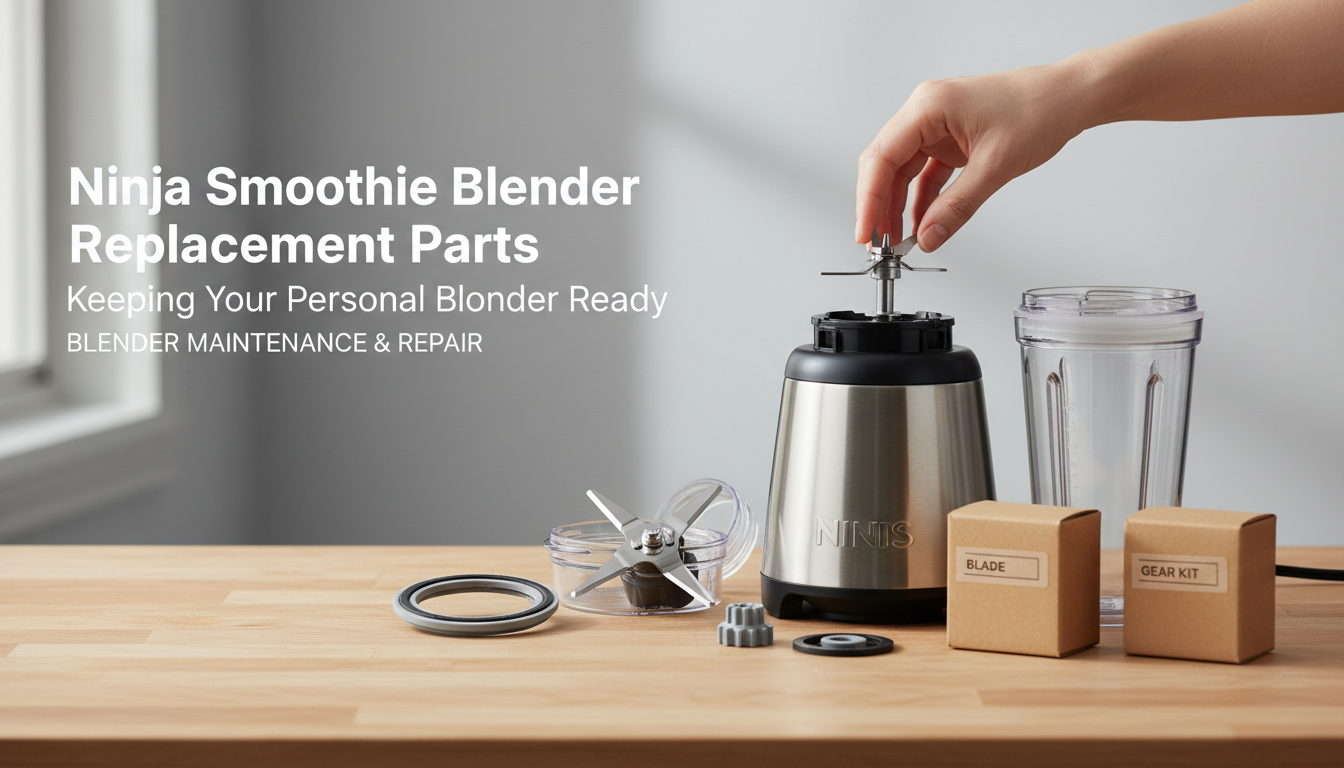
Ninja Blender & Food Processor Replacement Parts: Maintaining Your Multi-Function Appliance
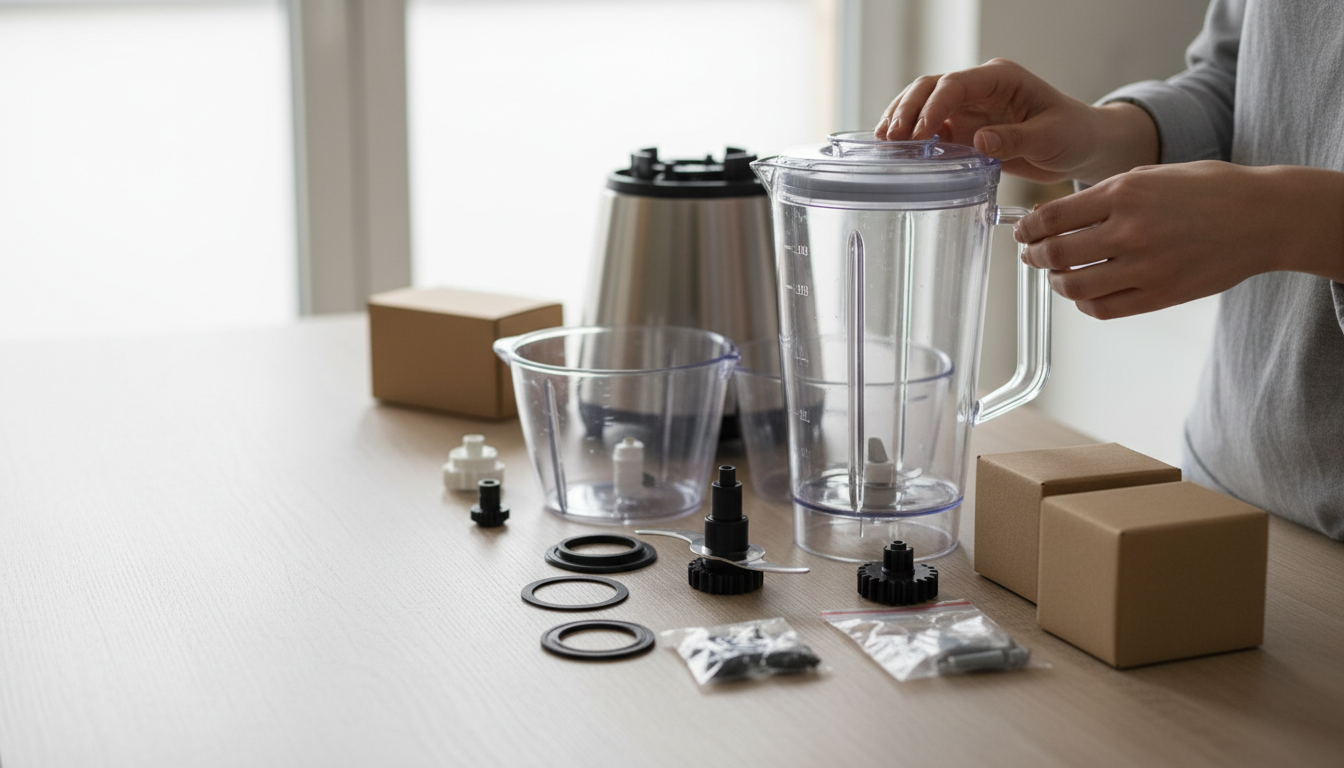
A Ninja appliance typically fits buyers who prioritize robust motor performance and a flexible system for diverse culinary needs. This includes home cooks who regularly engage in tasks requiring both blending and food processing capabilities. However, potential owners should be aware that some users report issues like noise, leaks, or blade malfunctions over time, suggesting that replacement parts can become a necessary consideration for maintaining performance and extending appliance life.
Buyers who should compare alternatives might include those primarily seeking commercial-grade durability for extremely heavy-duty, continuous use, or individuals who prefer appliances with minimal long-term maintenance requirements. Similarly, those with very specific, niche blending or processing needs that a multi-function unit might not perfectly optimize could also benefit from exploring other brands.
<h2>Ninja-Blender Evidence</h2> This section outlines verifiable aspects and common considerations for Ninja blender and food processor replacement parts, helping buyers distinguish between established facts and general observations.- Model-Specific Compatibility Requirements:
- Fact: Ninja appliances, including blenders and food processors, utilize parts that are specific to individual model numbers (e.g., BN750, BL480, CT680). Parts are not universally interchangeable across all Ninja series.
- Verification: Always confirm the exact model number of your Ninja appliance before purchasing any replacement part. This number is typically found on the base of the unit. Part listings often include compatible model ranges, which buyers should cross-reference carefully.
- Availability of Common Replacement Parts:
- Fact: Essential replacement components like blades (e.g., 7-fin assemblies), blending cups, lids, and food processor bowls/discs are consistently available.
- Verification: These parts can be sourced through Ninja's official channels and major online retailers (e.g., Amazon, eBay, ShopJimmy), indicating a sustained market for these components. The existence of numerous listings confirms a supply for common wear-and-tear items.
- Material Specifications and Design Integration:
- Fact: Original Ninja replacement parts are manufactured to integrate seamlessly with the appliance's design and material specifications, aiming for consistent performance and safety.
- Verification: When considering third-party parts, look for explicit statements of material composition (e.g., BPA-free plastics) and clear indications that the part meets safety standards. Visual inspection and detailed product descriptions can offer insights into the expected fit and finish.
- Standard Return Policies:
- Fact: Purchases of replacement parts are typically subject to the return policies of the vendor from whom they are purchased.
- Verification: For purchases directly from Ninja, standard return policies usually apply (e.g., unused, original packaging, within a specified timeframe). For third-party sellers on platforms like Amazon or eBay, buyers must review their specific return and warranty terms prior to purchase, as these can vary significantly by seller.
- Reported User Experiences (Claims vs. Facts):
- Claim: Some users have reported experiences with replacement parts related to noise, leaks, or blade malfunctions over time. Durability concerns and customer service responsiveness are also mentioned in various user reviews.
- Verification: While these are user-reported observations rather than manufacturer statements, they highlight common areas for buyers to consider. Research specific part reviews for consistent patterns, but acknowledge that individual experiences can vary. This information serves as a prompt for due diligence rather than a universal verdict on product quality.
- Daily Use and Versatility: Ninja units are designed to transition between blending and food processing modes, typically by swapping out containers and blade assemblies. This multi-functionality means a single motor base can handle tasks from smoothies and purees to chopping vegetables and kneading dough. For daily users, this translates to space-saving and streamlined preparation. However, frequent swapping of components can contribute to wear on connection points and seals over time, particularly with heavy use.
- Comfort Considerations: The user experience includes factors like noise levels and ease of handling. While powerful motors are a Ninja hallmark, some users report that operation can be loud, especially during intensive blending or processing tasks. Comfort also extends to the physical interaction with the appliance, such as attaching and detaching various pitchers, bowls, and blade assemblies. The design of these parts influences how securely they fit and how smoothly they operate.
- Maintenance and Longevity: Regular cleaning of multiple parts (pitchers, cups, lids, blades, food processor bowls, discs) is essential. While many components are often dishwasher-safe, thorough cleaning around blade assemblies and seals helps prevent residue buildup and wear. Over time, components like blade assemblies, drive gears, and container seals are prone to wear or damage, necessitating replacement. The longevity of the appliance often depends on the availability and quality of these replacement parts. Addressing issues like leaks or decreased blending efficiency through timely part replacement is key to extending the appliance's functional life, rather than replacing the entire unit.
Ninja-Blender Trade-Offs alternatives to compare
While Ninja multi-function appliances offer convenience by combining blending and food processing capabilities, evaluating alternatives can clarify if this integrated approach aligns with your long-term needs, especially concerning replacement parts. Understanding these trade-offs helps buyers decide if a different path might offer a better fit for their specific kitchen demands and maintenance preferences.
Substitutes and Better-Fit Scenarios
Considering alternatives often comes down to prioritizing specialized performance, overall system simplicity, or specific durability expectations.
- Dedicated Single-Function Appliances:
- High-Performance Blenders: For buyers whose primary need is exceptionally smooth blending (e.g., for green smoothies, nut milks, or hot soups) and who prioritize raw power and blade durability above all else, dedicated high-end blenders (like those from Vitamix or Blendtec) are a strong alternative. These often feature robust motors and blade assemblies designed for intensive blending, potentially leading to fewer blade-related replacement needs compared to a multi-purpose unit handling varied tasks.
- Dedicated Food Processors: If precise slicing, shredding, dicing, or dough kneading in large volumes is the main requirement, a standalone food processor (from brands like Cuisinart or KitchenAid) typically offers more specialized attachments and a more powerful motor optimized for those tasks. Their bowls and discs are engineered for specific processing stresses, which might translate to different wear patterns and replacement part availability compared to Ninja's integrated system.
- Alternative Multi-Function Systems:
- Other brands offer integrated blender/food processor systems. These may feature different design philosophies, material choices, or motor technologies that could influence long-term durability and the availability or cost of replacement components. Researching their specific ecosystems for common wear parts (e.g., blades, bowls, lids) can reveal varying experiences regarding longevity and ease of sourcing replacements.
- Commercial-Grade Equipment:
- For continuous, heavy-duty use beyond typical home kitchen demands, commercial-grade blenders or food processors are built for extreme durability and high-volume output. While significantly more expensive and larger, their components are designed for industrial-level stress, making part replacement less frequent for equivalent workload, though parts themselves might be pricier.
Deal Breakers for the Ninja Multi-Function Approach
Certain user priorities or experiences might make the Ninja multi-function appliance less suitable, prompting a search for alternatives.
- Noise Sensitivity: Some Ninja models are noted for their noise levels during operation. If a quiet kitchen environment is a high priority, exploring blenders or food processors specifically engineered for lower decibel output might be necessary.
- Preference for Minimal Part Replacement: While convenient, a multi-function appliance inherently has more unique components (blades for blending, different blades/discs for processing, various pitchers and bowls) that can experience wear. Buyers who prefer a simpler appliance ecosystem with fewer distinct parts to track, clean, or potentially replace might find a single-purpose unit more appealing.
- Specific Durability Concerns: If past experiences with multi-function appliances have raised concerns about the overall longevity of integrated components or if reports of issues like leaks or blade malfunctions (as noted by some users) are a significant deterrent, opting for a dedicated appliance built with a singular focus on robustness for its specific task might mitigate these concerns.
This section addresses common questions about Ninja blender and food processor replacement parts, focusing on value, available alternatives, and potential pitfalls specific to the brand's multi-function appliances.
Is it worthwhile to replace parts for my Ninja blender or food processor, or should I buy a new unit? Investing in replacement parts can often extend the functional life of your Ninja appliance, offering a cost-effective alternative to purchasing an entirely new system. If only a specific component, like a blade assembly, pitcher, or food processor bowl, shows wear or damage, replacing that part can restore performance. This approach leverages the existing motor base, which is often the most expensive component, maintaining the value of your initial investment.
What are the differences between genuine Ninja replacement parts and third-party alternatives? Genuine Ninja parts are manufactured to the brand's specifications, often ensuring precise fit and material quality consistent with the original components. Third-party alternatives, while potentially more budget-friendly, can vary significantly in quality, durability, and exact compatibility.
- Genuine Parts:
- Designed for exact fit and optimal performance with specific Ninja models.
- Typically sourced directly from Ninja or authorized retailers.
- Third-Party Parts:
- May offer a wider range of price points.
- Compatibility claims should be verified rigorously, as variations can lead to poor fit, reduced efficiency, or even operational issues like increased noise or leaks.
- Material quality can differ, potentially affecting durability over time.
What common mistakes should I avoid when purchasing Ninja blender/food processor replacement parts? Navigating the market for Ninja replacement parts requires attention to detail to ensure you receive a compatible and effective component.
- Incorrect Model Identification: Ninja produces numerous blender and food processor series (e.g., BL, BN, CT series). Parts are often model-specific and not universally interchangeable. Always verify your appliance's exact model number, usually found on the base, against the part's compatibility list.
- Overlooking Part-Specific Details: Even within the same model series, variations like blade fin count (e.g., 6-fin vs. 7-fin) or pitcher capacity can exist. Confirm these specific attributes match your original part.
- Ignoring Quality Indicators: Some users report issues like noise or leaks with certain replacement parts. While not exclusive to third-party options, research seller reputation and look for clear material descriptions to gauge potential durability.
- Assuming Universal Compatibility: Do not assume a part designed for a Ninja blender will fit a Ninja food processor attachment, or vice versa, without explicit confirmation.
Ninja-Blender-Pick buy-or-skip verdict
For buyers evaluating Ninja appliances through the lens of replacement parts, the verdict is a qualified buy. Ninja offers versatile multi-function appliances that can be maintained through part replacement, extending their useful life. However, this commitment comes with specific considerations regarding the sourcing and selection of those parts.
The "qualified" aspect stems from the evidence suggesting that replacement parts are a realistic expectation for many Ninja owners due to reported issues like noise, leaks, or blade malfunctions over time. While common components such as blades, cups, and bowls are widely available, their highly model-specific nature demands careful attention to compatibility. This means owners should be prepared to invest time in verifying model numbers and sourcing correct parts.
You might lean towards "skip" or re-evaluate if your primary concern is an appliance with minimal long-term maintenance or if you prefer a system with more universally interchangeable components. For those prioritizing an appliance that requires little to no part sourcing effort over its lifespan, the potential need for specific Ninja replacement parts might introduce an undesirable level of ongoing management.
If you decide to proceed with a Ninja appliance, your next action should involve familiarizing yourself with your specific model's part numbers and understanding the reputable channels for acquiring replacements. This proactive approach ensures you can efficiently address any future maintenance needs, thereby maximizing the longevity and performance of your multi-function appliance. If the prospect of diligent part sourcing is a significant deterrent, exploring brands known for different durability profiles or simpler part ecosystems might be a more suitable path.
More in Blender Replacement Parts
View All
Osterizer 14-Speed Blender Replacement Parts: Keeping Your Vintage Blender Running
Braun Immersion Blender Replacement Parts: Essential for Hand Blending Tasks