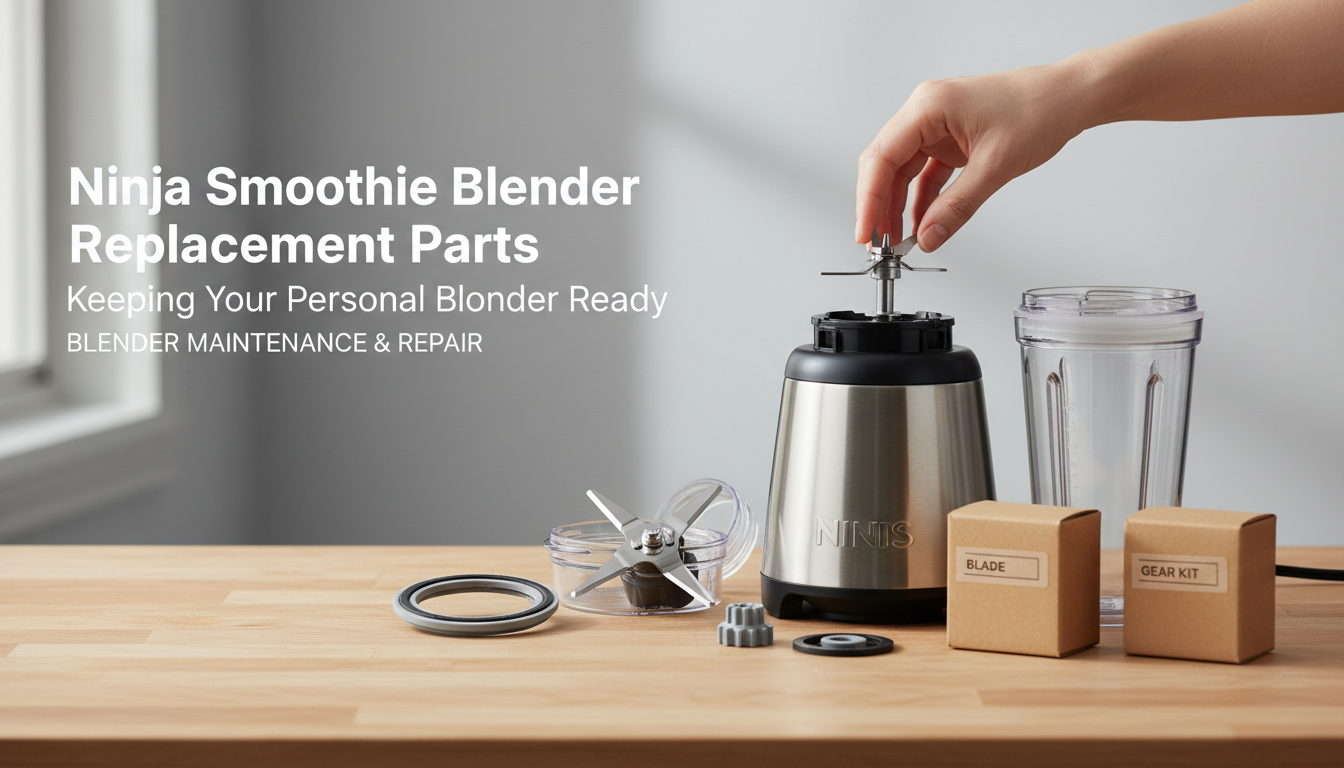
Oster 14-Speed Blender Replacement Parts: Maintaining Your Classic Model
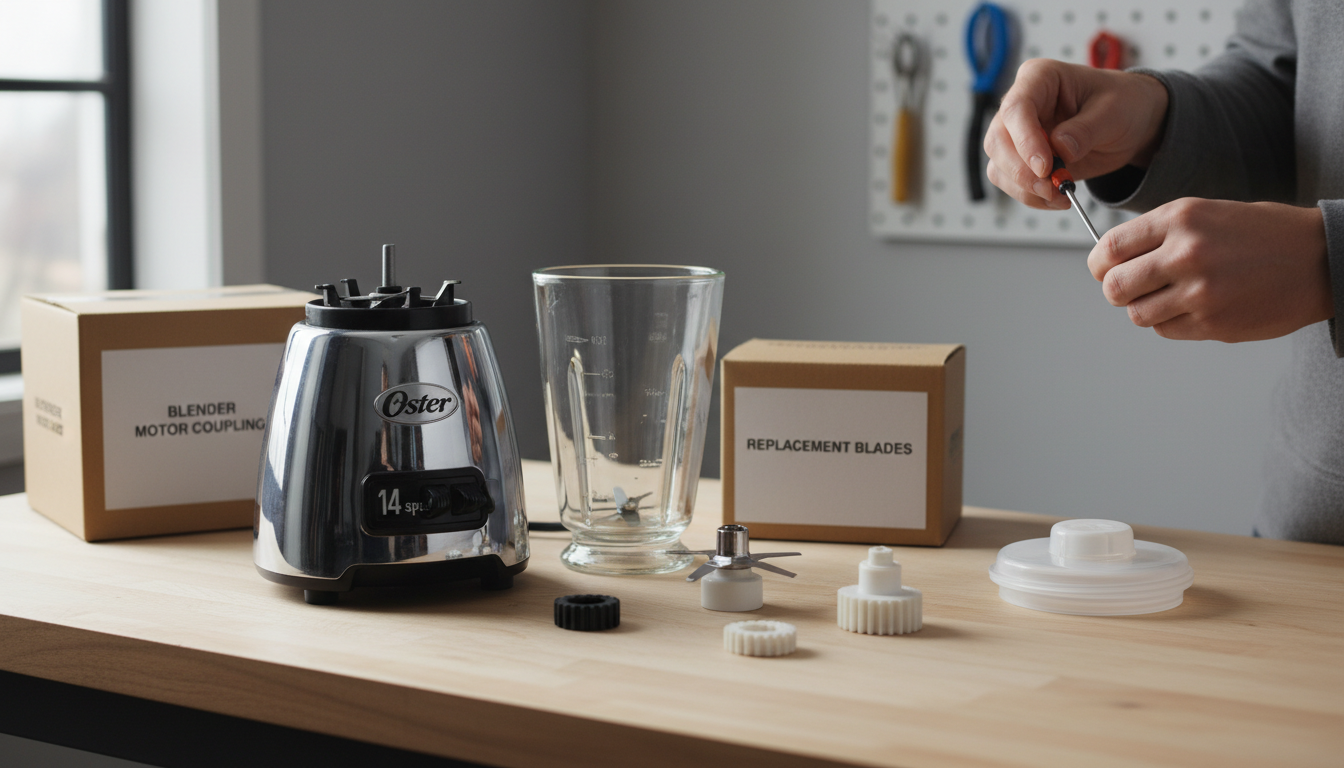
Revitalizing Your Classic Oster 14-Speed Blender
The Oster 14-Speed blender has earned a reputation for its robust design and consistent performance, making it a staple in many kitchens for years. Rather than replacing a perfectly good appliance due to a worn component, maintaining your blender with appropriate replacement parts can significantly extend its useful life and continue to deliver reliable blending. This approach not only offers a cost-effective solution but also supports the longevity of a durable kitchen tool.
This guide aims to simplify the process of identifying, selecting, and purchasing compatible replacement parts specifically for your Oster 14-Speed blender. Understanding which parts are needed and ensuring their compatibility is crucial to restoring your blender's functionality without issues.
Common components that typically experience wear and tear over time include:
- Blades: Essential for efficient blending, blades can dull or become damaged.
- Gaskets: These seals prevent leaks between the blade assembly and the jar.
- Jars: While durable, jars can crack, chip, or show signs of prolonged use.
Understanding the Anatomy of Your Oster 14-Speed Blender's Core Components
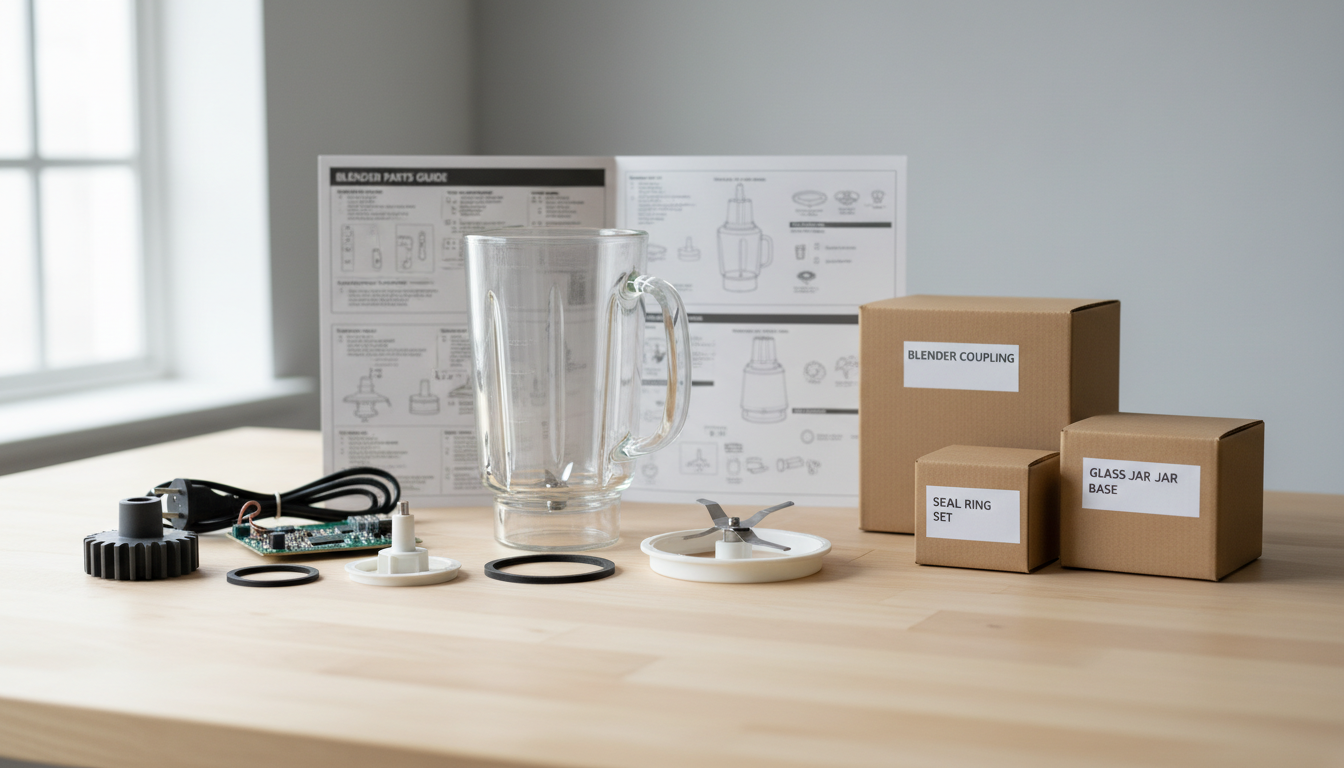
To effectively maintain and repair your Oster 14-Speed blender, it is helpful to understand the key components most susceptible to wear or damage. Identifying these parts and their specific functions is the first step in sourcing appropriate replacements, ensuring both compatibility and continued performance.
-
Blades: The blending efficiency of your Oster 14-Speed blender largely depends on the condition of its blade assembly. Over time, blades can dull from regular use, especially when processing hard ingredients like ice, or they may sustain physical damage. Common blade configurations include 4-point and 6-point designs, each optimized for different blending tasks. Specific models, such as the "Ice Crusher Blender Blade 4961" or the "6-point Stainless Steel Fusion Blade 118530-001," are designed for particular blending needs. Selecting a replacement blade involves matching the point configuration and ensuring it fits your blender's jar base.
-
Gaskets and Sealing Rings: These small but critical rubber O-rings or flat gaskets form a leak-proof seal between the blade assembly and the blender jar. Deterioration, cracking, or loss of elasticity in gaskets is a primary cause of leaks during operation. Replacing a worn gasket restores the seal, preventing liquid from escaping the jar and protecting the motor base from spills.
-
Jar Bases (Bottom Caps): The jar base, often identified by part numbers like "4902," is the threaded component that secures the blade assembly and gasket to the bottom of the blender jar. It provides stability and houses the blade unit. Cracks in the plastic or stripped threads on the jar base can lead to instability, leaks, or failure to properly secure the blade, necessitating replacement.
-
Blender Jars: While durable, blender jars can crack, chip, or become discolored over extended use. Oster 14-Speed blenders typically use either glass or plastic jars. Glass jars offer scratch resistance and do not absorb odors, but are more prone to breakage if dropped. Plastic jars are lighter and more shatter-resistant but can scratch and absorb odors over time. When replacing, consider the material that best suits your usage patterns and the capacity (e.g., 5-cup or 6-cup) that matches your original or preferred volume.
-
Lids and Filler Caps: The lid secures the contents of the jar during blending, while the smaller filler cap (e.g., "50613002089") allows for the addition of ingredients mid-blend without removing the entire lid. Damage to these components, such as cracks or a loose fit, can lead to spills or reduced blending effectiveness. Ensuring a snug, secure fit is important for both safety and performance.
Ensuring Compatibility: The Critical Steps to Identifying the Right Replacement Parts
Selecting the correct replacement part for your Oster 14-Speed blender is paramount to its functionality and longevity. An incompatible part, even if it appears similar, can lead to leaks, inefficient blending, or even damage to your appliance. This checklist provides a systematic approach to confirm that any potential replacement part is a precise match for your specific blender model.
-
Verify Your Blender's Model and Series: Before purchasing any part, locate the model number on the bottom of your Oster 14-Speed blender. This number is crucial for confirming compatibility. Be aware that many replacement parts are designed for specific Oster series and explicitly state what they do not fit. For instance, many common Oster replacement parts are noted as "Does NOT fit Pro, Master, or Versa models." Confirming your blender is indeed a classic 14-Speed model, and not one of these excluded series, is the critical first step.
-
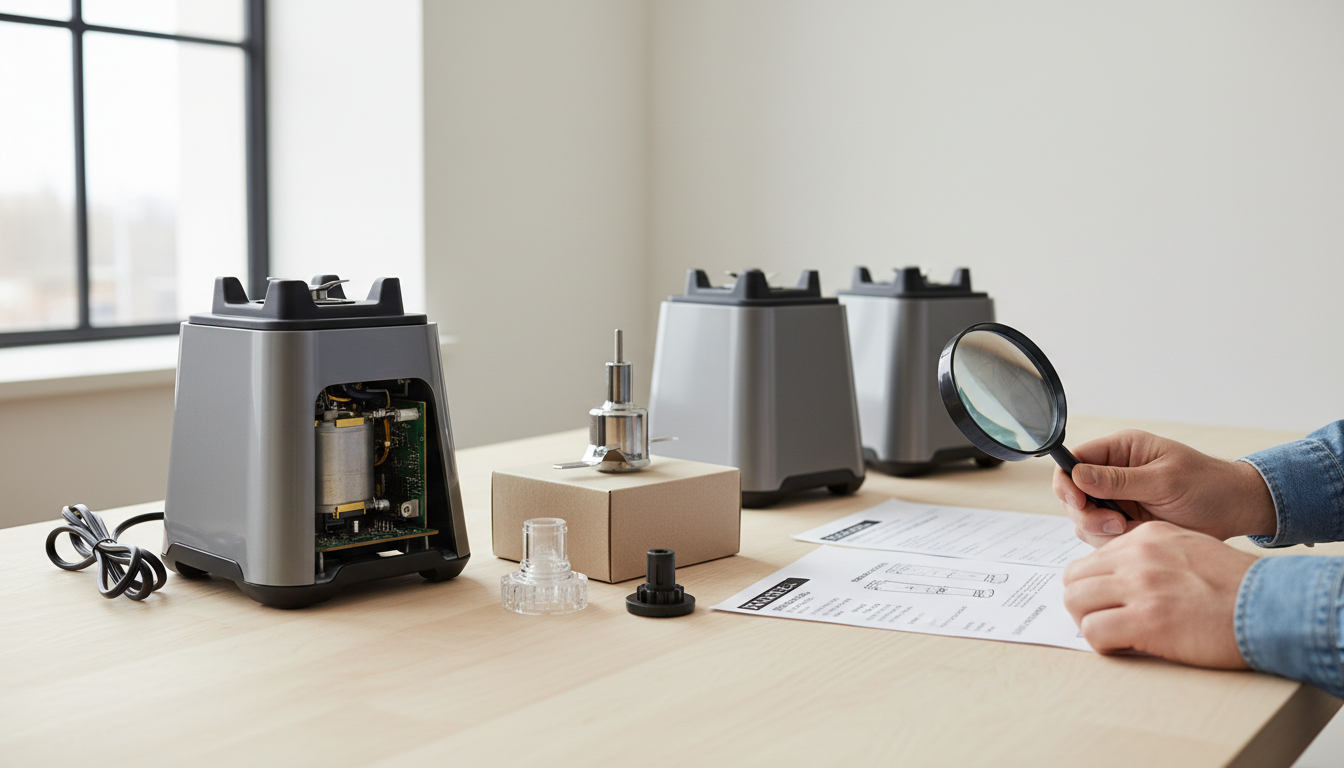
Conduct a Visual Inspection of Existing Parts: Compare the shape, size, and design of your worn-out part directly with images of the potential replacement. Pay close attention to details such as the number of blades on an assembly (e.g., 4-point vs. 6-point), the threading pattern of jar bases, or the exact contours of gaskets. Subtle differences can lead to significant fit issues.
-
Measure Key Dimensions: For critical components like blade assemblies or jar bases, precise measurements are often the best indicator of compatibility. For example, many Oster blender blade bases require an outside diameter of 2 3/4 inches to fit correctly. Measure your existing part's crucial dimensions and compare them against the specifications provided for the replacement part. This reduces ambiguity where visual cues might be insufficient.
-
Cross-Reference Part Numbers: If your existing part has a visible manufacturer part number (e.g., a "4961" for a blade or "4902" for a jar cap), use this number as your primary reference. Searching directly with this number significantly increases the likelihood of finding an exact, compatible match. Even if the original part number isn't available, reputable replacement parts often list the Oster part numbers they are designed to replace.
-
Understand the Risks of Incorrect Fit: Using an incompatible part carries several risks. A poorly fitting blade assembly or jar base can lead to leaks during operation, creating a mess and potentially damaging the motor. Incorrect gaskets might not seal properly, compromising blending efficiency and hygiene. In some cases, forcing an ill-fitting part could strip threads or crack components, leading to further damage and negating the cost-saving benefit of repair.
Genuine vs. Aftermarket: Weighing Your Replacement Part Options
When seeking to repair your Oster 14-Speed blender, you'll encounter two primary categories of replacement parts: Genuine (Original Equipment Manufacturer, or OEM) and aftermarket (third-party). Each option presents distinct trade-offs in terms of quality, cost, and availability, influencing your decision based on your specific needs and priorities.
Genuine OEM parts are manufactured by Oster itself or by its authorized suppliers. These parts are designed to meet the exact specifications and quality standards of your original blender components. The primary benefits often perceived with OEM parts include guaranteed fit, consistent performance, and the assurance of original material quality. Opting for genuine parts typically minimizes the risk of compatibility issues and can contribute to the long-term reliability of your repair.
Aftermarket parts, conversely, are produced by independent manufacturers. These alternatives, sometimes from brands like Aulix or KaiSenWo, often offer a more affordable price point and broader availability, especially for older or less common models. Their appeal lies in their potential to reduce repair costs and provide quick access to needed components. However, the quality and durability of aftermarket parts can vary significantly between manufacturers.
The potential risks associated with aftermarket parts include variable material quality, which might lead to shorter lifespans or reduced performance compared to OEM counterparts. Compatibility can also be a concern; while many aftermarket parts are designed to fit the Oster 14-Speed model, minor discrepancies in dimensions or design could lead to improper fit, leaks (especially with gaskets), or inefficient operation. For instance, some aftermarket blades might not be suitable for specific Oster models, highlighting the need for careful verification.
Ultimately, your decision between genuine and aftermarket parts will depend on several factors. Consider your budget, how long you intend to keep using your blender, and the specific part requiring replacement. For critical components like blade assemblies, where precise fit and material strength are paramount for safety and performance, investing in OEM might be a prudent choice. For less critical parts like certain gaskets or jar bases, a well-reviewed aftermarket option could provide a cost-effective solution, provided you verify its compatibility and assess user feedback on quality.
What to Look for in Quality Replacement Parts for Durability and Performance
When seeking replacement parts for your Oster 14-Speed blender, focusing on quality ensures both the longevity of the repair and the continued efficiency of your appliance. Identifying high-quality components, whether original equipment manufacturer (OEM) or aftermarket, involves evaluating several key characteristics beyond simple compatibility.
-
Material Quality: The raw materials used directly impact a part's lifespan and performance.
- Blades: Opt for blades made from hardened stainless steel. This material offers superior resistance to corrosion and dulling, which is crucial for effectively processing ingredients and maintaining a sharp edge over time.
- Gaskets and Seals: High-grade, food-safe rubber or silicone is essential for gaskets. These materials should be flexible yet resilient, capable of forming a tight seal to prevent leaks without degrading quickly from heat or repeated exposure to food acids. Avoid brittle or overly soft materials that may fail prematurely.
- Jar Bases and Couplings: For components like jar bases or motor couplings, look for robust, impact-resistant plastics or metals that can withstand the torque and vibrations of the blender motor.
-
Construction and Finish: A part's manufacturing quality is evident in its construction and finish.
- Blades: Examine the blade assembly for smooth, uniform edges free from burrs or imperfections. The attachment points should be sturdy, ensuring the blades are securely fixed and balanced to prevent excessive vibration during operation.
- Gaskets: Quality gaskets will have a consistent thickness and a smooth, even surface, indicating precise molding.
- Threaded Components: For parts that screw into place, such as jar bases, the threading should be clean and precise, allowing for a secure, wobble-free fit with your Oster 14-Speed blender's jar and motor base.
-
User Reviews and Feedback: Real-world experiences from other owners of Oster 14-Speed blenders can provide invaluable insights into a replacement part's actual performance and durability.
- Durability Concerns: Look for recurring comments about parts failing quickly, rusting, or exhibiting premature wear.
- Compatibility Issues: Pay close attention to feedback regarding fit. Even if a part claims compatibility, user reviews might reveal subtle differences that lead to poor sealing or operational problems.
- Performance Impact: Reviews can highlight if a replacement blade, for instance, doesn't blend as efficiently as the original or if a gasket consistently leaks.
-
Reputation of the Seller or Brand: The source of the replacement part can be indicative of its quality and reliability.
- Seek out sellers with a long history of positive customer feedback and transparent business practices.
- While official Oster parts offer assurance of precise fit and material standards, many reputable aftermarket brands produce high-quality alternatives. Focus on the seller's commitment to customer satisfaction and product accuracy rather than just brand recognition.
-
Packaging and Product Descriptions: Detailed and accurate information is a hallmark of a reliable product.
- Clarity: Quality replacement parts come with clear, unambiguous product descriptions that specify dimensions, compatible Oster models, and material composition. For example, descriptions might note if a blade fits models where the "outside diameter of the base of the blade is 2 3/4 inches."
- Accuracy: Verify that the product images match the description and that all claims about compatibility are specific, ideally listing Oster 14-Speed models or series numbers.
- Packaging: Well-protected packaging suggests care in handling and shipping, reducing the likelihood of receiving damaged goods.
Extending Longevity: Installation Tips and Basic Maintenance for Your Blender
Proper installation of new replacement parts and consistent maintenance are crucial for maximizing the operational lifespan of your Oster 14-Speed blender and its components. Adhering to simple guidelines can prevent premature wear, ensure safe operation, and maintain optimal blending performance.
-
Safe Installation Practices Before handling any replacement parts, always unplug your Oster 14-Speed blender from the power outlet. This prevents accidental activation and reduces the risk of injury. When installing new blades, jar bases, or gaskets, ensure they are seated securely and correctly. For instance, the jar base should be tightened firmly onto the jar, but not excessively, to create a stable foundation for blending. Incorrect seating can lead to leaks or operational instability.
-
The Critical Role of Gasket Sealing Gaskets are fundamental to preventing leaks during blending. When replacing or reassembling your Oster 14-Speed blender, ensure the gasket is positioned flat and evenly between the blade assembly and the jar base. Any twists, tears, or misalignment can compromise the seal, leading to liquid seeping out during operation. Regularly inspect gaskets for signs of hardening, cracking, or stretching, as these indicate a need for replacement to maintain a watertight seal.
-
Cleaning and Care for Components Consistent cleaning prevents food residue buildup, which can affect performance and hygiene.
- Blades: Rinse the blade assembly immediately after use to prevent food from drying and hardening, making it more difficult to clean. Use a brush to carefully clean around the blades, taking caution with the sharp edges. Avoid harsh abrasive cleaners that could damage the blade's finish or material.
- Jars: Wash the blender jar thoroughly after each use. While some jars may be dishwasher-safe, hand washing can help extend the life of plastic jars by reducing exposure to high heat cycles. Inspect the jar for any hairline cracks or chips during cleaning, especially around the base and rim, as these can worsen over time.
-
Routine Checks for Wear and Tear Periodically inspect all accessible components of your Oster 14-Speed blender for signs of wear.
- Blades: Look for dullness, nicks, or bends in the blades, which can reduce blending efficiency and put strain on the motor.
- Gaskets: Check for discoloration, brittleness, or tearing in the rubber gasket.
- Jar: Examine the jar for cloudiness, significant scratches, or stress cracks that might compromise its integrity.
- Motor Coupling: Though less frequently replaced, observe the motor coupling for signs of stripping or excessive wear, indicated by grinding noises during operation without the blade turning.
Addressing these issues proactively through maintenance and timely part replacement can significantly extend the life of your Oster 14-Speed blender, allowing you to continue enjoying its reliable performance.
Frequently Asked Questions About Oster 14-Speed Blender Parts
When maintaining a classic appliance like the Oster 14-Speed blender, questions often arise regarding part identification, compatibility, and sourcing. Addressing these common inquiries can help streamline the repair process and ensure a successful outcome.
-
How do I find the correct model number for my Oster blender? The model number for your Oster 14-Speed blender is typically located on the underside of the motor base. It might also be found on a sticker on the back or side of the base, or within the original owner's manual. Identifying this number is crucial for cross-referencing compatible replacement parts.
-
Are all Oster blender parts interchangeable? No, not all Oster blender parts are universally interchangeable, even within the Oster brand. While some components, like certain blade types or gaskets, might fit a range of Oster blenders, many parts are specific to particular series or models. Always verify compatibility with your specific 14-Speed model number before purchasing, as incorrect parts can lead to leaks or damage.
-
Can I use aftermarket parts without voiding my blender's warranty? For many Oster 14-Speed blenders, the original manufacturer's warranty may have already expired due to the model's age. However, if your blender is still under warranty, using non-OEM (aftermarket) parts could potentially void it. If warranty coverage is a concern, it's advisable to use genuine Oster replacement parts. When considering aftermarket options, prioritize those with strong reviews for fit and material quality to mitigate potential risks.
-
What are the most common parts that need replacing? The components most frequently requiring replacement in an Oster 14-Speed blender are those subject to mechanical stress and wear. These typically include:
- Blades: Dulling from use or damage from hard ingredients.
- Gaskets/Seals: Deterioration leading to leaks.
- Blender Jars: Cracking, chipping, or clouding over time.
- Motor Couplings: Wear on the connection point between the motor and the blade assembly.
-
Where is the best place to buy Oster 14-speed blender replacement parts? For genuine Oster parts, consider the official Oster website or authorized service centers. Reputable online retailers and appliance parts specialists also stock a variety of replacement components. When exploring aftermarket options, online marketplaces can offer a wider selection, but it is important to carefully review seller ratings, product descriptions, and user feedback to ensure the quality and compatibility of the parts.
Making an Informed Decision for Your Oster 14-Speed Blender's Future
As you consider replacement parts for your Oster 14-Speed blender, remember that compatibility and quality remain paramount. These two factors directly influence the success of your repair and the continued performance of your appliance. A carefully chosen part can restore functionality, while an incompatible or low-quality component may lead to further issues or diminished blending results.
When evaluating your options, weigh the merits of Original Equipment Manufacturer (OEM) parts against aftermarket alternatives based on your individual priorities.
- OEM Parts: These are manufactured by Oster or their authorized suppliers, offering the highest assurance of a precise fit, consistent material quality, and adherence to original specifications. The trade-off is often a higher cost.
- Aftermarket Parts: Produced by third-party manufacturers, these can be a more budget-friendly option. However, their quality and exact fit can vary. It is crucial to verify their compatibility with your specific 14-Speed model and scrutinize user reviews regarding durability and performance before purchase.
By thoughtfully selecting replacement components, you actively extend the operational lifespan of your Oster 14-Speed blender. This approach not only provides a cost-effective solution compared to purchasing a new appliance but also reinforces the value of maintaining a durable, classic kitchen tool. Repairing rather than replacing is a practical step towards more responsible appliance ownership, reducing waste and maximizing the utility of your existing investments.
More in Blender Replacement Parts
View All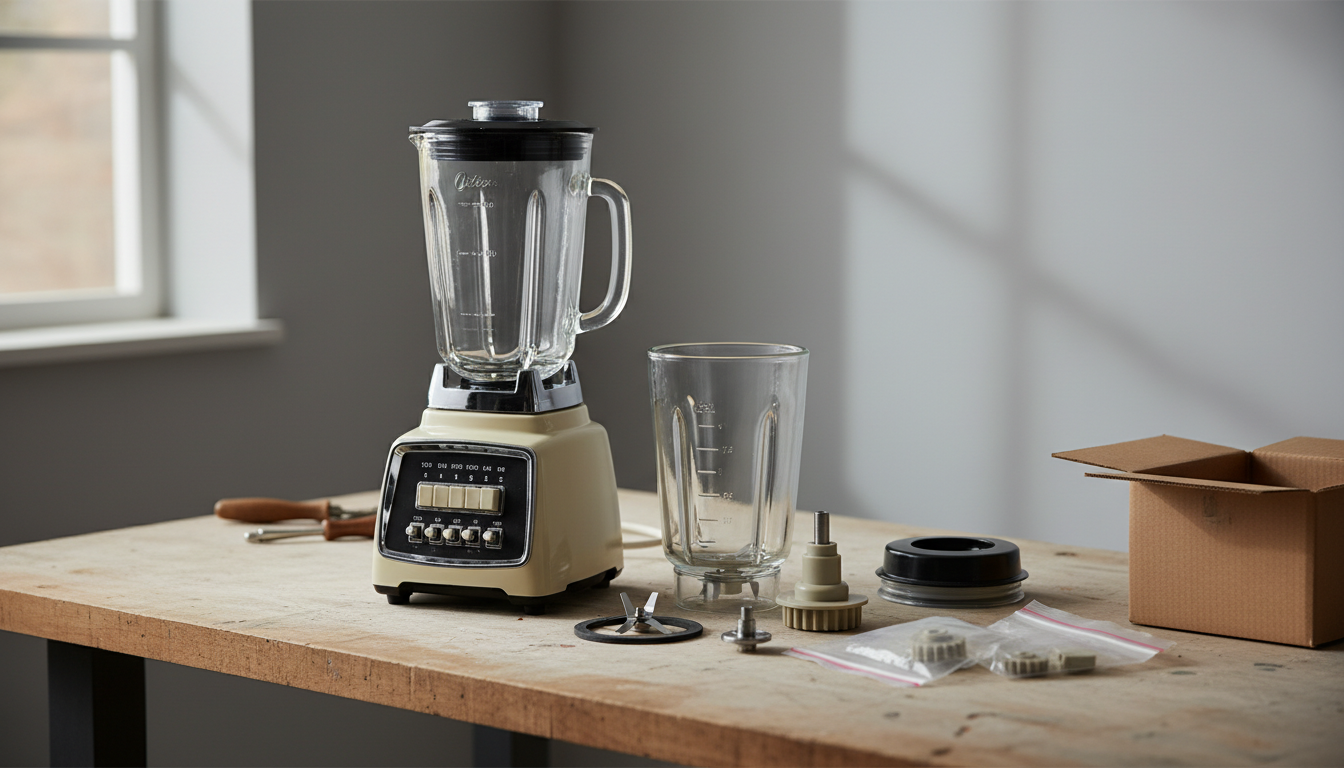
Osterizer 14-Speed Blender Replacement Parts: Keeping Your Vintage Blender Running
Braun Immersion Blender Replacement Parts: Essential for Hand Blending Tasks