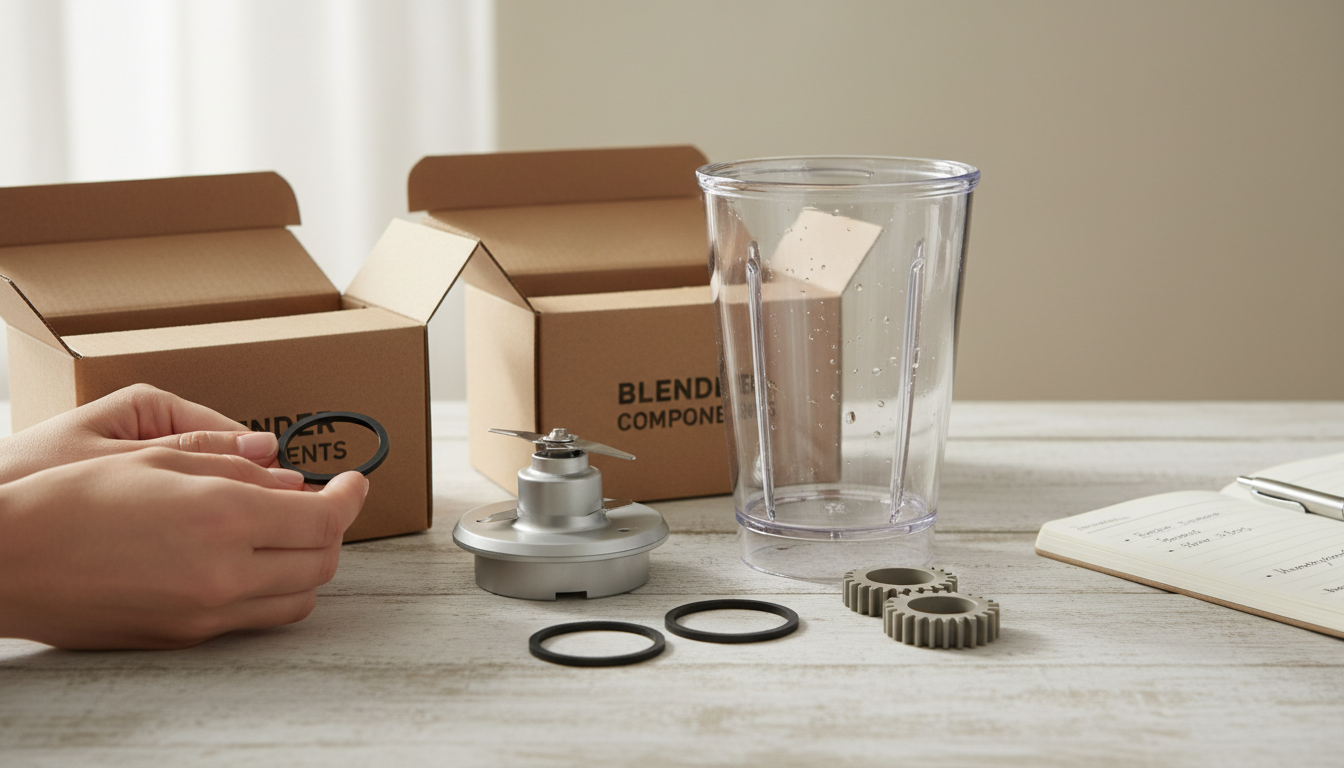
Oster 16-Speed Blender Replacement Parts: Keeping Your High-Performance Model Running
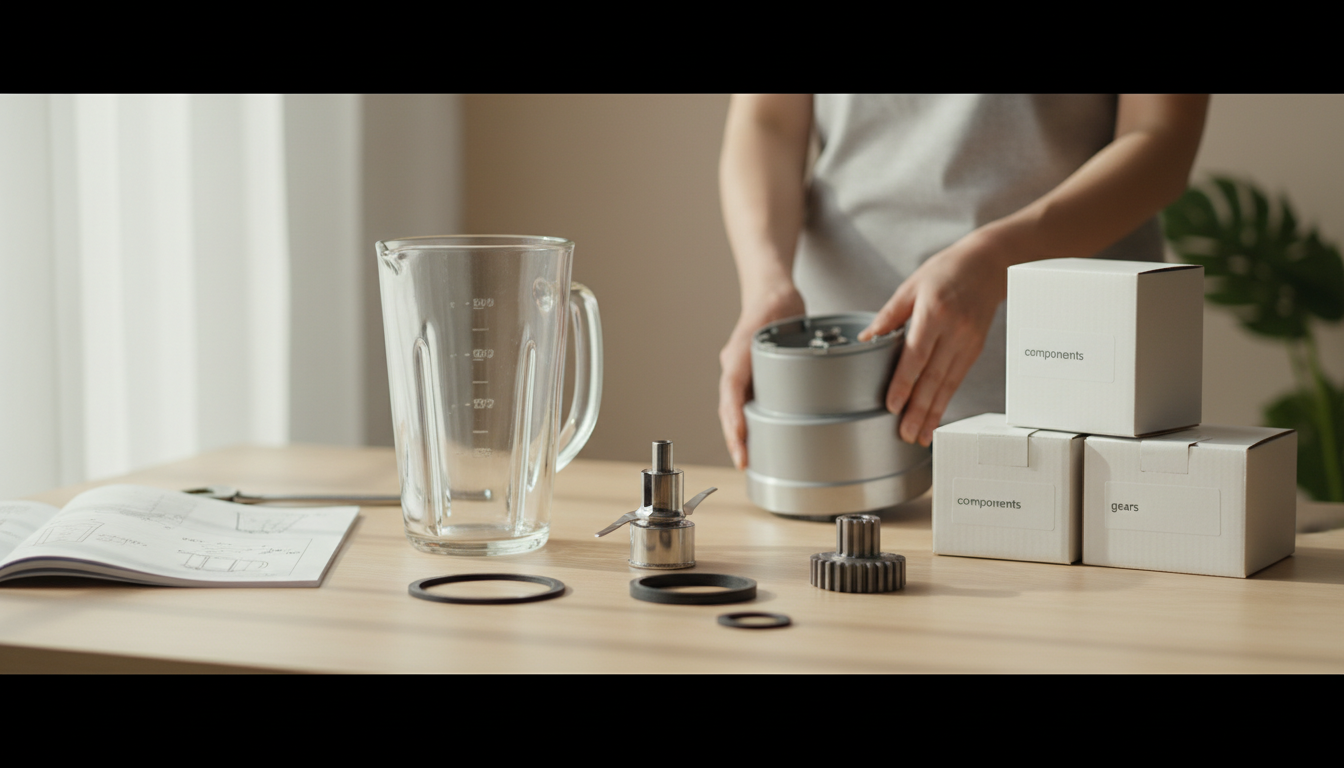
Keeping Your Oster 16-Speed Blender Running: A Guide to Replacement Parts
Your Oster 16-speed blender is designed for consistent performance, offering a range of speeds to tackle diverse blending tasks, from crushing ice to pureeing ingredients. Maintaining this performance over time often requires replacing components that experience wear and tear. Rather than replacing the entire appliance, sourcing the correct Oster 16-speed blender replacement parts can extend its operational life and preserve its unique capabilities.
However, identifying perfectly compatible replacement parts for these specific models can present challenges. Minor variations in design or material can impact fit, functionality, and even the safety of your appliance. Choosing the wrong part might compromise blending efficiency, lead to leaks, or reduce the blender's overall lifespan.
This guide aims to equip owners of Oster 16-speed blenders with the knowledge to confidently select and purchase accurate, durable, and compatible replacement parts. We will cover how to identify the specific components you need, understand the criteria for evaluating part quality, and navigate common pitfalls to ensure your blender continues to operate at its best.
Why Your Oster 16-Speed Blender Needs Specific Parts
Oster 16-speed blenders are engineered to offer a broad spectrum of blending capabilities, from delicate pulses to powerful ice crushing. This versatility means their internal components are designed to withstand varied stresses and transmit power efficiently across a range of settings. Consequently, the performance and longevity of these models rely heavily on the precise fit and robust construction of their parts, distinguishing them from blenders with fewer speed options or less demanding use cases.
The high-performance demands placed on a 16-speed blender translate into specific wear patterns on key components. For instance, frequently engaging high speeds for tasks like pulverizing frozen ingredients or crushing ice subjects the blade assembly, motor coupler, and jar base to significant torque and impact forces. Similarly, the rapid changes in motor speed and pressure can stress gaskets and seals, which are critical for maintaining a leak-proof operation.
- Blade Assemblies: These are often designed with specific angles and materials to handle the powerful vortex created at higher speeds, ensuring efficient processing of tough ingredients.
- Motor Couplers and Jar Bases: The connection between the motor and the blade assembly must be robust and precisely aligned to transfer power effectively without slippage or excessive wear, particularly when operating at peak performance.
- Gaskets and Seals: These components maintain a watertight seal, preventing leaks that can compromise the motor or create a mess, especially when blending liquids at high velocity.
An exact fit for replacement parts is paramount for optimal power transmission and blending efficiency. When a part, such as a blade assembly or jar base, does not align perfectly with the motor's drive shaft or the jar's threading, it can lead to several issues. The motor may struggle to transfer its full power, resulting in less efficient blending and increased strain on the motor itself. This misalignment can also cause excessive vibration, noise, and accelerated wear on both the new part and existing components.
Using incorrect or ill-fitting parts can degrade your blender's performance, leading to uneven textures, longer blending times, or even operational failure. More critically, an improper fit can cause damage, such as stripped gears, leaks that could short-circuit the motor, or the premature breakdown of the replacement part. Ensuring compatibility is not just about functionality; it's about preserving the integrity and safety of your Oster 16-speed blender.
Your Checklist for Oster 16-Speed Blender Replacement Parts
Maintaining the high-performance capabilities of your Oster 16-speed blender requires a precise understanding of its key components and what to look for when selecting replacements. Each part plays a critical role in the blender's function, from achieving smooth purees to crushing ice efficiently across its varied speed settings. This checklist outlines the essential replacement parts and the specific criteria to consider for each to ensure compatibility, durability, and optimal blending performance.
-
Precision Blade Assemblies
- Types: Oster 16-speed blenders often utilize different blade configurations tailored for specific tasks. Common types include 4-point blades for general blending and chopping, and 6-point "ice crusher" blades designed to handle tougher ingredients like frozen fruits and ice. The specific blade design contributes to the powerful vortex necessary for efficient blending across all 16 speeds.
- Material: Opt for stainless steel blades, which offer resistance to corrosion and maintain sharpness over time, crucial for sustained high-speed performance.
- Fit: Ensure the replacement blade assembly is designed to fit your specific jar and base cap, as even minor variations can lead to poor performance or leakage.
-
Secure Sealing Rings and Gaskets
- Material: These components are typically made from durable rubber or silicone. Quality materials are essential to withstand repeated use, temperature changes, and exposure to various food acids without degrading.
- Proper Fit: The gasket creates a watertight seal between the blade assembly and the blender jar. An exact fit is paramount to prevent leaks, especially during high-speed operation or when processing liquids.
- Replacement Frequency: Gaskets can harden, crack, or lose elasticity over time, compromising the seal. Regular inspection and replacement (often recommended annually or when visible wear appears) are vital for leak prevention and hygiene.
-
Durable Blender Jars
- Material Choices:
- Glass Jars: Offer superior scratch resistance, do not absorb odors or stains, and are generally heavier and more stable. They are often preferred for their classic feel and clarity.
- Plastic Jars: Typically lighter and more shatter-resistant, making them a practical choice for busy kitchens. However, some plastics may be prone to scratching, staining, or absorbing odors over prolonged use.
- Capacity: Ensure the replacement jar matches the original capacity of your Oster 16-speed model to maintain consistency in recipe preparation.
- Compatibility: The jar's base must thread correctly with the blade assembly and base cap, forming a secure connection to the motor base. Verify that the jar's design aligns with your blender's model to prevent instability or malfunction.
- Material Choices:
-
Reliable Base Caps and Collars
- Function: The base cap (or jar bottom cap) secures the blade assembly to the bottom of the blender jar, which then screws onto the motor base. This component is critical for holding the entire blending assembly together and ensuring stability during operation.
- Material: These are typically made from robust plastic or metal. A sturdy construction is necessary to withstand the torque and vibrations generated by the 16-speed motor.
- Thread Match: The threads on the base cap must precisely match those on your blender jar and motor base. An improper fit can lead to loosening during operation, leaks, or damage to the motor coupling.
How to Choose the Right Oster 16-Speed Blender Replacement Parts
Selecting replacement parts for your Oster 16-speed blender requires careful consideration to ensure continued performance and safety. The high-speed capabilities and diverse functions of these blenders mean that component quality and precise compatibility are paramount. An informed choice can prevent operational issues, extend your appliance's life, and maintain its blending efficiency.
OEM vs. Aftermarket Components
When seeking replacement parts, you will encounter both Original Equipment Manufacturer (OEM) and aftermarket options. Each presents distinct trade-offs in terms of quality, cost, and reliability.
- OEM Parts: These are manufactured by Oster or by a company authorized by Oster, using the original specifications and materials.
- Pros: Guaranteed fit and compatibility, consistent quality, often identical performance to the original part, and typically come with manufacturer support.
- Cons: Generally higher cost than aftermarket alternatives.
- Aftermarket Parts: Produced by third-party manufacturers, these parts are designed to be compatible with Oster blenders but are not made by Oster.
- Pros: Often more affordable, wider availability, and can sometimes offer minor design improvements.
- Cons: Quality can vary significantly; some may not fit perfectly, leading to leaks or inefficient blending. Material quality might be inferior, impacting durability and potentially food safety. Reliability can be inconsistent, with some parts failing sooner than expected.
The decision between OEM and aftermarket often comes down to balancing budget with assurance of performance and longevity. For critical components like blade assemblies, investing in higher-quality options, whether OEM or a reputable aftermarket brand, can be beneficial.
Verifying Model Compatibility
The most crucial step in selecting replacement parts is ensuring they are precisely compatible with your specific Oster 16-speed blender model. Even within the Oster brand, slight variations exist between models that can make parts non-interchangeable.
- Locate Your Blender's Model Number: This is typically found on a label on the underside of the blender's motor base. Note down the full model number.
- Identify Part Numbers: For common replacements like blades or caps, Oster often uses specific part numbers. For instance, the "Ice Crusher Blender Blade" is frequently identified as part number 4961, and the "Jar Bottom Cap" as 4902. Cross-referencing these numbers with your existing part or the blender's manual is essential.
- Consult Product Descriptions: Always check the product description of the replacement part for explicit compatibility statements. Look for phrases like "Compatible with Oster 16-speed blenders" and a list of specific model numbers if provided. If a part description is vague, it increases the risk of incompatibility.
Material Durability and Food Safety
The materials used in replacement parts directly impact their durability, performance, and safety, especially for components that come into contact with food.
- Blades: Opt for blades made from robust, food-grade stainless steel. This material resists corrosion and maintains sharpness, which is vital for efficient blending and ice crushing capabilities inherent to a 16-speed blender.
- Jars: If replacing the jar, consider options made from BPA-free plastic (such as Tritan) or tempered glass. These materials are durable, resistant to thermal shock, and safe for food contact.
- Gaskets and Seals: These components are critical for preventing leaks. Look for gaskets made from durable, food-grade rubber or silicone that can withstand repeated use, temperature fluctuations, and exposure to various food acids without degrading. Inferior materials can lead to premature wear and leakage.
- Base Caps: Ensure the base cap is made from strong, impact-resistant plastic that can securely hold the jar to the motor base and withstand the torque generated during blending.
Assessing Quality Through Product Information and Reviews
Beyond compatibility and material specifications, evaluating product descriptions and user reviews can provide valuable insights into a replacement part's actual quality and fit.
- Detailed Product Descriptions: High-quality replacement parts often come with comprehensive descriptions that detail materials, dimensions, and explicit compatibility. Look for clear images that allow you to visually compare the replacement part to your original.
- User Reviews: Pay attention to patterns in reviews, particularly those mentioning fit, durability, and performance.
- Positive Indicators: Reviews that consistently mention "perfect fit," "blends like new," "no leaks," or "durable construction" are good signs.
- Warning Signs: Be cautious of reviews that frequently report "poor fit," "leaks," "broke quickly," or "inferior materials." While individual negative experiences can occur, a recurring pattern suggests a potential quality issue.
- Seller Reputation: Consider purchasing from sellers with a strong track record and positive feedback for blender replacement parts. This can add an extra layer of confidence in the product's quality and the seller's customer service.
Navigating Common Pitfalls When Sourcing Oster 16-Speed Parts
Acquiring replacement parts for your Oster 16-speed blender involves more than simply finding a component that looks similar. The unique design and performance requirements of these models mean that incompatible or substandard parts can lead to frustration, reduced blending efficiency, and even further damage to your appliance. Understanding potential issues and how to circumvent them is key to a successful repair.
One primary challenge for owners is difficulty finding precisely compatible parts. While many Oster parts appear interchangeable, subtle differences exist, especially across various 16-speed models and production years. A part designed for one Oster series might not perfectly fit another, even if both are "16-speed." To overcome this, always verify the specific model number of your blender, typically found on the base. Cross-referencing this number with the part's compatibility list is crucial. Reputable sellers often provide detailed compatibility information, sometimes including diagrams or specific series numbers.
Another significant concern is the durability of cheaper alternatives and the true cost of low-quality components. The market offers a range of third-party parts, some at significantly lower prices than manufacturer-recommended options. While attractive initially, these parts may be manufactured with inferior materials or less precise specifications. For instance, a blade made from lower-grade steel might dull quickly or even fracture under the stress of ice crushing, a common task for 16-speed blenders. Similarly, gaskets made from poor-quality rubber can degrade rapidly, leading to leaks. The initial savings from a cheaper part can quickly be negated by frequent replacements or, worse, damage to the blender's motor due to increased strain or liquid ingress.
Fit issues are a direct consequence of incompatibility or low manufacturing standards, often leading to leakage or poor blending performance. A gasket that is slightly too thin or too thick will fail to create a proper seal, resulting in messy spills. A blade assembly that doesn't seat correctly can cause excessive vibration, noise, and inefficient blending, preventing your 16-speed blender from achieving its intended vortex action. These issues compromise the very performance you seek to restore.
Furthermore, distinguishing between genuine, high-quality aftermarket, and substandard or counterfeit products can be challenging. Counterfeit parts may mimic the appearance of original components but lack the quality control and material integrity. To mitigate this risk:
- Prioritize reputable sources: Purchase from the official Oster website, authorized dealers, or well-established online retailers with strong customer reviews for replacement parts.
- Examine product descriptions: Look for clear specifications, material details (e.g., "stainless steel blade"), and explicit compatibility statements. Vague descriptions can be a red flag.
- Be wary of unusually low prices: If a price seems too good to be true compared to other reputable sellers, it might indicate a compromised product.
When considering replacement parts, acknowledge certain trade-offs, failure points, and fit limits:
- Trade-offs: You may trade initial cost savings for long-term reliability and performance. Higher-quality parts generally offer better durability and a more exact fit.
- Common Failure Points: For 16-speed blenders, high-stress components like blade assemblies (bearings, sharpness), jar base caps (thread wear, cracks), and gaskets (drying, cracking, stretching) are typical areas requiring replacement.
- Fit Limits: Even within the Oster brand, jar designs and corresponding blade assemblies can vary. Always ensure the jar, blade, and base cap are designed to work together for your specific 16-speed model to prevent leaks and ensure optimal blending.
Your Questions Answered: Oster 16-Speed Blender Replacement Parts
Navigating the world of replacement parts can bring up several questions, especially when maintaining a specific appliance like an Oster 16-speed blender. Understanding these common concerns can help ensure you make informed decisions for your blender's longevity and performance.
-
Can I use generic Oster parts for my 16-speed blender? While some basic components like gaskets might appear similar across various Oster models, critical parts such as blade assemblies and jar bases are often engineered with specific tolerances and designs for the 16-speed motor's performance. Using generic or broadly "Oster compatible" parts without verifying specific model compatibility can lead to suboptimal blending, leaks, increased wear on the motor, or even safety issues. For high-performance models, ensuring the replacement part matches your specific 16-speed model number is crucial to maintain its intended functionality and durability.
-
How often should I inspect or replace my blender's gasket? The gasket, a key component for preventing leaks, should be inspected regularly, ideally after every few uses or at least monthly for frequent users. Look for signs of wear such as cracking, stretching, discoloration, or a loss of elasticity. If you notice any of these indicators, or if your blender begins to leak during operation, it's time to replace the gasket. Proactive replacement can prevent messy spills and ensure a tight seal for optimal blending.
-
What's the best way to find my Oster 16-speed blender's model number? Your blender's model number is essential for identifying the correct replacement parts. It is typically located on a label or sticker on the underside or back of the motor base. Look for text that says "Model No.," "P/N" (Part Number), or a similar identifier. Having this number handy when searching for parts will significantly improve the accuracy of your purchase.
-
Are there specific tools needed for replacing parts? For most common replacement parts in an Oster 16-speed blender, such as the blade assembly, gasket, or blender jar, no specialized tools are required. These components are generally designed for easy, user-level replacement, often twisting or snapping into place. A dishcloth or rubber grip may be helpful for leverage when unscrewing tight jar bases, but beyond that, complex tools are typically unnecessary for routine part swaps.
-
What buyer problem does Oster 16-speed blender replacement parts solve better than nearby alternatives? Purchasing specific Oster 16-speed blender replacement parts directly addresses the challenge of maintaining the unique high-performance capabilities of these models without incurring the cost of a new appliance. Unlike generic alternatives that might compromise blending efficiency, durability, or fit, the correct replacement parts ensure your blender continues to handle demanding tasks like ice crushing and pulverizing effectively. This approach preserves your initial investment and extends the lifespan of an appliance specifically chosen for its versatility and power, rather than settling for a new, potentially less capable, or more expensive unit.
Maintain Your Blend: The Value of Quality Oster 16-Speed Replacement Parts
Maintaining an Oster 16-speed blender with appropriate replacement parts is an investment in its continued functionality and longevity. The unique engineering behind these models, designed for a wide range of blending tasks, necessitates components that offer precise compatibility and robust construction. Opting for parts that meet these criteria helps ensure that the blender's high-performance features, from delicate pulsing to powerful ice crushing, remain fully operational.
Choosing quality replacement parts, such as specific blade assemblies, durable gaskets, or correctly sized jars, directly impacts the appliance's efficiency and reliability. Ill-fitting or subpar components can lead to compromised blending results, leaks, or even accelerated wear on other parts. By prioritizing accuracy and material integrity, owners can avoid common pitfalls associated with incorrect replacements, which often manifest as reduced performance or a shortened lifespan for the repair itself.
Ultimately, making confident, informed choices about replacement parts allows your Oster 16-speed blender to consistently perform as intended. A well-maintained blender means you can continue to rely on it for diverse culinary needs, extending its useful life and providing a cost-effective alternative to purchasing a new appliance.
- Preserve Performance: Correct parts ensure the blender's powerful motor and precise speed controls operate optimally.
- Extend Lifespan: Quality components resist wear and tear, contributing to the overall durability of the appliance.
- Ensure Safety: Compatible parts maintain proper seals and structural integrity, preventing leaks or operational hazards.
- Value Retention: Investing in the right replacements maximizes the utility and value of your original blender.
More in Blender Replacement Parts
View All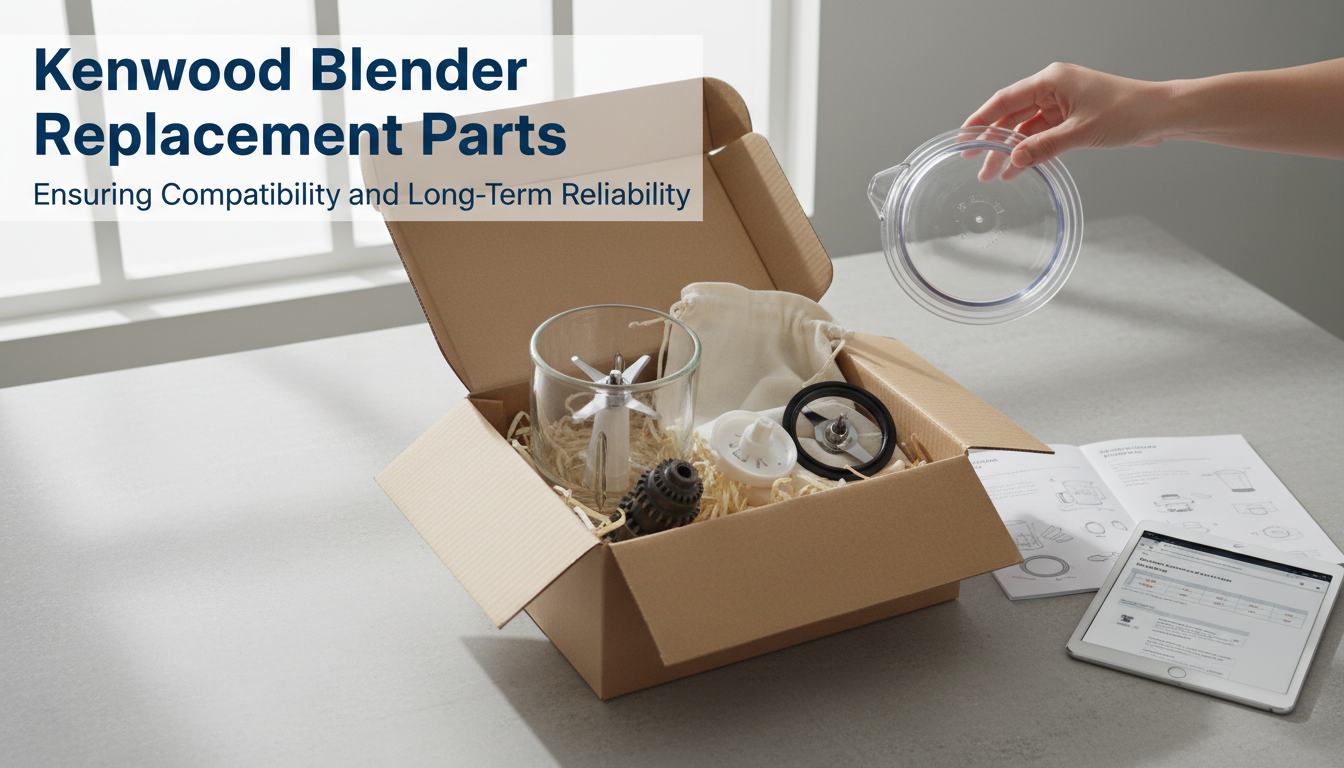
Kenwood Blender Replacement Parts: Ensuring Compatibility and Long-Term Reliability
Buying Blender Replacement Parts at Walmart: A Guide to Selection and Value